How to build a website like Airtasker
Airtasker connects people who need tasks completed with skilled local service providers, generating about $50 million in annual revenue. Learn how to build a successful task marketplace using the same playbook, from validation to launch.
Published: Mar 15, 2024
Last updated: Mar 19, 2026
Understanding Airtasker's marketplace model
Airtasker transformed the local services market by solving a fundamental problem: connecting busy people who need tasks completed with skilled individuals looking for flexible work opportunities. Founded in 2012 by Tim Fung and Jonathan Lui in Sydney, Australia, Airtasker has grown into a publicly traded company generating an estimated over $50 million in annual revenue, with more than 5 million registered users across Australia, the UK, and other markets.
The platform operates as a location-based service marketplace where customers (called "Posters") can request help with anything from furniture assembly and house cleaning to web design and pet sitting. Service providers (called "Taskers") then bid on these jobs, creating a competitive marketplace that benefits both sides. Unlike fixed-price platforms, Airtasker's auction-style bidding system allows for flexible pricing based on task complexity, urgency, and local market rates.
What makes Airtasker particularly successful is its focus on trust and local community. Every interaction happens through the platform's messaging system, payments are held in escrow until job completion, and both parties review each other after each task. This creates a transparent reputation system that helps users make informed decisions about who to work with.
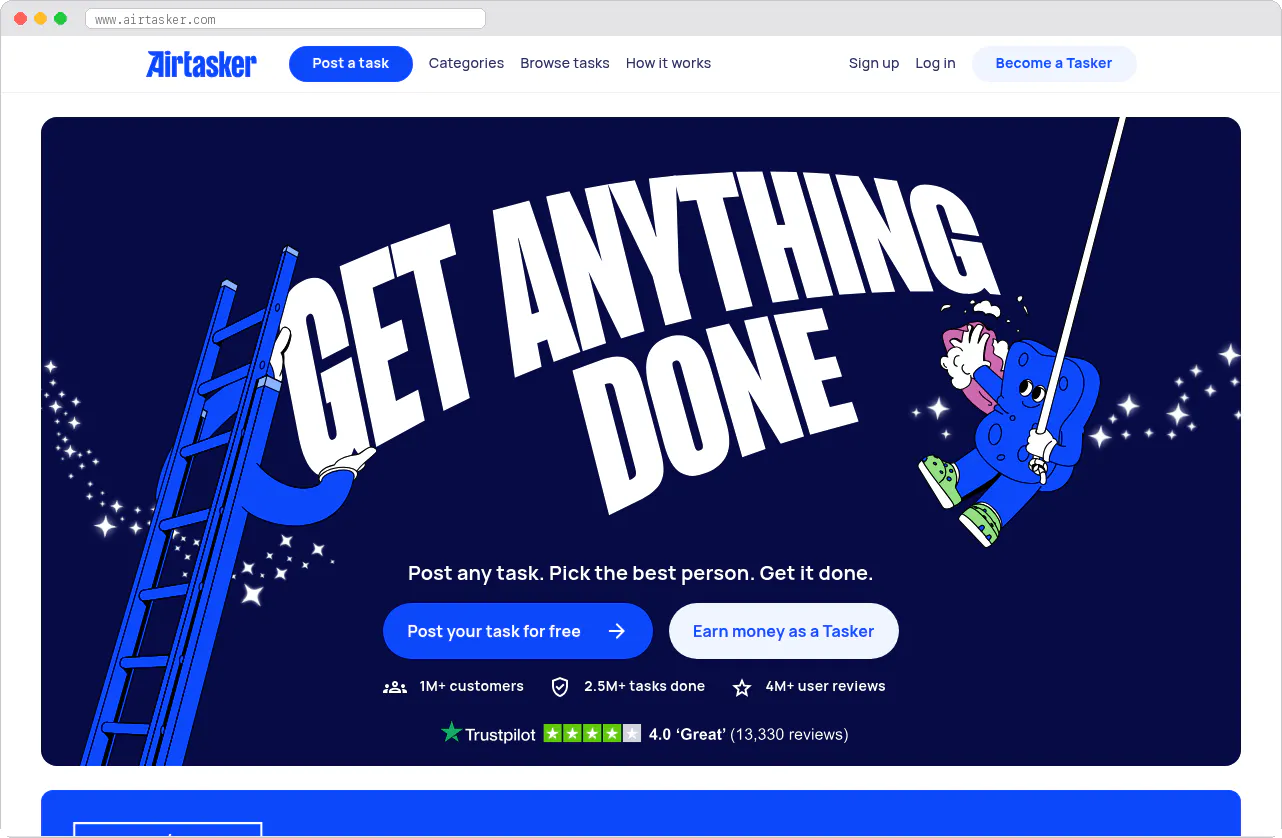
How Airtasker works for both sides
For task posters, Airtasker provides a simple solution to outsourcing work they cannot or prefer not to do themselves. Users create a task posting with a description, location, and suggested budget. Within hours, they typically receive multiple bids from qualified Taskers, complete with profiles showing past work, customer reviews, and verification badges. Posters can review these bids, ask questions through the platform's messaging system, and assign the task to their preferred Tasker.
The platform handles the entire transaction process. Payment is collected upfront and held in escrow until the task is completed to the poster's satisfaction. This protects both parties and ensures Taskers get paid for their work while giving posters confidence that they'll receive the service they paid for.
For Taskers, the platform represents a flexible income opportunity with minimal barriers to entry. Service providers create profiles showcasing their skills, experience, and availability. They can browse available tasks in their area or receive notifications for jobs matching their expertise. The bidding system allows Taskers to compete on both price and value proposition, explaining why they're the best choice for each specific task.
Successful Taskers often develop repeat relationships with customers, building a steady client base through the platform. Many start as part-time service providers and grow into full-time businesses, hiring additional team members as their reputation and demand increase.
Airtasker's revenue model and unit economics
Airtasker monetizes through a commission-based model, charging service fees to both sides of each transaction. Taskers pay a service fee ranging from 15-20% of the task value, while Posters pay a smaller fee (typically 5-10%). This dual-sided fee structure helps balance the marketplace while ensuring sustainable revenue growth.
The company went public on the Australian Securities Exchange in March 2021, raising $83.7 million at a valuation of approximately $250 million. In their 2023 annual report, Airtasker reported gross marketplace value (GMV) of over $200 million, with more than 1.8 million tasks posted annually.
What's particularly interesting about Airtasker's model is how it balances supply and demand across different service categories. Popular categories like cleaning and handyman services generate consistent volume, while specialized services like graphic design or tutoring command higher prices. This diversification helps the platform maintain healthy unit economics across various market conditions.
Essential features for building a task marketplace
Building a successful marketplace like Airtasker requires specific functionality that addresses the unique challenges of local service transactions. Unlike product marketplaces where items can be shipped globally, task marketplaces must facilitate real-world interactions between service providers and customers in specific geographic locations.
User profiles and verification systems form the foundation of trust in any service marketplace. Task posters need detailed profiles for service providers, including skills, experience, portfolio photos, and customer reviews. Equally important are verification features like identity checks, qualification badges, and insurance verification. These trust signals help customers feel confident hiring strangers for work in their homes or businesses.
Location-based matching and search ensures customers can find service providers in their area. The platform needs robust geolocation functionality, allowing users to search by distance, neighborhood, or specific service areas. Many successful task marketplaces also include map-based interfaces showing available Taskers in real-time.
Bidding and negotiation systems differentiate task marketplaces from fixed-price service platforms. Customers post tasks with suggested budgets, and service providers submit competitive bids. The platform needs messaging systems that allow detailed discussions about scope, timing, and pricing before work begins.
Secure payment processing with escrow functionality protects both parties in service transactions. Unlike product purchases where payment typically happens at checkout, service transactions require more complex payment flows. Customers pay upfront, funds are held until work completion, and money is released after customer approval.
Real-time messaging and communication tools enable coordination between customers and service providers. Tasks often require clarification, scheduling coordination, and progress updates. Built-in messaging systems keep all communication on-platform while providing customer support teams visibility into any disputes or issues.
Review and rating systems create accountability and help users make informed decisions. After task completion, both customers and service providers review each other, building reputation scores that influence future booking decisions.
Analyzing successful Airtasker competitors
The task and service marketplace space includes several well-funded competitors, each with different positioning and market focus. Understanding these alternatives helps identify opportunities for differentiation when building your own platform.
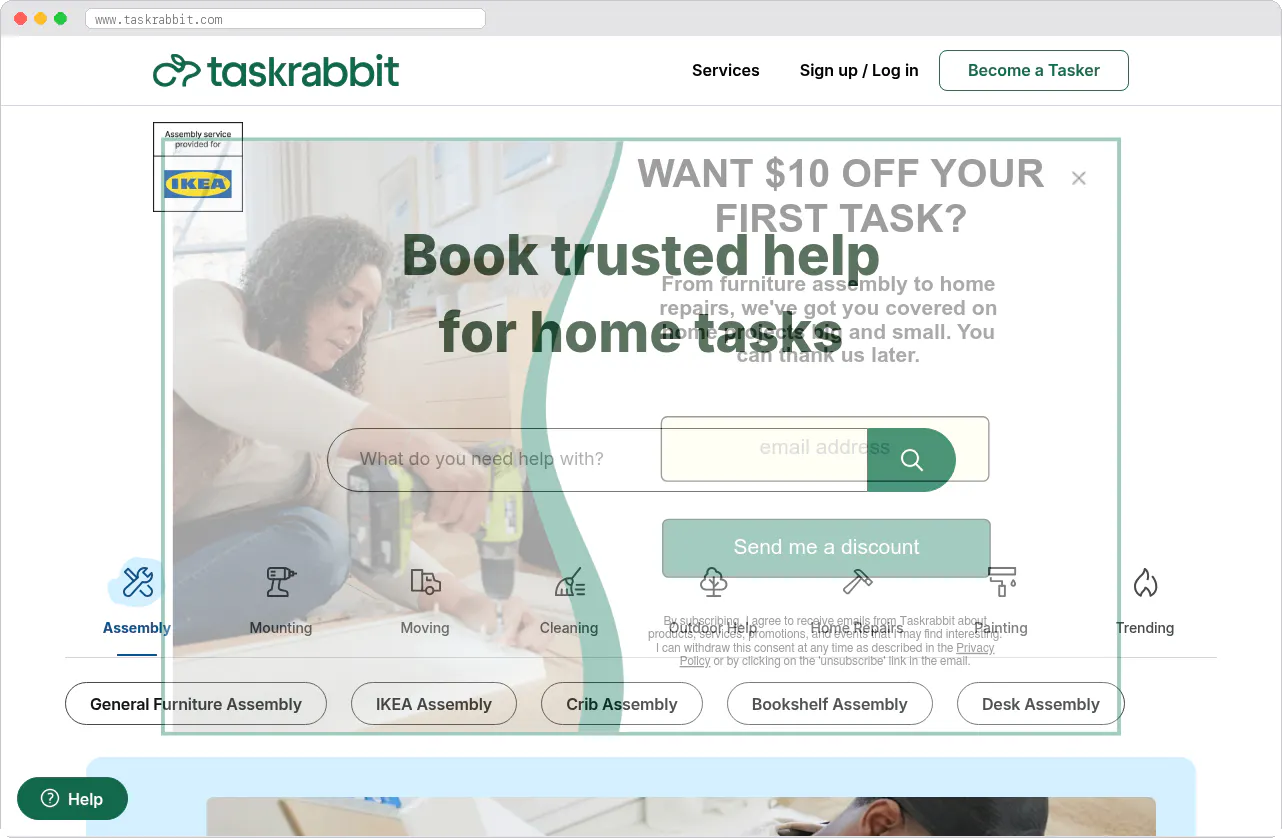
TaskRabbit dominates the North American market with a more streamlined, corporate approach than Airtasker. Acquired by IKEA in 2017 for an undisclosed amount, TaskRabbit focuses heavily on furniture assembly, home repairs, and moving services. Their key differentiator is pre-vetted Taskers with transparent hourly pricing, eliminating the bidding process. This reduces friction for customers but limits pricing flexibility for service providers.
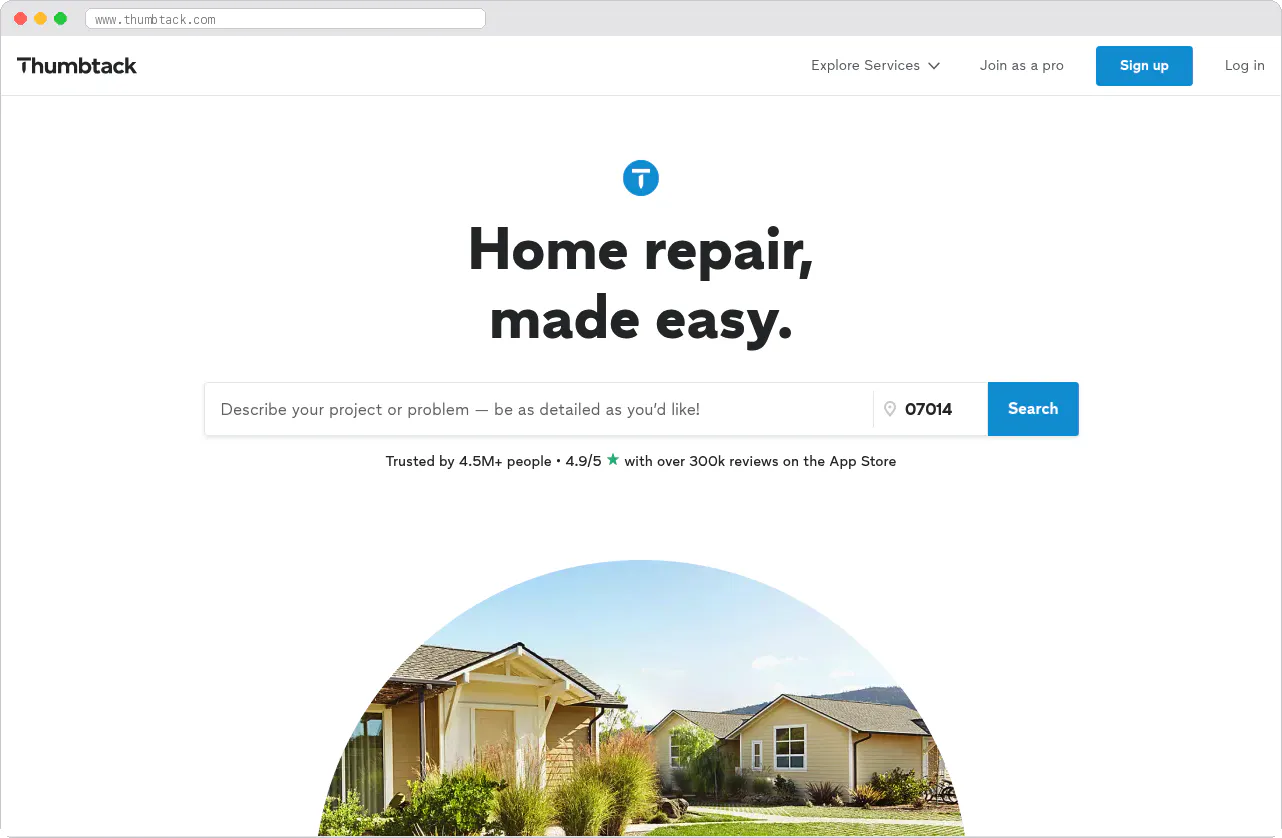
Thumbtack operates primarily in the United States with a lead-generation model rather than facilitating complete transactions. Service providers pay for customer leads rather than paying commission on completed jobs. This attracts professional contractors who prefer traditional payment methods but can result in higher costs for service providers and less protection for customers.
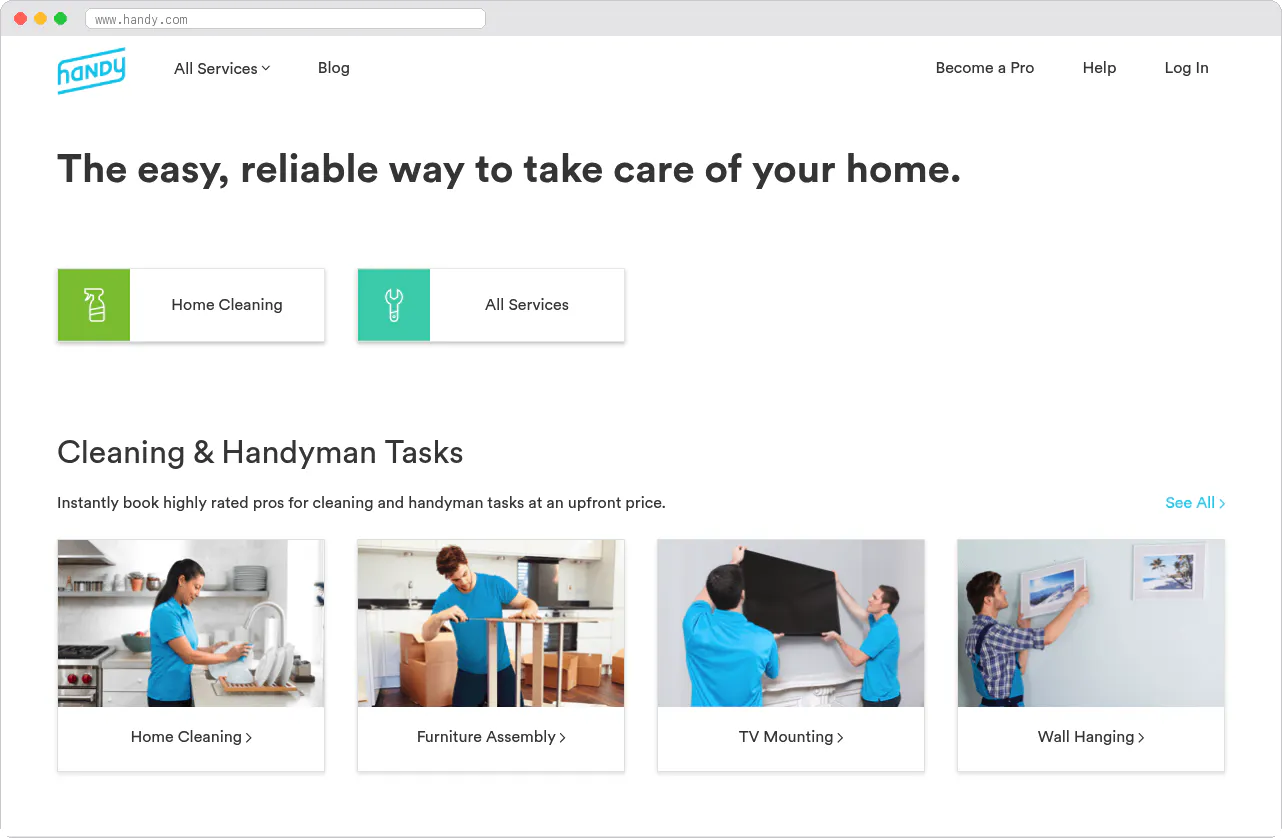
Handy (now part of Angi) focuses specifically on home services like cleaning, handyman work, and installations. They employ a more traditional business model, hiring service providers as contractors rather than operating a pure marketplace. This gives them more control over service quality but limits scalability and reduces flexibility for service providers.
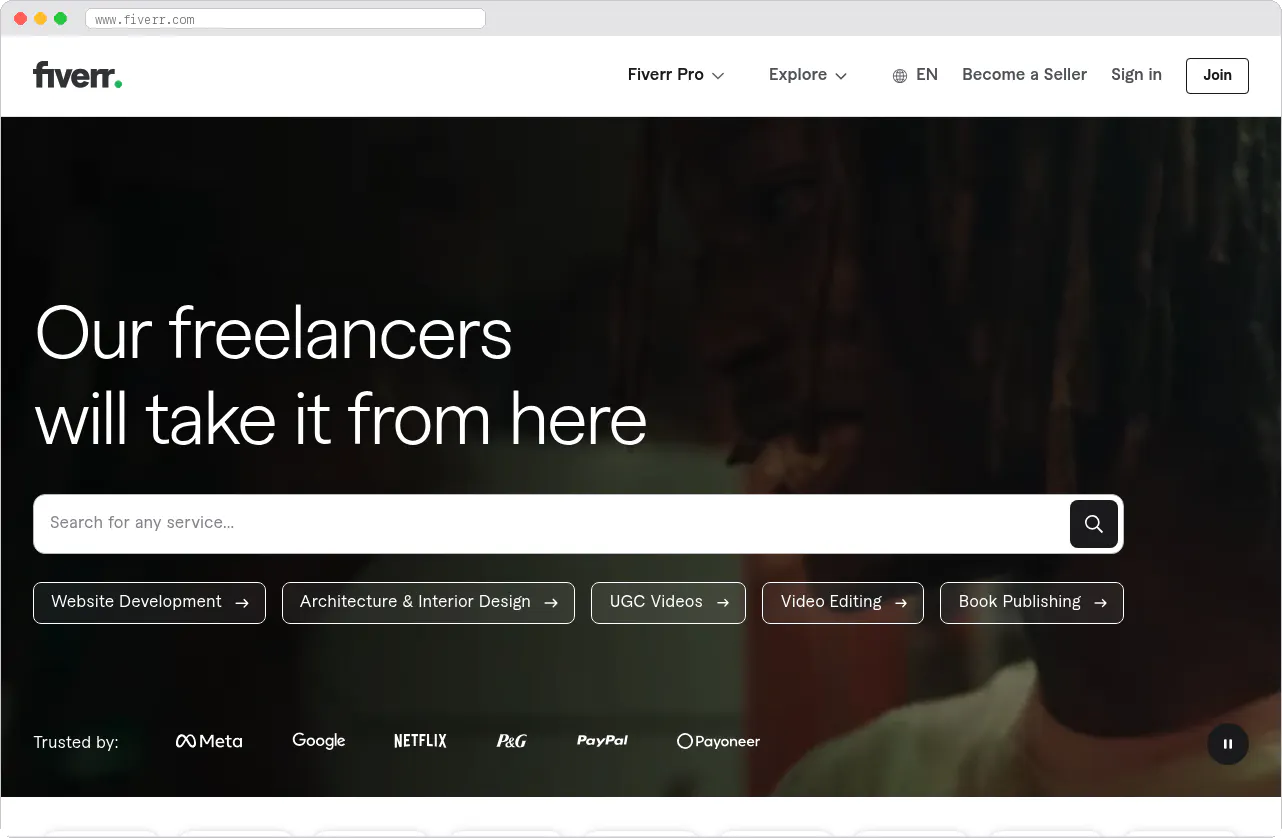
Fiverr targets digital services rather than local, in-person tasks. Their marketplace connects businesses with freelancers for graphic design, content creation, digital marketing, and programming. While not a direct competitor for most local services, Fiverr captures significant market share in remote work that could be done locally.
Local Facebook groups and NextDoor represent informal competition, where community members recommend service providers through social networks. While these platforms lack structured payment processing or verification systems, they benefit from existing social connections and zero transaction fees.
Building your task marketplace: a step-by-step approach
Successful task marketplaces are built iteratively, starting with a clear niche and expanding as the platform proves its value to both customers and service providers. This approach reduces initial complexity while allowing founders to validate their assumptions before investing heavily in development.
Step 1: Identify your specific market opportunity
Task marketplaces work best when they solve specific problems for well-defined audiences. Rather than attempting to replicate Airtasker's broad service offerings, start by identifying underserved niches or geographic markets where you can establish a strong foothold.
Successful niche approaches might include focusing on specific service categories (elderly care, pet services, creative services), targeting particular demographics (busy professionals, college students, retirees), or serving geographic markets where existing platforms have limited presence.
Market research at this stage involves talking directly to potential customers and service providers. Understand their current pain points, how they find and hire service providers today, and what would motivate them to try a new platform. This research helps validate demand and identify key features for your MVP.
Step 2: Validate demand before building
Before investing in platform development, test your marketplace concept with minimal technology. Create simple landing pages describing your service, collect email addresses from interested users, and manually match a small number of customers with service providers.
This manual marketplace validation helps you understand the real challenges in your chosen niche. You'll learn about typical pricing ranges, common customer objections, service provider motivations, and operational complexities before automating these processes.
Many successful marketplace founders start by becoming service providers themselves, completing tasks manually to understand the customer experience from both sides. This hands-on approach provides invaluable insights that inform platform design and feature prioritization.
Step 3: Build your minimum viable platform
Your initial platform should focus exclusively on core marketplace functionality: user registration, task posting, bidding or matching, messaging, and payment processing. Avoid complex features like mobile apps, advanced search filters, or sophisticated verification systems until you've proven basic marketplace dynamics work in your market.
Using no-code or low-code platform significantly accelerates time-to-market for MVP development. Sharetribe, for example, includes all essential marketplace functionality out-of-the-box, allowing founders to launch functional task marketplaces within days rather than months. The platform handles complex technical requirements like payment processing, user management, and hosting infrastructure while remaining fully customizable as your business grows.
Alternatively, you might combine existing tools like website builders (Webflow, WordPress), payment processors (Stripe), and communication tools (Intercom) to create basic marketplace functionality. This approach offers more control but requires significant technical integration work and ongoing maintenance.
Step 4: Recruit your initial service provider network
Task marketplaces typically launch with supply-side recruitment, building a network of quality service providers before marketing to customers. This ensures customers find available services when they visit your platform, creating positive first impressions that encourage repeat usage.
Effective service provider recruitment often happens through direct outreach to existing professionals in your target categories. Contact independent contractors, freelancers, and small businesses who already provide relevant services through other channels. Offer compelling value propositions like access to new customers, streamlined payment processing, and professional marketing support.
Some successful task marketplaces recruit initial service providers by offering temporary incentives like reduced commission rates, featured placement, or marketing support. These investments pay off when quality service providers attract satisfied customers who become platform advocates.
Step 5: Launch to customers with focused marketing
With a solid service provider network in place, begin customer acquisition through targeted marketing efforts. Start with specific customer segments rather than broad demographic targeting, focusing on groups with clear pain points that your platform solves.
Content marketing often works well for task marketplaces, as customers frequently search online for service provider recommendations and guidance. Create helpful resources like "How to choose a reliable house cleaner" or "What to expect when hiring a handyman," establishing your platform as a trusted resource while naturally promoting your services.
Local partnerships can accelerate customer acquisition in geographic markets. Real estate agents, property managers, busy professional networks, and community organizations often have members who regularly need task-related services.
Step 6: Optimize based on real user feedback
Once you have active users on both sides of your marketplace, focus intensively on understanding their experience and removing friction from common user journeys. Track key metrics like task completion rates, repeat usage, customer satisfaction scores, and service provider earnings.
Common optimization areas include streamlining the task posting process, improving search and filtering functionality, enhancing communication tools, and refining payment flows. Small improvements in conversion rates or user satisfaction can significantly impact marketplace growth and profitability.
Customer support interactions provide valuable insights into platform improvements. Issues that require manual intervention often reveal opportunities for automated solutions or better user interface design.
Cost considerations for building a task marketplace
Development costs for task marketplace platforms vary dramatically based on technical approach, feature complexity, and team composition. Understanding these cost factors helps founders make informed decisions about their development strategy and funding requirements.
Custom development from scratch typically requires $50,000 to $100,000 for a basic task marketplace with essential functionality. This includes user management, task posting and bidding, messaging systems, payment processing, and basic administrative tools. Complex features like mobile apps, advanced matching algorithms, or sophisticated verification systems increase costs significantly.
These estimates assume outsourced development to experienced teams. In-house development may reduce cash costs but requires significant time investment from technical founders, potentially delaying time-to-market by 6-12 months.
No-code marketplace platforms like Sharetribe offer dramatically lower upfront costs and faster time-to-market. Annual platform fees typically range from $3,000 to $15,000, depending on transaction volume and customization requirements. Additional costs might include custom design work ($2,000-10,000), third-party integrations ($1,000-5,000), and marketing tools ($1,000-5,000 annually).
The total first-year cost for launching a task marketplace with Sharetribe typically ranges from $5,000 to $25,000, representing significant savings compared to custom development while maintaining professional functionality and scalability.
Ongoing operational costs include hosting, customer support, payment processing fees (typically 2.9% + $0.30 per transaction), marketing expenses, and platform maintenance. Successful marketplaces typically allocate 15-25% of gross revenue to these operational expenses.
Why Sharetribe works well for task marketplaces
Sharetribe's platform architecture specifically addresses the unique requirements of service and task marketplaces, providing founders with proven functionality that scales from MVP to enterprise-level platforms.
Built-in bidding and negotiation workflows handle the complex interactions between task posters and service providers. Users can post tasks with suggested budgets, service providers can submit competitive bids with custom proposals, and both parties can negotiate through integrated messaging systems. This eliminates the need to build custom bidding functionality from scratch.
Flexible user roles and permissions accommodate the diverse needs of task marketplace participants. Service providers can create detailed profiles showcasing multiple skills, customers can post various task types, and administrators can manage platform operations through comprehensive admin dashboards.
Location-based search and mapping functionality enables customers to find nearby service providers and service providers to browse local opportunities. The platform includes Google Maps integration, distance-based search filters, and location verification to ensure accurate matching.
Secure payment processing with escrow capabilities protects both customers and service providers through Stripe Connect integration. Customers pay upfront with confidence that funds are held until work completion, while service providers know they'll receive payment for completed tasks.
Customization capabilities allow task marketplaces to differentiate as they grow. Sharetribe supports custom coding for unique features, third-party integrations, and specialized workflows while maintaining the core marketplace functionality. This flexibility ensures platforms can evolve without requiring complete rebuilds.
The platform handles technical complexities like hosting, security updates, payment compliance, and performance optimization, allowing founders to focus on building their user base and optimizing marketplace dynamics rather than managing technical infrastructure.
Common challenges and solutions for task marketplaces
Task marketplaces face unique operational challenges that require specific solutions and ongoing attention from platform operators.
Quality control and service standards remain ongoing challenges when connecting customers with independent service providers. Unlike traditional businesses with employee training programs, marketplaces must rely on reputation systems, customer feedback, and platform policies to maintain service quality.
Successful task marketplaces implement multi-layered quality approaches including service provider verification, customer review systems, performance monitoring, and clear service standards. Some platforms also offer guarantees or insurance coverage for certain service categories.
Balancing supply and demand across different service categories and geographic regions requires continuous attention. Popular services like house cleaning may have oversupply in some markets while specialized services lack sufficient providers.
Data-driven approaches help platform operators identify supply and demand imbalances, adjust marketing efforts, and provide incentives to encourage participation in underserved categories or locations.
Trust and safety concerns are particularly important for task marketplaces where service providers often work in customers' homes or businesses. Background checks, identity verification, insurance requirements, and clear safety policies help build customer confidence.
Pricing optimization affects both customer acquisition and service provider satisfaction. Platforms must balance competitive pricing for customers with fair compensation for service providers while ensuring sustainable commission revenue.
Successful task marketplaces often provide pricing guidance based on market data while allowing flexibility for service providers to adjust rates based on their experience, quality, and local market conditions.
Scaling your task marketplace for long-term success
Once you've established marketplace liquidity in your initial market, scaling requires strategic decisions about geographic expansion, service category additions, and platform enhancements.
Geographic expansion typically works best with a focused, market-by-market approach rather than attempting broad national launches. Successful expansion requires building service provider networks in new markets before marketing to customers, often requiring localized recruitment strategies and market-specific pricing adjustments.
Service category expansion should be data-driven, based on customer demand and service provider capabilities within your existing user base. Adding categories where you already have qualified service providers reduces operational complexity while meeting existing customer needs.
Platform enhancements become important as your user base grows and competitive pressure increases. Advanced features like instant booking, service provider scheduling integration, and mobile apps often become necessary for maintaining market position.
Partnership opportunities can accelerate growth through strategic alliances with complementary businesses. Real estate companies, property management firms, and home improvement retailers often have customers who regularly need task-related services.
Successful task marketplaces also develop strong community aspects, creating forums where service providers can share best practices, customers can leave detailed reviews, and platform operators can communicate updates and improvements.
The key to sustainable growth is maintaining focus on marketplace fundamentals, trust, quality, and user satisfaction, while gradually expanding platform capabilities and market reach. This approach ensures your task marketplace can compete effectively with established players while building a loyal, engaged user base.
Frequently asked questions
How much does it cost to build a website like Airtasker?
Costs vary significantly by approach. Custom development typically costs $50,000-200,000, while no-code platforms like Sharetribe cost $5,000-25,000 for the first year. The lower-cost approach also gets you to market 6-12 months faster.
What features does a task marketplace need to compete with Airtasker?
Essential features include user profiles with verification, location-based search, bidding systems, secure messaging, escrow payments, and two-way review systems. Start with core functionality and add advanced features as you grow.
How do task marketplaces like Airtasker make money?
Airtasker uses a dual-sided commission model, charging service providers 15-20% and customers 5-10% per transaction. This ensures revenue is tied to successful task completion and platform value creation.
Should I start with a broad marketplace or focus on a specific niche?
Start with a specific niche or geographic market to achieve liquidity faster. Airtasker succeeded by dominating Australia before expanding internationally. You can broaden your scope once you've proven the model works.
How do I recruit service providers for my task marketplace?
Begin with direct outreach to existing independent contractors and small businesses in your target categories. Offer compelling value like new customer access and streamlined payments. Build supply before marketing to customers.
What's the biggest challenge in running a task marketplace?
Maintaining quality and trust between strangers is the primary challenge. This requires robust verification systems, clear policies, responsive customer support, and strong review systems to build confidence on both sides.
Start your 14-day free trial
Create a marketplace today!
- Launch quickly, without coding
- Extend infinitely
- Scale to any size
No credit card required