How to build a marketplace for home repair professionals
Home repair marketplaces connect homeowners with skilled professionals for repairs, renovations, and maintenance. Learn how to build, launch, and grow a successful platform in this competitive but lucrative market.
Published: Dec 15, 2023
Last updated: Mar 19, 2026
What is a marketplace for home repair professionals?
A marketplace for home repair professionals is a digital platform that connects homeowners with skilled contractors, handymen, and specialized tradespeople for repair, renovation, and maintenance projects. These platforms solve a fundamental problem: homeowners struggle to find reliable, qualified professionals, while skilled workers need a steady stream of customers.
The business model typically involves commission-based revenue, where the platform takes a percentage of each completed transaction. Some platforms also charge lead generation fees, where professionals pay for access to potential customers, or subscription fees for premium services like priority placement and enhanced profiles.
Unlike general service marketplaces, home repair platforms require specialized features to handle the complexity of construction and repair work. Projects often involve multiple phases, require permits or inspections, need detailed cost estimates, and may take weeks or months to complete. The stakes are high for homeowners, poor work can be expensive to fix and potentially dangerous.
How the home repair marketplace model works
Home repair marketplaces operate as intermediaries between two distinct user groups. Homeowners post project details, requirements, and budgets. Professionals browse available jobs, submit bids or quotes, and communicate with potential clients through the platform's messaging system.
The transaction flow typically follows this pattern: a homeowner posts a project with photos, descriptions, and timeline requirements. Qualified professionals in the area receive notifications and can submit proposals with pricing and timelines. The homeowner reviews proposals, checks professional profiles and reviews, and selects their preferred contractor. The platform often holds payment in escrow until work is completed satisfactorily.
Trust and safety mechanisms are critical in this model. Most successful platforms implement background checks, license verification, insurance requirements, and detailed review systems. The platform's reputation depends on the quality of professionals it attracts and retains, making vetting processes essential for long-term success.
The market opportunity in home repair services
The home repair and improvement market represents a massive opportunity. In the United States alone, homeowners spend over $400 billion annually on renovations and repairs, according to the Joint Center for Housing Studies at Harvard University. The market continues growing as housing stock ages and homeowners invest in property improvements.
Several factors drive continued market growth. The average age of U.S. homes is approaching 40 years, creating ongoing maintenance needs. Remote work trends have homeowners investing more in their living spaces. Rising home values make renovations attractive investments. Additionally, many homeowners lack the skills or tools for complex repairs, creating consistent demand for professional services.
The fragmented nature of the industry creates opportunity for marketplace platforms. Most contractors operate as small, local businesses with limited marketing reach. Homeowners often rely on word-of-mouth recommendations or directory listings, making it difficult to compare options or verify qualifications. This fragmentation creates the classic marketplace opportunity: aggregating supply and demand to create value for both sides.
Major competitors in home repair marketplaces
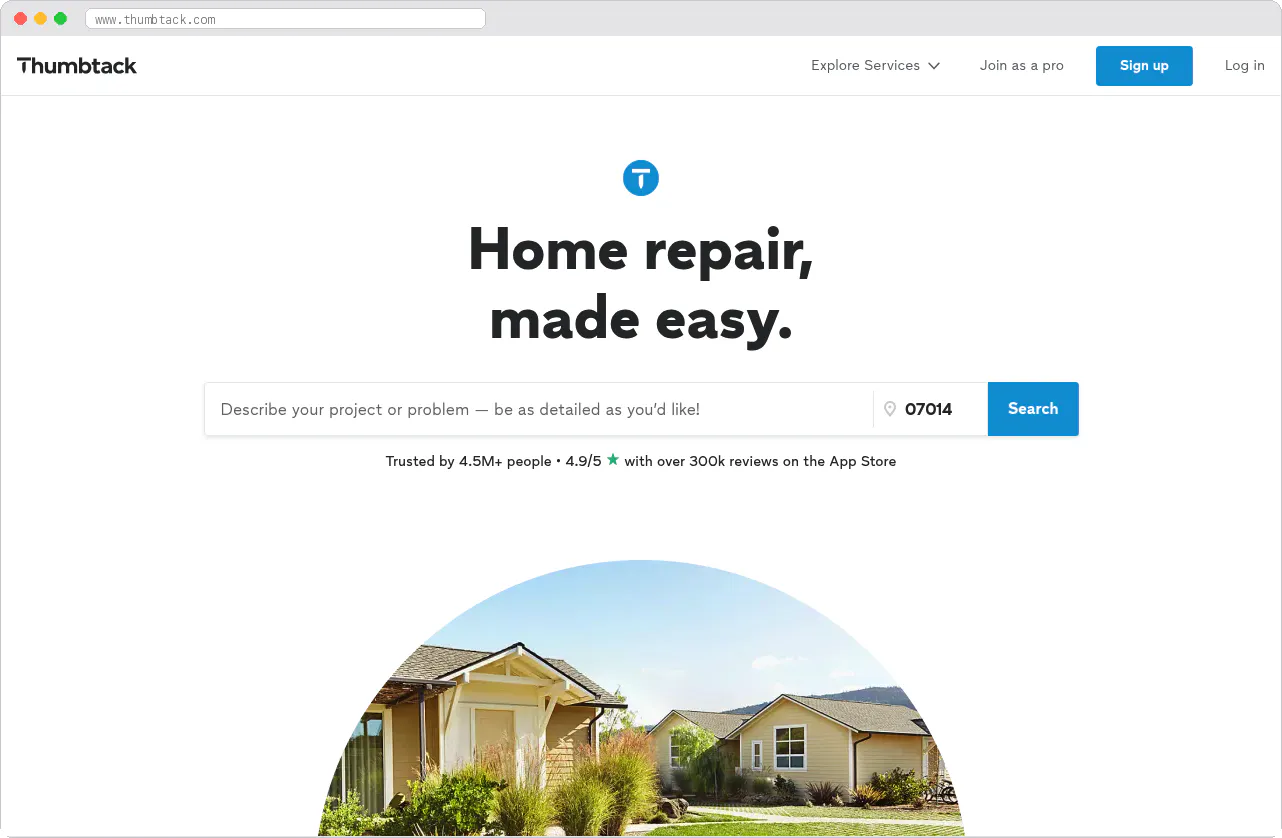
Thumbtack dominates the home services marketplace space with over 10 million active customers. The platform uses a lead generation model where professionals pay for customer contact information rather than taking transaction commissions. Thumbtack covers hundreds of service categories beyond home repair, from personal training to event planning. This broad approach helps with user acquisition but may dilute focus on specialized trades.
HomeAdvisor (now Angi) operates as both a marketplace and a service provider through its Angi Services division. The company pre-screens professionals and offers guaranteed work, differentiating itself through quality assurance. HomeAdvisor charges both lead fees to professionals and booking fees to customers, plus takes a percentage of transactions completed through the platform. Their dual approach, marketplace and direct service provision, creates both opportunities and potential conflicts of interest.
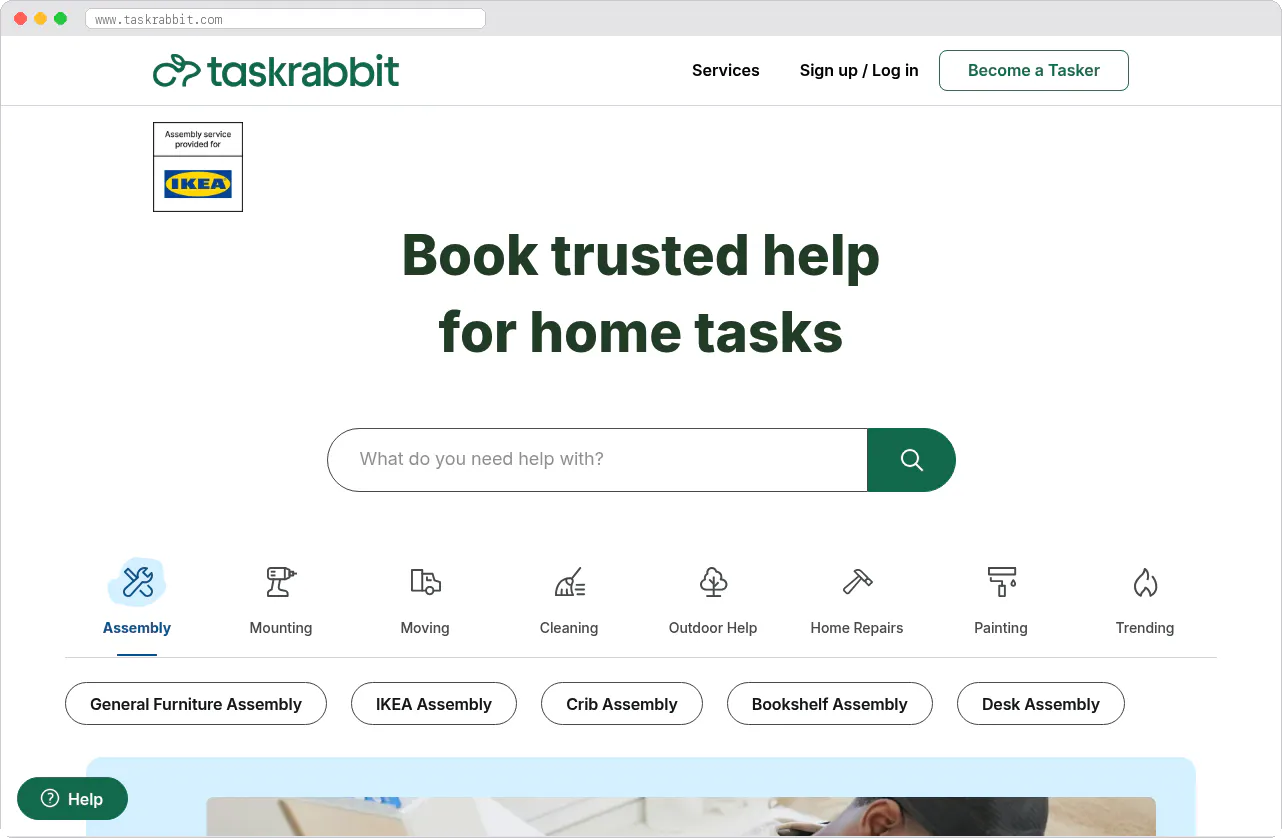
TaskRabbit focuses on smaller home tasks and handyman services rather than major renovations. The platform emphasizes same-day or next-day service for quick fixes, furniture assembly, and minor repairs. TaskRabbit's "Taskers" often work part-time and may not have specialized trade licenses, positioning the platform more for convenience than complex projects.
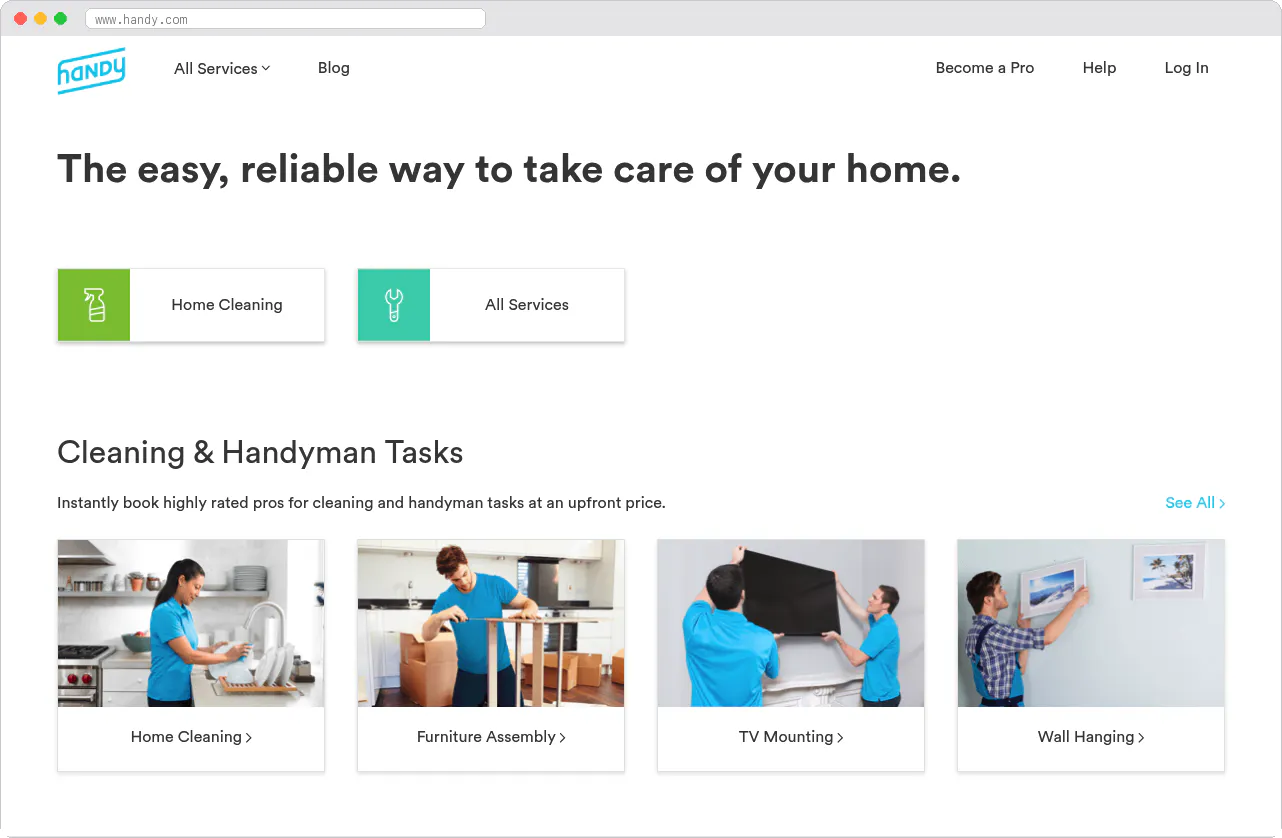
Handy (acquired by Angi in 2018) specializes in recurring services like cleaning alongside handyman tasks. The platform emphasizes standardized pricing and streamlined booking, making it easy for customers to get quick quotes. However, this standardization can limit customization for unique or complex projects.
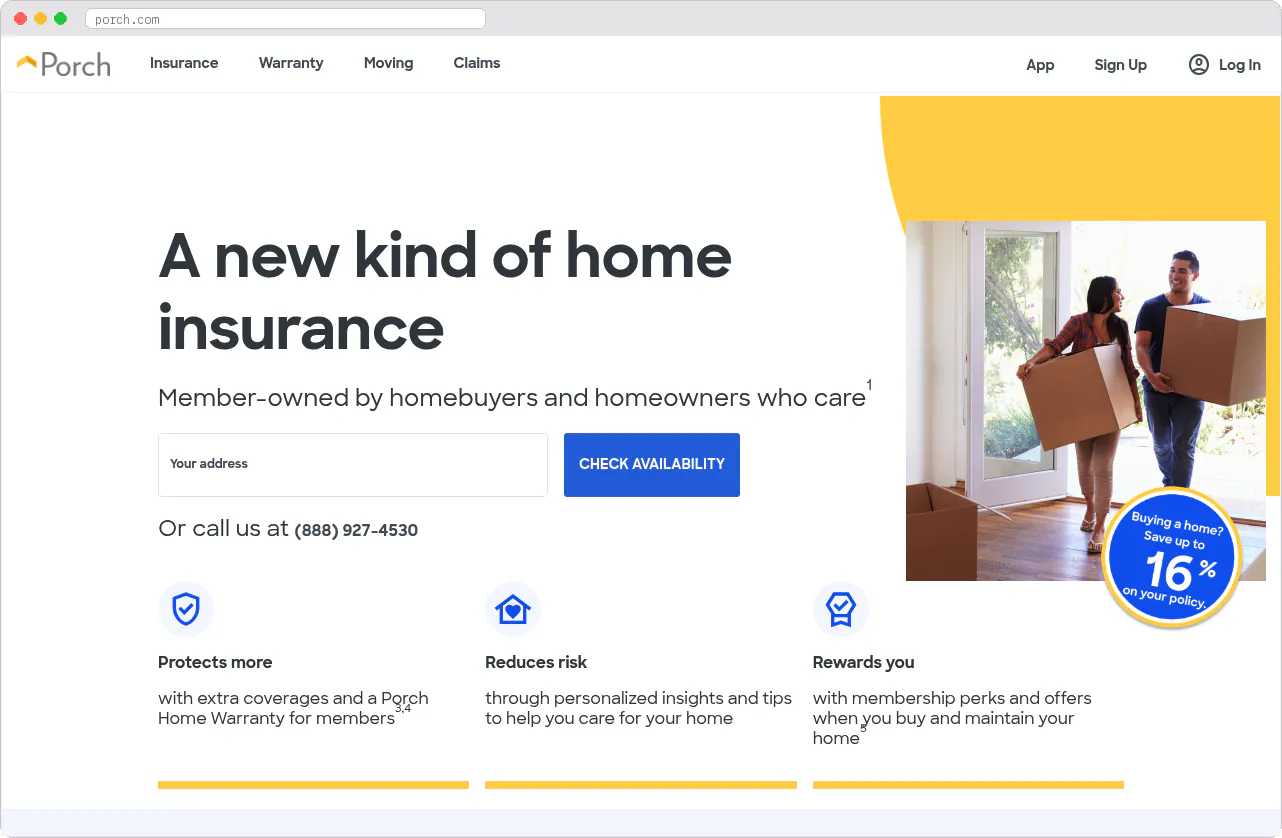
Porch differentiates by focusing heavily on home improvement inspiration and project planning tools. The platform includes a robust content library, project galleries, and planning resources beyond just contractor matching. This approach aims to capture customers earlier in their decision-making process.
Regional players often succeed by focusing deeply on local markets. Platforms like Networx and ImproveNet compete by offering more personalized service and deeper local professional networks, though they lack the scale of national platforms.
Essential features for a home repair marketplace
Successful home repair marketplaces require specific functionality to handle the complexity of construction and repair projects. These features go beyond basic marketplace mechanics to address the unique challenges of the construction industry.
Project posting and bid management forms the core of any home repair marketplace. Homeowners need tools to describe their projects in detail, including photos, measurements, timeline requirements, and budget ranges. The system should support different project types, from simple repairs to complex renovations, with appropriate fields and categories. Professionals need bid management tools to submit competitive proposals, track bid status, and communicate with potential clients.
Professional verification and credentialing builds essential trust in the platform. This includes license verification for trades that require them, insurance certificate validation, background checks, and skills assessments. The platform should display these credentials prominently on professional profiles and allow filtering by certification type. Some platforms go further with ongoing monitoring of license renewals and insurance updates.
Advanced search and matching helps homeowners find the right professionals for their specific needs. Location-based search is fundamental, but the platform should also support filtering by trade specialty, project size, availability, pricing, and customer ratings. Smart matching algorithms can proactively suggest professionals based on project details and historical performance data.
Quote and estimate management handles the complex pricing dynamics of home repair work. The platform should support detailed estimates with line items, material costs, and labor breakdowns. Features like template estimates for common services, cost comparison tools, and estimate versioning help both sides manage the negotiation process effectively.
Project timeline and milestone tracking addresses the multi-phase nature of many home repair projects. The system should allow professionals to create project timelines with milestones, enable progress updates with photos, and provide completion notifications. This transparency helps manage customer expectations and reduces disputes.
Secure payment processing with escrow functionality protects both parties in high-value transactions. The platform should hold customer payments until work milestones are completed satisfactorily. This requires integration with payment processors that support marketplace models, automatic release triggers based on milestone completion, and dispute resolution processes for contested work.
Two-way review and rating systems build reputation and accountability. Both homeowners and professionals should be able to rate each other after project completion. The system should prevent fake reviews, encourage honest feedback, and weight reviews based on transaction value and reviewer history.
Communication tools facilitate project coordination throughout the work process. Built-in messaging, photo sharing, document exchange, and even video calling help keep all project communication within the platform. This creates transparency and provides records for dispute resolution if needed.
Mobile optimization is crucial since many professionals work on-site and need mobile access to manage their business. The platform should offer responsive web design or dedicated mobile apps with full functionality for managing bids, communicating with customers, and updating project status.
Insurance and warranty management addresses the unique risks of construction work. The platform should allow professionals to specify their insurance coverage, offer warranty terms on their work, and potentially integrate with insurance providers for additional coverage options.
Steps to build a home repair marketplace
Building a successful home repair marketplace requires a systematic approach that prioritizes user validation and iterative improvement over perfect initial execution. The construction services market has unique challenges that make the build-learn-iterate cycle especially important.
Validate your niche and value proposition before writing any code or investing heavily in development. The home repair market includes dozens of specialized trades, from plumbing and electrical work to specialized services like HVAC or roofing. Trying to serve all trades simultaneously often leads to a diluted value proposition that doesn't excel for any particular group.
Start by identifying a specific problem within home repair services that existing platforms don't solve well. This might be serving a particular trade like electricians or plumbers, focusing on a specific project type like bathroom renovations, or targeting an underserved geographic market. Research your target audience by interviewing both homeowners and professionals about their current pain points with existing solutions.
Conduct customer discovery interviews with at least 20 homeowners who have recently hired professionals for your target service category. Ask about their search process, decision criteria, pain points with current solutions, and what would make them try a new platform. Similarly, interview professionals in your target trades about how they currently find customers, their biggest business challenges, and what platform features would genuinely help them grow their business.
Choose your business model and pricing structure based on your market research and competitive analysis. Commission-based models work well for high-value projects where the platform provides significant value in facilitating the transaction. Lead generation fees may be more appropriate for lower-value services or markets where professionals prefer predictable costs.
Consider hybrid models that combine multiple revenue streams. Many successful platforms charge lead fees for initial connections and commission fees for completed transactions. This approach provides revenue from platform usage while aligning incentives around successful project completion.
Test your pricing assumptions early by discussing different fee structures with potential users during your validation interviews. Professionals have different tolerance levels for fees based on their profit margins and customer acquisition costs. Homeowners may prefer all-inclusive pricing or be willing to pay platform fees for verified, insured professionals.
Build your minimum viable platform (MVP) focused on core functionality rather than comprehensive features. Your MVP should enable the essential marketplace actions: professionals can create profiles and list their services, homeowners can post projects and browse professional profiles, and both sides can communicate and coordinate through the platform.
Resist the temptation to build every feature you can imagine. Many marketplace founders over-engineer their initial version, delaying launch and preventing early user feedback. Focus on the workflow that creates the most value: connecting qualified professionals with relevant projects in your target market.
Ensure your MVP includes basic trust and safety features even if they're not fully automated. Manual verification of professional licenses and insurance may be necessary initially. Simple review systems and basic payment processing should be included from the start, as trust is fundamental to marketplace adoption.
Launch with supply-side focus by recruiting professionals before heavily marketing to homeowners. Empty marketplaces provide no value to customers, so building initial supply is critical. Identify where your target professionals currently find customers, trade association meetings, supplier locations, industry forums, and recruit them directly.
Offer compelling reasons for professionals to join beyond just potential customers. This might include free profile creation, no fees for a limited time, marketing tools they can use elsewhere, or valuable content and resources. The goal is building enough quality supply that when customers arrive, they find good options and have positive experiences.
Consider becoming a customer yourself initially. Post real projects on your platform and hire professionals through it. This provides valuable user experience insights while demonstrating platform value to early professional users.
Scale demand gradually once you have solid professional supply. Avoid massive marketing campaigns that bring more customers than your supply can handle well. Instead, focus on targeted marketing that reaches homeowners likely to need your specific services.
Local search engine optimization, content marketing around common repair questions, and partnerships with related businesses (real estate agents, home inspectors, insurance companies) can provide steady customer growth that matches your supply capacity.
Track key marketplace metrics from early in your launch: the percentage of posted projects that receive qualified bids, the percentage of projects that result in hires, and customer satisfaction scores from completed projects. These metrics indicate whether your marketplace is providing real value or just facilitating initial connections without successful outcomes.
Iterate based on user feedback and behavior data rather than assumptions about what users want. Regular surveys of both sides of your marketplace, analysis of where users drop out of your platform, and monitoring of customer service inquiries provide insights into necessary improvements.
Pay particular attention to reasons why projects don't result in successful hires. Common issues include poor professional qualification, pricing mismatches, communication breakdowns, or timeline conflicts. Each of these suggests different platform improvements or policy changes.
Expand thoughtfully into adjacent services or geographic markets once you've achieved strong performance in your initial niche. Many home repair marketplaces fail by expanding too quickly before establishing strong unit economics and user satisfaction in their core market.
Geographic expansion often makes sense for home services since proximity is important for both customers and professionals. Adding new trade categories should be based on demand from your existing user base and availability of quality professionals in those trades.
Development approaches and costs
The cost and complexity of building a home repair marketplace varies dramatically based on your chosen approach and feature requirements. Understanding these trade-offs helps founders choose the right development path for their situation and business goals.
Custom development from scratch provides maximum flexibility but requires significant time and financial investment. A basic home repair marketplace with essential features typically requires 6-12 months of development time with a full-time team including backend developers, frontend developers, designers, and project management.
Development costs vary widely based on team location and experience. A U.S.-based development team typically charges $100-200 per hour, making total development costs $100,000-500,000 for a comprehensive platform. Offshore development can reduce costs to $50,000-150,000 but often requires more hands-on management and may extend timelines.
Custom development makes sense for founders with significant technical expertise, substantial funding, or highly specialized requirements that existing solutions can't address. However, the opportunity cost is significant, months of development time that could be spent on customer research, marketing, and business development.
Ongoing maintenance, security updates, and feature development require continued technical investment. Many founders underestimate these ongoing costs, which typically amount to 15-25% of initial development costs annually.
No-code marketplace builders like Sharetribe enable much faster time to market without sacrificing professional functionality. These platforms provide essential marketplace features out of the box, including user management, payment processing, messaging, and basic customization options.
The primary advantage is speed, you can launch a fully functional marketplace in days or weeks rather than months. This rapid deployment allows early user testing and validation before significant investment. No-code platforms typically cost $100-500 monthly, making them accessible for bootstrapped founders.
Limitations include less design flexibility and dependence on the platform provider's feature roadmap. However, many no-code platforms now offer customization options through APIs and custom development, providing an upgrade path as your business grows.
Hybrid approaches combine the speed of no-code platforms with custom development for unique features. Start with a no-code platform to launch quickly and validate your market, then add custom features as you identify specific user needs that the base platform doesn't address.
This approach minimizes initial investment while preserving the ability to differentiate through unique functionality. Sharetribe's development platform exemplifies this model, providing marketplace essentials with the ability to add custom features, integrations, and designs.
WordPress with marketplace plugins offers a middle-ground option for founders comfortable with content management systems. Plugins like WP Job Manager or Ultimate Member can create basic marketplace functionality, though the result often looks and feels like a WordPress site rather than a dedicated application.
This approach works best for simple marketplaces or content-heavy sites where blogging and SEO are important. Costs are low, typically under $1,000 for themes and plugins, but functionality is limited compared to dedicated marketplace platforms.
Why Sharetribe works for home repair marketplaces
Sharetribe addresses the specific challenges of launching and growing a home repair marketplace through features designed for service-based, location-dependent businesses.
Built-in local search and geographic functionality eliminates the complex development required for location-based matching. The platform includes map integration, radius-based search, and location verification, essential features for connecting homeowners with nearby professionals. This saves months of development time that custom solutions would require to implement reliable location services.
Flexible user roles and verification systems support the professional credentialing requirements of construction trades. You can create custom profile fields for licenses, insurance certificates, and specializations, then use these fields for search filtering and verification workflows. This flexibility accommodates different requirements across trades without extensive customization.
Transaction management with escrow capabilities handles the high-value, milestone-based payments common in home repair projects. The integrated Stripe Connect payments automatically hold funds until work completion, protecting both parties while ensuring you collect your commission. Building similar functionality from scratch requires significant payment industry expertise and regulatory compliance work.
Mobile-optimized interface serves professionals who often work on-site and need mobile access to manage their business. The responsive design and mobile app-like interface work well for professionals checking messages, updating project status, and managing their calendar between job sites.
Scalable infrastructure and hosting removes the technical overhead of managing servers, security updates, and performance optimization. As your marketplace grows from dozens to thousands of users, Sharetribe's infrastructure scales automatically without requiring DevOps expertise or additional hosting costs.
The platform's customization options grow with your business needs. Start with the no-code builder to launch quickly, then add custom designs, features, and integrations as you identify specific requirements your market demands. This evolution path prevents the need to rebuild your platform as you scale.
Integration capabilities connect your marketplace with specialized tools common in the construction industry. This might include scheduling software, estimate generation tools, project management systems, or accounting software that professionals already use. APIs and webhooks enable these integrations without extensive custom development.
Building trust and safety in home repair marketplaces
Trust and safety represent the biggest challenges and most important success factors for home repair marketplaces. The high-stakes nature of construction work, expensive projects, property access, potential safety risks, requires robust verification and protection systems.
Professional verification must go beyond basic background checks to include trade-specific requirements. Licensed trades like plumbing, electrical, and HVAC work require current license verification, while general contractors need business licensing and insurance validation. The platform should implement ongoing monitoring of license renewals and insurance policy updates.
Insurance requirements protect both parties but must be appropriate for different types of work. A handyman doing minor repairs needs different coverage than a contractor doing structural work. Clear insurance requirements help professionals understand platform expectations while giving customers confidence in protection levels.
Review and rating systems need careful design to encourage honest feedback while preventing abuse. Time-delayed review prompts after project completion increase response rates. Two-sided reviews where both parties rate each other encourage professional behavior from customers as well as service providers.
Dispute resolution processes should address the unique challenges of construction work. Unlike product returns or service refunds, construction disputes often involve complex technical questions about work quality, building codes, and project scope changes. The platform needs clear policies for handling these disputes and potentially partnering with construction industry experts for technical assessments.
Payment protection through escrow services provides crucial peace of mind for high-value home repair projects. However, the escrow release process must account for multi-phase projects where work happens over weeks or months. Milestone-based payments with partial fund releases balance protection with professional cash flow needs.
Marketing and growth strategies for home repair marketplaces
Successful home repair marketplace growth requires different strategies for reaching professionals versus homeowners, with careful attention to maintaining supply-demand balance as you scale.
Professional recruitment often works best through industry-specific channels. Trade association meetings, supplier locations (lumber yards, electrical supply houses), and industry publications reach quality professionals who may not see general advertising. Direct outreach to established local businesses can build initial supply with proven track records.
Content marketing serves both customer acquisition and SEO objectives. Detailed guides about common home repair projects, cost estimation resources, and "how to choose a contractor" content attracts homeowners while establishing platform authority. This content often has long SEO value and lower customer acquisition costs than paid advertising.
Local search optimization is crucial since most home repair services are location-dependent. City-specific landing pages, local business directory listings, and Google My Business optimization help capture customers searching for "contractors near me" and similar terms.
Partnership marketing uses existing relationships that homeowners trust. Real estate agents, home inspectors, insurance agents, and property managers regularly encounter customers who need repair services. Referral programs with these businesses can provide steady customer flow.
Seasonal marketing aligns with natural home repair cycles. HVAC services peak during extreme weather seasons, roofing demand increases after storms, and general renovations often align with tax refunds or home buying seasons. Marketing campaigns timed to these patterns improve conversion rates and reduce customer acquisition costs.
User-generated content from completed projects provides powerful social proof. Before-and-after photos, customer testimonials, and professional case studies demonstrate platform value better than generic marketing messages. Encouraging professionals to share their work helps with both customer confidence and professional recruitment.
Measuring success and key metrics
Home repair marketplaces require specific metrics that account for the unique characteristics of construction services: high transaction values, longer project timelines, and relationship-based business dynamics.
Marketplace liquidity, the likelihood that supply meets demand successfully, is the fundamental health metric. For home repair platforms, this includes the percentage of posted projects that receive qualified bids, the average number of bids per project, and the percentage of projects that result in hired professionals.
Time-to-hire metrics indicate platform efficiency. How long does it take from project posting to professional selection? Extended timelines may indicate poor search functionality, inadequate professional supply, or pricing mismatches between customer expectations and market rates.
Project completion rates show whether the platform facilitates successful outcomes beyond initial connections. Track what percentage of hired projects complete successfully, reasons for project cancellations, and customer satisfaction with final results.
Repeat usage patterns indicate platform value for both sides. Do customers return for additional projects? Do professionals continue using the platform after their first successful hire? High-performing marketplaces see increasing repeat usage as users experience positive outcomes.
Revenue per transaction and customer lifetime value help evaluate business model sustainability. Home repair projects often have high individual values but lower frequency than other service categories. Understanding these patterns helps optimize pricing and customer acquisition strategies.
Professional retention and activity levels show supply-side health. Are professionals actively bidding on projects? How long do they remain active on the platform? Professional churn often indicates inadequate lead quality or excessive competition for limited demand.
Customer acquisition costs across different channels help optimize marketing spend. Track costs for organic search, paid advertising, referral programs, and partnership marketing to identify the most efficient growth strategies for your specific market.
Legal and regulatory considerations
Home repair marketplaces face complex regulatory requirements that vary by location and business model. Understanding these requirements early prevents costly compliance issues as your platform grows.
Contractor licensing requirements vary significantly by state and locality. Some jurisdictions require marketplace platforms to verify professional licenses, while others hold individual contractors responsible. Research requirements in your target markets and build verification processes accordingly.
Insurance and liability considerations are particularly complex for construction services. Platforms typically disclaim responsibility for work quality while requiring professionals to carry appropriate insurance. However, some jurisdictions hold platform operators partially liable for services facilitated through their platforms.
Payment processing regulations affect commission collection and escrow services. Holding customer funds for extended periods may trigger money transmitter licensing requirements in some states. Work with payment processors experienced in marketplace models to ensure compliance.
Tax implications of commission payments need careful consideration. The platform may need to issue 1099 forms to professionals and collect sales tax on platform fees in some jurisdictions. Consult with tax professionals familiar with marketplace businesses.
Data privacy regulations like GDPR and CCPA apply to customer and professional information. Construction projects often involve property photos, personal contact information, and project details that require secure handling. Build privacy protections into your platform from launch rather than retrofitting compliance later.
Dispute resolution and mediation services may face legal limitations depending on your business model and jurisdiction. Some forms of mediation require specific licensing, while others must avoid practicing law without proper credentials.
Future trends and opportunities
The home repair marketplace space continues evolving with new technologies and changing customer expectations creating opportunities for differentiation and growth.
Augmented reality and visual estimation tools help bridge the gap between online platforms and physical project assessment. Customers can use smartphone apps to capture room measurements and project photos, enabling more accurate initial estimates and reducing the need for in-person consultations.
Smart home integration creates opportunities for ongoing service relationships beyond one-time repairs. Platforms that connect with home automation systems, security cameras, and appliance monitoring can proactively identify maintenance needs and connect customers with appropriate professionals.
Specialization in sustainable and energy-efficient services addresses growing consumer interest in environmental impact. Platforms focused on solar installation, energy audits, insulation upgrades, and sustainable building materials can differentiate in increasingly competitive markets.
Subscription and maintenance service models provide recurring revenue opportunities beyond project-based work. Annual maintenance contracts, seasonal service packages, and ongoing inspection services create predictable revenue for both platforms and professionals.
Artificial intelligence applications include automated project scoping, professional matching based on historical performance, and predictive maintenance recommendations. However, these technologies work best as enhancements to human expertise rather than replacements for professional judgment.
Vertical integration opportunities exist for platforms that grow large enough to provide additional services. This might include financing options for large projects, direct supply chain relationships for materials, or insurance products designed specifically for platform users.
Getting started with your home repair marketplace
Launching a successful home repair marketplace requires balancing speed to market with foundation building for long-term growth. The key is starting small, learning fast, and scaling systematically based on user feedback and market validation.
Begin with focused market research in your target geographic area and service category. Spend time with both homeowners and professionals to understand their current pain points and unmet needs. This research investment pays dividends by ensuring your platform addresses real problems rather than perceived opportunities.
Choose development approaches that enable rapid testing and iteration. Whether you select custom development, no-code platforms, or hybrid approaches, prioritize getting a working platform in front of real users quickly over perfect initial functionality.
Plan for trust and safety from day one. These systems are much harder to retrofit than to build initially, and they're fundamental to marketplace success in high-stakes categories like home repair.
Focus early marketing efforts on supply-side recruitment and local market penetration rather than broad customer acquisition. A marketplace with excellent local supply provides better customer experiences than one with mediocre national coverage.
Prepare for the long-term nature of marketplace businesses. Building liquidity, reputation, and network effects takes time, but creates durable competitive advantages once established. Success in home repair marketplaces requires patience, persistence, and continuous attention to user experience on both sides of the market.
Frequently asked questions
How much does it cost to build a home repair marketplace?
Costs vary by approach: no-code platforms like Sharetribe cost $100-500/month, custom development typically requires $50,000-500,000, and hybrid approaches start with no-code then add custom features as needed.
What features does a home repair marketplace need?
Essential features include professional verification and licensing, project posting and bidding, escrow payments, two-way reviews, mobile optimization, and location-based search to connect homeowners with nearby contractors.
How do home repair marketplaces make money?
Most use commission fees (5-20% of transaction value), lead generation fees where professionals pay for customer contacts, or subscription models for premium features and priority placement.
How long does it take to launch a home repair marketplace?
With no-code platforms like Sharetribe, you can launch in 1-2 weeks. Custom development typically takes 6-12 months, while hybrid approaches allow quick launch with ongoing customization.
What are the biggest challenges in home repair marketplaces?
Key challenges include building trust between strangers, verifying professional credentials and insurance, managing high-value escrow payments, and balancing supply and demand in local markets.
How do I compete with Thumbtack and HomeAdvisor?
Focus on a specific niche (particular trades or project types), provide superior local service, offer better pricing models for professionals, or target underserved geographic markets with personalized attention.
Start your 14-day free trial
Create a marketplace today!
- Launch quickly, without coding
- Extend infinitely
- Scale to any size
No credit card required