How to build a website like Housesitter.com
Housesitter.com connects homeowners with house sitters, creating a trusted platform for property care. This guide shows you how to build a similar marketplace, from validating your idea to launching and scaling your platform.
Published: Aug 9, 2024
Last updated: Mar 19, 2026
What is Housesitter.com?
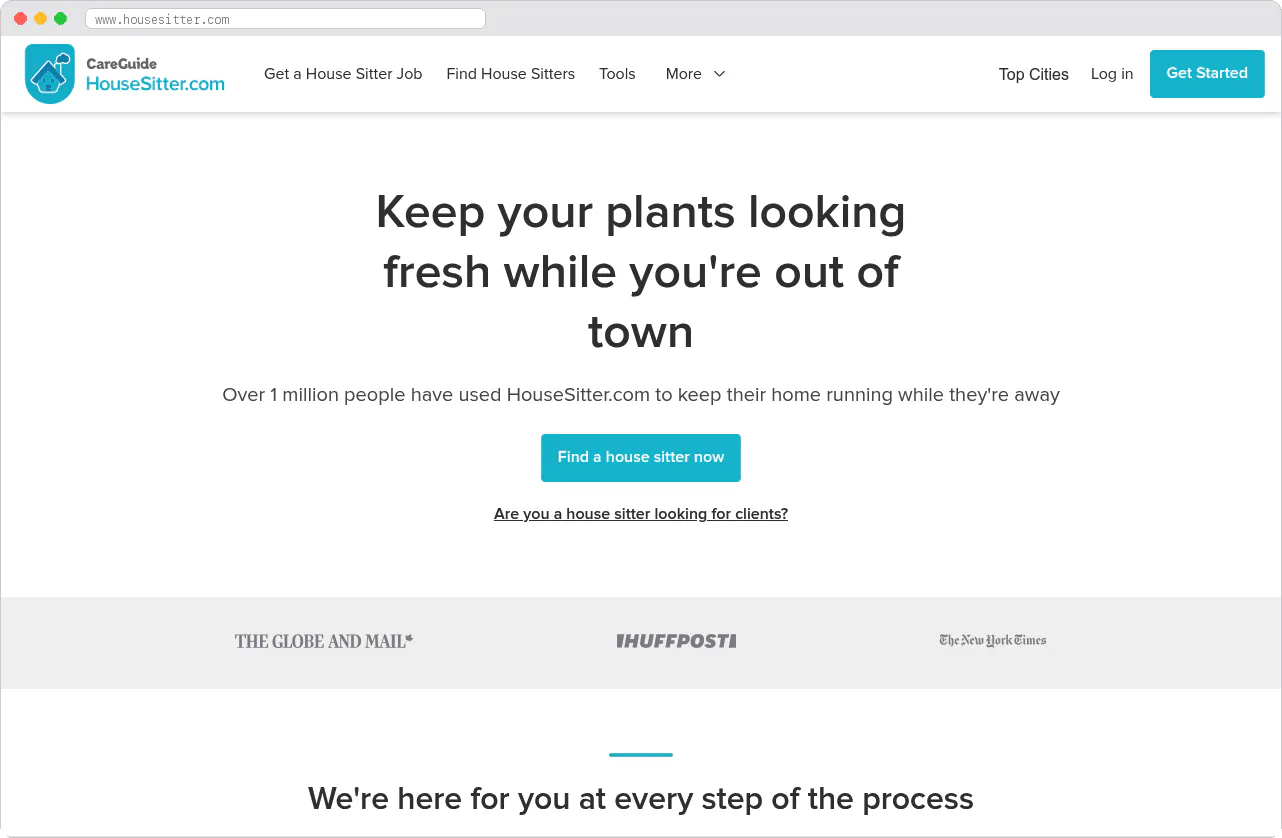
Housesitter.com operates as a membership-based platform connecting homeowners with experienced house sitters worldwide. Founded in 2000 by Andy Peck, the platform has grown to serve thousands of members across multiple countries, facilitating house sitting arrangements that benefit both property owners and travelers seeking free accommodation.
The platform addresses a fundamental challenge in modern life: homeowners need reliable care for their properties and pets during extended absences, while budget-conscious travelers seek affordable accommodation alternatives. Housesitter.com creates value by establishing trust between strangers through detailed profiles, reference systems, and community-driven accountability.
Unlike vacation rental platforms that focus on short-term stays, Housesitter.com specializes in longer-term arrangements where house sitters provide property maintenance, pet care, and security services in exchange for free accommodation. This model appeals particularly to retirees, digital nomads, and gap year travelers who prefer authentic local experiences over traditional hotels.
The platform has maintained steady growth by focusing on quality over quantity, emphasizing thorough vetting processes and building a community of repeat users who value the personal connections formed through house sitting exchanges.
How does a house sitting marketplace work?
A house sitting marketplace operates on mutual benefit rather than traditional payment transactions. Homeowners post listings describing their property, pets, and care requirements, while potential sitters browse opportunities that match their travel plans and experience level.
The homeowner side involves creating detailed property profiles that outline specific responsibilities, from basic security checks to complex pet care routines. Effective listings include comprehensive photos, clear expectations, and transparent communication about household rules. Homeowners typically review sitter applications, conduct video interviews, and select candidates based on experience, references, and personality fit.
For house sitters, the process begins with building credible profiles that showcase previous experience, provide character references, and demonstrate reliability. Successful sitters often include police background checks, detailed personal statements, and testimonials from previous sits. They search for opportunities based on location preferences, duration, and the types of responsibilities they're comfortable handling.
The matching process relies heavily on communication and trust-building. Both parties typically engage in extensive messaging or video calls before committing to arrangements. This personal connection differentiates house sitting from traditional accommodation bookings, creating relationships that often extend beyond single transactions.
Business model and revenue streams
Housesitter.com operates on a membership subscription model, charging annual fees for both homeowners and house sitters to access the platform's full functionality. Basic memberships typically cost around $50-100 annually, while premium tiers offer enhanced features like priority listing placement and advanced communication tools.
This subscription approach differs significantly from commission-based models used by vacation rental platforms. Since no money changes hands between homeowners and sitters, the platform cannot take transaction fees. Instead, it monetizes the matching service itself, creating predictable recurring revenue from active community members.
The membership model encourages serious participants and filters out casual users who might waste time on both sides. Paid subscriptions also enable the platform to invest in trust and safety features, customer support, and community building initiatives that enhance the overall user experience.
Some house sitting platforms supplement subscription revenue with premium services like background check facilitation, insurance products, or partnerships with travel-related businesses. However, the core value proposition remains connecting committed homeowners with reliable house sitters through a trusted community platform.
Essential features for a house sitting marketplace
Building a successful house sitting platform requires specific functionality that addresses the unique nature of these arrangements. Unlike traditional booking platforms, house sitting marketplaces must emphasize trust-building, detailed communication, and long-term relationship management.
Comprehensive user profiles and verification systems form the foundation of trust in house sitting arrangements. Homeowners need detailed sitter profiles including personal backgrounds, previous sitting experience, pet care skills, and lifestyle information. Photo galleries, written testimonials, and reference contacts help homeowners assess compatibility beyond basic qualifications.
Verification features might include identity confirmation, background check integration, and social media linking to provide additional credibility indicators. Some platforms integrate with third-party verification services or allow users to upload official documentation like police clearances or veterinary references.
Property listings with detailed care requirements enable homeowners to communicate expectations clearly. Effective listings include comprehensive property descriptions, pet profiles with specific care instructions, household maintenance tasks, and local area information. Photo galleries should showcase both the accommodation and the pets or plants requiring care.
Location mapping and neighborhood information help sitters understand the setting and access to amenities. Clear duration specifications, from weekend getaways to month-long arrangements, allow sitters to match opportunities with their travel plans.
Advanced search and matching capabilities help users find compatible arrangements efficiently. Sitters need to filter by location, duration, pet types, property characteristics, and care requirements. Homeowners should be able to search sitter profiles by experience level, availability windows, and specific skills like veterinary knowledge or gardening experience.
Smart matching algorithms can suggest compatible pairings based on previous successful arrangements, user preferences, and behavioral patterns. Geographic radius searches accommodate sitters with flexible location preferences while helping homeowners find local backup options.
Secure messaging and communication tools facilitate the extensive discussions necessary before house sitting commitments. Built-in messaging systems keep communications within the platform while providing conversation history and file sharing capabilities for care instructions, emergency contacts, and property access details.
Video call integration helps users build personal connections and conduct virtual property tours. Document sharing features allow secure transmission of house guides, emergency procedures, and local service provider contacts.
Reference and review systems build community trust through transparent feedback mechanisms. Unlike traditional service reviews, house sitting testimonials often focus on trustworthiness, communication quality, and care dedication rather than simple satisfaction ratings.
Two-way reference systems allow both homeowners and sitters to provide feedback, creating accountability on both sides. Historical reference tracking helps users build reputation over time and demonstrates commitment to the community.
Administrative and safety features support platform operations and user protection. Reporting tools enable community policing of inappropriate behavior or suspicious activity. Account verification workflows ensure profile authenticity while maintaining user privacy.
Dispute resolution systems help mediate conflicts over arrangements or property issues. Emergency contact databases and support channels provide assistance during active sits when issues arise.
Competitive landscape: House sitting alternatives
The house sitting market includes several established players, each with distinct positioning and target audiences. Understanding these competitors helps founders identify market opportunities and differentiation strategies.
TrustedHousesitters represents the market leader, operating globally with over 150,000 members across more than 130 countries. Founded in 2010, TrustedHousesitters has built the largest network through aggressive marketing and comprehensive trust features including ID verification, police checks, and 24/7 support.
Their platform emphasizes pet care, with the majority of listings involving dog or cat sitting responsibilities. TrustedHousesitters charges annual membership fees of approximately $119 for sitters and $99 for homeowners, positioning itself as a premium option with extensive global reach.
The platform's mobile app and user interface are highly polished, reflecting significant technology investment. However, some users report that the large membership base can make standing out difficult for new sitters, and the premium pricing excludes budget-conscious participants.
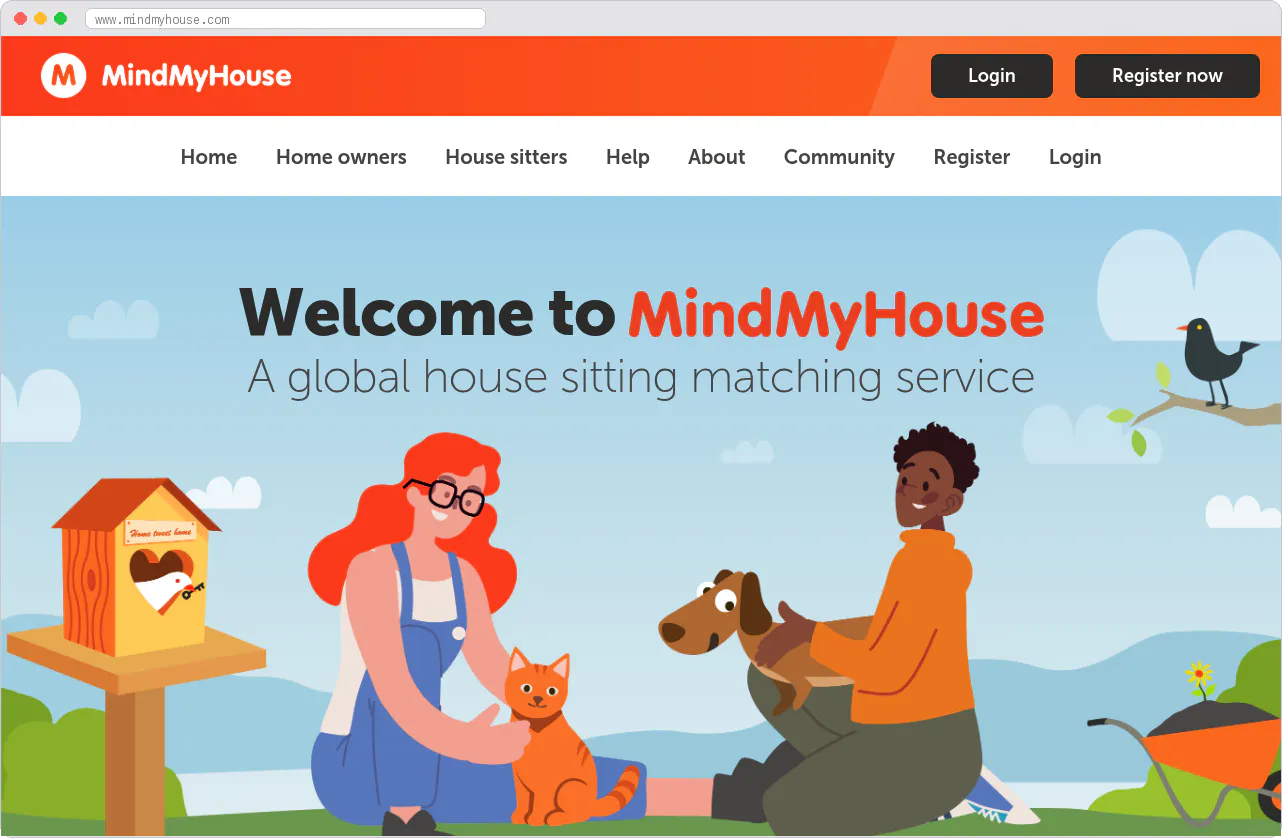
MindMyHouse targets budget-conscious users with lower membership fees, typically around $20 annually for sitters. Founded in 2005, it maintains a smaller but active community focused primarily on English-speaking countries.
The platform takes a simpler approach with basic profiles and messaging features, appealing to users who prefer straightforward functionality over advanced features. MindMyHouse listings often include longer-term arrangements and rural properties, attracting sitters interested in extended stays and unique locations.
While the lower costs increase accessibility, the smaller membership base limits options in many geographic areas. The basic platform lacks some trust features like integrated background checks, relying more on community self-policing.
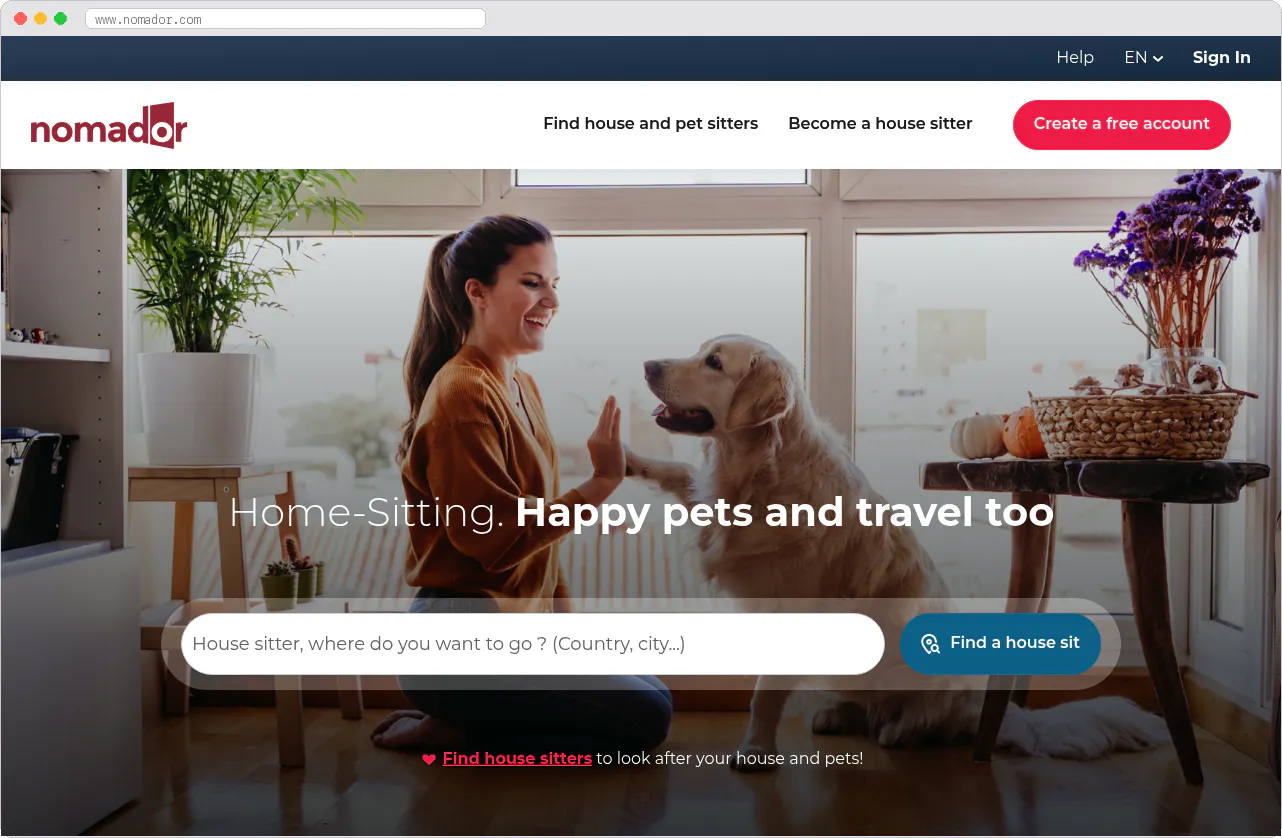
Nomador emphasizes cultural exchange and community building, positioning house sitting as part of broader travel experiences. Based in France but operating internationally, Nomador includes language exchange features and cultural immersion elements.
Their membership fees are competitive at around $89 annually, and the platform includes unique features like offline profile sharing and community forums for travel advice. Nomador attracts younger travelers and retirees interested in cultural exploration beyond simple accommodation.
The platform's European focus provides strong coverage in France, Spain, and other European markets where other platforms have less penetration. However, listings in other regions remain limited compared to larger competitors.
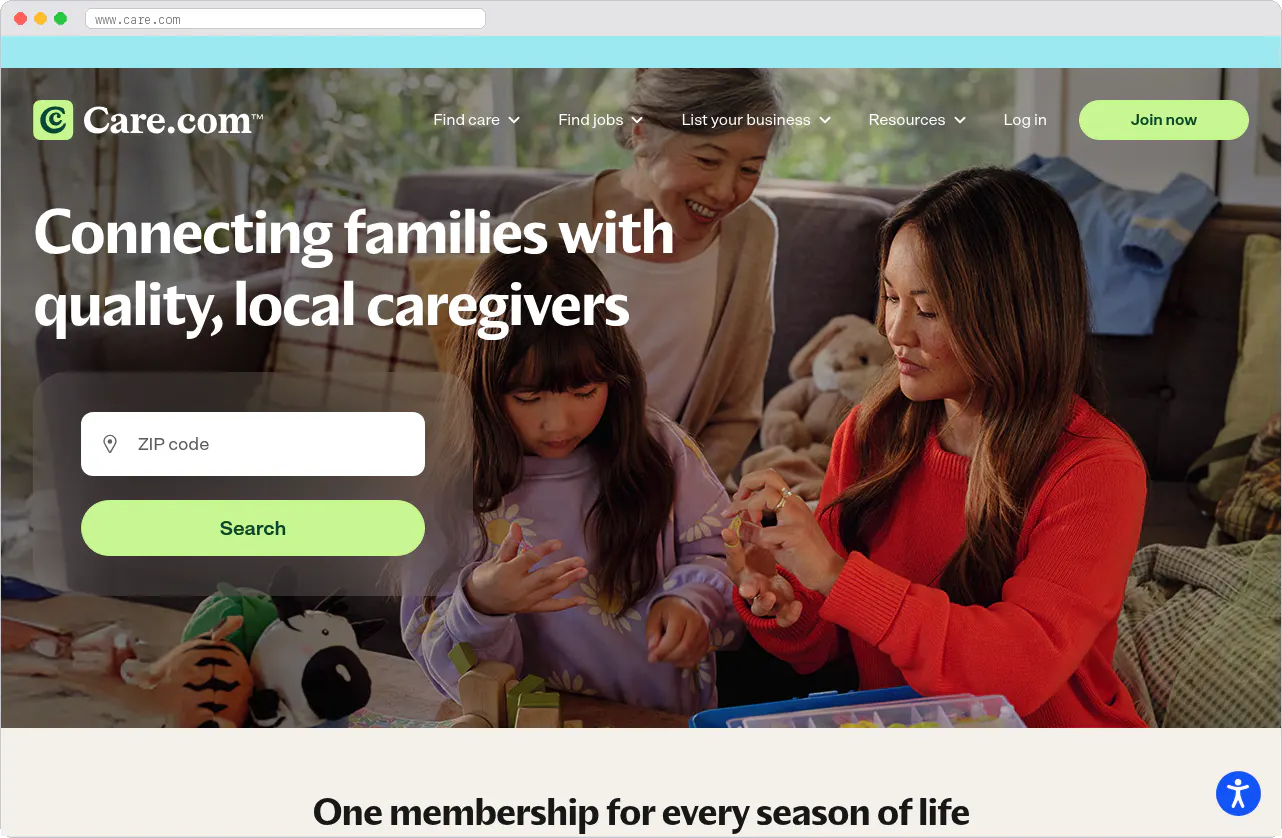
Care.com includes house sitting within a broader caregiving marketplace covering childcare, senior care, and pet services. This diversification provides access to a large user base but dilutes focus on house sitting-specific needs.
The platform's strength lies in its established brand recognition and comprehensive background check services. Professional caregivers on Care.com may offer house sitting as an additional service, providing homeowners with vetted, experienced candidates.
However, the broader marketplace focus means house sitting features may lack the specialization found on dedicated platforms. Pricing models also differ, with Care.com using subscription plus transaction fees rather than pure membership models.
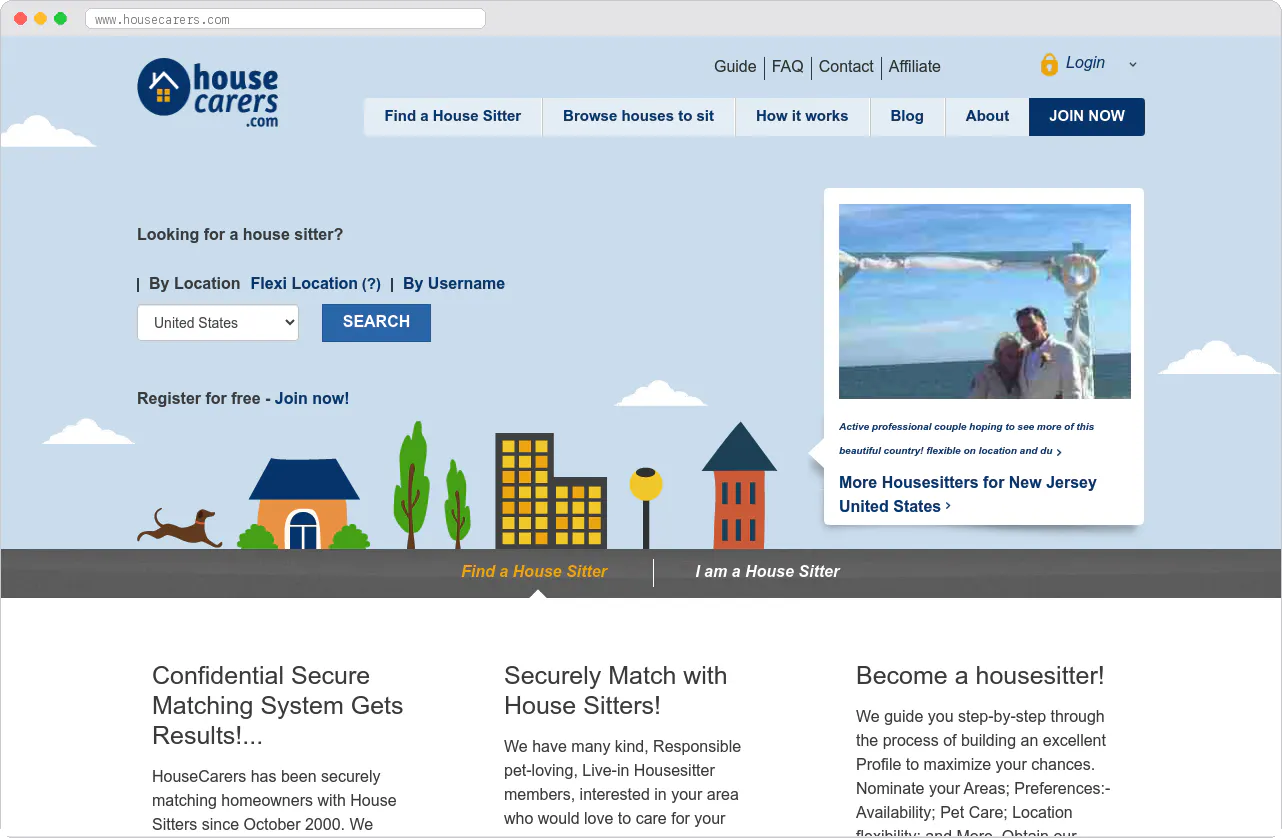
HouseCarers positions itself as a mid-market option with annual fees around $50 for sitters and $20 for homeowners. The platform emphasizes property maintenance and security over pet care, appealing to homeowners with valuable properties requiring skilled oversight.
Founded in 2000, HouseCarers has built a reputation among homeowners with luxury properties, boats, or complex maintenance requirements. The platform attracts experienced sitters with professional skills in areas like gardening, pool maintenance, or home security.
The specialized positioning limits market size but creates strong value propositions for specific user segments. However, the narrow focus may exclude casual pet sitters who comprise a large portion of the house sitting community.
Steps to build a house sitting marketplace
Creating a successful house sitting platform requires a systematic approach that prioritizes trust-building and community development over rapid scaling. The following steps reflect lessons learned from successful platforms and the unique challenges of facilitating arrangements between strangers.
Step 1: Validate your niche and value proposition
Begin by identifying specific gaps in existing house sitting platforms or underserved geographic markets. Conduct interviews with potential homeowners and sitters to understand their frustrations with current options and unmet needs.
Common pain points include limited local availability, inadequate trust mechanisms, poor communication tools, or pricing barriers. Some founders discover opportunities in specialized niches like luxury properties, organic farms, or senior-friendly arrangements that require specific expertise.
Validate demand through surveys, focus groups, and analysis of competitor user complaints. Create landing pages describing your proposed solution and measure signup interest before building any platform functionality.
Step 2: Choose your business model and pricing strategy
Membership subscriptions remain the dominant model for house sitting platforms, but variations exist in pricing structure and tier offerings. Consider whether to charge both sides equally, weight costs toward one user group, or create freemium models with premium upgrades.
Analyze competitor pricing and survey potential users about willingness to pay different amounts. Some platforms find success with lower sitter fees and higher homeowner costs, recognizing that property owners typically have more disposable income and higher stakes in finding quality sitters.
Consider additional revenue streams like background check facilitation, insurance partnerships, or premium listing features, but avoid compromising the core community value proposition.
Step 3: Build your minimum viable platform
Focus initial development on core trust and matching functionality rather than advanced features. Your MVP should enable users to create detailed profiles, post and browse listings, communicate securely, and provide references or reviews.
Prioritize mobile responsiveness since many house sitters browse opportunities while traveling. Implement basic search and filtering capabilities, but avoid over-engineering matching algorithms until you understand user behavior patterns.
Include essential safety features like user reporting, content moderation tools, and emergency contact systems from launch. These build confidence in early users and establish community standards that scale with growth.
Step 4: Seed initial supply and demand
House sitting marketplaces face classic chicken-and-egg challenges, but demand often proves easier to generate than quality supply. Start by recruiting experienced house sitters who can demonstrate platform value through successful early arrangements.
Reach experienced sitters through existing platforms, travel forums, or nomad communities. Offer free membership periods or premium features to attract high-quality early users who will create positive experiences for initial homeowners.
Simultaneously, identify homeowners in your target geographic area through pet owner groups, travel communities, or luxury property networks. Focus on users with immediate house sitting needs rather than those exploring options casually.
Step 5: Build trust and community culture
Invest heavily in trust-building features and community guidelines that differentiate your platform from casual classified ads. Develop comprehensive onboarding processes that educate users about house sitting best practices and platform expectations.
Create content resources covering topics like interview questions, handover procedures, emergency protocols, and communication etiquette. These resources position your platform as an expert guide rather than just a matching service.
Implement proactive customer support and conflict resolution procedures. Early intervention in disputes protects your platform's reputation and demonstrates commitment to user success.
Step 6: Iterate based on user feedback
Monitor user behavior closely and gather feedback through surveys, interviews, and usage analytics. Pay particular attention to conversion rates from browsing to applications, application-to-arrangement ratios, and repeat usage patterns.
Common iteration areas include search functionality improvements, profile optimization guidance, communication tool enhancements, and trust feature additions. Some platforms discover unexpected use cases like short-term pet sitting or property maintenance services that warrant feature additions.
Step 7: Scale geographically and refine operations
Expand gradually into new markets while maintaining service quality and community culture. Geographic expansion requires understanding local regulations, cultural differences, and competitive landscapes.
Develop standardized processes for content moderation, user support, and community management that scale with membership growth. Consider partnerships with local pet organizations, property management companies, or travel services to accelerate market entry.
Development approaches and costs
Building a house sitting marketplace involves several technical approaches, each with distinct cost implications and development timelines. The choice depends on your technical skills, budget constraints, and long-term platform vision.
Custom development from scratch
Building a house sitting platform from scratch requires significant development resources but offers maximum flexibility for unique features and user experiences. Custom development costs typically range from $50,000 to $100,000 for a comprehensive platform including web and mobile applications.
This approach makes sense for well-funded startups with specific technical requirements or innovative features that existing platforms don't support. Development timelines typically extend 6-12 months for initial launch versions.
Custom development provides complete control over user experience design, data architecture, and integration possibilities. However, the high upfront investment and extended timelines delay market validation and user feedback collection.
No-code marketplace builders
No-code platforms like Sharetribe enable rapid marketplace development without programming requirements. These tools include pre-built functionality for user profiles, listings, messaging, payments, and administrative controls.
Sharetribe specifically supports house sitting marketplaces through features like detailed user verification, messaging systems, and community management tools. The platform handles hosting, security updates, and infrastructure scaling automatically.
Costs for no-code solutions typically range from $79-399 monthly depending on feature requirements and user volumes. This approach enables launch within days or weeks rather than months, allowing rapid market validation and iteration.
While no-code platforms provide less customization than custom development, most include API access and custom coding capabilities for unique requirements. This hybrid approach balances speed-to-market with long-term flexibility.
Hybrid development approaches
Some founders combine no-code foundations with custom feature development, using platforms like Sharetribe as a base layer while adding specialized functionality through custom coding.
This approach works well for marketplaces with unique trust requirements, specialized matching algorithms, or integration needs that standard platforms don't address. Development costs typically range from $10,000 to $50,000 for custom additions.
Hybrid development enables faster initial launches while preserving options for differentiated features as the platform grows and user needs become clearer.
Essential features for house sitting platforms
Successful house sitting marketplaces require specific functionality that addresses the unique dynamics of these arrangements. Unlike traditional service marketplaces, house sitting platforms must emphasize relationship-building, detailed communication, and ongoing support throughout arrangements.
User verification and trust systems go beyond basic identity confirmation to include background checks, reference verification, and ongoing reputation management. Effective platforms integrate with third-party verification services while providing clear processes for users to build credibility over time.
Comprehensive profile systems allow users to showcase relevant experience, personality characteristics, and specific skills that matter for house sitting success. Photo galleries, written statements, and reference contact information help users make informed decisions about potential matches.
Advanced search and matching capabilities help users find compatible arrangements efficiently despite complex criteria involving location, timing, property types, and care requirements. Smart filtering systems and saved search notifications improve user experience while increasing successful matching rates.
Secure communication tools facilitate the extensive discussions necessary before house sitting commitments. Built-in messaging, file sharing, and video call integration keep communications within the platform while providing comprehensive conversation history.
Administrative and support features enable effective platform management and user assistance. Content moderation tools, dispute resolution systems, and emergency support channels maintain community standards and user safety.
How Sharetribe helps build house sitting marketplaces
Sharetribe's marketplace platform includes features specifically designed for house sitting and similar trust-based arrangements. The platform addresses key challenges like user verification, detailed profile creation, and secure communication that house sitting marketplaces require.
The built-in user profile system supports comprehensive sitter and homeowner profiles including photo galleries, detailed descriptions, and reference systems. Custom fields accommodate house sitting-specific information like pet experience, property maintenance skills, and availability calendars.
Sharetribe's messaging system provides secure communication channels with file sharing capabilities for care instructions and property information. The platform maintains conversation history and enables smooth handoff of information between users and support staff when needed.
Advanced search and filtering capabilities help users find compatible arrangements based on location, dates, property types, and specific care requirements. Saved searches and automated notifications keep users engaged with relevant new opportunities.
The platform handles membership subscription models through integrated payment processing, supporting the recurring revenue structures that house sitting platforms require. Administrative tools enable efficient user management, content moderation, and community oversight.
Most importantly, Sharetribe enables rapid launch and iteration cycles that house sitting marketplaces need to build trust and refine their value propositions based on real user feedback. The platform's scalability ensures that successful marketplaces can grow without rebuilding their technical foundation.
Next steps for aspiring founders
Building a successful house sitting marketplace requires focus on community development and trust-building rather than just technical platform creation. Start by deeply understanding your target users' needs and frustrations with existing solutions.
Validate your concept through direct user research and small-scale testing before investing heavily in platform development. Use rapid prototyping tools like Sharetribe to test ideas quickly and gather feedback from real users.
Prioritize trust and safety features from day one, as these differentiate successful platforms from simple classified ad sites. Invest in customer support and community management capabilities that scale with your user base.
Focus on specific geographic markets or user segments initially rather than attempting broad market coverage. Deep market penetration in focused areas creates stronger network effects and word-of-mouth growth than thin coverage across large regions.
Remember that house sitting platforms succeed through community development rather than transactional efficiency alone. Building lasting relationships between users creates sustainable competitive advantages that technology alone cannot provide.
Frequently asked questions
How much does it cost to build a house sitting marketplace like Housesitter.com?
Costs vary by approach: no-code platforms like Sharetribe cost $79-399/month, custom development ranges $50,000-200,000, and hybrid solutions fall between $10,000-50,000 for custom features on top of existing platforms.
What business model do house sitting platforms use?
Most house sitting platforms use membership subscription models, charging annual fees ($50-120) to both homeowners and sitters. This works better than commission models since no money exchanges hands between users.
How do house sitting marketplaces build trust between strangers?
Successful platforms use comprehensive user profiles, reference systems, identity verification, background check integration, detailed messaging history, and community-driven accountability through reviews and reputation tracking.
What features are essential for a house sitting platform?
Core features include detailed user profiles with verification, property listings with care requirements, secure messaging, reference and review systems, advanced search and filtering, and administrative tools for community management.
How do I compete with established house sitting platforms?
Focus on underserved niches (luxury properties, specific regions, cultural exchange), improve trust mechanisms, offer better user experience, target specific user segments, or provide specialized services that larger platforms don't address.
How long does it take to launch a house sitting marketplace?
Timeline depends on your approach: no-code platforms enable launch within 1-2 weeks, custom development takes 6-12 months, while hybrid approaches typically require 2-3 months including custom feature development.
Start your 14-day free trial
Create a marketplace today!
- Launch quickly, without coding
- Extend infinitely
- Scale to any size
No credit card required