How to build a website like Carousell: complete guide to C2C marketplace success
Learn how Carousell became Southeast Asia's largest C2C marketplace and how to build a similar platform. Covers business model, key features, development approaches, and costs with actionable steps for founders.
Published: Feb 26, 2026
Last updated: Mar 19, 2026
Carousell pioneered a new approach to how people buy and sell secondhand goods in Southeast Asia, growing from a university dorm room idea to a platform processing millions of transactions annually. The marketplace links individual sellers with buyers across categories from electronics to fashion, creating a trusted environment for consumer-to-consumer commerce.
Building a marketplace like Carousell requires understanding both the technical platform requirements and the unique challenges of facilitating transactions between individual users. This guide explores Carousell's business model, success factors, and provides a roadmap for creating your own C2C marketplace.
How does Carousell work?
Carousell operates as a consumer-to-consumer (C2C) marketplace where individual users can both buy and sell items. The platform's core function is connecting people who want to sell their unused belongings with those looking for affordable alternatives to buying new.
The basic transaction flow works like this: sellers create free listings by uploading photos and descriptions of items they want to sell. Buyers browse listings through search or category navigation, then contact sellers directly through the platform's chat system. Once they agree on terms, buyers and sellers arrange payment and delivery, often meeting in person for local transactions.
Carousell differentiates itself from classified sites like Craigslist through several key mechanisms. The platform includes user profiles with ratings and verification badges, creating accountability that pure classifieds lack. Built-in messaging keeps all communication on-platform, reducing fraud risk and enabling dispute resolution. The mobile-first design makes listing items as simple as taking photos with your phone.
The marketplace model creates network effects that benefit all users. More sellers mean more variety and competitive pricing for buyers. More buyers create demand that attracts additional sellers. This virtuous cycle helped Carousell achieve market leadership across multiple Southeast Asian countries.
Unlike product marketplaces that focus on new goods from retailers, Carousell's inventory comes entirely from individual users. This creates unique challenges around quality control, standardization, and trust-building that shape the platform's feature set and operational approach.
How does Carousell make money?
Carousell's revenue model has evolved considerably since its 2012 launch, moving from a completely free platform to multiple monetization streams that generate substantial revenue without alienating users.
The primary revenue source is Carousell Bump, a paid listing promotion feature. Sellers can pay small fees (typically $0.50 to $2.00 depending on the market) to boost their listings to the top of search results and category pages. This feature generated approximately 40% of Carousell's revenue as of 2023, according to company statements.
Carousell Pro represents the subscription tier, offering sellers enhanced features for monthly fees ranging from $4.99 to $19.99 depending on the market. Pro subscribers get unlimited bumps, advanced analytics, bulk listing tools, and priority customer support. This subscription model provides recurring revenue and typically accounts for 25-30% of total revenue.
Advertising revenue comes from banner ads, sponsored listings from businesses, and partnerships with brands wanting to reach Carousell's user base. The platform's detailed user data and engagement metrics make it attractive to advertisers targeting specific demographics or interests.
Carousell Pay, the platform's integrated payment system, generates transaction fees when users choose secure payment options instead of cash transactions. While adoption varies by market, transaction fees typically range from 2-3% of the sale value.
The company also earns revenue through Carousell Motors, a specialized section for vehicle sales that charges listing fees for car dealers and premium placement options. This vertical generates higher average revenue per user due to the higher value of automotive transactions.
By 2023, Carousell reported annual gross merchandise value (GMV) exceeding $1 billion across its markets, with the company taking an estimated 3-5% of that value through various fees and services. This diversified revenue approach allows the platform to remain attractive to casual sellers while monetizing power users and businesses.
What makes Carousell successful?
Carousell's success stems from solving fundamental problems in secondhand commerce while building strong network effects and trust mechanisms that competitors struggle to replicate.
The mobile-first approach proved critical in Southeast Asian markets where smartphone adoption exceeded desktop usage. Carousell's founders recognized early that people would want to sell items impulsively, seeing something in their closet and immediately listing it. The app's simple photo-upload-and-post flow captured this behavior perfectly, making it as easy to sell as posting on social media.
Geographic focus created competitive advantages that global platforms couldn't match. Rather than launching worldwide, Carousell concentrated on Singapore, then expanded methodically to Malaysia, the Philippines, Indonesia, and other Southeast Asian markets. This approach allowed deep localization, understanding local payment preferences, delivery options, and cultural factors that influence buying behavior.
Community building distinguishes Carousell from pure transaction platforms. The company invested heavily in offline events, seller education programs, and community features that make users feel part of something larger than just a marketplace. Carousell groups allow users to join communities around interests (vintage fashion, collectibles, gaming gear), creating social elements that increase engagement and retention.
Trust and safety infrastructure addresses the inherent challenges of peer-to-peer commerce. Carousell's verification system includes phone number verification, social media linking, and identity document uploads. The rating system is bidirectional, both buyers and sellers rate each other, creating accountability on both sides of transactions.
The platform's chat system includes built-in features for negotiating prices, sharing additional photos, and arranging meetups. Unlike email-based communication on classified sites, Carousell's messaging creates a smooth experience that keeps users engaged with the platform.
Carousell also succeeded by embracing the cultural aspects of bargaining and negotiation common in Asian markets. The platform's design encourages price discussions rather than treating them as friction, recognizing that many users enjoy the social aspect of dealmaking.
Key features of a Carousell-like marketplace
Building a successful C2C marketplace requires specific functionality that addresses the unique challenges of facilitating transactions between individual users.
User profiles and verification systems form the foundation of trust on peer-to-peer platforms. Complete profiles display user ratings, response times, listing history, and verification status. Multi-level verification might include phone numbers, email addresses, social media accounts, and government ID documents. Profile completeness indicators encourage users to add more information, building trust throughout the community.
Mobile-optimized listing creation must be effortless enough for casual sellers. The ideal flow allows users to photograph items, add basic details through quick-select options, and publish listings in under two minutes. Auto-categorization using image recognition can suggest appropriate categories and even pre-fill details like brand names or product specifications. Template-based descriptions help users create compelling listings without extensive writing.
Advanced search and filtering capabilities help buyers navigate large inventories of diverse items. Location-based search shows nearby listings first, important for items requiring local pickup. Price range filters, condition ratings, and seller ratings help buyers narrow results. Save searches and alert systems notify users when new items matching their criteria become available.
In-platform messaging systems facilitate negotiation while maintaining user privacy. Chat features should support photo sharing (for condition details), location sharing (for meetup arrangements), and quick response templates. Message threading keeps conversations organized, especially important for users managing multiple potential transactions simultaneously.
Payment integration and escrow services provide security for higher-value transactions. While many C2C sales happen via cash, integrated payment options reduce friction and enable remote transactions. Escrow services hold funds until delivery confirmation, protecting both parties. Multiple payment methods, credit cards, digital wallets, bank transfers, accommodate different user preferences.
Rating and review systems create accountability in anonymous marketplaces. Two-way rating systems where both buyers and sellers rate each other prevent gaming. Detailed review prompts help users provide useful feedback beyond star ratings. Public response options let users address negative reviews professionally.
Safety and moderation tools protect users from fraud and inappropriate content. Automated systems flag suspicious listings, duplicate accounts, and inappropriate content. Community reporting mechanisms let users alert moderators to problems. Clear policies on prohibited items and enforcement actions maintain marketplace quality.
Analytics and insights for sellers help power users optimize their success. Listing performance metrics show view counts, inquiry rates, and optimal posting times. Market insights reveal pricing trends and demand patterns for different categories. These features justify premium subscriptions while improving overall marketplace liquidity.
Competitors and alternatives
The C2C marketplace space includes several established players, each with different approaches to connecting individual buyers and sellers.
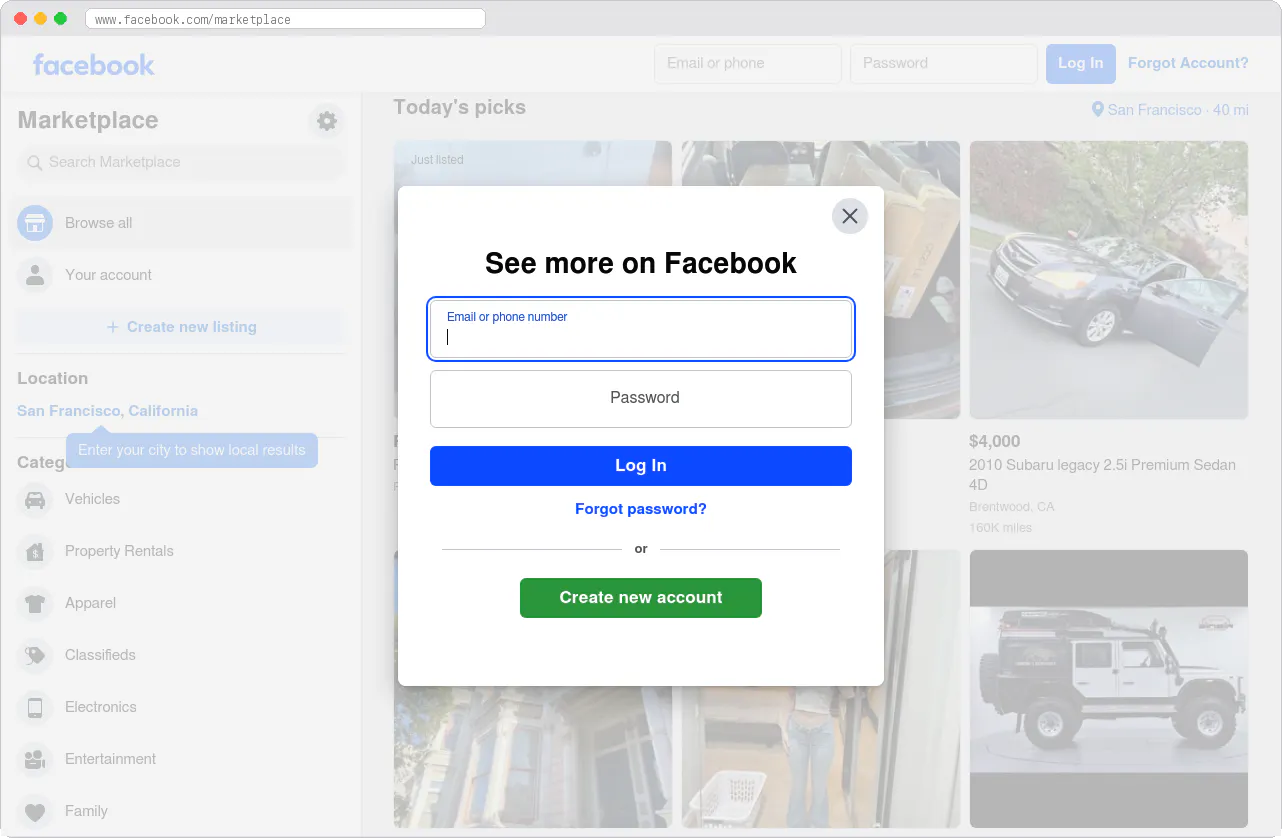
Facebook Marketplace represents Carousell's most formidable competition, using Facebook's massive user base and social connections. The platform benefits from built-in trust through mutual friends and established social profiles. However, Facebook Marketplace lacks specialized features for serious sellers and struggles with user experience issues stemming from its integration into the broader Facebook ecosystem. Many users find the interface cluttered and the search functionality limited compared to dedicated marketplaces.
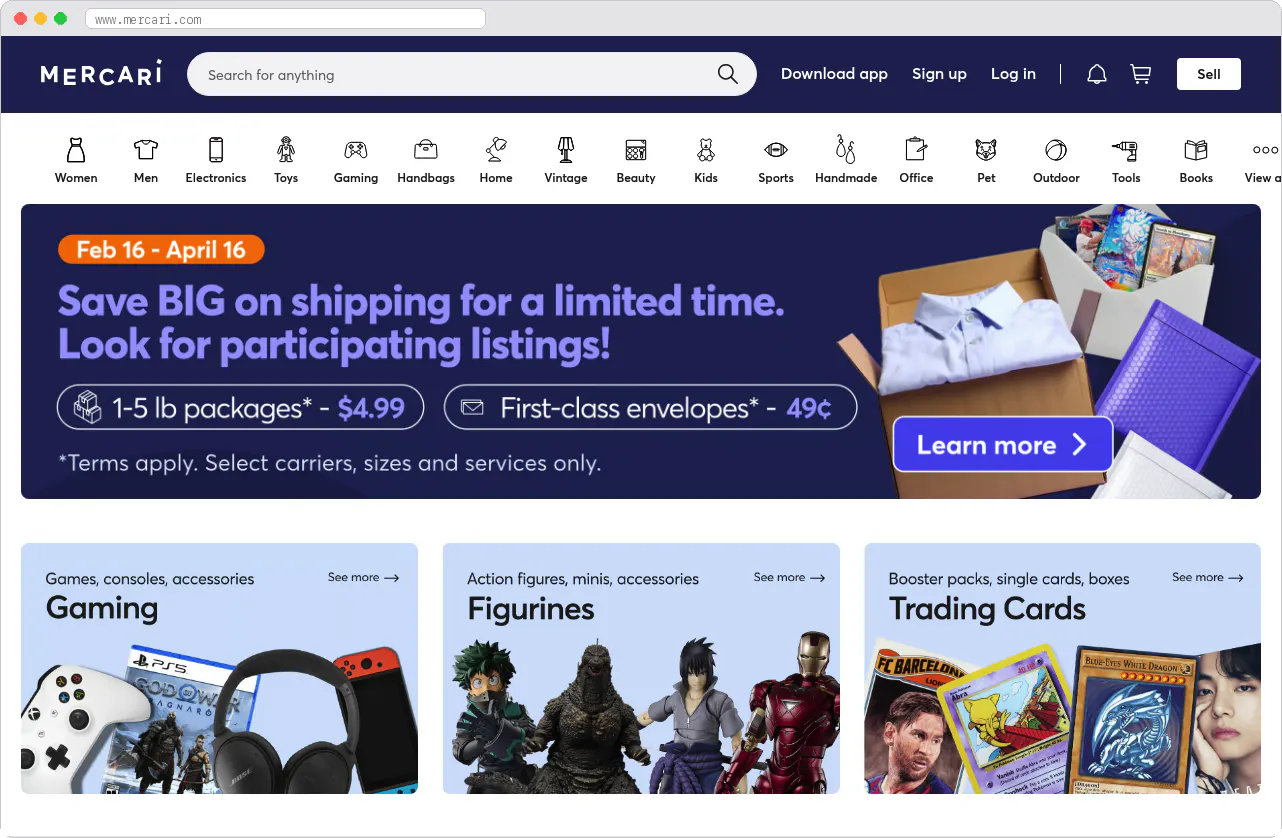
Mercari dominates the Japanese market and has expanded internationally with a focus on shipping-based transactions rather than local meetups. The platform excels at handling logistics and payment processing, making remote purchases smooth. Mercari's authentication services for luxury items and collectibles create additional trust for high-value categories. However, the shipping-centric model increases costs and reduces the spontaneous selling behavior that drives engagement on platforms like Carousell.
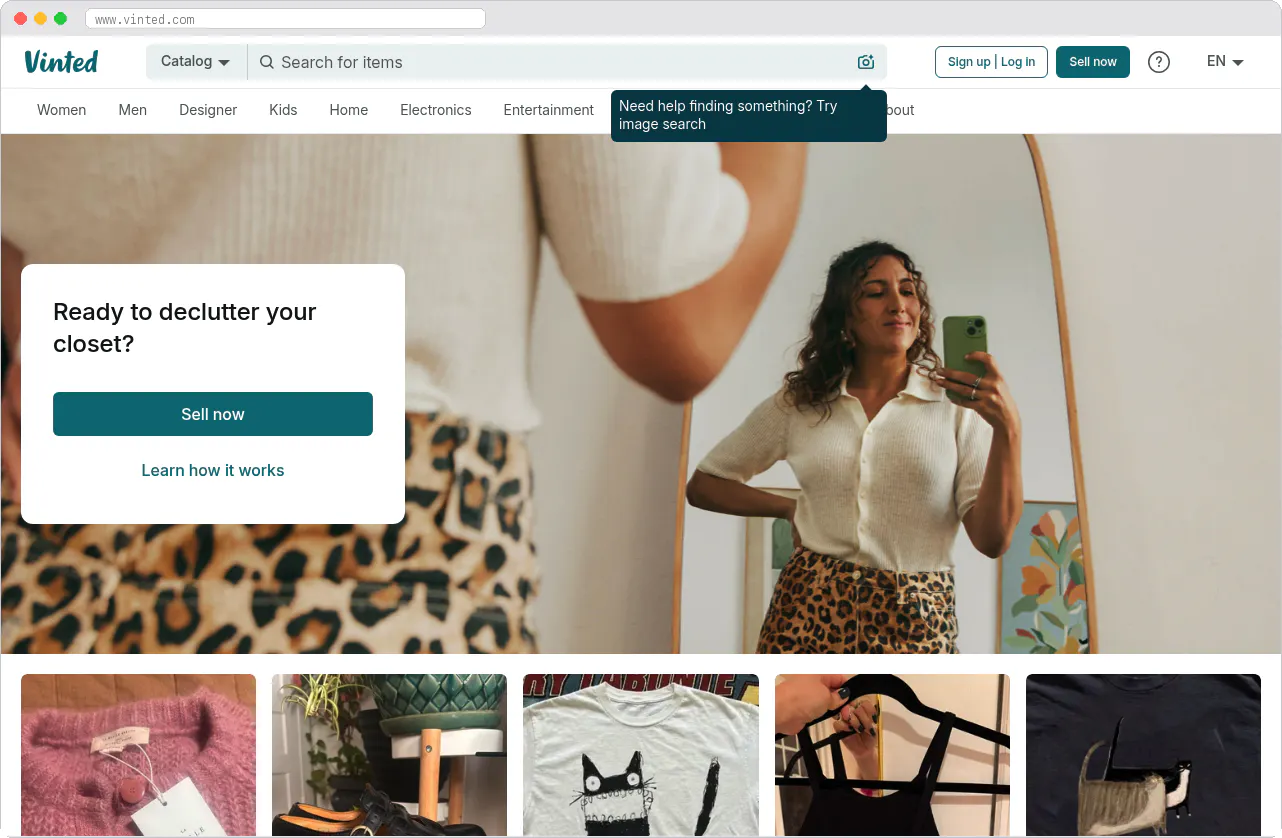
Vinted specializes exclusively in fashion and lifestyle items, creating a more curated experience than generalist marketplaces. The platform's focus allows for specialized features like size-based search, style recommendations, and fashion-specific quality indicators. Vinted's seller protection policies and integrated shipping labels simplify the selling process for clothing items. The narrow focus limits market size but creates stronger network effects within the fashion vertical.
OfferUp (now part of OfferUp) competed directly with Carousell in several markets before focusing primarily on North American users. The platform emphasized local transactions and safety features like in-app identity verification and public meetup locations. OfferUp's TruYou verification system and professional delivery services aimed to professionalize C2C commerce. However, the platform struggled to achieve the same network density as Carousell in Asian markets.
OLX operates globally with strong presence in emerging markets through a more basic classified ads model. The platform focuses on simplicity and low barriers to entry, requiring minimal user verification or platform engagement. While this approach enables rapid user acquisition, OLX marketplaces often suffer from lower transaction completion rates and more fraud compared to more smart platforms like Carousell.
Each competitor's approach reveals different strategies for balancing user acquisition, transaction success, and monetization in the challenging C2C marketplace space.
How to build a marketplace like Carousell
Creating a successful C2C marketplace requires careful attention to both technical implementation and business strategy, with particular focus on building trust and achieving network effects.
Start with market research and validation to understand your target audience's specific needs. Study local buying and selling behaviors, preferred communication methods, payment preferences, and cultural factors that influence trust. Conduct interviews with potential users to identify pain points in existing solutions. Test your core value proposition through simple landing pages or social media groups before building complex functionality.
Choose your initial geographic focus carefully rather than launching broadly. Successful C2C marketplaces need sufficient user density in specific locations to create meaningful inventory and buyer interest. Carousell's success came partly from dominating individual cities before expanding regionally. Consider factors like smartphone penetration, e-commerce adoption, existing competition, and local regulations when selecting your launch market.
Design your minimum viable platform (MVP) around core user flows rather than full feature sets. Essential functions include user registration, listing creation, search and browsing, messaging between users, and basic trust signals like user ratings. Prioritize mobile experience from day one, as most C2C transactions begin with users spontaneously deciding to sell items they encounter in daily life.
Implement strong onboarding and user education to help users succeed with their first transactions. Many C2C marketplace users have limited experience with online selling. Provide clear guidance on photography, pricing, description writing, and safe transaction practices. Consider gamification elements that reward users for completing profile setup, successful transactions, or community participation.
Build your initial supply base through targeted outreach and incentive programs. Identify potential sellers through social media groups, classified ad sites, or offline communities related to specific categories. Early adopters might include small business owners, collectors, or environmentally conscious individuals motivated by sustainability rather than just profit. Consider temporary incentive programs like free premium features or small cash bonuses for early listings.
Focus on transaction completion rates rather than just user acquisition. Many C2C platforms struggle with users who list items but don't follow through on sales, or buyers who inquire but don't purchase. Implement features that increase completion rates: automated reminders for unresponsive users, suggested response templates, meetup location recommendations, and feedback loops that help users improve their success rates.
Establish clear community guidelines and enforcement mechanisms from launch. C2C marketplaces attract users with varying levels of online experience and commercial intent. Clear policies on prohibited items, appropriate communication, and dispute resolution prevent problems from escalating. Consistent enforcement builds user confidence in the platform's reliability and safety.
Plan your monetization strategy for long-term sustainability without alienating early users. Most successful C2C platforms start free to build network effects, then introduce optional paid features that enhance rather than gate basic functionality. Consider which users generate the most value (frequent sellers, high-value transactions, business accounts) and design monetization around serving their needs better.
Prepare for scaling challenges that affect C2C platforms differently than other marketplace types. As user bases grow, moderation becomes exponentially more complex due to the variety of items and user behaviors. Technical infrastructure must handle image-heavy listings and real-time messaging at scale. Customer support needs grow as transaction disputes increase with volume.
Build partnerships and integrations that extend your platform's value without requiring internal development. Payment processor partnerships enable secure transactions. Logistics partnerships facilitate shipping for remote sales. Integration with social platforms can improve user onboarding and trust signals. Consider which partnerships align with your users' existing behaviors rather than requiring them to adopt new services.
Cost and development considerations
Building a marketplace like Carousell involves meaningful upfront investment and ongoing operational costs that vary greatly based on your technical approach and target scale.
Custom development from scratch provides maximum control but requires substantial resources. A basic C2C marketplace with core features typically costs $75,000 to $150,000 to build through professional development agencies. This includes user management, listing creation, search functionality, messaging systems, payment integration, and basic administrative tools. However, these estimates only cover initial launch functionality. Advanced features like machine learning recommendations, fraud detection, or advanced mobile apps can add $50,000 to $100,000 to development costs.
Ongoing technical costs for custom-built platforms include hosting ($500-$5,000 monthly depending on traffic), payment processing (2-3% of transaction volume), third-party services for features like image storage or push notifications ($200-$2,000 monthly), and developer salaries for maintenance and feature development ($60,000-$120,000 annually for experienced marketplace developers).
No-code and low-code solutions offer faster time-to-market with lower upfront costs. Professional No-code marketplace platforms typically cost $99-399 per month. These solutions can get a basic marketplace live within 2-4 weeks rather than 6-12 months for custom development.
The trade-off involves reduced customization flexibility and ongoing platform dependency. Most no-code solutions provide adequate functionality for validating marketplace concepts and serving early users, but may require migration to custom solutions as unique feature requirements emerge.
Hybrid approaches combine no-code foundations with custom development for specific features. This strategy allows rapid initial launch while preserving the ability to build competitive advantages through unique functionality. Initial costs typically range from $20,000 to $50,000, with the flexibility to invest in custom features as revenue grows.
Non-technical operational costs often exceed development expenses for successful marketplaces. Customer support for transaction disputes and user questions typically requires 1-2 full-time staff members per 10,000 active users. Content moderation for inappropriate listings and spam prevention requires either additional staff or third-party services costing $1,000-$5,000 monthly.
Marketing costs vary enormously based on competitive landscape and growth targets. User acquisition costs for C2C marketplaces typically range from $5-$25 per registered user, but achieving sufficient network density often requires sustained marketing investment of $50,000-$200,000 in the first year.
Legal and compliance costs include terms of service development, privacy policy creation, and ongoing regulatory compliance. Markets with strong consumer protection laws may require additional legal review and compliance measures costing $10,000-$30,000 annually.
Revenue timeline considerations affect funding requirements notably. Most C2C marketplaces operate at a loss for 12-24 months while building user base and network effects. Break-even typically requires 50,000-100,000 active users with consistent transaction volume, depending on monetization strategy and operational efficiency.
Total investment for achieving meaningful traction in a competitive C2C marketplace typically ranges from $200,000 to $500,000 when including development, marketing, operations, and runway for reaching profitability. Success requires careful resource allocation between user acquisition and platform development while maintaining high service quality that builds long-term user loyalty.
Frequently asked questions
What is the Carousell business model and how does it make money?
Carousell operates a freemium C2C marketplace model, making money through paid listing promotions (Carousell Bump), subscription tiers (Carousell Pro), advertising revenue, and transaction fees through Carousell Pay. The platform generates an estimated 3-5% of gross merchandise value through these combined revenue streams.
How much does it cost to build a marketplace like Carousell?
Building from scratch costs $200,000-500,000+ and takes 12-18 months. No-code marketplace platforms ($99-399/month) let you launch the core marketplace model in weeks for under $5,000 in the first year. You won't replicate every feature of a billion-dollar platform, but you can validate whether the business model works in your market.
What are the key features needed for a C2C marketplace like Carousell?
Must-have features include user profiles with verification, mobile-optimized listing creation, location-based search, in-platform messaging, payment integration, two-way rating systems, and safety moderation tools. Advanced features like analytics for sellers and automated fraud detection become important as the platform scales.
Who are Carousell's main competitors and how do they differ?
Main competitors include Facebook Marketplace (uses social connections), Mercari (shipping-focused with authentication), Vinted (fashion-specialized), and OLX (basic classified model). Each takes different approaches to trust, logistics, and user experience in the C2C space.
How long does it take to build and launch a marketplace like Carousell?
Timeline varies by development approach: 2-4 weeks for no-code solutions, 6-12 months for custom development. However, achieving meaningful user adoption and network effects typically requires 12-24 months regardless of technical approach.
What makes building a C2C marketplace different from other marketplace types?
C2C marketplaces face unique challenges including trust between strangers, quality control for diverse inventory, handling negotiations and meetups, and balancing casual sellers with power users. These factors require specialized features for verification, communication, and community building.
Start your 14-day free trial
Create a marketplace today!
- Launch quickly, without coding
- Extend infinitely
- Scale to any size
No credit card required