How to build a website like OLX
OLX's local classifieds model has created billions in transactions globally. This guide shows you how to build a similar marketplace platform, from essential features to launching your first version in weeks, not months.
Published: Aug 9, 2024
Last updated: Mar 19, 2026
What is OLX and how it transformed local commerce
OLX revolutionized local buying and selling by creating a digital version of newspaper classifieds that actually works. Founded in 2006 by Fabrice Grinda and Alec Oxenford, OLX operates in over 40 countries and facilitates millions of transactions monthly. The platform generates an estimated over $1 billion in gross merchandise value annually by connecting people who want to sell everything from smartphones to cars to furniture with buyers in their local area.
Unlike global marketplaces like Amazon or eBay that focus on new products or long-distance shipping, OLX thrives on hyperlocal transactions. A seller in Jakarta lists their motorcycle, and a buyer from the same neighborhood arranges to see it in person. This local focus eliminates shipping costs, reduces transaction friction, and builds trust through face-to-face interactions.
OLX's success stems from solving a fundamental problem that existed long before the internet: how do you efficiently connect people who have things to sell with people who want to buy them in the same geographic area? Traditional classified ads in newspapers were expensive, had limited reach, and offered no way to search or filter. OLX digitized this entire experience while keeping the best parts: local focus, direct seller-to-buyer communication, and cash transactions.
Today, OLX processes over 300 million monthly visits globally and hosts more than 200 million listings at any given time. The platform has become so integral to local commerce in markets like India, Brazil, and Eastern Europe that "OLX it" has become synonymous with "sell it online" in many regions.
How OLX works: The local classifieds marketplace model
OLX operates as a local classifieds marketplace where individuals and small businesses list items for sale to buyers in their geographic area. The platform facilitates discovery and initial contact, but transactions typically happen offline through cash payments and in-person pickup or delivery.
For sellers, the process starts with creating a free listing. They upload photos of their item, write a description, set a price, and specify their location. OLX's algorithm then shows this listing to buyers searching in the same area. Sellers receive inquiries through OLX's messaging system and negotiate price, pickup location, and payment method directly with buyers.
Buyers browse listings using location-based search and category filters. They can sort by price, upload date, or distance from their location. When they find something interesting, they contact the seller through OLX's chat system to ask questions, negotiate price, or arrange viewing. The actual transaction, payment and item exchange, typically happens in person.
This model creates value for both sides. Sellers get access to a large pool of local buyers without paying upfront listing fees. Buyers can find unique items, negotiate prices directly, and inspect products before purchasing. The local focus means no shipping delays or costs, and cash payments avoid online payment fees.
OLX's business model and revenue streams
OLX operates on a freemium revenue model combined with advertising income. The core listing service is free, which drives high user adoption and creates a large inventory of items. Revenue comes from several sources that don't interfere with the basic user experience.
Promoted listings generate the largest revenue stream. Sellers pay to boost their listings in search results, gaining more visibility and faster sales. A typical promoted listing costs $2-5 depending on the market and category. High-value categories like cars and real estate generate more promotion revenue than lower-value items like clothing or books.
Banner and display advertising from businesses targeting OLX's user base provides another revenue stream. Local car dealers, electronics stores, and service providers pay for prominent ad placement. This works because OLX users are actively looking to buy, making them high-intent customers for relevant advertisers.
Some markets also offer premium seller subscriptions for high-volume users like car dealers or real estate agents. These subscriptions include bulk listing capabilities, advanced analytics, and priority customer support. Professional sellers often find these features worth paying for because they process many more transactions than casual users.
The freemium model works particularly well for classifieds because it creates network effects. Free listings attract more sellers, which attracts more buyers, which makes promoted listings more valuable. The result is a self-reinforcing cycle where the marketplace becomes more valuable as it grows.
Essential features for a marketplace like OLX
Building a successful classifieds marketplace requires specific features that enable local discovery, safe communication, and trust between strangers. These features work together to create an environment where people feel comfortable buying from and selling to people they've never met.
Location-based search and filtering
Location functionality forms the backbone of any OLX-style marketplace. Users need to find items within a reasonable distance from their location, whether that's walking distance for small items or driving distance for cars and furniture. Effective location search includes map-based browsing, radius filtering, and neighborhood-level precision.
The search system must handle different location inputs gracefully. Some users will search by city name, others by ZIP code, and mobile users often rely on GPS location. The platform should also account for metro areas where buyers might travel 30 minutes for the right item versus rural areas where 30 minutes covers a much larger geographic area.
Category-specific filtering adds another layer of usability. Car listings need filters for make, model, year, mileage, and fuel type. Electronics need brand, model, and condition filters. Real estate listings require price range, property type, and bedroom count filters. These category-specific filters help buyers narrow down hundreds of listings to a manageable set.
User-generated listings with rich media
Listing creation needs to be simple enough for non-technical users while providing enough structure to make items discoverable. The listing flow should guide sellers to include essential information without creating friction that leads to abandoned listings.
Photo uploads are crucial for classifieds marketplaces. Research shows that listings with multiple high-quality photos sell faster and for higher prices than text-only listings. The platform should support multiple image uploads, automatic image compression for fast loading, and mobile-optimized photo capture since many users list items directly from their smartphones.
Description fields need to balance flexibility with structure. Free-form descriptions let sellers highlight unique aspects of their items, while structured fields ensure key information like price, condition, and specifications are consistently captured. Smart defaults and suggestions can help sellers create better listings without making the process cumbersome.
Secure messaging and communication
Direct communication between buyers and sellers drives most OLX transactions, but this communication needs to happen in a controlled environment that protects user privacy and enables platform moderation. Built-in messaging systems keep conversations on-platform while providing necessary safety features.
Anonymized contact prevents spam and harassment by hiding email addresses and phone numbers until users choose to share them. Message filtering can automatically flag potentially fraudulent communications or inappropriate content. Chat history provides a record of agreements that can help resolve disputes.
Mobile-optimized messaging becomes critical since many users browse and communicate primarily on smartphones. Push notifications for new messages, image sharing within chats, and quick reply options create a smooth communication experience that encourages successful transactions.
Trust and safety infrastructure
Classifieds marketplaces face unique safety challenges because they facilitate in-person meetings between strangers, often involving cash transactions. Robust trust and safety features help users transact confidently while giving the platform tools to identify and remove bad actors.
User verification systems establish baseline trust without creating barriers to entry. Phone number verification, email confirmation, and social media linking provide multiple ways to verify user identity while accommodating different user preferences and technical capabilities.
Rating and review systems let users build reputation over time. Both buyers and sellers can rate their experience, creating accountability and helping future users make informed decisions. However, review systems for classifieds work differently than e-commerce reviews because transactions are less frequent and often involve unique items.
Reporting and moderation tools help users flag suspicious listings, inappropriate behavior, or potential scams. Effective moderation combines automated filtering for obvious problems like duplicate listings or prohibited items with human review for nuanced issues that require judgment.
Mobile-first design and functionality
Mobile usage dominates OLX-style marketplaces in most regions. Users browse listings during commutes, take photos of items they want to sell throughout the day, and communicate with potential buyers or sellers from anywhere. This usage pattern demands mobile-optimized experiences, not just responsive web design.
Mobile listing creation should use smartphone capabilities like camera access, GPS location, and contact integration. Users should be able to photograph an item and create a complete listing in under two minutes. Auto-populated location data and category suggestions based on image recognition can streamline this process further.
Mobile browsing needs to accommodate both casual discovery and targeted searching. Swipeable photo galleries, one-thumb navigation, and fast-loading images create a smooth browsing experience. Location-aware features like "nearby listings" and "similar items in your area" help users discover relevant items without extensive searching.
Building your OLX-style marketplace: A step-by-step approach
Creating a successful classifieds marketplace requires more than just building the right features. The process involves validating your market, choosing the right scope, building iteratively, and growing both supply and demand simultaneously.
Step 1: Validate your local market opportunity
Successful classifieds marketplaces solve real problems for both buyers and sellers in specific geographic markets. Before building anything, validate that your target market has sufficient demand for a local marketplace and that existing solutions leave room for improvement.
Start by researching your local classifieds landscape. What platforms do people currently use to buy and sell locally? How well do these platforms serve different user groups and product categories? Facebook Marketplace might dominate in suburban areas while Craigslist remains strong in urban markets. Understanding these dynamics helps identify opportunities for differentiation.
Talk to potential users about their current buying and selling experiences. What friction do they encounter? How do they discover items to buy? What stops them from selling more frequently? These conversations reveal pain points that your platform could address better than existing solutions.
Analyze search volume and online behavior in your target market. Google Trends data for terms like "buy used cars [city name]" or "sell furniture [city name]" indicates local demand. Social media groups dedicated to local buying and selling show engaged communities that might benefit from a dedicated platform.
Step 2: Choose your initial scope and differentiation
OLX succeeded by launching in multiple countries simultaneously, but most marketplace founders need to start smaller. Choose a specific geographic area and product focus that lets you build a strong user base before expanding.
Geographic focus should balance market size with competition intensity. A major metropolitan area offers more potential users but faces stronger competition from established platforms. A mid-sized city or suburban region might provide easier initial traction while still offering room for growth.
Category focus can provide another angle for differentiation. Instead of competing directly with general classifieds platforms, consider specializing in categories where existing platforms underperform. Luxury items, collectibles, or professional equipment often receive poor treatment on general platforms but can support specialized marketplaces.
Timing-based differentiation offers another approach. Platforms focused on urgent selling situations (moving sales, quick cash needs) or seasonal items (holiday decorations, summer equipment) can provide unique value propositions that justify using a new platform over established alternatives.
Step 3: Build your minimum viable marketplace
Your first version should include core functionality that enables successful transactions while avoiding feature creep that delays launch. The goal is learning from real users as quickly as possible, not building every possible feature.
Core listing functionality forms the foundation. Users need to create listings with photos, descriptions, prices, and location information. Search and filtering capabilities let buyers find relevant items. Basic messaging enables buyer-seller communication. These three functions enable transactions, making everything else secondary for initial launch.
User account management provides necessary infrastructure without adding complexity. Simple registration, profile pages, and listing management give users control over their marketplace presence. More advanced features like detailed seller profiles or transaction history can wait until after launch.
Trust and safety basics are non-negotiable even in early versions. User reporting, content moderation, and basic fraud prevention protect both users and platform reputation. These features prevent problems that could derail growth even if they don't directly drive initial adoption.
Step 4: Seed your marketplace with initial inventory
Empty marketplaces don't attract users, creating a chicken-and-egg problem that kills many marketplace startups. You need initial inventory to attract buyers, but sellers won't list items without existing buyer traffic. Breaking this cycle requires manual effort to bootstrap initial supply.
Manual content creation can provide initial inventory in key categories. Create listings for items you personally want to sell or ask friends and family to list items. This approach works better for some categories than others - electronics and furniture listings are easier to create authentically than specialized items like musical instruments or collectibles.
Partnership approaches can provide larger initial inventory. Local consignment shops, rental companies with end-of-life inventory, or estate sale companies might provide initial listings in exchange for reduced fees or promotional placement. These partnerships work because established businesses already have items to sell and understand online sales processes.
Cross-posting from other platforms can quickly build inventory if done transparently and legally. Some sellers list the same items on multiple platforms to maximize exposure. Building tools that make this cross-posting easier can attract sellers while building your initial inventory. However, ensure listings are legitimate and sellers actively manage their accounts on your platform.
Step 5: Launch to early users and iterate
Launching to a small group of early users provides real usage data while maintaining control over growth speed. Early users typically provide more detailed feedback and tolerate issues that would frustrate mainstream users.
Beta testing with invited users lets you observe real usage patterns and identify usability issues before public launch. Watch how users navigate listing creation, search for items, and communicate with each other. These observations reveal gaps between intended design and actual user behavior.
Local community engagement helps build initial awareness and credibility. Participate in local Facebook groups, neighborhood forums, and community events to introduce your platform. Position yourself as a local entrepreneur building something valuable for the community rather than a faceless tech company.
Feedback collection and rapid iteration separate successful marketplace launches from failed ones. Implement user feedback quickly and visibly to show early users that their input shapes the platform. This responsiveness builds loyalty and encourages word-of-mouth promotion that drives organic growth.
OLX competitors and alternative approaches
Understanding the competitive landscape helps identify opportunities for differentiation and reveals different approaches to solving local commerce problems. Each major competitor has strengths and weaknesses that inform strategy decisions for new marketplace founders.
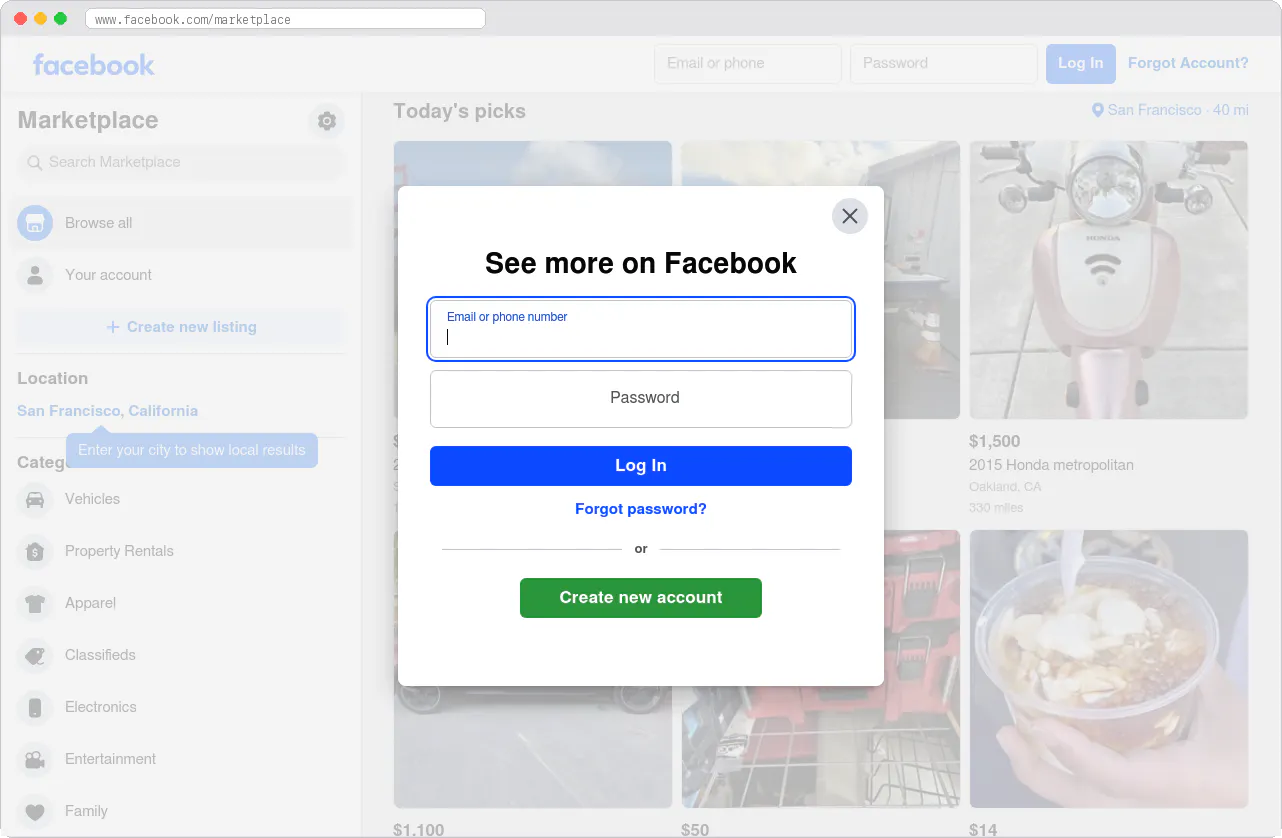
Facebook Marketplace uses social connections to build trust between buyers and sellers. Users can see mutual friends, view full profiles, and verify identity through established social media presence. This social layer reduces fraud risk and makes users more comfortable with in-person meetings. However, Facebook's general-purpose nature means marketplace functionality often gets lost among other features, and the algorithm-driven feed can bury relevant listings. Facebook also faces privacy concerns and platform dependency risks that independent marketplaces avoid.
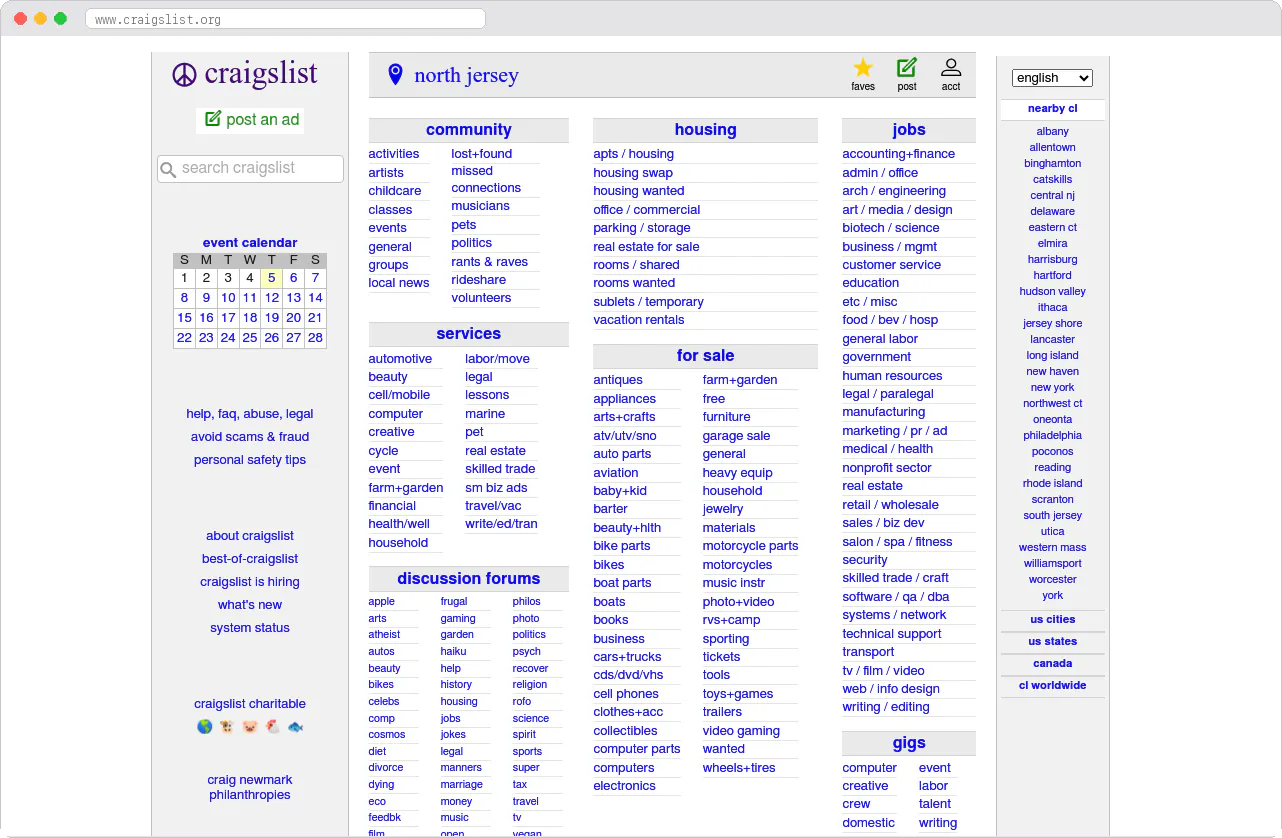
Craigslist maintains market leadership in many US cities through simplicity and established user habits. The minimal interface loads quickly, works on any device, and focuses entirely on classified functionality. Craigslist's text-based listings and basic category structure make searching efficient for users who know what they want. However, the platform's dated design, limited photo support, and lack of user verification create opportunities for more modern alternatives. Craigslist also generates significant spam and fraud issues due to minimal moderation.
OfferUp built a mobile-first platform optimized for smartphone usage patterns. The app emphasizes photo-based browsing, location awareness, and in-app messaging to create a streamlined buying and selling experience. OfferUp's "TruYou" verification system and seller ratings build trust without requiring extensive setup. The platform focuses primarily on the US market, creating opportunities in other regions. However, OfferUp's venture capital backing means pressure for rapid growth that sometimes conflicts with community building.
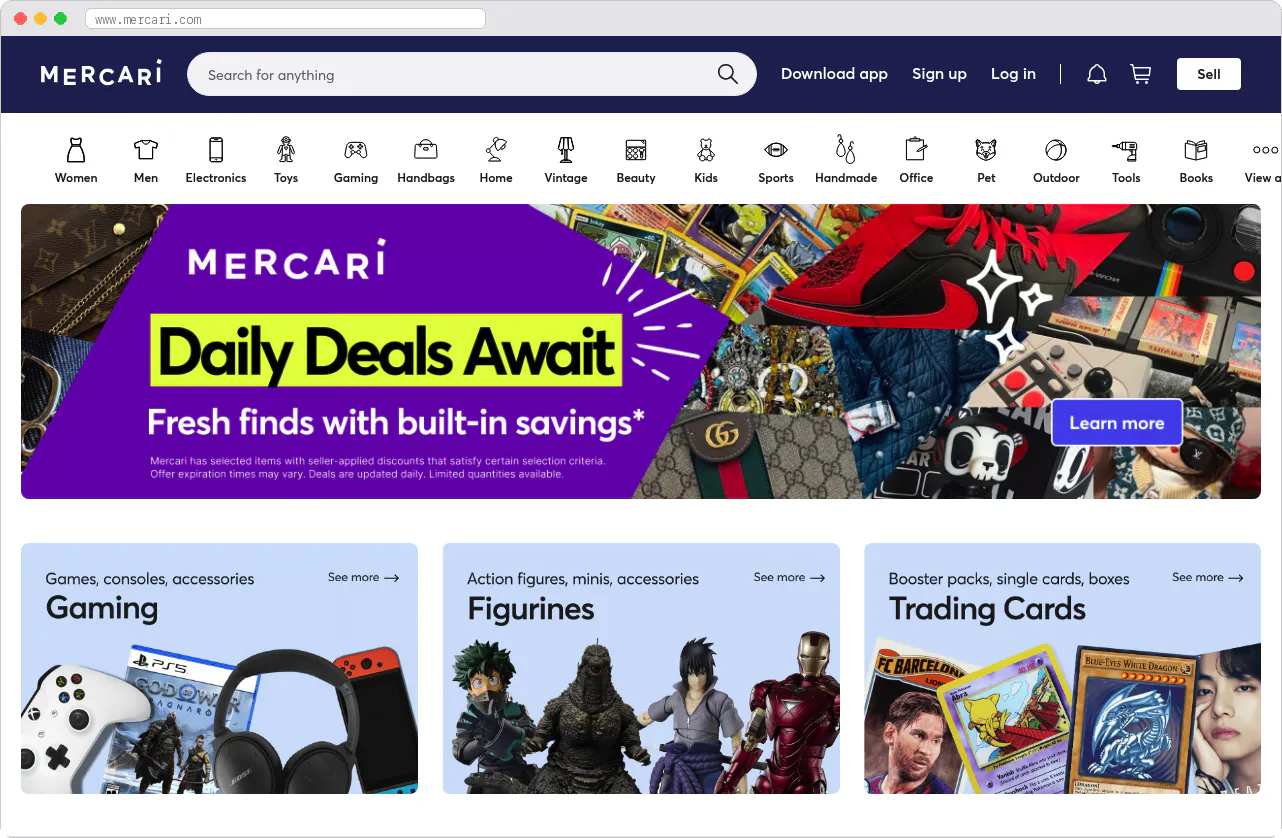
Mercari combines classifieds functionality with shipping integration to enable nationwide transactions. This hybrid approach expands the potential buyer pool for sellers while maintaining marketplace commission revenue that pure classifieds platforms miss. Mercari's authentication services for luxury items and electronics reduce fraud risk for higher-value transactions. However, shipping integration adds complexity and costs that many casual sellers want to avoid.
Local Facebook Groups represent informal competition that many overlook. Community-specific buying and selling groups often have higher engagement and stronger local connections than formal platforms. These groups benefit from existing social relationships and community moderation. However, Facebook's algorithm changes, group management challenges, and lack of dedicated marketplace features create friction that purpose-built platforms can address.
Each competitor's approach reveals different strategic choices about user experience, business model, and market focus. New marketplace founders can learn from these examples while identifying underserved segments or geographic markets where different approaches might succeed.
Technology choices for building your classifieds marketplace
Building a marketplace like OLX requires technology decisions that balance development speed, feature requirements, and long-term scalability. The right choice depends on your technical skills, budget constraints, and timeline for launching to real users.
No-code marketplace platforms
Dedicated marketplace software offers the fastest path to launching a functional classifieds platform. These solutions include essential marketplace features out of the box while allowing customization for specific use cases and branding requirements.
Sharetribe provides comprehensive marketplace functionality specifically designed for platforms like OLX. The software includes location-based search, user profiles, listing management, messaging systems, and payment processing integration. You can launch a basic marketplace in days rather than months, then customize features and design as you learn from user feedback.
The no-code approach works particularly well for classifieds marketplaces because core functionality aligns closely with common marketplace patterns. Location search, category filtering, user communication, and listing management are standard features that don't require custom development. This alignment means you can focus on user acquisition and market validation rather than building basic functionality from scratch.
Scalability concerns often arise with no-code platforms, but modern solutions handle significant traffic and transaction volumes. Sharetribe powers marketplaces processing thousands of transactions monthly while maintaining fast performance and reliable uptime. The platform also supports custom development when unique features become necessary for competitive differentiation.
Custom development considerations
Custom development provides maximum flexibility but requires significant time and budget investments. Building marketplace functionality from scratch typically takes 6-12 months with experienced development teams and costs $30,000-$120,000 depending on feature complexity and team location.
Technical complexity goes beyond basic web development. Marketplace platforms require real-time messaging systems, location-based search optimization, image processing and storage, fraud detection capabilities, and mobile-responsive designs. These features require specialized knowledge that increases development time and costs.
Ongoing maintenance represents a hidden cost that many founders underestimate. Security updates, performance optimization, bug fixes, and feature additions require continuous development resources. A marketplace serving thousands of users typically needs at least one full-time developer for maintenance and improvements.
Custom development makes sense for founders with specific technical requirements that existing platforms can't accommodate, significant funding for extended development timelines, or strong technical teams capable of handling complex marketplace architecture. However, most founders benefit from starting with proven marketplace software and customizing as needed.
Hybrid approaches and future scalability
Many successful marketplaces start with no-code platforms and add custom features as they grow and identify specific competitive advantages. This hybrid approach balances speed to market with long-term flexibility.
API-based marketplace platforms like Sharetribe's developer tools enable this hybrid strategy. You launch quickly with standard features, then integrate custom functionality through APIs as business requirements evolve. This approach avoids the all-or-nothing choice between no-code simplicity and custom development flexibility.
Mobile app development often becomes necessary as marketplaces scale. While responsive web design works for initial launches, dedicated mobile apps provide better user experiences for frequent users. Platforms with API access make mobile app development more straightforward by providing backend functionality that mobile developers can integrate.
Third-party integrations become increasingly important as marketplaces grow. Payment processing, email marketing, customer support tools, and analytics platforms all require integration capabilities that no-code platforms should support. Evaluate potential platforms based on their integration ecosystems and API capabilities, not just initial feature sets.
Launching and growing your OLX-style marketplace
Successful marketplace launches require coordinated efforts to build both supply and demand while establishing trust and community around your platform. The order and timing of these activities can determine whether your marketplace achieves sustainable growth or stalls due to insufficient liquidity.
Building initial supply and demand
Marketplace liquidity - the likelihood that buyers find what they're looking for and sellers complete transactions - is the most critical success metric for classifieds platforms. Unlike e-commerce sites that can succeed with limited inventory, marketplaces need sufficient listings in relevant categories to attract and retain buyers.
Supply-first strategies typically work better for classifieds marketplaces. Sellers are more willing to list items on new platforms because they lose nothing by expanding their reach. Buyers, however, won't waste time browsing empty marketplaces. Focus initial efforts on building a core group of active sellers before major marketing to buyers.
Category density matters more than total listing count for early-stage marketplaces. Having 50 electronics listings provides better user experience than having 5 listings each in 10 different categories. Focus on building depth in a few popular categories rather than spreading thin across all possible product types.
Geographic concentration follows similar principles. Dense coverage of a small area works better than sparse coverage of a large region. Users care about finding items within reasonable travel distance, not total platform size. Build strong inventory in neighborhoods or cities where you can achieve meaningful density.
Marketing strategies for local marketplaces
Local marketplaces require different marketing approaches than global platforms. Community engagement, word-of-mouth promotion, and hyperlocal content perform better than broad digital advertising campaigns.
Content marketing focused on local topics builds authority and search engine visibility. Create guides to buying and selling specific items in your market, neighborhood spotlights that highlight local commerce, and seasonal content aligned with local events and needs. This content attracts both buyers and sellers while establishing your platform as a local resource.
Social media engagement in local communities provides direct access to your target audience. Participate in neighborhood Facebook groups, local business organizations, and community events. Share helpful content and engage authentically rather than posting promotional messages that communities often reject.
Partnerships with local businesses create mutual value while building marketplace inventory. Consignment shops, repair services, and seasonal businesses often have excess inventory that works well for online marketplaces. These partnerships provide initial listings while building relationships in the local business community.
SEO strategy for local marketplaces should target location-specific keywords that potential users actually search for. "Buy used furniture Detroit" and "sell electronics Chicago" represent real search intent that can drive qualified traffic. Create landing pages optimized for these local search terms while ensuring listings themselves contain relevant location information.
Building trust and community
Trust between strangers is fundamental to classifieds marketplace success. Users must feel comfortable meeting people they've never met and exchanging cash for items they've only seen in photos. Building this trust requires multiple overlapping systems and consistent community management.
User verification systems provide baseline credibility without creating barriers to entry. Phone number verification, social media linking, and email confirmation give users multiple ways to establish legitimate accounts. However, avoid verification requirements so stringent that they discourage casual users who represent significant portions of classifieds audiences.
Community guidelines and enforcement set expectations for acceptable behavior while providing recourse when problems occur. Clear rules about appropriate listings, communication standards, and transaction practices help users understand platform norms. Consistent enforcement demonstrates that these rules matter and builds confidence in platform safety.
Success stories and user testimonials showcase positive experiences while providing social proof for new users. Highlight successful transactions, helpful community members, and positive outcomes that result from platform usage. These stories build confidence while demonstrating the value your marketplace provides to real users.
Local meetup events and community building activities strengthen relationships between platform users while generating positive publicity. Organize swap meets, seasonal markets, or educational events that bring your online community together in person. These events build loyalty while creating content and networking opportunities that drive continued platform usage.
Costs and timeline for building an OLX-style marketplace
Understanding the financial requirements and time investment needed to launch a successful classifieds marketplace helps founders plan realistically and choose appropriate development approaches. Costs vary significantly based on feature complexity, development method, and growth timeline.
Development costs by approach
No-code marketplace platforms offer the most predictable and affordable development path. Sharetribe's subscription plans start at $39 monthly during development and $99/month for live marketplaces with up to 500 users. This covers hosting, maintenance, security updates, and core marketplace features. Custom design work typically adds $2,000-$10,000 depending on complexity, while additional features or integrations might cost $5,000-$20,000 if outsourced to developers.
Custom development costs vary dramatically based on team location, feature complexity, and development timeline. US-based development agencies typically charge $100-$200 hourly, while offshore teams might charge $25-$75 hourly. A basic OLX-style marketplace requires approximately 800-1,200 development hours, resulting in total costs between $20,000-$240,000 before ongoing maintenance expenses.
Hybrid approaches that start with no-code platforms and add custom features provide middle-ground cost structures. Initial launch costs match no-code platforms, while custom development costs accumulate gradually as specific features become necessary. This approach spreads costs over time while enabling faster initial launch and user feedback.
Ongoing operational expenses
Marketplace operations require several ongoing expenses beyond initial development costs. These recurring costs affect long-term profitability and should influence business model decisions from the beginning.
Hosting and infrastructure costs scale with user activity and data storage requirements. Cloud hosting typically costs $100-$1,000 monthly for marketplaces with thousands of active users, depending on traffic patterns and image storage requirements. CDN services for fast image loading add another $50-$200 monthly as usage grows.
Customer support becomes increasingly important as user bases grow. Many issues in classifieds marketplaces involve dispute resolution, technical support, and content moderation that require human judgment. Budget for part-time customer support once you exceed a few hundred active users, with full-time support needed for larger marketplaces.
Marketing expenses vary based on growth strategy and competition intensity. Content marketing and SEO require time investment more than cash, while paid advertising can consume significant budgets quickly. Many successful local marketplaces spend $1,000-$5,000 monthly on marketing once they achieve initial product-market fit.
Legal and compliance costs depend on market size and regulatory requirements. Basic terms of service and privacy policies might cost $1,000-$3,000 for legal review, while additional compliance requirements for payments, user data, or specific geographic markets can add significant ongoing expenses.
Timeline expectations for different approaches
No-code marketplace platforms enable launches within 2-4 weeks for basic functionality. This includes platform setup, basic customization, initial content creation, and user testing. Additional customization or feature development might extend timelines to 6-8 weeks, but core marketplace functionality can be live and accepting users quickly.
Custom development timelines typically range from 6-12 months for full marketplace functionality. This includes requirements gathering, design, development, testing, and deployment. Additional time for bug fixes, performance optimization, and feature refinements often extends timelines beyond initial estimates.
Growing to meaningful user bases and transaction volumes typically requires 6-18 months regardless of development approach. Building marketplace liquidity, establishing trust systems, and reaching sustainable growth rates depend more on market dynamics and execution than technology choices.
Revenue generation timelines align with user growth rather than development timelines. Most classifieds marketplaces begin generating revenue through promoted listings and advertising once they have several hundred active listings and established user behavior patterns. This typically occurs 6-12 months after launch for successful platforms.
Conclusion: Building your local commerce platform
OLX's success demonstrates the massive opportunity in local commerce marketplaces, but it also shows that execution matters more than the idea. The platform succeeded by focusing on user experience, building trust systems, and maintaining local relevance across diverse global markets.
Your marketplace can capture similar opportunities by identifying underserved local markets, building core functionality quickly, and iterating based on real user feedback. The technology to build OLX-style platforms is readily available through no-code solutions like Sharetribe, removing technical barriers that previously limited marketplace creation to well-funded teams.
Success comes from understanding your local market, building trust between users, and creating value that existing platforms don't provide. Focus on serving your initial users exceptionally well rather than building every possible feature from the beginning. Marketplace liquidity and user satisfaction drive growth more effectively than additional features or sophisticated technology.
The local commerce market continues growing as more people become comfortable buying and selling online while preferring to avoid shipping costs and delays. Your marketplace can capture this growth by executing consistently on the basics: helping people find what they want to buy and helping sellers reach relevant buyers efficiently.
Start building your marketplace today to begin learning from real users and establishing your position in the local commerce ecosystem. The sooner you launch, the sooner you can start building the trust and liquidity that create successful marketplace businesses.
Frequently asked questions
How much does it cost to build a website like OLX?
Costs vary significantly by approach. No-code platforms like Sharetribe start at $99/month for live marketplaces, while custom development typically requires $30,000-$120,000 upfront plus ongoing maintenance costs.
What are the essential features needed for an OLX-style marketplace?
Core features include location-based search, user-generated listings with photos, secure messaging between buyers and sellers, category filtering, user profiles, and basic trust and safety systems like reporting and moderation.
How long does it take to launch a classifieds marketplace like OLX?
Using no-code platforms, you can launch in 2-4 weeks. Custom development typically takes 6-12 months. However, building meaningful user base and liquidity requires 6-18 months regardless of development approach.
How does OLX make money from free listings?
OLX uses a freemium model, generating revenue through promoted listings ($2-5 per boost), display advertising from local businesses, and premium seller subscriptions for high-volume users like car dealers.
What makes OLX different from Facebook Marketplace or Craigslist?
OLX focuses specifically on local classifieds with mobile-first design, built-in chat systems, and category-specific filtering. Unlike Facebook, it's commerce-focused, and unlike Craigslist, it offers modern user experience with rich photos and user verification.
Can I compete with established players like OLX in my local market?
Yes, by focusing on specific geographic areas, product categories, or user groups that existing platforms underserve. Many successful marketplaces start by dominating a niche before expanding to compete directly with larger platforms.
Start your 14-day free trial
Create a marketplace today!
- Launch quickly, without coding
- Extend infinitely
- Scale to any size
No credit card required