How to build a website like Wyzant
Wyzant connects students with tutors in 300+ subjects, earning $100M+ annually through commission fees. Learn how to build your own tutoring marketplace with essential features, business model insights, and development approaches.
Published: Mar 22, 2024
Last updated: Mar 19, 2026
Introduction: Why build a website like Wyzant
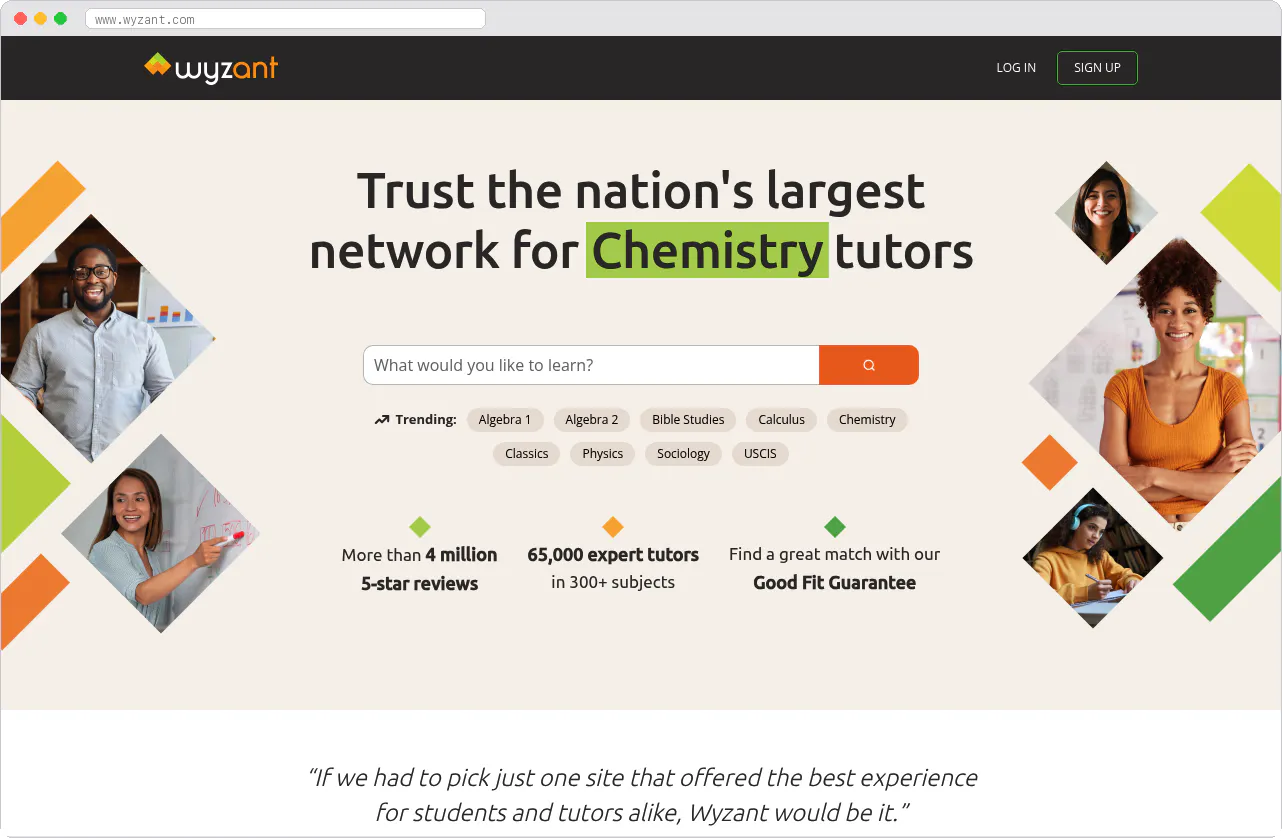
Wyzant has fundamentally transformed how people access personalized education. Founded in 2005 by Mike Weishuhn and Andrew Geant, the platform started as a simple way to connect college students with local tutors. Today, Wyzant is the largest tutoring marketplace in the United States, facilitating over 4 million tutoring sessions annually with more than 65,000 active tutors across 300+ subjects.
The company has raised over $21 million in funding and generates estimated annual revenue exceeding $100 million. What makes Wyzant particularly compelling for marketplace entrepreneurs is how it solved a fragmented market problem: students struggling to find qualified tutors, and skilled educators looking for flexible income opportunities.
Wyzant's success demonstrates the power of the tutoring marketplace model. Unlike traditional tutoring centers with fixed locations and limited subject coverage, online tutoring marketplaces can scale globally while offering personalized, one-on-one instruction. The COVID-19 pandemic accelerated this trend, with online tutoring growing 400% as students and parents sought academic support during remote learning.
Building a tutoring marketplace like Wyzant offers several advantages over other marketplace models. The service is highly valuable and often urgent (students need help before exams), leading to strong willingness to pay. Sessions are typically recurring, creating predictable revenue streams. And unlike physical marketplaces, tutoring can happen entirely online, eliminating geographical constraints.
How does Wyzant work?
Wyzant operates as a comprehensive tutoring marketplace that handles the entire transaction flow from discovery to payment. Students begin by browsing tutor profiles filtered by subject, location, availability, and price. Each tutor profile includes detailed information about their background, teaching experience, student reviews, and hourly rates, which typically range from $30 to $200 per hour depending on subject complexity and tutor credentials.
The platform's matching system goes beyond basic search functionality. Students can post specific tutoring requests describing their learning goals, timeline, and budget. Qualified tutors then submit proposals, allowing students to compare multiple options before making a decision. This reverse marketplace functionality helps students find specialized help for unique academic challenges.
Once a student selects a tutor, they can schedule sessions through Wyzant's integrated calendar system. The platform supports both in-person and online tutoring, with built-in video conferencing tools, digital whiteboard functionality, and file sharing capabilities for online sessions. Students pay through Wyzant's secure payment system, which processes payments automatically and handles all financial transactions.
Wyzant's business model centers on commission fees charged to tutors. The platform takes a percentage of each session fee, starting at 25% for new tutors and decreasing to as low as 5% for experienced tutors who have completed many hours through the platform. This sliding scale incentivizes tutors to build their reputation and client base on Wyzant rather than taking transactions offline.
The platform generates additional revenue through premium tutor memberships that provide enhanced profile visibility and marketing tools. Wyzant also offers institutional partnerships with schools and universities, providing white-label tutoring services that generate subscription-based revenue.
What makes Wyzant successful?
Wyzant's success stems from solving trust and discovery challenges inherent in educational services. Unlike buying a product, hiring a tutor requires significant trust since the quality of education directly impacts student outcomes. Wyzant addresses this through a comprehensive vetting system that verifies tutor credentials, educational backgrounds, and teaching experience.
The platform's two-way review system creates accountability for both tutors and students. After each session, both parties rate their experience and provide written feedback. This transparent reputation system helps students make informed decisions while encouraging tutors to maintain high service standards. Reviews are detailed and subject-specific, allowing prospective students to understand exactly what type of help they'll receive.
Wyzant's lesson space technology significantly differentiates it from competitors. The integrated online classroom includes video conferencing, screen sharing, a collaborative digital whiteboard, and document upload capabilities. Students and tutors can save their lesson materials, creating a persistent learning environment that students can reference between sessions. This technology stack eliminates the need for third-party tools and creates a smooth user experience.
The platform's subject breadth is another key success factor. While competitors often focus on core academic subjects, Wyzant covers over 300 topics ranging from elementary math to advanced professional certifications. This includes test preparation (SAT, GRE, MCAT), programming languages, musical instruments, and specialized skills like Adobe Creative Suite. This comprehensive coverage makes Wyzant the go-to platform for any learning need.
Wyzant's pricing transparency builds trust and reduces friction. All tutor rates are displayed upfront, and the platform clearly explains its fee structure. Students know exactly what they'll pay before booking sessions, eliminating price negotiation stress that often occurs with traditional tutoring arrangements.
Essential features for a tutoring marketplace like Wyzant
Building a successful tutoring marketplace requires specific functionality that addresses the unique needs of educational services. Unlike product marketplaces, tutoring platforms must support ongoing relationships, scheduling coordination, and learning outcome tracking.
Comprehensive tutor profiles and verification systems form the foundation of trust in educational marketplaces. Tutors need detailed profile pages showcasing their educational background, teaching experience, specializations, and teaching philosophy. Wyzant-style platforms require document verification for degrees and certifications, background check integration for tutors working with minors, and portfolio sections where tutors can display sample lessons or teaching materials.
Profile creation should include structured fields for education history, teaching experience, subject expertise levels, and availability preferences. Many successful tutoring marketplaces also allow tutors to upload introduction videos, which significantly increase booking rates by helping students assess personality fit and communication style.
Advanced search and matching capabilities enable students to find the right educational support quickly. Basic filtering by subject, price, and location must be supplemented with more sophisticated options like teaching style preferences, student age specializations, and specific exam preparation experience. The most effective tutoring marketplaces incorporate reverse matching functionality, where students post specific learning requests and qualified tutors respond with proposals.
Search results should display key decision-making information at a glance: tutor ratings, number of completed sessions, specialization badges, availability indicators, and quick preview of teaching approach. Students often need tutoring help urgently, so reducing the time from search to booking is critical for conversion rates.
Integrated scheduling and calendar management streamlines the booking process for both students and tutors. Unlike product purchases, tutoring requires coordinating availability between two parties, often for recurring appointments. Effective systems sync with popular calendar applications, send automated reminders, and handle rescheduling requests smoothly.
The scheduling system should accommodate different tutoring formats: one-time sessions, recurring weekly appointments, intensive exam preparation schedules, and emergency help requests. Some platforms allow students to book immediately available tutors for urgent questions, while others focus on longer-term learning relationships.
Secure payment processing with education-specific features handles the complex financial aspects of tutoring services. The platform must support delayed payments that protect students if sessions are cancelled or unsatisfactory. Many tutoring marketplaces offer package deals where students purchase multiple sessions upfront at discounted rates, requiring flexible payment structures.
Payment systems should handle partial refunds for cancelled sessions, proration for lessons that end early, and commission splits that vary based on tutor experience levels. Integration with popular payment methods and support for international transactions expands the potential user base significantly.
Real-time messaging and video conferencing tools enable effective communication before, during, and after tutoring sessions. Pre-session messaging allows students and tutors to discuss learning goals and prepare materials. During online sessions, integrated video calls with screen sharing and digital whiteboard functionality create an effective learning environment.
The communication system should maintain conversation history, allow file sharing for homework and resources, and support group messaging for small group tutoring sessions. Some platforms include AI-powered translation tools to serve international students or multilingual tutoring scenarios.
Comprehensive review and rating systems build trust and help students make informed tutoring decisions. Unlike product reviews, educational feedback needs to address multiple dimensions: subject knowledge, teaching effectiveness, communication skills, reliability, and ability to improve learning outcomes.
Review systems should encourage detailed feedback by prompting specific questions about the tutoring experience. The most useful reviews explain what the student learned, how the tutor adapted to their learning style, and whether they would recommend the tutor for similar learning challenges. Two-way reviews where tutors can also rate students help maintain platform quality and encourage respectful interactions.
Learning progress tracking and resource sharing add value beyond basic session facilitation. Students benefit from being able to track their improvement over time, access past lesson notes, and review shared resources. Tutors value tools that help them prepare lessons, track student progress, and demonstrate learning outcomes to justify their rates.
Progress tracking might include quiz scores, skill assessments, or goal achievement metrics depending on the subject matter. Resource libraries where tutors can share practice problems, reference materials, or custom content create additional value for students and differentiate the platform from competitors.
Wyzant competitors and alternatives
Understanding the competitive landscape helps founders identify market opportunities and positioning strategies. The tutoring marketplace space includes several established players with different approaches and strengths.
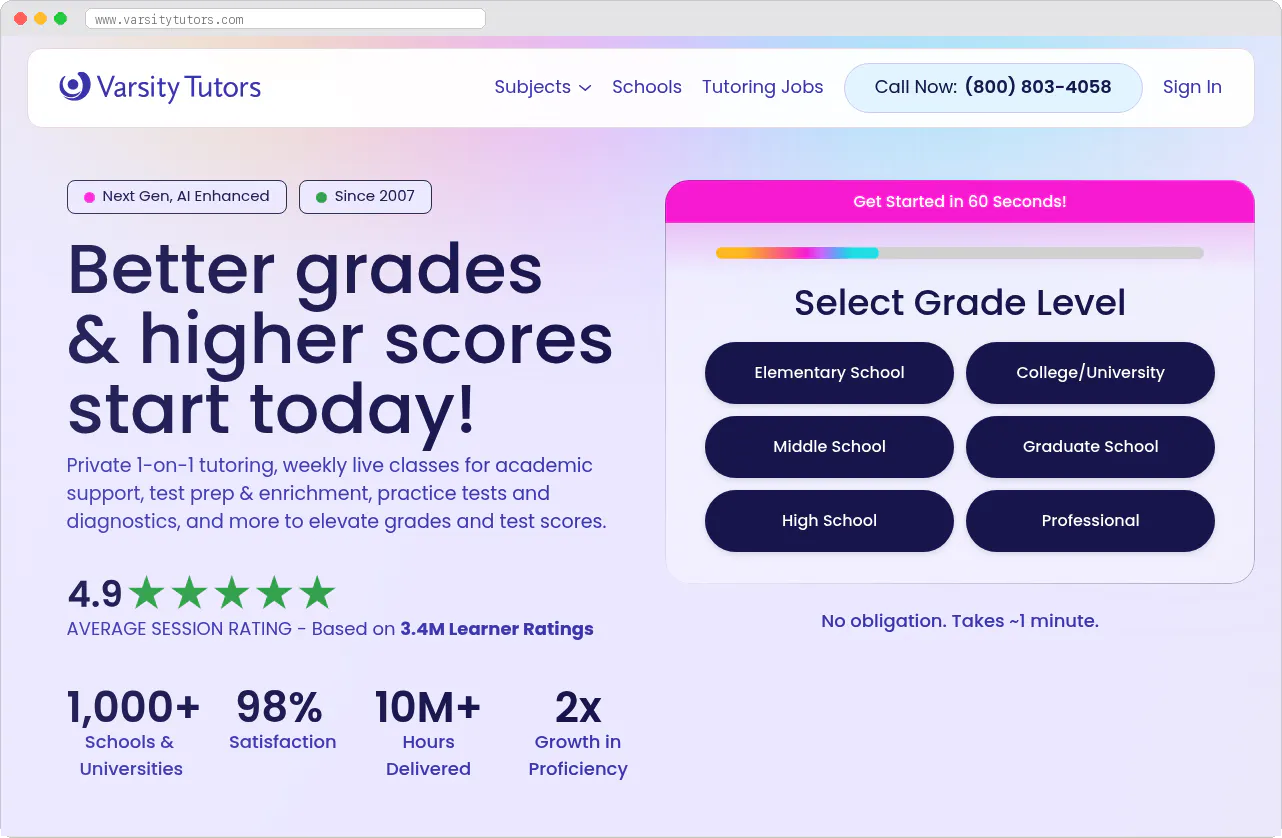
Varsity Tutors operates as Wyzant's primary competitor with a similar marketplace model but different positioning. Founded in 2007, Varsity Tutors has raised over $50 million in funding and serves more than 500,000 students annually. The platform emphasizes academic tutoring and test preparation, with particularly strong coverage of standardized tests like SAT, ACT, and GRE.
Unlike Wyzant's tutor-set pricing model, Varsity Tutors standardizes rates within subject categories, which can simplify decision-making for students but may limit earning potential for highly experienced tutors. The platform also offers small group classes in addition to one-on-one tutoring, creating a hybrid model that can be more affordable for students while increasing tutor earnings per hour.
Varsity Tutors invested heavily in proprietary assessment tools that help match students with appropriate tutors based on learning style and academic needs. Their mobile app receives consistently higher ratings than Wyzant's, indicating superior user experience design. However, their tutor application process is more selective, potentially limiting supply in specialized subjects.
Preply represents the international approach to tutoring marketplaces, focusing primarily on language learning but expanding into other subjects. Based in Europe with operations worldwide, Preply serves over 180,000 active students with tutors from more than 160 countries. This global reach allows students to learn languages from native speakers at competitive rates due to international cost differences.
Preply's strength lies in its sophisticated matching algorithm and lesson structure. The platform requires tutors to create structured lesson plans and provides standardized curriculum options, creating more consistent learning experiences. Their subscription-based model encourages longer-term learning relationships, with students purchasing lesson packages rather than paying per session.
The platform's weakness in the US market is limited coverage of academic subjects beyond languages and fewer tutors with US educational credentials. However, their technology infrastructure and international scaling experience make them a formidable competitor as they expand subject offerings.

Tutor.com takes a fundamentally different approach by employing tutors as contractors rather than operating a pure marketplace. Owned by The Princeton Review, the platform provides 24/7 on-demand tutoring in core academic subjects for students from elementary through college levels. Rather than selecting specific tutors, students are matched with available qualified instructors based on subject and skill level.
This model offers immediate availability, which is valuable for students needing urgent homework help. Tutor.com's institutional partnerships with libraries, schools, and universities provide students with free access, creating a large user base. The platform's quality control through employment relationships can ensure consistent service standards.
However, the lack of tutor choice and relationship continuity limits effectiveness for complex learning challenges that benefit from ongoing relationships. Pricing is typically higher than marketplace alternatives, and the employment model may attract fewer highly qualified tutors who prefer the flexibility and earning potential of independent contracting.
Chegg Tutors (now Chegg Study) integrates tutoring with a comprehensive academic support ecosystem including textbook solutions, study guides, and homework help. This integration creates powerful network effects where students using Chegg's other services naturally discover tutoring options.
Chegg's subscription model at $19.95 per month for unlimited tutoring sessions creates predictable revenue and removes price barriers for students needing regular help. The platform's strength in STEM subjects and integration with popular textbooks makes it particularly effective for college students in technical majors.
The subscription model's weakness is potential quality concerns when tutors earn fixed rates regardless of session length or outcomes. The unlimited model may also attract students seeking quick homework answers rather than deep learning, which can frustrate tutors seeking meaningful teaching opportunities.
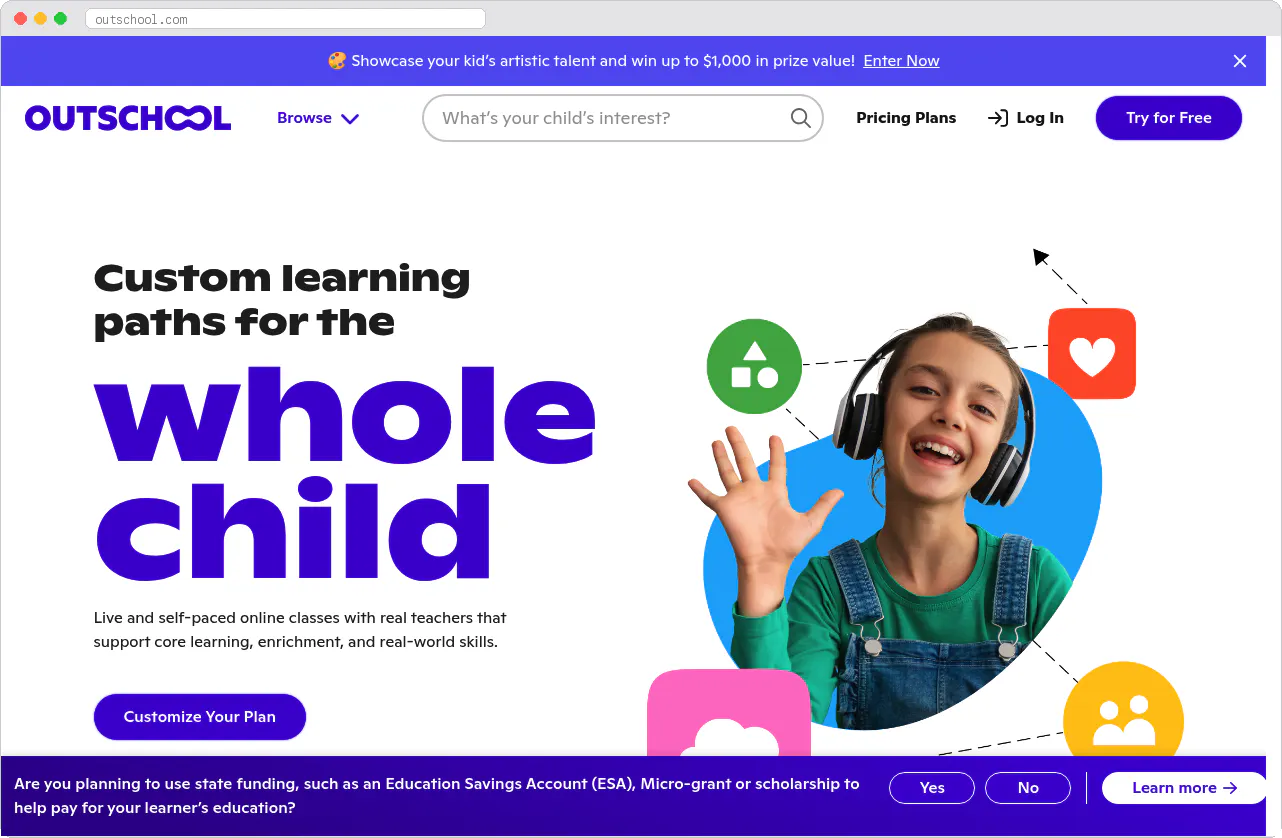
Outschool targets the K-12 market with small group classes rather than one-on-one tutoring. The platform offers over 100,000 classes covering both academic subjects and enrichment topics like art, coding, and life skills. Founded in 2015, Outschool raised over $100 million in funding and experienced significant growth during the COVID-19 pandemic.
Outschool's group model allows tutors to earn more per hour while providing students with peer interaction and lower per-student costs. The platform's strength in creative and non-traditional subjects appeals to homeschooling families and parents seeking enrichment activities. Their class variety and scheduling flexibility serve needs that traditional tutoring doesn't address.
Limitations include less personalized attention due to group formats and challenges serving students with specific learning difficulties who benefit from individual instruction. The platform's focus on K-12 also limits opportunities in test preparation and adult learning markets.
Steps to build a tutoring marketplace like Wyzant
Creating a successful tutoring marketplace requires systematic development focusing on marketplace liquidity challenges unique to educational services. Unlike product marketplaces, tutoring platforms must balance supply and demand while ensuring quality matches that lead to effective learning outcomes.
1. Define your niche and value proposition
Successful tutoring marketplaces often start with focused positioning rather than trying to compete directly with established generalist platforms. Consider specializing by subject area (STEM tutoring, language learning, test preparation), student demographics (adult learners, homeschool families, international students), or service format (group sessions, intensive bootcamps, corporate training).
An effective way to identify your niche is researching underserved segments in existing platforms. For example, Wyzant has limited coverage of specialized professional certifications, creative skills, or non-English tutoring. International students often struggle to find tutors who understand their educational systems and cultural contexts.
Your value proposition should address specific pain points that general platforms don't solve well. This might include better scheduling for working adults, specialized assessment tools for learning disabilities, or integration with specific educational software used in schools.
2. Research and validate your target market
Tutoring marketplace validation requires understanding both sides of your market: students seeking help and potential tutors. Student research should focus on their current methods for finding tutoring help, budget constraints, preferred learning formats, and decision-making criteria for selecting tutors.
Tutor research is equally important since supply quality determines marketplace success. Understanding tutor motivations, preferred working arrangements, income expectations, and current challenges with existing platforms helps design an attractive value proposition. Many tutors are frustrated with high commission rates on established platforms, creating opportunities for competitive positioning.
Validation methods include surveys of potential users, interviews with current tutors on existing platforms, and analysis of tutoring-related discussions in online communities. Facebook groups, Reddit communities, and local tutoring associations provide direct access to your target audience.
3. Build your minimum viable platform
A tutoring marketplace MVP should focus on core functionality that enables the first transactions while demonstrating your unique value proposition. Essential features include basic tutor profiles, student search capability, messaging system, and payment processing. Advanced features like video conferencing integration and progress tracking can be added after validating core marketplace dynamics.
The MVP should prioritize user experience over feature complexity. Students need to find and contact tutors easily, while tutors need simple profile creation and booking management tools. Clean, intuitive design builds trust essential for educational services where parents and students are entrusting their academic success to your platform.
Deployment speed is crucial for learning and iteration. Launching within 2-4 weeks allows rapid feedback collection and adjustment based on real user behavior rather than assumptions about market needs.
4. Recruit high-quality initial tutors
Tutor acquisition typically comes before student marketing since students expect immediate availability when searching for help. Start with tutors in your local area or specialized subject matter to create initial supply depth rather than breadth.
Effective tutor recruitment strategies include outreach to local universities where graduate students often tutor, professional associations in specialized fields, and existing tutors on platforms like Wyzant who might be interested in better commission rates or working conditions. Social media groups for educators and freelancers also provide access to potential tutors.
Quality over quantity is essential in early stages. A few excellent tutors who provide outstanding experiences and generate positive reviews are more valuable than many mediocre tutors who might damage your platform's reputation. Consider offering promotional rates or marketing support to attract high-caliber initial tutors.
5. Launch with targeted student acquisition
Student acquisition should focus on your specific niche rather than broad marketing. If specializing in test preparation, target students through SAT/ACT preparation forums, high school guidance counselors, and college admissions consultants. For adult learning, focus on professional development communities and career change forums.
Content marketing works particularly well for educational services. Blog posts about study strategies, subject-specific tips, and learning advice can attract students while demonstrating your platform's educational expertise. Search engine optimization for tutoring-related queries can provide ongoing student acquisition without continuous advertising costs.
Partnerships with complementary educational services can provide student referrals. Test preparation companies, learning centers, and educational consultants often encounter demand they can't serve directly, creating referral opportunities.
6. Optimize for marketplace liquidity
Tutoring marketplace success depends on maintaining the right balance between tutor availability and student demand. Too few tutors leads to poor selection and slow response times, while too many tutors without sufficient demand creates inactive accounts and platform abandonment.
Monitor key metrics including tutor response rates to student inquiries, time from student request to first session, and percentage of students who book repeat sessions. Low repeat booking rates often indicate poor tutor-student matching or service quality issues requiring platform adjustments.
Geographic concentration is often more effective than broad coverage in early stages. Students prefer local tutors for in-person sessions, and concentrated supply ensures quick response times and competitive selection within specific areas.
7. Implement trust and safety measures
Educational services require higher trust levels than typical marketplace transactions, especially when serving minors. Background check requirements, education verification, and reference checking create barriers to entry but are essential for platform credibility.
Dispute resolution procedures should account for educational service complexities. Unlike product returns, tutoring disputes often involve subjective assessments of teaching quality or learning progress. Clear policies about session cancellations, refunds, and quality complaints help manage these situations fairly.
Parent communication tools are crucial for K-12 tutoring platforms. Parents need visibility into their children's tutoring activities, progress updates, and direct communication channels with tutors for scheduling and feedback.
8. Scale through technology and partnerships
Growth requires systematic approaches to both supply and demand acquisition. Tutor referral programs where existing tutors earn bonuses for recruiting qualified colleagues can accelerate supply growth while maintaining quality standards through social connections.
Institutional partnerships with schools, libraries, and educational organizations provide access to large student populations. Many institutions seek supplemental tutoring services but lack resources to vet and manage individual tutors, creating opportunities for platform partnerships.
Technology investments should focus on features that improve marketplace efficiency: better matching algorithms, automated scheduling tools, and communication features that reduce coordination friction between tutors and students.
Development approaches and costs
Building a tutoring marketplace involves several development approaches with varying costs, timelines, and scalability implications. The right choice depends on your technical skills, budget constraints, and growth timeline.
Custom development from scratch provides maximum flexibility but requires significant investment. Hiring a development team to build a comprehensive tutoring platform typically costs $50,000 to $100,000 depending on feature complexity and team location. The development timeline usually extends 6-12 months for a production-ready platform with essential features.
Custom development makes sense when you need unique functionality that existing solutions can't support, have specific integration requirements with educational software, or plan to scale to millions of users. However, the high upfront costs and lengthy development time delay market entry and learning opportunities.
Outsourcing development to lower-cost regions can reduce expenses but often increases project management complexity and communication challenges. Educational software requires deep understanding of user workflows and trust requirements that may be difficult to convey to overseas development teams.
No-code marketplace builders like Sharetribe offer faster deployment with lower upfront costs. A comprehensive tutoring marketplace can launch within 2-4 weeks using no-code tools, allowing immediate market testing and revenue generation. Monthly subscription costs typically range from $79 to $399 depending on feature requirements and transaction volumes.
No-code solutions work well for testing marketplace concepts, serving niche markets, or building businesses with standard tutoring workflows. The main limitations involve customization constraints and potential scaling costs as transaction volumes grow. However, many successful tutoring marketplaces operate profitably within no-code platform capabilities.
Sharetribe specifically includes features valuable for tutoring marketplaces: user profiles with verification capabilities, messaging systems, calendar integration, and commission-based payment processing. The platform's developer-friendly architecture allows custom feature additions as business requirements evolve.
Hybrid approaches combine no-code foundations with custom development for unique features. This strategy allows rapid initial deployment while preserving flexibility for competitive differentiation. Starting with Sharetribe and adding custom video conferencing integration, specialized matching algorithms, or progress tracking tools provides the best of both approaches.
Hybrid development costs vary based on customization extent but typically range from $10,000 to $50,000 for significant feature additions. The development timeline extends 2-6 months depending on custom feature complexity, but the no-code foundation allows operation during custom development.
Open-source marketplace solutions like Spree Commerce or Mayocat provide middle-ground options between full custom development and no-code solutions. These platforms offer more customization flexibility than SaaS tools while reducing development time compared to building from scratch.
Open-source solutions require technical expertise for setup, customization, and ongoing maintenance. Hosting, security, and update management become your responsibility, adding operational complexity. Total costs including development, hosting, and maintenance often exceed no-code alternatives while providing fewer built-in marketplace features.
Why Sharetribe works for tutoring marketplaces
Sharetribe addresses the specific challenges tutoring marketplace founders face: rapid deployment, trust building, and transaction management complexity. The platform includes features designed for service-based marketplaces that handle the unique requirements of educational services.
Speed to market is crucial for tutoring marketplaces since seasonal demand patterns (back-to-school, exam periods) create time-sensitive opportunities. Sharetribe enables complete marketplace deployment in 1-2 weeks, allowing founders to capitalize on these demand cycles rather than missing opportunities during lengthy development periods.
The platform includes pre-built user interfaces following established marketplace design patterns that students and tutors recognize from other platforms. This familiarity reduces user onboarding friction and increases conversion rates compared to completely custom interfaces that require user education.
Trust infrastructure is built into Sharetribe's core functionality through user verification systems, secure messaging, and review management tools. The platform handles complex requirements like background check integration and document verification that are essential for educational services involving minors.
Payment security and compliance management eliminate significant technical and legal challenges for marketplace founders. Sharetribe's integration with Stripe Connect handles marketplace payment splitting, commission calculations, and regulatory compliance across different jurisdictions automatically.
Scalability without technical debt allows tutoring marketplaces to grow from initial validation through major scaling without platform limitations. Many no-code solutions work well for small marketplaces but require complete rebuilds as transaction volumes increase. Sharetribe's architecture scales to handle millions of transactions while maintaining performance.
The platform's developer-friendly design enables custom feature additions without losing the benefits of the no-code foundation. Tutoring marketplaces often need specialized features like integration with educational software, custom assessment tools, or unique matching algorithms that can be added through Sharetribe's flexible API.
Cost predictability helps tutoring marketplace founders manage cash flow during growth phases. Unlike custom development with unpredictable maintenance costs or per-transaction fees that increase with success, Sharetribe's transparent pricing allows accurate financial projections.
Transaction-based pricing aligns Sharetribe's costs with marketplace success, eliminating the risk of high fixed costs during slow periods. This alignment is particularly valuable for tutoring marketplaces with seasonal demand patterns or cyclical growth related to academic calendars.
Limitations include customization constraints compared to fully custom development and ongoing subscription costs that may eventually exceed custom development total cost of ownership for very large marketplaces. However, these trade-offs are generally favorable for founders prioritizing speed to market and focusing resources on business development rather than technical infrastructure.
The platform works particularly well for founders testing tutoring marketplace concepts, serving specialized educational niches, or building businesses where standard marketplace functionality meets most requirements. Founders with significant technical resources or completely unique feature requirements might prefer custom development approaches.
Frequently asked questions
How much does it cost to build a tutoring marketplace like Wyzant?
Costs vary by approach: no-code platforms like Sharetribe start at $99/month, custom development ranges $30,000-$90,000, and hybrid approaches cost $10,000-$50,000 for additional features. No-code offers the fastest time to market.
What features does a tutoring marketplace need?
Essential features include tutor profiles with verification, advanced search and matching, integrated scheduling, secure payments with commission handling, messaging systems, video conferencing tools, and two-way review systems for trust building.
How does Wyzant make money?
Wyzant uses a commission-based model, taking 5-25% of each tutoring session fee. Rates decrease as tutors complete more hours on the platform. They also earn from premium tutor memberships and institutional partnerships.
Who are Wyzant's main competitors?
Key competitors include Varsity Tutors (standardized pricing), Preply (language learning focus), Tutor.com (employed tutors), Chegg Study (subscription model), and Outschool (group classes for K-12 students).
How long does it take to build a tutoring marketplace?
Timeline depends on approach: no-code platforms enable launch in 1-2 weeks, hybrid development takes 2-6 months, and custom development requires 6-12 months for a production-ready platform.
What makes tutoring marketplaces different from other marketplaces?
Tutoring marketplaces require higher trust levels, ongoing relationships rather than one-time transactions, complex scheduling coordination, progress tracking, and specialized features like video conferencing and digital whiteboards.
Start your 14-day free trial
Create a marketplace today!
- Launch quickly, without coding
- Extend infinitely
- Scale to any size
No credit card required