How to build a website like Cambly
Cambly revolutionized online English tutoring by bringing together native speakers and learners worldwide through instant, on-demand video sessions. Learn how to build a similar language learning marketplace with the right features, business model, and growth strategy.
Published: Feb 25, 2026
Last updated: Mar 19, 2026
Cambly has redefined how people learn English by creating an on-demand marketplace that matches native English speakers with learners around the world. Founded in 2013 by Kevin Law and Sameer Shariff, two former Google engineers, Cambly addresses a fundamental problem: traditional language learning is expensive, inflexible, and often ineffective.
The platform grew from a simple idea, what if English practice could be as easy as ordering a ride or food delivery? Today, Cambly serves millions of students across 190+ countries and has facilitated over 100 million minutes of conversation practice. The company has raised over $60 million in funding and generates revenue primarily through subscription fees.
Building a marketplace like Cambly requires understanding both the technical infrastructure needed for smooth video communication and the business model that makes language learning accessible and profitable. This guide covers everything from Cambly's core mechanics to the practical steps for launching your own tutoring marketplace.
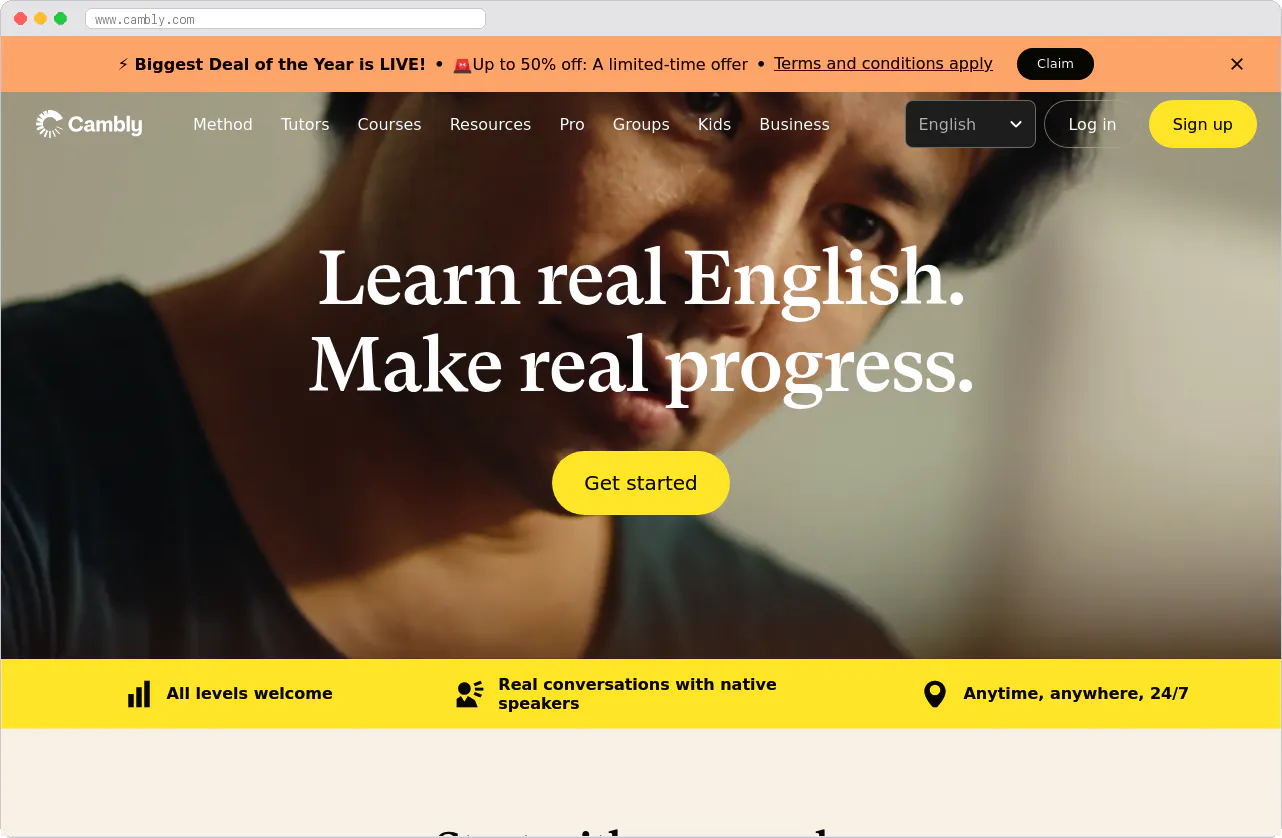
How does Cambly work?
Cambly operates as a two-sided marketplace that connects English learners (students) with native English speakers (tutors) through live video sessions. The platform's core value proposition is instant access, students can start practicing English within seconds of opening the app.
The student experience
Students purchase subscription plans that provide access to tutoring minutes. They can either schedule sessions in advance with specific tutors or use Cambly's "instant tutoring" feature to connect with available tutors immediately. The platform supports both structured lessons and casual conversation practice.
When students log in, they see available tutors along with their profiles, ratings, specializations, and current availability status. Students can filter tutors by criteria like accent (American, British, Australian), teaching style, or subject expertise (business English, IELTS preparation, casual conversation).
The tutor experience
Tutors create profiles highlighting their background, teaching experience, and specializations. They set their own schedules and can choose to accept instant calls or only pre-scheduled sessions. Cambly handles all payment processing, customer support, and technical infrastructure.
Tutors earn money based on their time online and engaged with students. The platform tracks session duration automatically and pays tutors weekly. Experienced tutors with high ratings can charge premium rates and build loyal followings of regular students.
Transaction flow and platform mechanics
The typical transaction flow works like this:
- Student purchases a subscription plan (monthly or longer)
- Student either books a specific tutor for a future time or requests instant tutoring
- System matches student with available tutor based on preferences and availability
- Video session begins through Cambly's built-in communication tools
- Platform tracks session duration and automatically debits minutes from student's account
- Both parties can rate each other after the session
- Tutor receives payment based on session duration and their hourly rate
Cambly's matching algorithm considers factors like student preferences, tutor availability, previous session history, and ratings to optimize connections. The platform also includes features like session recording (for student review), chat functionality during calls, and curriculum materials for structured learning.
How does Cambly make money?
Cambly generates revenue primarily through subscription fees paid by students, operating on a marketplace model where the platform takes a percentage of tutor earnings.
Subscription-based revenue model
Students purchase subscription plans that provide access to tutoring minutes. Cambly offers several tiers:
- Basic plans: Typically 30 minutes per week for around $60 per month
- Standard plans: Usually 60-90 minutes per week for $100-140 per month
- Unlimited plans: Unrestricted access for approximately $200+ per month
Pricing varies by market, with lower rates in developing countries to increase accessibility. The subscription model creates predictable recurring revenue and encourages regular platform usage.
Commission from tutor earnings
Cambly takes approximately 30-35% of tutor earnings as a platform fee. This covers payment processing, customer acquisition, technical infrastructure, and customer support. Tutors typically earn $10-12 per hour, while Cambly collects $3-4 per hour from each session.
This commission structure aligns incentives, Cambly only makes money when tutors are actively teaching, encouraging the platform to maintain high tutor engagement and student satisfaction.
Additional revenue streams
Beyond core tutoring, Cambly has expanded into adjacent revenue streams:
- Cambly Kids: A separate platform for children's English learning with specialized tutors and curriculum
- Group classes: Semi-structured group sessions that allow higher student-to-tutor ratios
- Corporate programs: B2B offerings for companies wanting to improve employees' English skills
- Curriculum and materials: Premium learning content and structured courses
Revenue scale and growth
While Cambly doesn't disclose exact revenue figures, industry estimates suggest the company generates $50-100 million in annual recurring revenue. The platform's growth has been fueled by increasing global demand for English learning and the shift toward remote education accelerated by the COVID-19 pandemic.
The unit economics work because students typically maintain subscriptions for 6-12 months, creating strong lifetime value relative to acquisition costs. High-quality tutors also tend to build regular student bases, improving retention on both sides of the marketplace.
What makes Cambly successful?
Cambly's success stems from solving key problems that traditional language learning platforms struggle with: accessibility, flexibility, and authentic conversation practice.
Instant availability and convenience
In contrast to typical tutoring that requires advance scheduling, Cambly's instant tutoring feature removes friction from language practice. Students can start conversations within 30 seconds, making it easy to fit practice into busy schedules. This on-demand model was substantial in language learning and became Cambly's primary differentiator.
Global talent pool and diverse accents
Cambly recruits native English speakers from around the world, providing students access to different accents and cultural perspectives. This diversity helps students prepare for real-world English communication rather than learning from a single teaching style or accent.
The platform's global tutor base also enables 24/7 availability across time zones, vital for serving international students who may prefer learning during non-traditional hours.
Low barriers to entry for tutors
Unlike competitors that require teaching certifications, Cambly allows any native English speaker to become a tutor. This notably expands the supply pool and reduces onboarding friction. While this initially raised quality concerns, Cambly's rating system and student choice mechanism effectively filter for effective tutors.
Focus on conversation over curriculum
Many language learning platforms emphasize structured lessons and grammar drills. Cambly recognized that most English learners need conversation practice more than formal instruction. The platform's casual, conversation-focused approach appeals to intermediate and advanced learners who want to improve fluency.
Strong network effects and marketplace liquidity
As Cambly attracted more students, it could offer higher earning potential to tutors. More tutors meant better availability and selection for students. This virtuous cycle created marketplace liquidity, the likelihood that students find suitable tutors quickly and tutors stay busy with sessions.
Cambly's rating system also improved matching over time, as students developed preferences and tutors built reputations, increasing satisfaction for both sides.
Technology infrastructure optimized for video communication
Cambly invested heavily in reliable video technology, critical for a service built entirely around live communication. The platform handles video calling, screen sharing, chat, and session recording smoothly across devices and network conditions.
Unlike general video calling tools, Cambly's technology is optimized for educational conversations, with features like automatic session recording, vocabulary sharing, and integration with learning materials.
Key features of a Cambly-like marketplace
Building a successful tutoring marketplace requires specific features that enable smooth matching, communication, and payment between students and tutors.
Video communication and session management
The core technical requirement is reliable video calling infrastructure. Students and tutors need high-quality video and audio communication that works across different devices, browsers, and network conditions. The platform must handle connection issues gracefully and provide backup options when technical problems occur.
Session management features include:
- Automatic session duration tracking
- Recording capabilities for student review
- Screen sharing for document collaboration
- In-session chat for vocabulary and notes
- Connection quality monitoring and optimization
Advanced matching and availability systems
Effective tutor-student matching requires complex algorithms that consider multiple factors:
- Student language level and learning goals
- Tutor specializations and teaching style
- Scheduling preferences and time zones
- Previous session history and ratings
- Real-time availability status
The availability system needs to show which tutors are online and ready for instant sessions, while also supporting advance booking for students who prefer scheduled lessons.
Full user profiles and verification
Tutors need detailed profiles that help students make informed choices:
- Video introductions showcasing personality and accent
- Educational background and teaching experience
- Subject specializations (business English, test prep, conversation)
- Student reviews and ratings
- Sample lesson topics or conversation starters
Student profiles should capture learning goals, current level, interests, and preferences to improve matching quality.
Flexible subscription and payment systems
The subscription model requires refined payment infrastructure:
- Multiple subscription tiers with different minute allocations
- Automatic renewal and billing management
- Regional pricing for global accessibility
- Minute tracking and usage analytics
- Proration for plan changes and cancellations
Payment systems must handle international transactions, multiple currencies, and various payment methods while ensuring tutors receive timely compensation.
Quality control and safety features
Maintaining platform quality requires solid moderation and safety tools:
- Two-way rating systems with detailed feedback
- Report and block functionality for inappropriate behavior
- Session recording for dispute resolution
- Automated monitoring for quality issues
- Background checks and verification for tutors
Mobile optimization and offline capabilities
Many students prefer mobile learning, requiring fully functional mobile apps with offline features:
- Mobile-optimized video calling
- Session booking and scheduling on mobile
- Downloadable session recordings for offline review
- Push notifications for scheduled sessions
- Bandwidth optimization for varying connection quality
Competitors and alternatives
The online tutoring market includes several players with different approaches to connecting students and teachers.
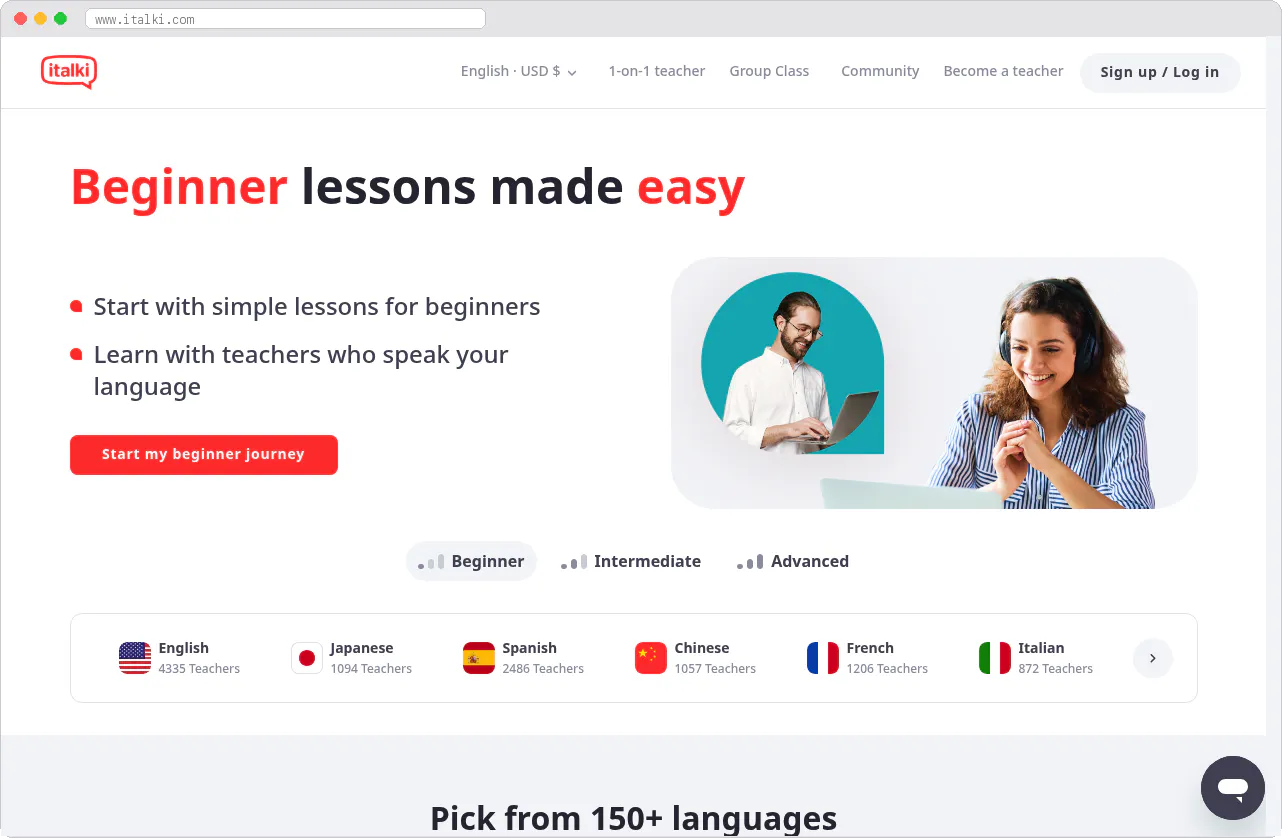
italki
italki operates as a marketplace for language tutors across dozens of languages, not just English. The platform emphasizes structured lessons with certified language teachers rather than casual conversation. Tutors set their own rates and schedules, with italki taking a commission from bookings.
Unlike Cambly's instant availability, italki focuses on scheduled lessons with advance booking. The platform attracts more serious language learners willing to pay higher rates for professional instruction. iTalki's tutor vetting process is more stringent, requiring teaching credentials or extensive experience.
Preply
Preply offers tutoring across multiple subjects, with language learning as one category. The platform uses a more traditional marketplace model where tutors compete on price and students shop for lessons. Preply takes a decreasing commission rate as students book more lessons with the same tutor, incentivizing long-term relationships.
Preply's approach emphasizes personalized learning plans and goal-setting rather than casual conversation. The platform provides more curriculum structure and progress tracking compared to Cambly's free-form conversation model.
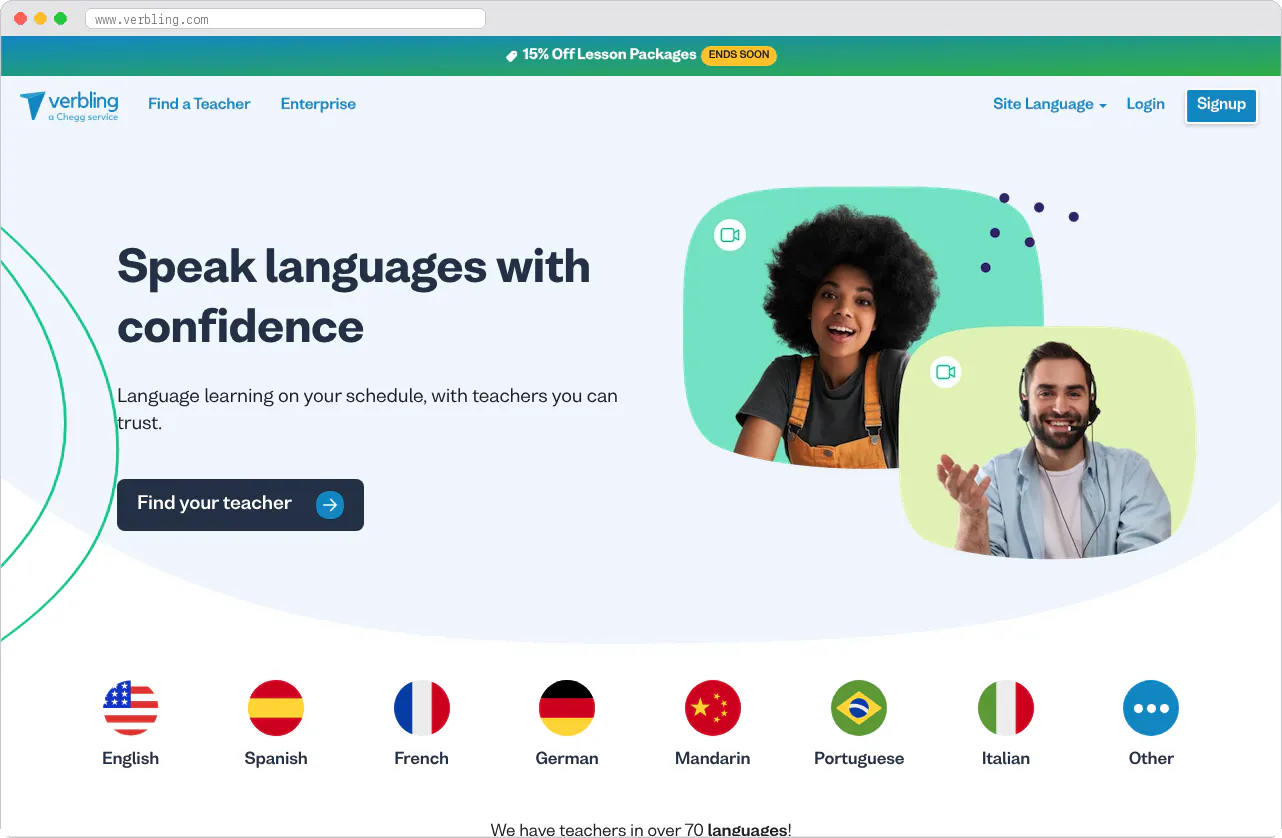
Verbling focuses exclusively on language learning with professionally trained language teachers. The platform emphasizes curriculum-based instruction and offers group classes in addition to one-on-one tutoring. Verbling's tutors must pass teaching assessments and demonstrate pedagogical skills.
While Verbling offers higher teaching quality, it lacks Cambly's instant availability and casual conversation focus. Sessions are typically scheduled in advance and follow more structured lesson plans.
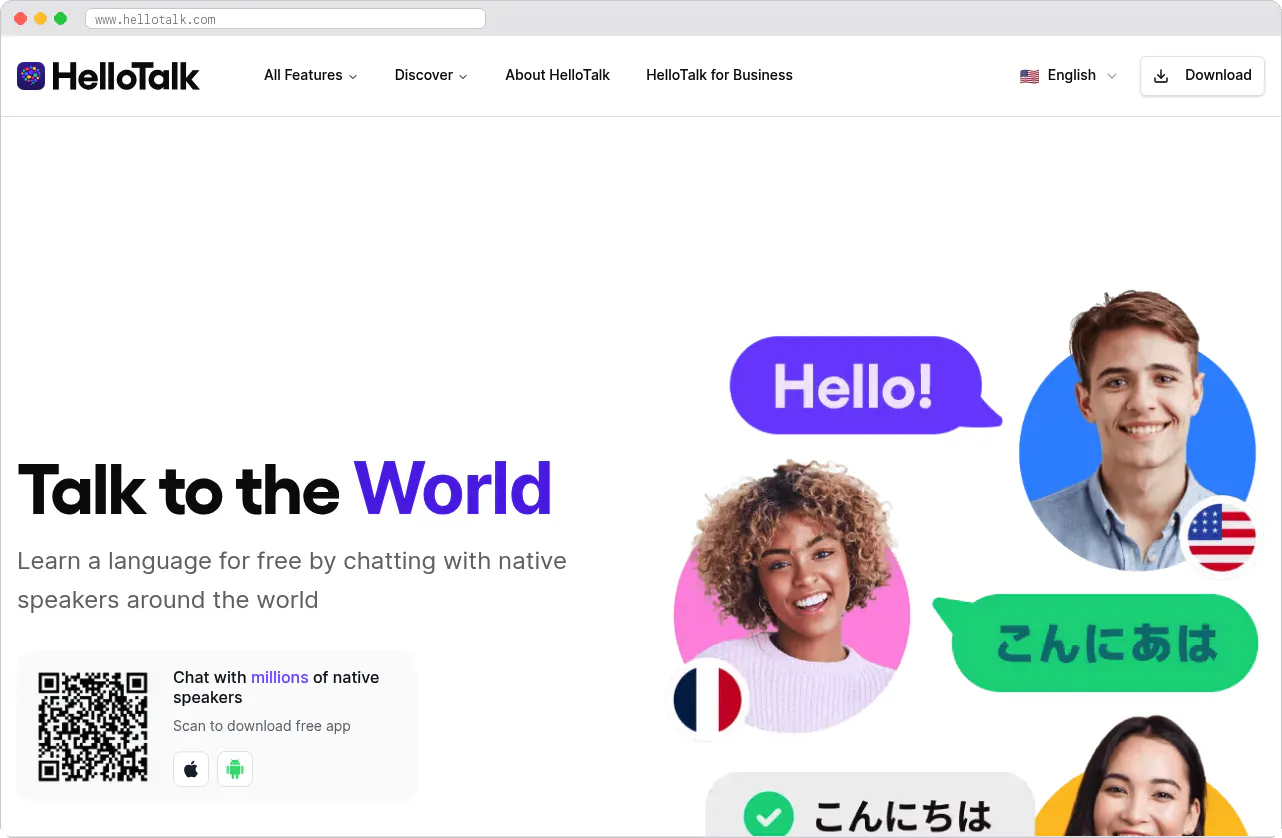
HelloTalk
HelloTalk takes a different approach by facilitating language exchange between native speakers. Users teach their native language to others in exchange for learning a foreign language. The platform includes text chat, voice messages, and video calls but emphasizes peer-to-peer exchange rather than paid tutoring.
HelloTalk's free model attracts large user bases but doesn't provide the same teaching quality or reliability as professional tutoring platforms. The platform monetizes through premium features and advertising rather than tutoring commissions.
Lingoda
Lingoda offers structured online language courses with certified teachers and thorough curricula. The platform operates more like a traditional language school moved online, with fixed class schedules and progressive lesson plans.
Lingoda competes less directly with Cambly since it serves students seeking formal language education rather than conversation practice. However, it represents an alternative approach to online language learning that emphasizes structure over flexibility.
How to build a marketplace like Cambly
Creating a successful tutoring marketplace requires careful planning across technology, business model, and growth strategy dimensions.
Validate your niche and target market
Before building anything, validate demand for your specific tutoring marketplace concept. Cambly succeeded by focusing initially on English conversation practice, but other niches might include:
- Specialized subject tutoring (math, science, coding)
- Professional skills coaching (presentation, leadership)
- Creative instruction (music, art, writing)
- Test preparation (SAT, GRE, professional certifications)
- Regional language learning for specific markets
Research your target market by interviewing potential students and tutors. Understand their current pain points, willingness to pay, and preferences for scheduling, pricing, and lesson structure. Validate that existing solutions don't adequately serve your chosen niche.
Design your marketplace business model
Decide how your platform will generate revenue and structure transactions between students and tutors. Key decisions include:
Pricing structure: Choose between subscription models (like Cambly), pay-per-lesson marketplaces (like iTalki), or hybrid approaches. Subscription models create predictable revenue but may deter casual users. Pay-per-lesson models offer flexibility but require more complex payment processing.
Commission rates: Balance platform sustainability with tutor earnings. Higher commissions fund better features and marketing but may drive tutors to competitors. Research competitor rates and test different structures with early tutors.
Quality vs. accessibility trade-offs: Decide whether to require tutor certifications (higher quality, smaller supply) or allow anyone to teach (lower barriers, larger supply). Cambly's success with uncertified tutors shows that student choice and ratings can maintain quality.
Build core marketplace infrastructure
Start with key features that enable basic tutoring transactions:
User registration and profiles: Create separate flows for students and tutors with relevant information fields. Implement identity verification to build trust, especially for tutors who will interact with students via video.
Search and discovery: Build tools for students to find suitable tutors based on availability, ratings, specializations, and other criteria. Include filtering and sorting options that help students navigate large tutor pools.
Video communication system: This is the most technically complex component. You can either build custom video infrastructure or integrate with existing solutions. Consider factors like video quality, mobile compatibility, recording capabilities, and global reliability.
Payment processing: Implement subscription management for students and payout systems for tutors. Handle international payments, tax compliance, and dispute resolution. Consider partnering with payment processors that specialize in marketplace transactions.
Focus on supply-side growth first
Following the typical marketplace playbook, prioritize building tutor supply before heavily marketing to students. Students won't return to a platform without available tutors, but tutors will wait for students if the platform shows promise.
Recruit initial tutors through:
- Targeted outreach to language teachers and native speakers
- University partnerships and student teacher programs
- Referral programs offering bonuses for successful tutor recruitment
- Content marketing that positions tutoring as a flexible income opportunity
Offer competitive compensation and clear value propositions to early tutors. They're taking a risk on an unproven platform, so provide excellent support and listen to their feedback about needed features.
Implement quality control systems
Establish mechanisms to maintain teaching quality and platform safety:
Tutor onboarding: Create screening processes appropriate for your quality standards. This might include background checks, demo lessons, or skills assessments.
Rating and review systems: Implement two-way ratings that help both sides make informed decisions about future interactions. Make ratings visible and use them to influence search rankings.
Monitoring and moderation: Develop policies for handling inappropriate behavior, poor teaching quality, or technical issues. Consider automated monitoring of session recordings combined with human review for reported problems.
Launch with controlled demand
Once you have sufficient tutor supply, begin marketing to students in a controlled way. Start with a small geographic market or specific student segment to ensure you can maintain service quality.
Effective student acquisition strategies include:
- Search engine marketing targeting language learning keywords
- Content marketing around language learning tips and cultural topics
- Partnerships with language learning communities and international student programs
- Social media marketing showcasing successful student outcomes
Monitor key metrics like tutor utilization rates, student retention, and session completion rates to ensure marketplace balance.
Iterate based on user feedback
Cambly succeeded by continuously improving based on student and tutor feedback. Common areas for iteration include:
- Matching algorithm improvements to increase satisfaction
- New features that enhance the tutoring experience
- Pricing adjustments based on market response
- Geographic expansion strategies
- Additional services like group classes or specialized programs
Establish feedback collection processes and prioritize improvements that benefit both sides of the marketplace.
Cost and development considerations
Building a Cambly clone requires major investment in video technology, payment processing, and user acquisition. Here are realistic cost estimates for different development approaches.
Custom development from scratch
Development costs: $150,000 - $400,000
Building a full-featured tutoring marketplace from scratch requires substantial technical expertise and time. Key cost drivers include:
- Video communication infrastructure: $40,000 - $80,000
- User management and matching systems: $30,000 - $60,000
- Payment processing integration: $20,000 - $40,000
- Mobile app development: $40,000 - $100,000
- Quality assurance and testing: $20,000 - $40,000
- Security and compliance features: $15,000 - $30,000
Ongoing operational costs: $5,000 - $15,000 per month
- Video streaming infrastructure: $2,000 - $8,000 monthly
- Cloud hosting and database management: $1,000 - $3,000 monthly
- Payment processing fees: 2-3% of transaction volume
- Customer support tools and staff: $1,500 - $4,000 monthly
- Security monitoring and updates: $500 - $1,500 monthly
Custom development offers maximum flexibility but requires 8-12 months for initial launch and ongoing technical maintenance.
**No-code marketplace platforms typically cost $99-399 per month in subscription fees.
Hybrid development approach
Initial costs: $50,000 - $150,000
Combining no-code tools for rapid prototyping with custom development for unique features:
- No-code marketplace platform: $99-399/month ($2,000-5,000 first year)
- Custom video infrastructure: $25,000 - $60,000
- Advanced matching algorithms: $15,000 - $40,000
- Mobile app development: $20,000 - $50,000
- Integration and testing: $10,000 - $25,000
User acquisition and marketing costs
Regardless of development approach, plan notable marketing investment:
Student acquisition costs: $20 - $100 per student
- Search engine marketing: $30 - $80 per acquisition
- Social media advertising: $15 - $50 per acquisition
- Content marketing: $5 - $25 per acquisition (long-term)
- Referral programs: $10 - $40 per acquisition
Tutor acquisition costs: $50 - $200 per tutor
- Targeted recruiter outreach: $100 - $300 per tutor
- University partnerships: $50 - $150 per tutor
- Referral bonuses: $25 - $100 per tutor
- Content marketing to educators: $20 - $80 per tutor
Break-even timeline and funding requirements
Most tutoring marketplaces require 12-24 months to reach profitability, with funding needs varying based on market size and competition:
- Bootstrap approach: $50,000 - $200,000 total investment for small market validation
- Venture-backed approach: $1 - $5 million for rapid scaling and market expansion
- Revenue milestones: Expect $10,000 - $50,000 monthly revenue before achieving sustainability
Success depends heavily on achieving marketplace liquidity, ensuring students can find available tutors and tutors stay busy with bookings. This typically requires at least 100 active tutors and 500 regular students to create sustainable matching dynamics.
The investment in video technology and user acquisition makes tutoring marketplaces more capital-intensive than many other marketplace types, but successful platforms can achieve strong unit economics once they reach scale.
Frequently asked questions
How does Cambly make money?
Cambly generates revenue through student subscription fees (typically $60-200+ per month) and takes approximately 30-35% commission from tutor earnings. They also offer additional services like Cambly Kids and corporate programs.
What makes Cambly different from other tutoring platforms?
Cambly's key differentiator is instant availability, students can start English conversations within 30 seconds without scheduling. The platform focuses on casual conversation practice rather than structured lessons and allows any native English speaker to become a tutor.
How much does it cost to build a marketplace like Cambly?
The full platform would cost $200,000-500,000+ to build from scratch. But you don't need to replicate every feature from day one. A no-code marketplace platform at $99-399/month lets you launch core functionality for a few thousand dollars in year one, then invest in custom development as revenue supports it.
What are the main technical challenges in building a tutoring marketplace?
The biggest technical challenges include reliable video communication infrastructure, smart matching algorithms for students and tutors, international payment processing, and mobile optimization for smooth cross-device experiences.
How long does it take to launch a Cambly clone?
Timeline varies by approach: no-code solutions can launch in 2-6 weeks, hybrid development takes 3-6 months, and custom development from scratch requires 8-12 months. Most platforms need 12-24 months to reach profitability.
What's the biggest challenge in growing a tutoring marketplace?
Achieving marketplace liquidity is the main challenge, ensuring enough tutors are available when students want lessons and keeping tutors busy with regular bookings. This typically requires at least 100 active tutors and 500 regular students.
Start your 14-day free trial
Create a marketplace today!
- Launch quickly, without coding
- Extend infinitely
- Scale to any size
No credit card required