How to build a website like Outdoorsy
Outdoorsy connects RV owners with travelers seeking outdoor adventures, generating about over $1 billion in bookings. Learn how to build a similar RV rental marketplace with the right features, business model, and growth strategy.
Published: Nov 6, 2023
Last updated: Mar 19, 2026
What is Outdoorsy?
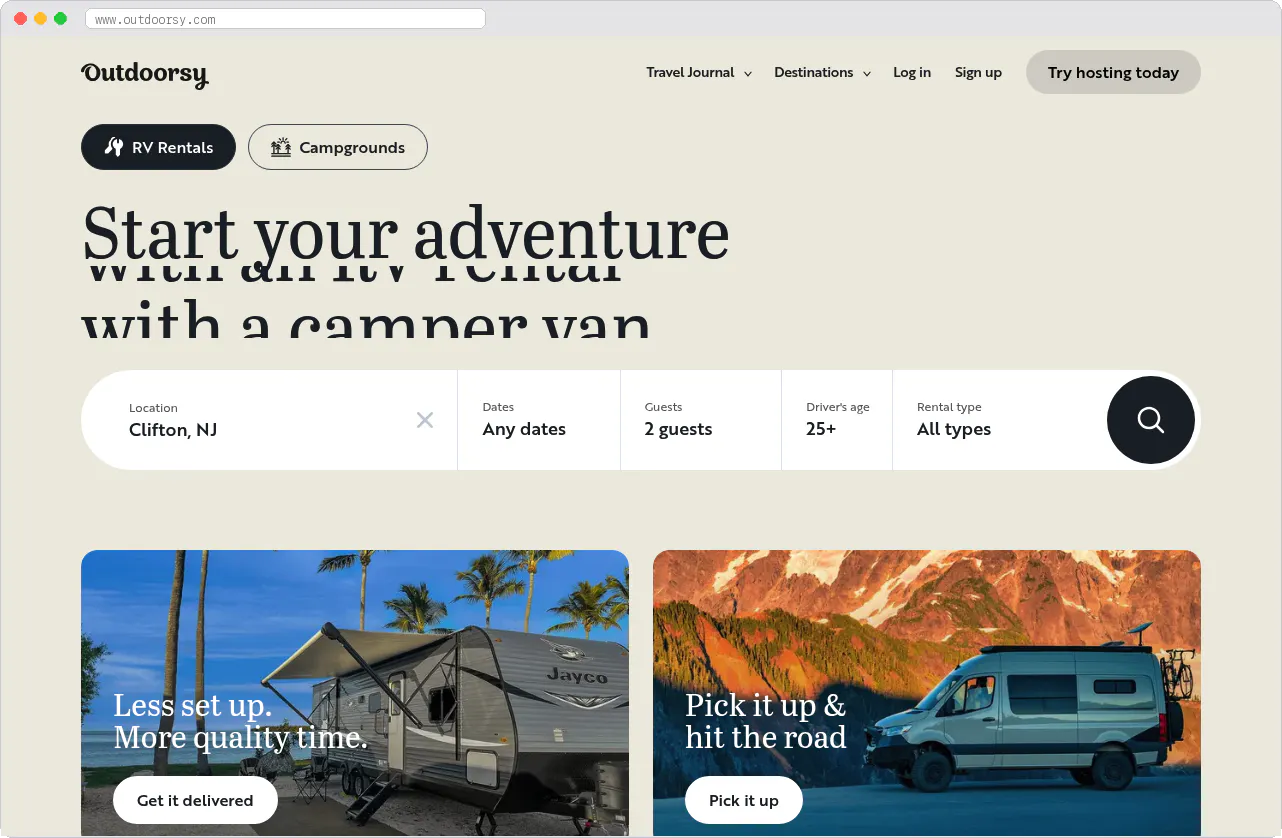
Outdoorsy is America's largest RV rental marketplace, connecting recreational vehicle owners with travelers seeking outdoor adventures. Founded in 2015 by Jeff Cavins and Jen Young, the platform has facilitated over $1 billion in bookings and hosts more than 50,000 RV listings across the United States, Canada, and Australia.
The idea emerged from Cavins' personal frustration with the traditional RV rental industry. As an experienced entrepreneur who previously founded Wayin (a social marketing platform acquired by Cheetah Digital), Cavins noticed that most RV rental companies operated with old, expensive fleets and limited availability during peak seasons. Meanwhile, millions of privately-owned RVs sat unused in driveways for most of the year.
Outdoorsy's peer-to-peer model solved both problems simultaneously. RV owners could monetize their idle assets, earning an average of $9,000 per year according to the platform's data, while travelers gained access to a much wider variety of vehicles at competitive prices. The marketplace offers everything from luxury motorhomes and vintage Airstream trailers to rugged adventure vans and family-friendly travel trailers.
The platform's success reflects broader trends in the sharing economy and outdoor recreation. The COVID-19 pandemic accelerated growth as travelers sought socially-distanced vacation options, with Outdoorsy reporting a 1,000% increase in bookings during 2020. The company has raised over $50 million in funding, including a $25 million Series B round led by Avon Ventures in 2021.
How does Outdoorsy work?
Outdoorsy operates as a two-sided marketplace connecting RV owners (hosts) with renters (guests) through a commission-based business model. The platform handles the complex logistics of peer-to-peer RV rentals while providing trust and safety features that make transactions viable between strangers.
For RV owners, the process begins with creating a detailed listing that showcases their vehicle's features, amenities, and availability. Owners set their own pricing, minimum rental periods, and house rules. They can offer additional services like delivery, setup assistance, or add-on equipment rentals. The platform provides professional photography services in select markets to help owners create compelling listings that attract more bookings.
Renters browse listings using location-based search with filters for vehicle type, size, amenities, and price range. Each listing includes comprehensive details about the RV's specifications, sleeping capacity, kitchen facilities, bathroom features, and entertainment systems. High-quality photos showcase both interior and exterior views, helping renters visualize their experience.
Once renters find their ideal RV, they can request bookings through the platform's integrated messaging system. This allows them to ask questions, clarify pickup arrangements, and discuss specific needs with owners. Outdoorsy facilitates the entire transaction, from initial inquiry to final payment, ensuring both parties understand their obligations.
The booking process includes several trust-building elements. Renters must verify their driver's license and driving record. Both parties can view each other's profiles, including photos, reviews from previous transactions, and response rates. This transparency helps build confidence in peer-to-peer transactions.
Outdoorsy's revenue model and key features
Outdoorsy generates revenue primarily through commission fees charged to both renters and owners. The platform typically charges renters a service fee ranging from 6% to 15% of the rental cost, while owners pay approximately 5% to 15% depending on various factors including booking value and additional services used.
Beyond basic marketplace functionality, Outdoorsy provides several value-added services that generate additional revenue. These include comprehensive insurance coverage through their partnership with Allianz, roadside assistance programs, and professional photography services for owners. The platform also offers delivery services in select markets, allowing renters to have RVs delivered directly to campgrounds or other destinations.
The marketplace's core features address the unique requirements of RV rentals. Unlike traditional accommodation platforms, RV marketplaces must handle complex logistical challenges including vehicle condition verification, mileage tracking, waste tank management, and equipment handovers.
Availability management is particularly sophisticated on Outdoorsy. Owners can set blackout dates, define minimum rental periods, and establish buffer days between bookings for cleaning and maintenance. The system automatically blocks unavailable dates and prevents double bookings while allowing owners maximum flexibility in managing their assets.
Payment processing includes specialized features for RV rentals. The platform collects payment from renters upfront but uses delayed payouts to owners, holding funds until after the rental period begins. This protects both parties and provides use for resolving disputes. Security deposits are handled separately, with amounts varying based on the RV's value and rental duration.
The messaging system facilitates detailed pre-rental communication that's essential for RV transactions. Owners need to explain complex vehicle operations, while renters often have specific questions about amenities, pickup procedures, or camping equipment. The platform preserves this communication history to resolve disputes and improve future transactions.
Review systems on RV platforms require more nuance than typical accommodation reviews. Renters evaluate vehicle condition, cleanliness, owner responsiveness, and how well the RV matched listing descriptions. Owners review renters on factors like vehicle care, punctuality, and adherence to agreed-upon terms. These mutual reviews help maintain marketplace quality and identify problematic users.
Essential features for an RV rental marketplace
Building a successful alternative to Outdoorsy requires understanding the specialized features that make RV rental marketplaces different from other sharing economy platforms. These vehicles represent significant investments (often $50,000 to $500,000) with complex operational requirements that affect both user experience and business operations.
Detailed vehicle listings form the foundation of any RV marketplace. Unlike hotel rooms or apartments, each RV has unique characteristics that significantly impact the rental experience. Successful listings must communicate vehicle specifications including length, weight, sleeping capacity, and slide-out configurations. Kitchen amenities require detailed description since RV kitchens vary dramatically in capability, from basic two-burner setups to full residential-style facilities with full-size refrigerators and dishwashers.
Bathroom facilities deserve special attention in RV listings. Some units offer full bathrooms with separate showers, while others feature compact wet baths where the shower and toilet share the same space. Many smaller RVs lack bathrooms entirely, requiring renters to use campground facilities. These differences significantly affect trip planning and guest satisfaction, making clear communication essential.
Entertainment and connectivity features increasingly influence rental decisions. Modern RVs may include satellite TV systems, premium sound systems, Wi-Fi boosters, or solar power setups that enable off-grid camping. Outdoor amenities like awnings, outdoor kitchens, and bike racks also affect the rental experience and should be clearly documented.
Location-based search capabilities must accommodate the mobile nature of RV travel. Unlike traditional accommodation platforms where listings have fixed locations, RV rentals often involve pickup at the owner's location followed by travel to different destinations. The search system must handle pickup locations, delivery availability, and one-way rental options for travelers who want to start and end their trips in different cities.
Advanced filtering becomes crucial given the diversity of RV types and configurations. Renters need to filter by vehicle size (critical for navigating certain roads and campsites), fuel type (gas versus diesel affects both cost and performance), transmission type (many renters prefer automatic), and pet policies. Technical specifications like generator hours, fresh water capacity, and towing capability may be relevant for specific use cases.
Booking management for RV rentals involves significantly more complexity than typical accommodation bookings. Mileage restrictions require tracking and enforcement, as unlimited mileage can be prohibitively expensive for owners. Generator usage hours may be monitored and billed separately. Fuel policies vary, with some owners requiring renters to return vehicles with full tanks while others handle refueling as part of their service.
Waste tank management presents unique operational challenges that successful platforms must address. RVs have separate tanks for fresh water, gray water (from sinks and showers), and black water (from toilets). Renters must understand dumping procedures and locations, while owners need systems to verify proper tank maintenance. Some platforms include dumping services or partner with RV service providers to simplify this process.
Pre-rental orientation becomes essential for RV platforms since many renters have limited experience operating these complex vehicles. Successful marketplaces either facilitate comprehensive walkthroughs between owners and renters or provide detailed video tutorials covering vehicle operation, safety systems, and emergency procedures. This educational component significantly affects both safety outcomes and customer satisfaction.
Insurance and liability management requires specialized expertise in RV contexts. Standard auto insurance often excludes commercial rental activities, while homeowners' insurance may not cover RV-related incidents. Successful platforms typically partner with specialized insurers who understand RV rental risks and can provide appropriate coverage for both owners and renters.
Security deposits for RV rentals often exceed those of other sharing economy platforms due to vehicle values and potential damage costs. Platforms must handle deposits that may range from $500 to $5,000 depending on the RV's value and rental duration. The system should clearly communicate deposit policies and provide efficient resolution processes for damage claims.
Major competitors and alternatives to Outdoorsy
The RV rental marketplace has evolved into a competitive landscape with several established players, each offering different approaches to connecting owners with renters. Understanding these alternatives helps illustrate the opportunities and challenges facing new entrants in this space.
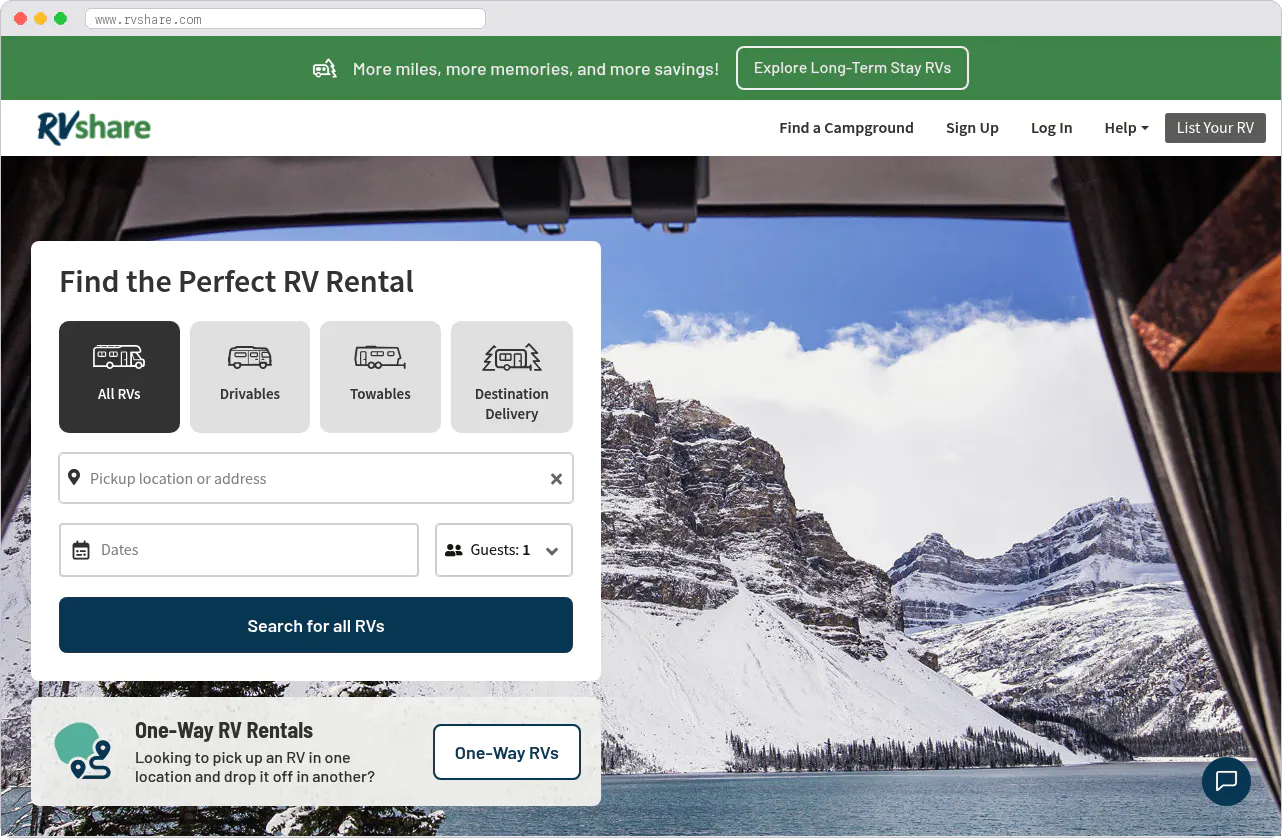
RVshare represents Outdoorsy's primary competitor, actually predating Outdoorsy with its 2013 founding. The platform claims to host over 100,000 RV listings across North America, making it potentially larger than Outdoorsy in terms of inventory. RVshare differentiates itself through partnerships with major RV manufacturers like Winnebago and Thor Industries, allowing the platform to offer brand-new vehicles alongside peer-to-peer rentals.
The platform's "RV Preferred" program creates a hybrid model between peer-to-peer and traditional rental companies. Participating dealers list their inventory on RVshare, providing renters access to professionally maintained, newer vehicles while still offering competitive pricing. This approach addresses one common concern about peer-to-peer platforms: vehicle condition and reliability.
RVshare's insurance partnership with Liberty Mutual provides comprehensive coverage including liability, collision, and comprehensive protection. The platform handles claims processing and offers 24/7 roadside assistance, positioning itself as a more full-service solution compared to some competitors.
Cruise America takes a fundamentally different approach as a traditional RV rental company rather than a peer-to-peer marketplace. Founded in 1972, the company owns and operates its fleet of standardized vehicles across approximately 140 locations in the United States and Canada. While this model lacks the variety and pricing advantages of peer-to-peer platforms, it offers consistency and reliability that appeals to certain customer segments.
Cruise America's vehicles follow standardized specifications and maintenance protocols, eliminating the variability that characterizes peer-to-peer platforms. Renters know exactly what to expect in terms of vehicle condition, amenities, and operational procedures. The company provides comprehensive orientation sessions at pickup locations and maintains dedicated service networks for emergency repairs.
The trade-off involves higher prices and limited vehicle variety compared to peer-to-peer platforms. Cruise America's standardized fleet consists primarily of Class C motorhomes optimized for rental use rather than luxury or specialized vehicles. However, for renters who prioritize predictability over variety, this approach offers clear advantages.
RVezy focuses specifically on the Canadian market, positioning itself as "Canada's RV sharing community." Founded in 2018, the platform emphasizes personalized service and convenience features that differentiate it from larger competitors. RVezy offers white-glove delivery and setup services, allowing renters to have RVs delivered to campgrounds with full setup assistance.
The platform's concierge services extend beyond basic delivery to include camping gear rentals, route planning assistance, and 24/7 customer support. This high-touch approach appeals to inexperienced RV renters who may be intimidated by the complexity of RV travel. RVezy also partners with Canadian campgrounds and tourism organizations to offer package deals combining RV rentals with camping reservations.
Campanda operates as a global RV rental marketplace with presence in over 40 countries, making it the most internationally diverse platform in the space. The German-founded company covers markets that other platforms haven't entered, including throughout Europe, Australia, and New Zealand. This geographic diversification provides opportunities for international travelers seeking RV experiences worldwide.
The platform's multilingual support and local currency processing address practical challenges facing international expansion in the RV rental space. Different countries have varying licensing requirements, insurance regulations, and road rules that affect RV operations. Campanda's local market expertise helps navigate these complexities while maintaining consistent user experience standards.
El Monte RV represents another traditional rental company approach, focusing on the California and southwestern United States markets. Like Cruise America, El Monte operates its own fleet but emphasizes newer, higher-end vehicles and personalized service. The company targets both domestic and international travelers, particularly those seeking luxury RV experiences in popular destinations like national parks.
GoRVing serves more as an industry resource and marketplace aggregator than a direct competitor. Operated by the RV Industry Association, the platform provides educational content about RV travel while connecting users with various rental options including both peer-to-peer platforms and traditional rental companies. This neutral positioning helps GoRVing serve as an entry point for new RV travelers who may not be familiar with available options.
How to build a marketplace like Outdoorsy
Creating a successful RV rental marketplace requires understanding both the technical complexities and business challenges inherent in this specialized sharing economy segment. The process involves ten key steps that successful founders should follow systematically.
Validating your marketplace concept starts with identifying your specific niche within the RV rental space. The market offers numerous opportunities for specialization, from luxury motorhome rentals and vintage trailer experiences to adventure van rentals and family-friendly travel trailers. Each segment has different customer needs, price points, and operational requirements that affect your platform design and business strategy.
Market research should focus on understanding both supply and demand dynamics in your target segment. On the supply side, investigate RV ownership patterns in your target geographic areas. Many RV owners use their vehicles only a few weeks per year, creating significant monetization opportunities. However, owner motivations vary dramatically, from purely financial considerations to desire for social interaction with fellow RV enthusiasts.
Demand research must consider the diverse motivations driving RV rental decisions. Some customers seek luxury experiences with high-end motorhomes for special occasions, while others prioritize affordability for family camping trips. Adventure-focused travelers may prefer rugged, off-road capable vehicles, while retirement-age couples often want comfort and ease of operation. Understanding these different customer segments helps inform feature prioritization and marketing strategies.
Choosing the right business model involves more than simply copying Outdoorsy's commission structure. Consider alternative approaches like membership models for frequent renters, listing fees for premium placements, or revenue sharing with complementary service providers. Some successful platforms combine multiple revenue streams, offering basic marketplace functionality alongside value-added services like insurance, roadside assistance, and delivery.
Commission structures must balance competitive pricing with sustainable unit economics. While lower commissions attract more users, they may not cover platform operational costs including customer support, insurance claims processing, and fraud prevention. Higher commissions risk driving users to competitors or encouraging off-platform transactions.
Geographic focus becomes particularly important for RV marketplaces since vehicle pickup and delivery logistics create natural market boundaries. Starting with a single metropolitan area or region allows concentrated marketing efforts and easier relationship building with early adopters. This focused approach also simplifies regulatory compliance, insurance arrangements, and customer support operations.
Successful geographic expansion requires understanding regional differences in RV ownership, camping culture, and travel patterns. Western United States markets may favor adventure-oriented vehicles and off-grid capabilities, while southeastern markets might prioritize luxury amenities and campground compatibility. These regional preferences should influence both supply acquisition and platform positioning.
Building your minimum viable platform requires balancing essential functionality with development speed and cost. The core platform must handle listing creation, search and booking, payment processing, and basic communication features. However, RV-specific requirements like mileage tracking, generator hour monitoring, and waste tank management can be handled manually initially while you validate market demand.
User experience design becomes critical for RV platforms due to transaction complexity and customer diversity. Many RV renters are occasional users who may be unfamiliar with recreational vehicle operation, while owners range from casual participants to professional rental operators. The platform must serve both audiences while maintaining simplicity and trust.
Trust and safety features require special attention in RV contexts due to high vehicle values and operational complexity. Identity verification should include driver's license validation and background checks. Vehicle verification might involve in-person inspections or detailed photo documentation. Clear policies regarding vehicle condition, damage assessment, and dispute resolution help prevent conflicts that could damage your platform's reputation.
Supply acquisition strategies must account for RV owners' diverse motivations and concerns. Many potential hosts worry about vehicle damage, while others are primarily motivated by meeting fellow RV enthusiasts. Your outreach should address these different concerns through targeted messaging, comprehensive insurance explanations, and success stories from similar owners.
Partnership opportunities abound in the RV ecosystem. Campgrounds may welcome partnerships that bring additional visitors, while RV service providers could offer maintenance and cleaning services to your hosts. RV manufacturers and dealers might participate in promotional programs that showcase their vehicles to potential buyers. These partnerships can provide both marketing channels and additional revenue opportunities.
Demand generation requires understanding RV rental customer acquisition patterns. Many customers are occasional users planning special trips rather than frequent marketplace participants. This means traditional retention metrics may be less relevant than customer acquisition cost and lifetime value calculations. Content marketing focusing on trip planning, RV education, and destination guides can attract potential customers while building your platform's authority.
Scaling operations involves addressing increasing complexity in customer support, dispute resolution, and quality control. RV rentals generate more customer service inquiries than typical accommodation platforms due to vehicle complexity and outdoor travel challenges. Building efficient support systems and self-service resources becomes essential for maintaining service quality while controlling costs.
Building approaches and cost considerations
Developing an RV rental marketplace involves several technical approaches, each with distinct advantages, limitations, and cost implications. Understanding these options helps founders make informed decisions based on their resources, timeline, and long-term goals.
Custom development offers maximum flexibility and control but requires significant time and financial investment. Building from scratch allows complete customization of user experience, integration with specialized RV industry tools, and optimization for your specific business model. However, the complexity of marketplace functionality means development timelines typically extend 12-18 months for a comprehensive platform.
Development costs for custom RV marketplace platforms typically range from $100,000 to $500,000 depending on feature complexity and development team location. This estimate includes essential marketplace functionality like user management, listing creation, search and booking systems, payment processing, and basic mobile optimization. Advanced features like real-time availability synchronization, automated pricing optimization, and sophisticated mobile applications increase costs substantially.
Ongoing maintenance and hosting expenses add significant operational costs to custom development approaches. Marketplace platforms require robust infrastructure to handle peak booking periods, secure payment processing, and large image files for vehicle listings. Technical teams must address security updates, feature enhancements, and integration maintenance as third-party services evolve.
No-code marketplace builders like Sharetribe provide faster time-to-market with lower upfront costs while maintaining scalability for future growth. These platforms include pre-built marketplace functionality optimized for rental businesses, allowing founders to launch functional platforms within weeks rather than months.
With Sharetribe, RV marketplace founders can create fully functional platforms including user profiles, detailed vehicle listings with photo galleries, location-based search, integrated booking systems, commission-based payment processing, and two-way review systems. The platform's rental-specific features include availability calendars, delayed payouts, and flexible pricing structures that work well for RV rental businesses.
The no-code approach allows rapid iteration based on user feedback. Founders can test different user flows, adjust pricing models, and refine listing requirements without extensive development work. This agility proves particularly valuable during the early validation phase when market feedback may require significant platform adjustments.
Cost considerations for no-code approaches focus on monthly subscription fees rather than large upfront development investments. Sharetribe's Build plan costs $39/month while you build, and the Live plan costs $199/month billed yearly. Both plans include 1 million usage credits per month, with usage fees only above that. Payment processing fees apply separately.
Scalability concerns often arise when evaluating no-code solutions, but modern platforms like Sharetribe support substantial growth without performance degradation. The platform handles technical infrastructure management, security updates, and payment compliance automatically, allowing founders to focus on business development rather than technical operations.
Customization options bridge the gap between no-code convenience and custom development flexibility. Sharetribe's developer-friendly architecture allows custom features, unique designs, and specialized integrations while maintaining the core platform benefits. This hybrid approach proves particularly valuable as RV marketplaces grow and require specialized functionality.
Third-party service integration represents a significant cost consideration regardless of development approach. RV marketplaces typically require specialized insurance providers, background check services, payment processors with marketplace capabilities, mapping and location services, and communication tools. These integrations often involve setup fees, monthly subscriptions, and per-transaction charges that affect overall platform economics.
Insurance partnerships deserve special attention due to their critical role in RV rental operations. Comprehensive coverage for both owners and renters typically costs 6% to 12% of rental revenue, representing a significant operational expense. However, insurance also serves as a key differentiator and trust-building feature that can justify higher commission rates.
Why Sharetribe works for RV rental marketplaces
Sharetribe's marketplace platform addresses the specific challenges facing RV rental marketplace founders through features designed for rental businesses and the flexibility to add specialized functionality as businesses grow.
Speed to market represents perhaps the most significant advantage for RV marketplace founders. The platform includes essential marketplace functionality from day one, allowing founders to launch functional platforms within 1-2 weeks rather than spending months on basic development. This rapid deployment enables faster validation of market demand and earlier revenue generation.
Rental-optimized features eliminate common development challenges facing RV platforms. Built-in availability calendars prevent double bookings while allowing owners flexible scheduling control. Delayed payout functionality protects both parties by holding funds until rental periods begin, addressing trust concerns common in peer-to-peer transactions. Commission-based payment processing handles the complex financial flows required for marketplace business models.
The platform's location-based search capabilities work particularly well for RV rentals where pickup location significantly affects rental decisions. Integrated mapping displays vehicle locations while sophisticated filtering allows renters to find RVs matching specific requirements like size, amenities, and availability.
Mobile optimization comes standard with Sharetribe platforms, addressing the growing preference for mobile marketplace interactions. RV renters often research and book rentals while traveling or planning trips on mobile devices, making responsive design and mobile-friendly booking flows essential for conversion optimization.
Scalability built into the platform architecture means RV marketplaces can grow from startup to enterprise scale without platform migrations or major technical overhauls. Sharetribe handles infrastructure scaling, security updates, and performance optimization automatically, allowing founders to focus on business growth rather than technical operations.
Customization capabilities provide long-term growth paths as RV marketplaces identify specialized requirements. Common customizations for RV platforms include mileage tracking systems, generator hour monitoring, specialized insurance integrations, and custom pricing models for different vehicle types. Sharetribe's developer-friendly API and webhook system supports these enhancements while maintaining platform stability.
Integration flexibility addresses the complex service ecosystem surrounding RV rentals. Platforms can connect with background check services, specialized insurance providers, RV service networks, and campground booking systems as partnerships develop. These integrations often become competitive advantages that differentiate platforms from generic marketplace solutions.
Compliance and security features reduce the burden of regulatory adherence that challenges many marketplace founders. Payment processing compliance, data protection standards, and financial reporting requirements are handled by the platform, reducing legal and technical risks for marketplace operators.
The trade-offs involve less granular control over certain technical aspects compared to custom development. However, for most RV marketplace founders, the speed advantages and reduced technical complexity outweigh these limitations, especially during the critical early validation and growth phases.
Next steps for building your RV rental marketplace
Success in the RV rental marketplace space requires systematic execution combined with deep understanding of your target customers and the recreational vehicle industry. The path forward involves clear prioritization of essential activities that will determine your platform's long-term viability.
Market validation should be your immediate priority. Identify specific RV owner segments in your target geographic area and conduct in-depth interviews to understand their motivations, concerns, and current rental experiences. Many RV owners have considered renting but never acted due to concerns about vehicle damage, complicated logistics, or unclear financial benefits. Understanding these barriers helps inform your platform design and marketing positioning.
Simultaneously, research potential renters to understand their decision-making processes and pain points with existing solutions. RV rental customers often fall into distinct segments: families seeking affordable vacation options, couples planning special anniversary trips, or adventure travelers wanting unique outdoor experiences. Each segment has different priorities regarding vehicle types, pricing, and service levels.
Once you've validated demand and identified your target segments, move quickly to build and launch your minimum viable platform. The RV rental market is seasonal in many regions, making timing crucial for capturing peak booking periods. Starting with Sharetribe allows rapid deployment while maintaining professional appearance and essential functionality.
Focus initial marketing efforts on building high-quality supply in your target market. RV owners represent the more constrained side of the marketplace equation, making their acquisition critical for platform success. Develop owner-focused marketing materials that address common concerns while highlighting successful peer platforms' track records.
As you grow, prioritize developing comprehensive insurance and safety programs that protect all parties while building trust in your platform. Partner with specialized RV insurance providers who understand rental business risks and can offer competitive coverage options. Clear damage assessment and dispute resolution processes become essential as transaction volumes increase.
Plan for seasonal variation that characterizes RV rental markets. Summer months typically generate 60-80% of annual bookings in most North American markets, requiring careful cash flow management and marketing budget allocation. Consider complementary revenue streams like winter storage services or maintenance referrals that can smooth seasonal income fluctuations.
Long-term success requires building a sustainable competitive advantage beyond basic marketplace functionality. This might involve specialized vehicle segments, superior customer service, innovative pricing models, or exclusive partnerships with campgrounds and destinations. The most successful platforms evolve beyond simple listing sites to become comprehensive resources for RV travel planning and execution.
Frequently asked questions
How much does it cost to build an RV rental marketplace like Outdoorsy?
Custom development typically costs $100,000-$500,000 and takes 12-18 months. No-code solutions like Sharetribe start at $39/month on the Build plan ($199/month billed yearly on the Live plan once you go live) and can launch in 1-2 weeks, making them ideal for testing market demand before major investments.
What features are essential for an RV rental marketplace?
Core features include detailed vehicle listings with photos, location-based search, availability calendars, secure payment processing with delayed payouts, two-way reviews, messaging systems, and specialized RV features like mileage tracking and generator monitoring.
How does Outdoorsy make money?
Outdoorsy charges commission fees of 6-15% to renters and 5-15% to owners per transaction. They also generate revenue from insurance partnerships, roadside assistance, delivery services, and professional photography for listings.
What are the main competitors to Outdoorsy?
Major competitors include RVshare (larger inventory, manufacturer partnerships), Cruise America (traditional rental with owned fleet), RVezy (Canadian market focus), and Campanda (global presence in 40+ countries).
How long does it take to build an RV rental platform?
Development time varies significantly: custom development takes 12-18 months, while no-code platforms like Sharetribe allow launching in 1-2 weeks. The faster approach enables quicker market validation and revenue generation.
Is the RV rental marketplace profitable?
Yes, the market has grown significantly, especially post-COVID. Outdoorsy has facilitated over $1 billion in bookings, with RV owners earning an average of $9,000 annually. Success depends on achieving sufficient marketplace liquidity and managing seasonal demand variations.
Start your 14-day free trial
Create a marketplace today!
- Launch quickly, without coding
- Extend infinitely
- Scale to any size
No credit card required