How to build a website like HomeAway
HomeAway connected millions of travelers with vacation rental properties before becoming part of Vrbo. Learn how to build a similar vacation rental marketplace, from validating your niche to launching and scaling your platform.
Published: Mar 15, 2024
Last updated: Mar 19, 2026
Introduction: Why build a website like HomeAway
HomeAway was one of the original pioneers in the vacation rental marketplace space. Founded in 2005 by Brian Sharples and Carl Shepherd in Austin, Texas, HomeAway grew from a simple idea about connecting property owners with travelers into a global marketplace that facilitated millions of bookings before being acquired by Expedia for $3.9 billion in 2015.
What made HomeAway particularly interesting was its focus on whole-home rentals rather than shared spaces. While competitors like Airbnb initially gained traction with spare rooms and air mattresses, HomeAway positioned itself as the go-to platform for families and groups seeking complete vacation homes. This positioning helped HomeAway reach over 2 million property listings across 190 countries at its peak.
The platform's success stemmed from solving a clear problem for both sides of the market. Property owners had vacation homes or investment properties sitting empty for weeks or months each year, representing significant lost income potential. Meanwhile, travelers increasingly sought alternatives to cookie-cutter hotels, wanting authentic local experiences and accommodations that could house larger groups comfortably.
HomeAway's approach differed significantly from its competitors in several ways. Rather than charging per-transaction commissions, HomeAway initially operated on an annual subscription model where property owners paid a flat fee to list their properties with unlimited bookings. This model attracted serious property managers and owners with multiple listings who could justify the upfront cost. The company also invested heavily in search engine optimization and Google advertising, driving massive organic traffic that competitors struggled to match.
Today, the vacation rental market HomeAway helped create is worth approximately over $87 billion globally. While HomeAway itself has been absorbed into Vrbo (another Expedia property), the fundamental market dynamics it identified remain stronger than ever. Remote work has expanded the potential customer base, travelers increasingly seek unique accommodations, and property owners continue looking for ways to monetize their real estate investments.
How does a vacation rental marketplace like HomeAway work?
HomeAway operated as a two-sided marketplace connecting property owners (hosts) with travelers (guests) seeking short-term vacation rentals. The platform served as both a discovery tool and transaction facilitator, handling everything from initial property searches to final booking confirmations.
For travelers, HomeAway provided a comprehensive search experience. Users could filter properties by location, dates, price range, property type, and amenities like pools, pet-friendliness, or beachfront access. Each listing included detailed descriptions, professional photographs, availability calendars, and reviews from previous guests. The booking process was streamlined: travelers could request dates, communicate with property owners through the platform, and complete payments securely online.
Property owners used HomeAway to create detailed listings showcasing their vacation rentals. The platform provided tools for managing availability calendars, setting pricing (including seasonal rates and minimum stay requirements), communicating with potential guests, and processing payments. HomeAway handled the technical infrastructure while owners maintained control over their property rules, guest screening, and day-to-day operations.
The platform's revenue model evolved significantly over its lifetime. Initially, HomeAway charged property owners annual subscription fees ranging from $349 to $499, depending on the package and features included. This model allowed unlimited bookings without per-transaction fees, appealing to active rental property managers. However, as competition intensified, particularly from Airbnb's commission-based approach, HomeAway gradually shifted toward a commission model, charging both booking fees to travelers and service fees to property owners.
What distinguished HomeAway from competitors was its focus on whole-property rentals rather than shared spaces. The platform attracted families, groups, and travelers seeking complete privacy and amenities like full kitchens, multiple bedrooms, and private outdoor spaces. This positioning influenced everything from the platform's design to its marketing messaging, emphasizing comfort, space, and authentic local experiences.
Essential features for a vacation rental marketplace like HomeAway
Building a successful vacation rental marketplace requires specific functionality that differs significantly from traditional e-commerce platforms or service marketplaces. These features address the unique challenges of connecting property owners with travelers while managing complex booking logistics.
Property listings and rich media capabilities form the foundation of any vacation rental platform. Unlike standardized hotel rooms, each vacation rental has unique characteristics that photos and descriptions must capture effectively. Successful platforms typically support 15-25 high-quality photos per listing, virtual tours, and detailed property descriptions with structured fields for essential information like square footage, bedroom/bathroom counts, amenities, and local attractions.
The property description system needs specialized fields that hotel booking sites don't require. Vacation rentals must specify house rules (smoking policies, pet restrictions, party limitations), check-in procedures (key pickup locations, self-check-in instructions), included amenities (linens, towels, kitchen supplies), and local context (parking availability, public transportation access, nearby grocery stores). HomeAway excelled at providing property owners with templates and prompts that helped them create comprehensive, bookable listings.
Advanced search and filtering functionality is crucial for vacation rental discovery. Location-based search must handle everything from specific addresses to broad regional searches ("beach houses in the Outer Banks" or "ski cabins near Aspen"). Date-based availability filtering is more complex than hotel bookings because vacation rentals often have minimum stay requirements, seasonal availability, and owner-blocked periods. Successful platforms also provide filters for property types (house, apartment, cabin, condo), guest capacity, price ranges, and amenities.
Availability and booking management systems must handle vacation rental complexity. Properties may have different rates for peak seasons, weekends, and holidays. Minimum stay requirements might vary by season (7-night minimums during summer, 3-night minimums off-season). The booking calendar needs to sync with external calendar systems (Google Calendar, iCal) so owners can block dates for personal use or maintenance.
Secure payment processing with delayed payouts is essential for building trust between strangers. Vacation rental bookings often involve substantial amounts (thousands of dollars for week-long stays), paid weeks or months in advance. Payment systems must support multiple currencies, various payment methods, and complex payout schedules. Many platforms hold guest payments until check-in to protect against cancellations or property issues.
Two-way review and rating systems help establish trust and accountability. After each stay, both guests and property owners should review each other. Guest reviews typically cover property accuracy, cleanliness, location, and host communication. Owner reviews help other hosts identify problematic guests and give travelers credibility for future bookings. HomeAway's review system became a key differentiator, helping travelers make informed decisions and encouraging both sides to maintain high standards.
Secure messaging and communication tools facilitate pre-booking inquiries and coordination. Vacation rental bookings often require more communication than hotel reservations because guests need specific information about check-in procedures, local recommendations, and property details. Platforms must provide messaging systems that protect user privacy while enabling necessary communication.
Mobile optimization is critical because vacation rental customers frequently search and book while traveling or planning trips on mobile devices. The mobile experience must support full search functionality, photo galleries, map integration, and smooth booking flows. HomeAway's mobile app became a significant traffic driver, particularly for last-minute bookings and trip planning.
Successful HomeAway competitors and alternatives
The vacation rental marketplace space has become increasingly competitive since HomeAway's early dominance, with platforms taking different approaches to attract both property owners and travelers.
Airbnb represents the most significant competitive force that ultimately reshaped the entire vacation rental industry. While HomeAway focused exclusively on whole-property rentals, Airbnb started with a broader vision that included shared spaces, private rooms, and unique accommodations like treehouses or castles. This inclusive approach helped Airbnb achieve faster initial growth by lowering barriers for both hosts and guests. Airbnb's commission-based revenue model also proved more attractive to casual hosts who preferred paying only when they earned booking revenue rather than upfront subscription fees.
Airbnb's platform emphasized social interaction and local experiences in ways HomeAway never fully embraced. The company added "Experiences" where hosts could offer tours, classes, or activities beyond accommodations. This ecosystem approach created more touchpoints with travelers and additional revenue streams beyond accommodation bookings. Airbnb's marketing consistently emphasized "belonging anywhere" and authentic local connections, contrasting with HomeAway's focus on comfort and amenities.
Vrbo (originally "Vacation Rentals by Owner") became HomeAway's sister platform after both were acquired by Expedia. Vrbo maintains HomeAway's focus on whole-home rentals while implementing lessons learned from competing with Airbnb. The platform emphasizes family travel and group accommodations, positioning itself as the safer, more predictable alternative to Airbnb's diverse property types. Vrbo has invested heavily in professional property management partnerships and standardized quality controls that appeal to travelers seeking consistency.
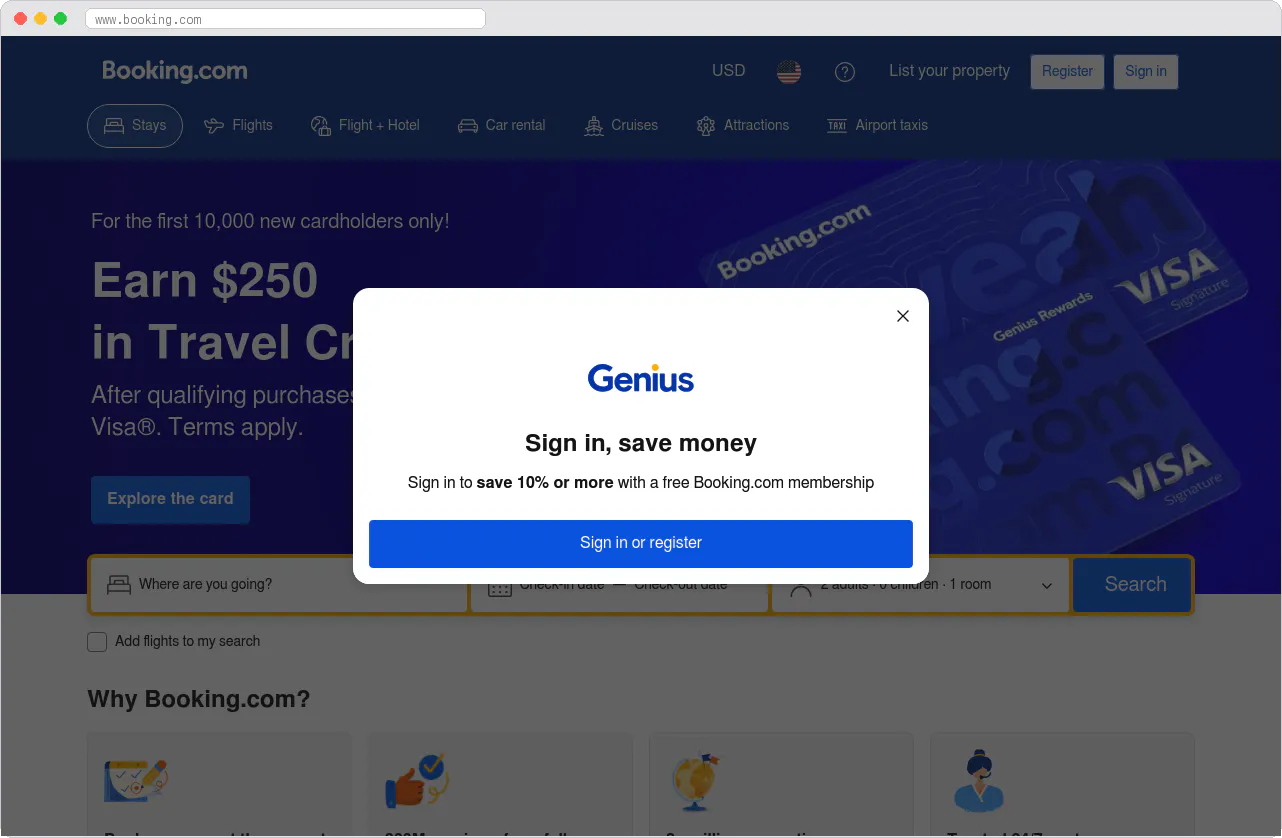
Booking.com entered the vacation rental space by using its massive hotel booking customer base and search engine optimization expertise. The platform's "Homes & Apartments" section offers vacation rentals alongside traditional hotel options, providing travelers with comprehensive accommodation choices in a single search. Booking.com's strength lies in its global reach and established relationships with travelers who already trust the brand for hotel bookings.
Expedia Vacation Rentals, Tripster, and other platforms have attempted to capture market share by focusing on specific niches or geographic regions. Some emphasize luxury properties with concierge services, while others target budget-conscious travelers or specific property types like ski condos or beach houses.
The competitive landscape demonstrates that successful vacation rental platforms must choose clear positioning. HomeAway succeeded initially by focusing on whole-home rentals and property owners with serious rental businesses. Today's successful platforms either serve broad audiences very well (like Airbnb) or excel in specific niches with tailored features and marketing.
How to build a vacation rental marketplace like HomeAway
Building a successful vacation rental marketplace requires a systematic approach that balances technical development with business strategy. The process involves ten key stages that move from initial concept validation through scaling operations.
Identifying a strong marketplace niche is the crucial first step. HomeAway succeeded by focusing on whole-home vacation rentals when most alternatives were spare rooms or shared spaces. Today's founders need to find underserved segments within the broader vacation rental market. This might involve geographic focus (vacation rentals in specific regions), property types (luxury estates, eco-friendly cabins, historic properties), or traveler segments (business travelers, families with young children, accessible properties for disabled guests).
The most promising niches often emerge from founders' personal experiences. If you've struggled to find suitable vacation rentals for specific needs, you've likely identified a market gap. Consider property types poorly served by existing platforms, regions where major platforms have limited inventory, or traveler segments with unique requirements not addressed by current solutions.
Choosing the right business model requires understanding both competitive dynamics and your target audience. HomeAway's original subscription model worked because it attracted serious property managers willing to pay upfront fees for unlimited bookings. However, commission models have become more popular because they reduce barriers for new property owners and align platform revenue with successful bookings.
Commission rates in vacation rentals typically range from 3-5% charged to property owners plus 6-12% in service fees charged to travelers. Some platforms experiment with hybrid models, offering property owners choices between annual subscriptions or per-booking commissions. The key is ensuring your model attracts both supply and demand while generating sustainable revenue.
Defining your initial geographic scope prevents resources from being spread too thinly. Even global platforms like HomeAway started with focused geographic markets where founders understood local dynamics. Successful vacation rental marketplaces often begin with single cities, regions, or property types where they can achieve meaningful market density before expanding.
Starting small allows deeper understanding of both supply and demand dynamics. You can personally visit properties, meet owners, and understand guest needs in ways impossible with broad geographic scope. This intimate market knowledge becomes crucial for refining your platform and identifying expansion opportunities.
Validating your marketplace concept before building prevents costly mistakes. Vacation rental validation involves talking to both potential property owners and travelers. Property owners can provide insights about current platforms' limitations, pricing challenges, and operational pain points. Travelers can explain their booking decision criteria, frustrations with existing platforms, and willingness to try new alternatives.
Effective validation questions for property owners include asking about their current marketing channels, booking volume challenges, guest communication preferences, and desired platform features. For travelers, explore their vacation rental discovery process, booking concerns, communication needs, and factors influencing platform choice.
Building your minimum viable platform (MVP) should focus on core functionality that enables real bookings while minimizing development time and cost. Your MVP must communicate your value proposition clearly, enable property listing creation and management, provide search and discovery tools, facilitate secure booking and payment processing, and include basic communication tools.
The MVP stage allows manual processes that you'll automate later. Property verification might involve personal visits rather than automated systems. Customer service can be handled directly by founders rather than sophisticated help desk software. The goal is validating your marketplace concept with real users and transactions, not perfecting every operational detail.
Onboarding initial property owners requires targeted outreach to build your supply foundation. Vacation rental platforms typically need substantial property inventory before attracting meaningful traveler demand. Successful strategies include contacting property managers in your target market, reaching out to owners advertising on Craigslist or other platforms, attending local real estate investment meetings, and personally visiting vacation rental areas to identify properties and owners.
HomeAway's early success involved systematic outreach to property owners already advertising vacation rentals elsewhere. The founders identified pain points with existing advertising methods and positioned HomeAway as a superior alternative. Your outreach should emphasize specific benefits your platform provides compared to current alternatives.
Launching to travelers requires careful timing and targeted marketing. Launching too early with insufficient property inventory creates poor user experiences that damage your brand. However, waiting too long means property owners become frustrated with lack of bookings. The ideal launch timing typically occurs when you have enough properties to satisfy most traveler searches in your target market.
Initial traveler acquisition might use your property owners' existing customer bases, targeted search engine marketing for specific destinations, partnerships with local tourism organizations, or content marketing about your target destinations. Avoid broad marketing campaigns until you've achieved problem-solution fit with your initial audience.
Reaching problem-solution fit means your marketplace consistently facilitates successful bookings with minimal intervention. Key indicators include regular booking activity, positive reviews from both property owners and travelers, word-of-mouth referrals, and improving marketplace liquidity (higher percentage of searches resulting in bookings).
If these metrics aren't improving, you need to iterate based on user feedback. Common challenges include insufficient property inventory, poor property quality, pricing mismatches, confusing booking processes, or inadequate customer support. Regular user interviews help identify and address these issues systematically.
Achieving product-market fit requires data-driven optimization of your marketplace operations. Key metrics include booking conversion rates, repeat usage rates, customer acquisition costs, and lifetime value calculations. Vacation rental marketplaces typically see strong seasonal patterns that must be factored into performance analysis.
This stage often requires expanding beyond your MVP functionality. Popular additions include automated pricing tools for property owners, enhanced search filters, mobile applications, integration with property management systems, and advanced analytics dashboards. The specific features you prioritize should be driven by user feedback and competitive analysis.
Scaling your marketplace involves geographic expansion, additional property types, or adjacent services. HomeAway's scaling strategy focused on replicating their successful model in new geographic markets while maintaining platform quality and user experience. Successful scaling requires systematic approaches that maintain service quality while increasing operational complexity.
Common scaling challenges include maintaining property quality across diverse markets, providing customer support in multiple languages and time zones, adapting to local regulations and cultural preferences, and competing with established platforms in new markets. Planning for these challenges early helps avoid costly mistakes during expansion.
Development approaches for building a vacation rental platform
Building a vacation rental marketplace like HomeAway involves choosing between several development approaches, each with distinct advantages and limitations based on your technical skills, budget, and timeline requirements.
Custom development from scratch provides maximum flexibility but requires significant time and financial investment. A full-featured vacation rental platform typically requires 8-12 months of development time with experienced teams, costing $100,000-$500,000 depending on complexity and developer rates. This approach makes sense for well-funded startups with unique technical requirements or founders with strong development backgrounds willing to invest substantial time.
Custom development allows complete control over user experience, data architecture, and feature prioritization. You can optimize for your specific niche requirements and integrate with any third-party services. However, the opportunity cost is substantial because months spent on development could be used for user research, market validation, and business development.
No-code platform combinations offer faster development at lower costs but with limited scalability. Tools like Webflow for front-end design, Airtable for data management, Zapier for workflow automation, and Stripe for payments can create functional vacation rental platforms. This approach works well for initial validation or founders testing niche concepts before committing to larger investments.
The main limitations include difficulty scaling beyond basic functionality, potential reliability issues when multiple tools must work together, and eventual need for complete platform rebuilds as business requirements grow. However, no-code approaches can validate marketplace concepts in weeks rather than months.
Dedicated marketplace software provides the fastest path to launching professional vacation rental platforms. Sharetribe offers built-in vacation rental functionality including availability calendars, location-based search, booking management, and payment processing with delayed payouts. This approach allows launching functional marketplaces within days while maintaining flexibility for future customization.
Sharetribe includes features specifically designed for vacation rentals: availability management with minimum stay requirements, seasonal pricing support, location-based search with map integration, secure messaging between guests and hosts, two-way review systems, and mobile-optimized interfaces. The platform handles technical infrastructure, security, and maintenance while allowing visual customization and workflow modifications.
As your marketplace grows, Sharetribe supports custom development through its developer platform. You can add unique features, integrate with property management systems, implement advanced analytics, or modify user flows while maintaining the core marketplace infrastructure. This evolutionary approach reduces initial development time while preserving long-term flexibility.
The decision between development approaches should consider both immediate needs and long-term business goals. Vacation rental marketplaces benefit from fast time-to-market because much of the competitive advantage comes from building liquidity and user relationships rather than unique technical features. Platforms that launch quickly and iterate based on real user feedback typically outperform those spending months perfecting technical implementations before gaining market exposure.
Cost considerations for vacation rental marketplace development
Building and operating a vacation rental marketplace involves various cost components that vary significantly based on your chosen development approach and business scale.
Using Sharetribe for a vacation rental marketplace provides predictable costs that scale with business growth. The initial setup costs include domain registration ($10-15 annually), basic branding design (free using tools like Canva), and stock photography (free from Unsplash or similar services). Sharetribe's monthly fees start at $39 for development and testing, and the Live plan costs $199/month billed yearly.
As your marketplace grows, additional costs include transaction fees for payments processing through Stripe (2.9% + 30¢ per transaction), email marketing tools like Mailchimp ($10-50 monthly depending on subscriber count), and potentially custom development work for specialized features. Many successful vacation rental platforms operate with total monthly costs under $500 during their first year while generating substantial booking revenue.
Custom development costs are significantly higher and less predictable. Initial development typically ranges from $100,000-$500,000 depending on feature complexity, design requirements, and developer rates. This includes project planning, UI/UX design, front-end development, back-end infrastructure, payment system integration, security implementation, and testing.
Ongoing custom development costs include hosting infrastructure ($200-2000+ monthly depending on traffic), security monitoring, software updates, bug fixes, and feature enhancements. As your platform scales, you'll likely need dedicated DevOps engineers, customer support tools, and advanced analytics systems. These operational costs can easily exceed $10,000 monthly for successful platforms.
The hidden costs of marketplace development often exceed initial estimates. Legal compliance for vacation rentals includes terms of service creation, privacy policy development, local tax compliance, and potential licensing requirements. Insurance considerations include platform liability coverage and recommendations for property owner insurance policies.
Marketing and user acquisition costs vary dramatically based on your target market and competitive landscape. Vacation rental marketplaces typically require substantial marketing investment to attract both property owners and travelers. Search engine marketing, content creation, social media advertising, and partnership development can easily consume $5,000-50,000 monthly for growing platforms.
Customer support costs increase with booking volume and platform complexity. Vacation rental bookings often involve substantial amounts and complex logistics, leading to higher support ticket volumes than simpler marketplaces. Budget for customer support tools, staff training, and potentially 24/7 support availability during peak seasons.
The total cost of ownership comparison favors starting with dedicated marketplace software and expanding with custom development as needed. This approach minimizes upfront investment while preserving flexibility for future growth. Successful vacation rental platforms can justify higher development costs once they've achieved product-market fit and generate consistent revenue.
Why Sharetribe works for vacation rental marketplaces
Sharetribe's marketplace platform addresses the specific technical and business challenges that vacation rental entrepreneurs face when building platforms like HomeAway.
The availability and booking management system handles vacation rental complexity out of the box. Property owners can set seasonal pricing, minimum stay requirements, blocked dates for personal use, and weekend premiums without custom development. The booking calendar automatically prevents double-bookings and integrates with external calendar systems like Google Calendar and iCal feeds from other platforms.
Location-based search functionality provides the geographic discovery essential for vacation rentals. Users can search by specific addresses, neighborhoods, or regions with configurable radius settings. The integrated map view shows property locations while respecting privacy by approximating exact addresses. Search filters include property type, guest capacity, price ranges, and amenity categories relevant to vacation rentals.
Payment processing with delayed payouts builds trust between property owners and travelers. Sharetribe's Stripe Connect integration holds guest payments until check-in dates, protecting both parties against cancellations or property issues. The system supports multiple currencies, various payment methods, and automated commission collection without complex financial infrastructure.
The two-way review system encourages accountability and trust-building. After completed stays, both guests and property owners can review each other with ratings and written feedback. Reviews are published simultaneously to prevent retaliation and provide balanced perspectives for future users. This functionality was crucial to HomeAway's success and remains essential for vacation rental platforms.
Mobile optimization ensures travelers can search and book effectively from any device. Sharetribe's responsive design works smoothly on smartphones and tablets, supporting the mobile-first behavior common among vacation rental customers. The mobile experience includes full search functionality, photo galleries, booking flows, and messaging capabilities.
Customization capabilities allow differentiation as your marketplace grows. While Sharetribe provides comprehensive vacation rental functionality immediately, you can modify designs, user workflows, and add custom features through the developer platform. This evolutionary approach lets you launch quickly while building unique capabilities over time.
The main limitations include less flexibility than custom development for highly specialized requirements and usage fees that grow as your marketplace's activity grows. However, for most vacation rental marketplace concepts, Sharetribe's built-in functionality covers essential needs while significantly reducing development time and costs compared to alternatives.
Comparing Sharetribe to custom development, the platform offers faster time-to-market, lower upfront costs, included maintenance and security, and proven vacation rental functionality. The trade-offs include less control over technical architecture and ongoing subscription costs. For most founders, these trade-offs are favorable because they enable focusing on user acquisition and marketplace growth rather than technical infrastructure.
Next steps for building your vacation rental marketplace
Successful vacation rental marketplaces require systematic execution across business development, technical implementation, and user acquisition. Your immediate priorities should focus on activities that generate learning and validate your marketplace concept with real users.
Start by deeply researching your chosen niche through direct conversations with potential property owners and travelers. Identify specific pain points with existing platforms and validate demand for your proposed solution. This research phase should take 2-4 weeks and involve at least 20-30 interviews with people in your target market.
Once you've validated initial demand, build your MVP using the fastest available approach. If you choose Sharetribe, you can create a functional vacation rental marketplace within days and begin onboarding real properties. Focus on launching with 10-20 high-quality properties in your target market rather than pursuing quantity initially.
Develop relationships with your initial property owners through personal attention and direct support. These early adopters will provide valuable feedback, help refine your platform, and potentially refer other property owners. Their success directly impacts your marketplace's reputation and growth potential.
Implement systematic approaches for measuring and improving marketplace performance. Track key metrics like property listing quality, booking conversion rates, guest satisfaction scores, and repeat usage patterns. Use this data to guide platform improvements and user acquisition strategies.
Plan for gradual expansion based on proven success in your initial market. Avoid the temptation to scale prematurely before achieving strong unit economics and user satisfaction. HomeAway's methodical market-by-market expansion strategy provides a proven template for sustainable growth.
The vacation rental marketplace opportunity remains substantial despite increased competition. Success requires combining strong execution with clear market positioning and exceptional user experiences. Focus on serving your chosen niche better than existing alternatives rather than trying to compete broadly with established platforms.
Frequently asked questions
How much does it cost to build a vacation rental website like HomeAway?
Costs vary significantly by approach. Using Sharetribe, you can launch for under $200/month initially. No-code tools cost a few hundred dollars but require rebuilding later. Custom development typically starts at $100,000-$500,000 plus ongoing maintenance costs.
What features does a vacation rental marketplace need?
Essential features include availability calendars with minimum stay requirements, location-based search with maps, secure payment processing with delayed payouts, two-way review systems, property listing management, and mobile optimization. Advanced features include seasonal pricing and property management integrations.
How do vacation rental marketplaces make money?
Most platforms use commission models, charging 3-5% to property owners and 6-12% service fees to travelers. HomeAway originally used annual subscription fees ($349-$499) but shifted to commissions. Some platforms offer hybrid models with both options.
How long does it take to build a vacation rental platform?
Timeline depends on your approach. Sharetribe allows launching in days to weeks. No-code tools take 2-6 weeks but may need rebuilding. Custom development requires 8-12 months minimum for full functionality.
Can I compete with Airbnb and Vrbo in vacation rentals?
Yes, but focus on specific niches rather than broad competition. Success comes from serving underserved markets better than large platforms. Consider geographic focus, property types (luxury, eco-friendly), or traveler segments (families, business travelers) that major platforms don't serve well.
Do I need technical skills to build a vacation rental marketplace?
No. Platforms like Sharetribe allow building full-featured vacation rental marketplaces without coding. You can launch quickly, learn from users, and add custom features later as your business grows and generates revenue for development.
Start your 14-day free trial
Create a marketplace today!
- Launch quickly, without coding
- Extend infinitely
- Scale to any size
No credit card required