How to build a marketplace for selling dance wear
Dance wear marketplaces connect dancers with specialized apparel suppliers, serving a $2+ billion global market. This guide shows you how to build a profitable dance wear marketplace, from understanding the niche's unique needs to launching your platform.
Published: Dec 14, 2023
Last updated: Mar 19, 2026
What is a dance wear marketplace?
A dance wear marketplace is a specialized e-commerce platform that connects dancers, dance studios, and performers with suppliers of dance-specific clothing, shoes, and accessories. Unlike general fashion marketplaces, these platforms cater exclusively to the unique needs of the dance community, featuring products like pointe shoes, leotards, tutus, character shoes, and performance costumes.
The global dancewear market is worth around over $2 billion annually and continues growing as dance participation increases worldwide. Dance wear marketplaces serve multiple dance disciplines including ballet, jazz, hip-hop, contemporary, ballroom, and cultural dance forms. They typically operate on a commission model, taking a percentage of each transaction while providing value through specialized search filters, size guides, and dance-specific product information.
What makes dance wear unique as a marketplace category is the highly specialized nature of the products. A ballet dancer's pointe shoes must be precisely fitted, while a hip-hop dancer needs street-style apparel that allows for specific movements. This specialization creates opportunities for niche marketplaces to serve customers better than general retailers.
How dance wear marketplaces work
Dance wear marketplaces operate as intermediaries between suppliers and the dance community. On the supply side, sellers include established dancewear manufacturers like Capezio and Bloch, independent designers creating custom pieces, dance studios selling surplus inventory, and individual dancers reselling outgrown or gently used items.
The demand side consists primarily of individual dancers, dance teachers, parents of young dancers, and institutional buyers like dance schools and theater companies. These buyers often have specific requirements: a ballet student needs shoes that match their skill level and foot shape, while a dance studio might need matching costumes for an entire troupe.
The marketplace facilitates transactions by providing detailed product categorization, specialized search filters, and trust-building features like seller ratings and return policies. Many dance wear marketplaces also offer educational content about proper fit, care instructions, and product selection guidance.
Revenue typically comes from commission fees charged to sellers, ranging from 5-15% depending on the platform and product category. Some marketplaces also generate income through featured listings, advertising from dance brands, and premium seller accounts with enhanced visibility.
Why build a dance wear marketplace?
The dance wear market presents several compelling opportunities for marketplace entrepreneurs. The industry combines passionate customers with fragmented supply, creating ideal conditions for a successful marketplace business.
Dancers are highly engaged consumers who often purchase multiple items throughout the year. A serious ballet student might buy 4-6 pairs of pointe shoes annually, plus leotards, tights, and accessories. This repeat purchase behavior drives strong customer lifetime value. Dance studios and schools represent even larger buyers, often purchasing in bulk for performances or uniform requirements.
The supply side remains fragmented across manufacturer direct sales, specialty dance stores, and general sporting goods retailers. Many independent designers and smaller brands struggle to reach their target customers efficiently. A marketplace can aggregate this scattered supply while providing better discovery and comparison shopping for dancers.
Dance communities are also naturally viral. Dancers frequently share recommendations within their studios, schools, and social networks. This word-of-mouth potential can drive organic growth for marketplace platforms that earn user loyalty.
Geographically, the market extends globally with strong demand in regions with established dance cultures. Cities with ballet companies, dance academies, and performing arts schools create concentrated demand, while suburban areas often lack specialized dance retailers.
Successful dance wear marketplaces and competitors
The dance wear marketplace landscape includes both established brands with direct-to-consumer sites and newer platforms focusing on community-driven commerce.
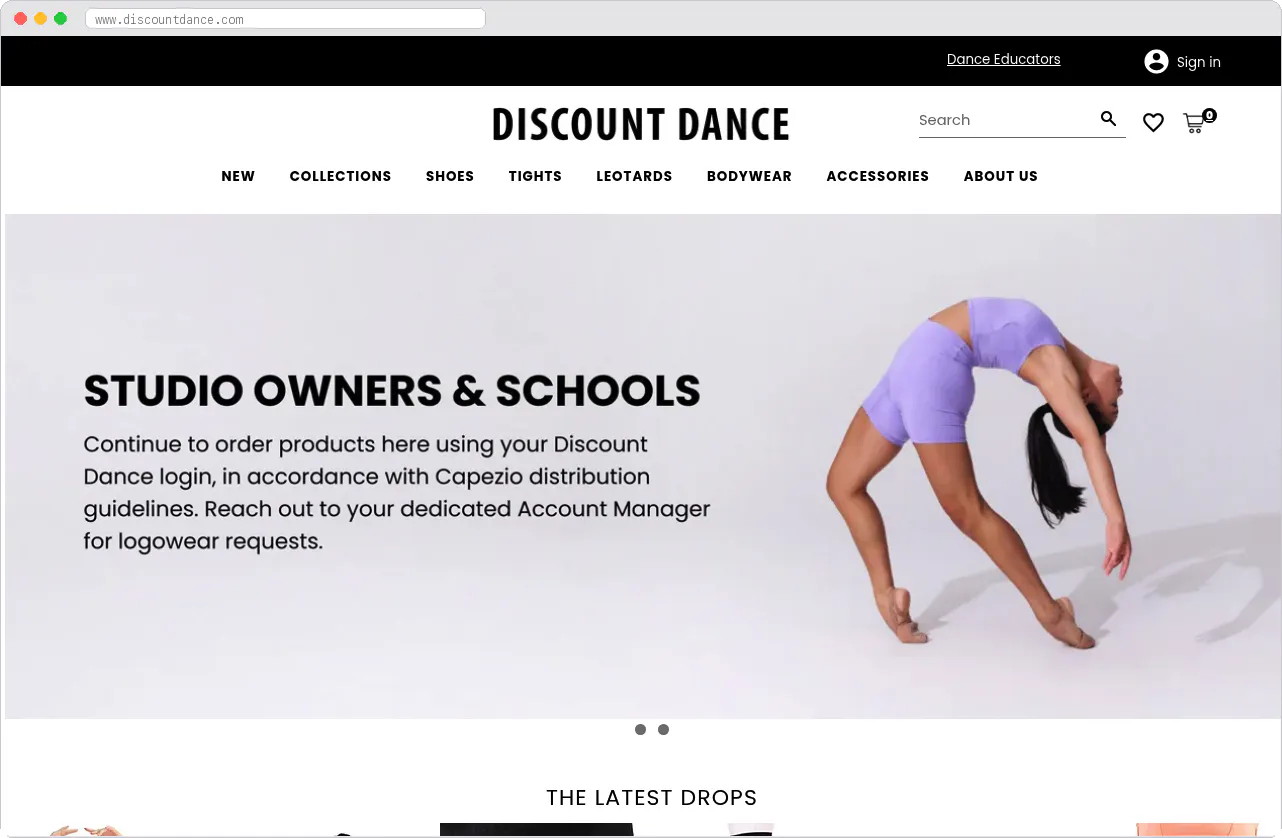
Discount Dance Supply operates as both a retailer and marketplace, carrying over 100 brands while also allowing third-party sellers. They've built trust through detailed size guides, video tutorials, and a liberal return policy. Their success comes from understanding that dance wear purchases often require educational support, especially for newer dancers unfamiliar with sizing and brand differences.
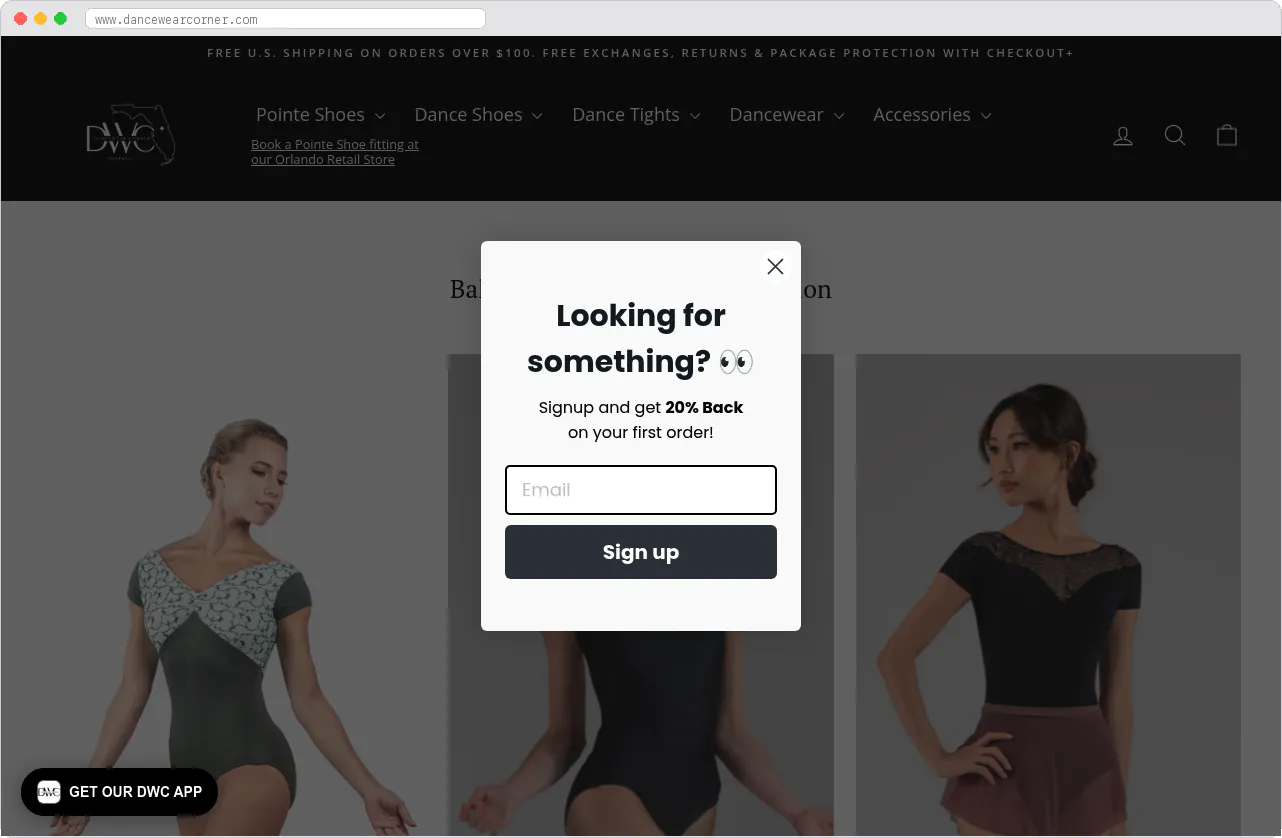
Dancewear Corner focuses on serving dance teachers and studio owners with bulk ordering capabilities and studio-specific catalogs. They've differentiated by understanding the B2B side of the market, where dance schools need consistent inventory and competitive pricing for student requirements.
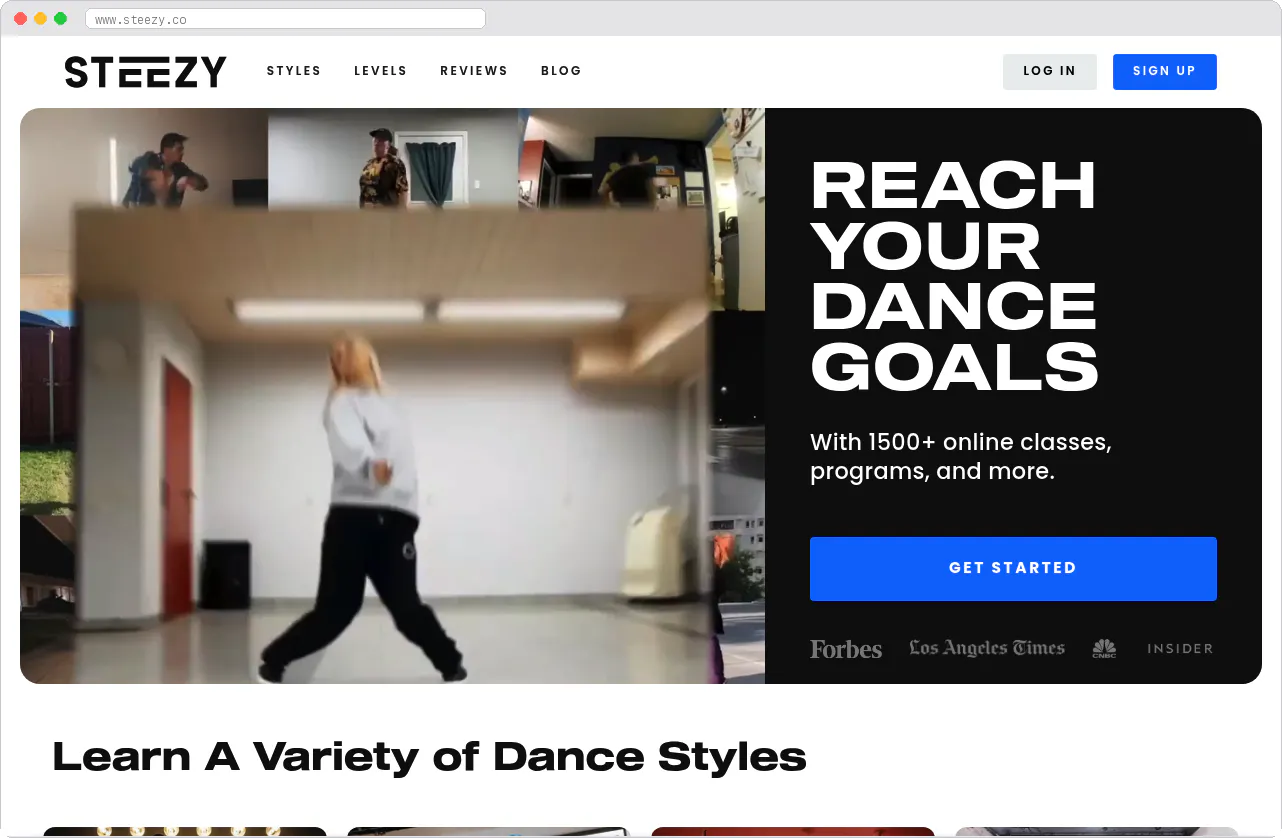
STEEZY Studio has expanded beyond dance education into selling streetwear and urban dance apparel, targeting the growing hip-hop dance community. Their approach demonstrates how marketplace positioning can target specific dance subcultures rather than trying to serve all genres equally.
Traditional dancewear manufacturers like Capezio and Bloch operate their own e-commerce sites but generally don't allow third-party sellers. This creates opportunities for marketplaces to aggregate these brands alongside independent sellers and used items.
General marketplaces like Amazon and eBay also compete in this space, but they often lack the specialized knowledge and trust factors that dance-specific platforms can provide. Dancers frequently complain about incorrect sizing information and counterfeit products on general platforms.
The competitive landscape suggests that successful dance wear marketplaces need to choose their positioning carefully. Some focus on price and selection, others on education and community, and still others on specific dance genres or customer segments.
Essential features for a dance wear marketplace
Dance wear marketplaces require specialized functionality that differs significantly from general e-commerce platforms. The unique nature of dance products and the community's specific needs drive these feature requirements.
Detailed product categorization and filtering forms the foundation of any dance wear marketplace. Dancers need to filter by dance style (ballet, jazz, contemporary, etc.), product type (shoes, apparel, accessories), size ranges that vary significantly by brand and product type, and specific attributes like shank strength in pointe shoes or compression levels in dancewear.
The categorization must accommodate the complexity of dance products. A single pair of ballet shoes might need classification by sole type (leather, canvas, or hybrid), construction method (hand-sewn or machine-made), and intended use (class, performance, or competition). This level of detail helps dancers find exactly what they need while reducing returns from incorrect purchases.
Advanced search and size management capabilities address one of the biggest challenges in online dance wear shopping: sizing inconsistencies. Different brands use different sizing charts, and products like pointe shoes require extremely precise fitting. Successful marketplaces often include size conversion tools, detailed measurement guides, and user-generated fit feedback.
Many platforms also implement size prediction algorithms based on previous purchases and user measurements. This technology helps reduce the trial-and-error process that drives high return rates in online dance wear sales.
Rich product descriptions and multimedia content serve the educational needs of dance wear shoppers. Product pages need comprehensive details about materials, construction, intended use, care instructions, and sizing. High-quality photos from multiple angles help customers assess products, while video content demonstrating proper fit or product features adds significant value.
User-generated content like fit photos and reviews becomes particularly valuable in dance wear marketplaces. Dancers often share detailed feedback about durability, comfort, and performance characteristics that help other buyers make informed decisions.
Seller verification and rating systems build the trust necessary for specialty product marketplaces. Dance wear purchases often involve significant investment, especially for professional-quality items. Buyers need confidence in seller authenticity, product condition (for used items), and reliable shipping.
Many successful marketplaces implement seller verification processes that include business registration checks for commercial sellers and identity verification for individual sellers. Rating systems typically cover multiple dimensions: product accuracy, shipping speed, and customer service quality.
Community features and educational content differentiate dance wear marketplaces from general retailers. Many platforms include sizing guides, care instruction libraries, and educational content about product selection. Some implement community features like forums where dancers can ask questions and share experiences.
These community elements serve multiple business purposes: they increase user engagement and return visits, they provide valuable user-generated content that improves search engine visibility, and they create switching costs that improve customer retention.
Inventory management for diverse product types accommodates the unique characteristics of dance wear commerce. Some products like custom costumes are made-to-order with extended lead times, while others like pointe shoes have seasonal availability. The platform must handle pre-orders, backorders, and clear communication about availability timelines.
Size-specific inventory tracking becomes critical since dancers typically need specific size combinations (like dress size paired with specific shoe width). The system must track and display availability across all relevant size dimensions.
Steps to build your dance wear marketplace
Building a successful dance wear marketplace requires understanding both the technical platform requirements and the unique dynamics of the dance community. The process involves validating your specific angle, building essential features, and carefully managing the chicken-and-egg problem of marketplace liquidity.
Define your niche focus within the broader dance wear market. The most successful marketplaces often start by targeting a specific segment rather than trying to serve all dance genres equally. You might focus on ballet-specific products, street dance apparel, children's dancewear, or used/consignment items.
This focus decision affects everything from your feature requirements to your marketing strategy. A marketplace targeting professional ballet dancers needs different search filters, sizing tools, and seller verification processes than one serving recreational hip-hop dancers. Research your target segment's specific pain points with existing shopping options.
Conduct interviews with dancers, teachers, and studio owners in your target segment. Ask about their current shopping behavior, frustrations with existing options, and what would make them try a new platform. Pay particular attention to their concerns about sizing, authenticity, and return policies.
Validate demand through pre-launch research before investing in platform development. Create landing pages describing your planned marketplace and measure sign-up interest from both potential buyers and sellers. Test different value propositions and feature sets to see what resonates most strongly.
Reach out to dance studios, schools, and individual dancers in your target market. Offer to create a simple directory or catalog as a free service while you research their needs. This approach helps you understand the market while building relationships with potential early users.
Analyze existing marketplaces and retailers to identify gaps in the current offering. Look for common complaints in reviews, underserved geographic markets, or product categories that seem poorly served by existing platforms.
Choose your development approach based on your technical skills, budget, and speed requirements. Dance wear marketplaces need sophisticated product management and search capabilities, making the technology decisions particularly important.
No-code marketplace platforms like Sharetribe offer the fastest path to launch with built-in features for product categorization, payment processing, and user management. You can customize the platform to handle dance-specific attributes like sizing, dance styles, and product conditions. The platform includes essential marketplace features like seller profiles, ratings systems, and transaction management.
Custom development gives you complete control over features and user experience but requires significant time and budget investment. Given the specialized nature of dance wear commerce, custom development might be worth considering if you have specific competitive advantages that require unique features.
Hybrid approaches using Sharetribe's developer platform let you start with no-code essentials and add custom features as needed. This path offers speed to market while preserving the option to differentiate through custom functionality.
Build your initial supply base by targeting sellers who are already active in the dance community but may lack effective online sales channels. Independent designers often create high-quality pieces but struggle with marketing and sales. Dance teachers sometimes sell private label or surplus inventory. Advanced students frequently have outgrown items in excellent condition.
Approach dance studios and schools about partnerships where you help them monetize surplus inventory or student resales. Many studios accumulate unclaimed costume pieces, sample sizes from uniform orders, or teacher-owned inventory that could stock your marketplace.
Consider becoming a seller yourself initially to ensure product availability and quality standards. You might partner with wholesale suppliers or create private label products to guarantee inventory while building demand.
Develop seller onboarding processes that ensure quality and authenticity while remaining accessible to individual dancers and small businesses. Create clear guidelines for product photos, descriptions, and condition ratings. Provide templates and examples that help sellers create effective listings.
Implement verification steps appropriate to your seller types. Commercial sellers might need business registration and brand authorization documents. Individual sellers might need identity verification and condition rating training. Strike a balance between trust-building and accessibility.
Launch to your initial community with a focus on gathering feedback rather than maximizing transactions. Start with a small group of engaged users who can provide detailed feedback about the platform experience. Use their input to refine features, policies, and user flows.
Monitor key metrics like search success rates, conversion rates by product category, and return/complaint rates. Dance wear purchases often involve more research and consideration than typical e-commerce, so expect longer decision cycles and higher engagement with product information.
Scale through community engagement rather than just paid advertising. The dance community is relatively small and highly networked, making word-of-mouth marketing particularly effective. Partner with dance influencers, teachers, and studios to build credibility and reach.
Create content that serves the community beyond just selling products. Size guides, care instructions, product selection advice, and dance industry news can drive traffic while building your reputation as a trusted resource.
Costs and development options for dance wear marketplaces
The cost to build a dance wear marketplace varies significantly depending on your approach, feature requirements, and quality standards. Understanding the investment required for each approach helps you choose the right path for your situation and goals.
No-code marketplace platforms offer the most accessible entry point for most entrepreneurs. Sharetribe's pricing starts at $199 per month for a professional marketplace with unlimited listings, transactions, and users. This includes hosting, security, payment processing integration, and core marketplace features like search, messaging, and seller management.
For a dance wear marketplace, you'd likely need additional customization to handle specialized product attributes, sizing systems, and dance-specific search filters. Custom development on top of Sharetribe typically costs $5,000-$15,000 for initial customizations, with ongoing development as needed. This approach lets you launch quickly while building exactly the features your market needs.
The total first-year cost for a Sharetribe-based dance wear marketplace typically ranges from $7,000-$20,000 including platform fees, initial customization, and basic marketing. This represents a fraction of the cost of custom development while providing professional functionality from day one.
Custom development gives you complete control but requires substantial investment. A professional dance wear marketplace with sophisticated search, inventory management, and community features typically costs $30,000-$80,000 to build, depending on complexity and team location.
Ongoing costs include hosting ($200-$2,000 monthly depending on traffic), maintenance and updates ($3,000-$10,000 monthly for a dedicated developer), security monitoring, and third-party integrations. Custom platforms also require significant time investment in project management and quality assurance.
The main advantage of custom development is the ability to build exactly the features your market needs without platform limitations. For dance wear marketplaces, this might include advanced sizing algorithms, virtual try-on features, or deep integrations with dance studio management systems.
Hybrid approaches using platforms like Sharetribe's developer tools offer a middle ground. You get core marketplace functionality immediately while adding custom features as needed. Initial costs are similar to no-code platforms, but you have unlimited expansion possibilities.
This approach works particularly well for dance wear marketplaces because you can launch with standard e-commerce features and add specialization like advanced sizing tools, dance-specific search filters, and community features based on user feedback.
WordPress and plugins represent a budget option but with significant limitations for marketplace functionality. Basic setups cost $1,000-$5,000 but often lack the sophisticated search, payment, and seller management features that dance wear marketplaces need.
The apparent cost savings often disappear when you factor in the time required to integrate multiple plugins, handle security updates, and manage the technical complexity. Most successful marketplace entrepreneurs outgrow WordPress-based solutions within their first year.
Why Sharetribe works well for dance wear marketplaces
Sharetribe's platform addresses many of the specific challenges that dance wear marketplace entrepreneurs face, from technical complexity to specialized feature requirements.
Speed to market is crucial in the dance wear space because the community is relatively small and competitive advantages come from serving users well rather than just being first to market. Sharetribe lets you launch a professional marketplace in days rather than months, giving you time to focus on understanding your customers and building supply.
The platform includes built-in marketplace essentials like user registration, seller profiles, search and filtering, secure messaging, transaction management, and admin tools. For dance wear marketplaces, this foundation handles the complex technical requirements while you focus on market-specific features like specialized product categories and sizing systems.
Flexible product management accommodates the complexity of dance wear products. You can create custom fields for dance style, skill level, sizing information, and product condition. The system handles variable pricing for different sizes or customization options, which is common in dancewear sales.
Sharetribe's search and filtering system can be customized to handle dance-specific requirements like filtering by dance genre, experience level, or precise size combinations. This level of customization typically requires extensive custom development on other platforms.
Built-in payment processing through Stripe Connect handles the complex financial requirements of marketplace businesses, including commission collection, seller payouts, and international transactions. This infrastructure would cost tens of thousands of dollars to build independently while requiring ongoing compliance management.
For dance wear marketplaces, reliable payment processing is particularly important because transactions often involve higher-value items and international shipping. Sharetribe's payment system handles these complexities while providing transparency for both buyers and sellers.
Scalability and customization options mean you don't have to rebuild your platform as you grow. Many successful marketplaces start with Sharetribe's no-code builder and add custom features through the developer API as their business evolves. This path lets you validate your market quickly while preserving the option to build competitive advantages through custom functionality.
Dance wear marketplaces often need specialized features like virtual sizing tools, studio partnerships, or advanced inventory management. Sharetribe's architecture supports these additions without requiring a platform migration.
Community and content features help build the engagement that dance wear marketplaces need to succeed. The platform supports seller profiles with rich content, product pages with detailed descriptions and multiple images, and user-generated content like reviews and ratings.
Many dance wear marketplaces succeed by building communities around their products. Sharetribe's flexible content management lets you add educational resources, sizing guides, and community features that serve your users beyond just transactions.
Marketing and growing your dance wear marketplace
Successful dance wear marketplaces typically grow through community engagement and specialized marketing rather than broad advertising campaigns. The dance community's tight-knit nature creates opportunities for targeted, relationship-based growth strategies.
Content marketing works particularly well in the dance wear space because dancers frequently research products extensively before purchasing. Create comprehensive guides about sizing, product selection, care instructions, and dance-specific product information. This content serves your users while improving search engine visibility for dance-related queries.
Develop content that addresses common pain points like "How to choose pointe shoes for beginners" or "Sizing guide for dancewear brands." This educational approach builds trust while positioning your marketplace as an authoritative resource.
Partnership marketing with dance studios, schools, and teachers can provide efficient customer acquisition. Many studios struggle with helping students find appropriate dancewear and would welcome partnerships with reliable marketplaces. Offer special programs for studio partners like bulk ordering, student discounts, or revenue sharing.
Dance teachers and studio owners often influence student purchasing decisions. Building relationships with these influencers can drive significant marketplace traffic while providing valuable feedback about product needs and market trends.
Community engagement through dance events, competitions, and social media helps build brand awareness within the target market. Sponsor local dance competitions or recitals to reach concentrated audiences of potential customers. Many dance events welcome sponsors who provide value to participants.
Social media marketing works well in the dance community because dancers frequently share photos and videos of their performances and practice sessions. Partner with dance influencers and encourage user-generated content featuring products from your marketplace.
SEO optimization for dance-specific keywords can drive organic traffic from dancers researching products. Target long-tail keywords like "professional ballet shoes for advanced dancers" or "hip hop dance apparel for competitions." These searches often indicate purchase intent and face less competition than generic fashion keywords.
Optimize product pages with detailed descriptions, customer reviews, and technical specifications. Dance wear shoppers often conduct extensive research, making comprehensive product information a competitive advantage.
Conclusion
Building a successful dance wear marketplace requires understanding both the technical requirements of marketplace platforms and the unique characteristics of the dance community. The market offers strong opportunities for entrepreneurs who can serve specialized needs better than general retailers.
The key to success lies in focusing on a specific segment of the dance market, building trust through quality and authenticity, and creating genuine value for both buyers and sellers. Dance wear marketplaces succeed when they become integral parts of the dance community rather than just transaction platforms.
Sharetribe provides an efficient path to launch while preserving the flexibility to add specialized features as your market understanding grows. The platform handles complex technical requirements while letting you focus on serving your community and building competitive advantages.
Whether you choose Sharetribe or another approach, the most important factor is speed to market combined with deep market understanding. Launch quickly, gather feedback from real users, and iterate based on their needs. The dance community will reward platforms that serve them well with loyalty and word-of-mouth growth.
Frequently asked questions
How much does it cost to build a dance wear marketplace?
Costs vary by approach: A no-code marketplace platform costs $99-399 per month, bringing total first-year costs to roughly $2,000-5,000. No-code offers faster launch and lower risk for validating your market.
What makes dance wear marketplaces different from regular fashion sites?
Dance wear requires specialized sizing systems, product categorization by dance style, detailed fit information, and community features. Dancers need precise sizing and authenticity verification that general fashion platforms don't provide.
How do I find suppliers for my dance wear marketplace?
Start with independent designers, dance studios selling surplus inventory, and individual dancers reselling items. Partner with local studios and dance schools, attend dance competitions, and connect with manufacturers who lack direct-to-consumer channels.
Can I compete with established brands like Discount Dance Supply?
Yes, by focusing on underserved niches like specific dance styles, geographic regions, or customer segments (like sustainable dancewear or plus-size options). Success comes from serving specialized needs better than general platforms.
Do I need technical skills to build a dance wear marketplace?
No, platforms like Sharetribe let you launch without coding while supporting custom development later. You can start with no-code essentials and add specialized features as your business grows and generates revenue.
How long does it take to launch a dance wear marketplace?
With no-code platforms, 1-2 weeks for basic launch, 4-8 weeks with initial customizations. Custom development takes 6+ months. Faster launch lets you validate your market and gather user feedback sooner.
Start your 14-day free trial
Create a marketplace today!
- Launch quickly, without coding
- Extend infinitely
- Scale to any size
No credit card required