How to build a marketplace for event planning
Event planning marketplaces connect event organizers with venues, caterers, photographers, and other service providers. Learn how to build a successful event planning platform with the right features, business model, and growth strategy.
Published: Dec 21, 2023
Last updated: Mar 19, 2026
How event planning marketplaces work
Event planning marketplaces operate as three-sided platforms connecting event organizers with service providers and venues. Unlike direct booking platforms like Eventbrite that focus on ticket sales, event planning marketplaces facilitate the entire service procurement process for events ranging from intimate weddings to large corporate conferences.
The business model centers on commission fees charged to service providers for successful bookings, typically ranging from 5% to 15% of the transaction value. Some platforms also charge listing fees or subscription fees to vendors for premium features like enhanced profiles or priority placement in search results.
These marketplaces solve a fundamental coordination problem in the events industry. Event organizers traditionally spend weeks calling venues, comparing catering options, and vetting photographers through scattered directories and personal networks. Meanwhile, event service providers struggle to reach new clients beyond word-of-mouth referrals and expensive advertising.
Successful event planning marketplaces create value by aggregating fragmented supply, standardizing the comparison process, and building trust through reviews and secure payment processing. The platform becomes more valuable as it grows, creating network effects where more vendors attract more organizers and vice versa.
What makes event planning marketplaces successful
Event planning marketplaces face unique challenges that distinguish them from other marketplace categories. Unlike product marketplaces where transactions are relatively straightforward, event services require complex coordination, customization, and timing.
Trust is paramount because events are often once-in-a-lifetime occasions with high emotional stakes. A wedding photographer who doesn't show up or a caterer who delivers poor food can't simply issue a refund. This makes reputation systems and vetting processes critical for marketplace success.
Geographic relevance matters deeply since most event services must be delivered locally. A marketplace needs sufficient vendor density in each market to provide meaningful choice, which often means starting with major metropolitan areas before expanding to smaller cities.
Seasonal and cyclical demand creates inventory management challenges. Wedding vendors are busiest during summer months, while corporate event planners see peaks around conferences and annual meetings. Successful platforms help vendors optimize their calendars and pricing across these cycles.
Complex pricing structures require sophisticated booking systems. Unlike hotels with standard nightly rates, event services often involve custom quotes based on guest counts, service levels, duration, and add-ons. The platform must accommodate this complexity while maintaining transparency for buyers.
Essential features for event planning marketplaces
Event planning marketplaces require specialized functionality beyond basic marketplace features. The complexity of event services demands sophisticated tools for both organizers and vendors.
Detailed vendor profiles and portfolios form the foundation of trust-building. Event organizers need to see comprehensive work samples, pricing information, availability calendars, and detailed service descriptions. Portfolio galleries showcasing past events help buyers visualize their own event potential. Vendor profiles should include certifications, insurance information, and service area coverage.
Advanced search and filtering capabilities must accommodate the multi-dimensional nature of event planning. Buyers need to filter by event type (wedding, corporate, birthday), service category (venue, catering, photography), date availability, guest capacity, budget range, and location. The search experience should support complex queries like "outdoor wedding venues for 150 guests in San Francisco available in June with on-site catering."
Integrated messaging and quote management streamline the negotiation process that's essential for custom event services. Unlike standardized bookings, event services typically require back-and-forth communication about specific requirements, timing, and pricing. The platform should provide tools for vendors to create detailed proposals, share mood boards or floor plans, and manage multiple quote versions.
Calendar and availability management prevents double-bookings and helps vendors optimize their scheduling. Event vendors often work on multiple events simultaneously, especially photographers who might shoot multiple events in a single weekend. The system needs to handle partial availability (available for setup but not breakdown) and buffer time between events.
Review and rating systems require nuance for event services. Beyond simple star ratings, the platform should collect structured feedback on specific aspects like communication, punctuality, service quality, and value. Photo and video reviews are particularly valuable for visual services like photography, decoration, and venue styling.
Secure payment processing with escrow protects both parties in high-value, custom service transactions. Event services often require deposits weeks or months in advance, with final payments due after service delivery. The payment system should handle milestone-based releases, change orders, and dispute resolution.
Mobile optimization is critical since event planning often happens on-the-go. Organizers frequently need to check vendor availability, review proposals, or communicate with vendors while visiting venues or meeting with other service providers.
Event planning marketplace competitors and alternatives
The event planning marketplace landscape includes several established players with different positioning and business models. Understanding the competitive environment helps identify opportunities for differentiation.
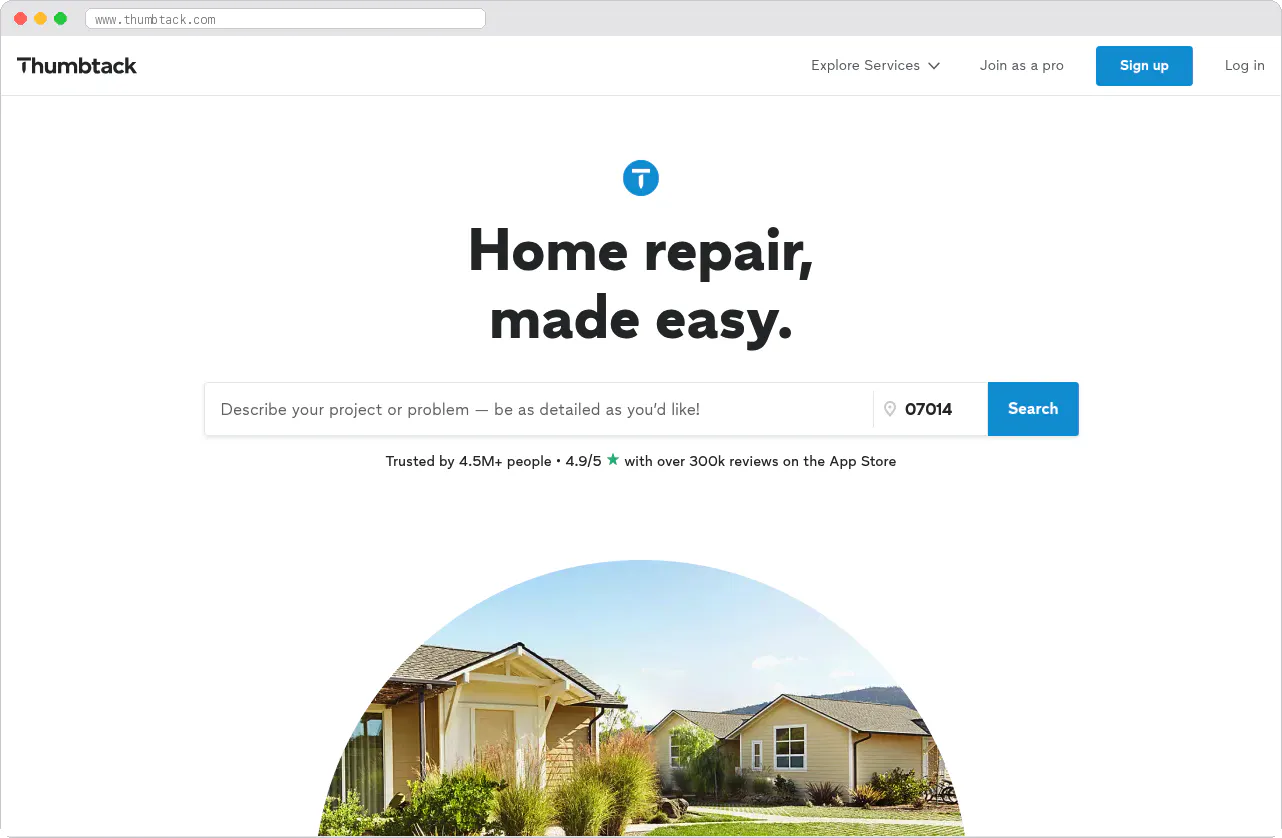
Thumbtack operates as a broad local services marketplace that includes event planning among many other categories. Vendors pay for leads rather than transaction commissions, which can be attractive for high-value event services where a single lead might convert to thousands of dollars in revenue. However, Thumbtack's broad focus means less specialized tools for event planning workflows. The platform struggles with quality control since any service provider can join, leading to inconsistent experiences for event organizers.
The Bash focuses specifically on event planning and party services, offering a more curated vendor network than broader platforms. The company emphasizes local market expertise and personalized matching rather than algorithmic search. The Bash charges vendors subscription fees plus commission on successful bookings. Their model works well for repeat vendors who value the qualified leads, but the subscription barrier limits vendor supply in some markets.
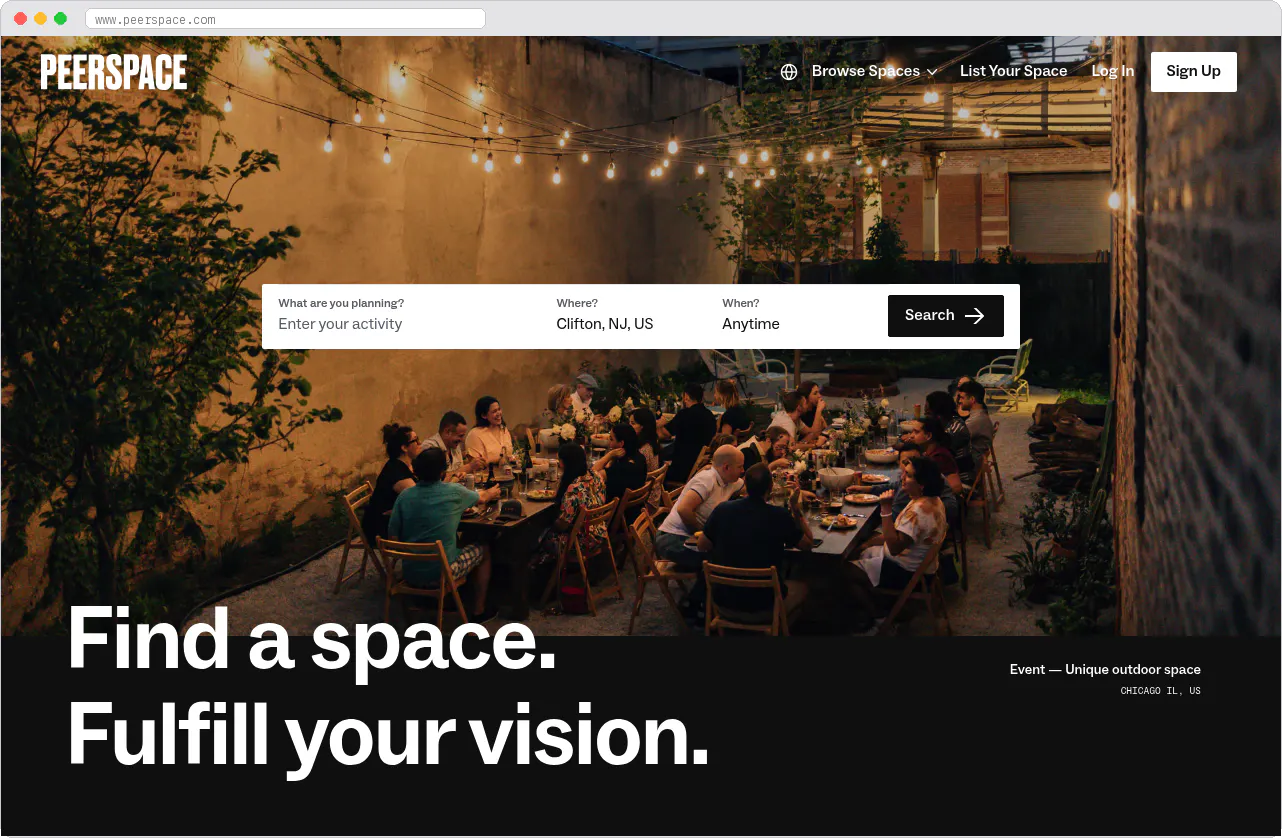
Peerspace carved out the venue rental niche with a focus on unique, non-traditional spaces. Rather than competing with hotels and convention centers, Peerspace lists private homes, art galleries, rooftops, and other distinctive venues for meetings and events. The platform standardizes pricing and booking flows more like accommodation marketplaces, with less customization than full-service event planning. Peerspace's success demonstrates the value of vertical focus within event planning.
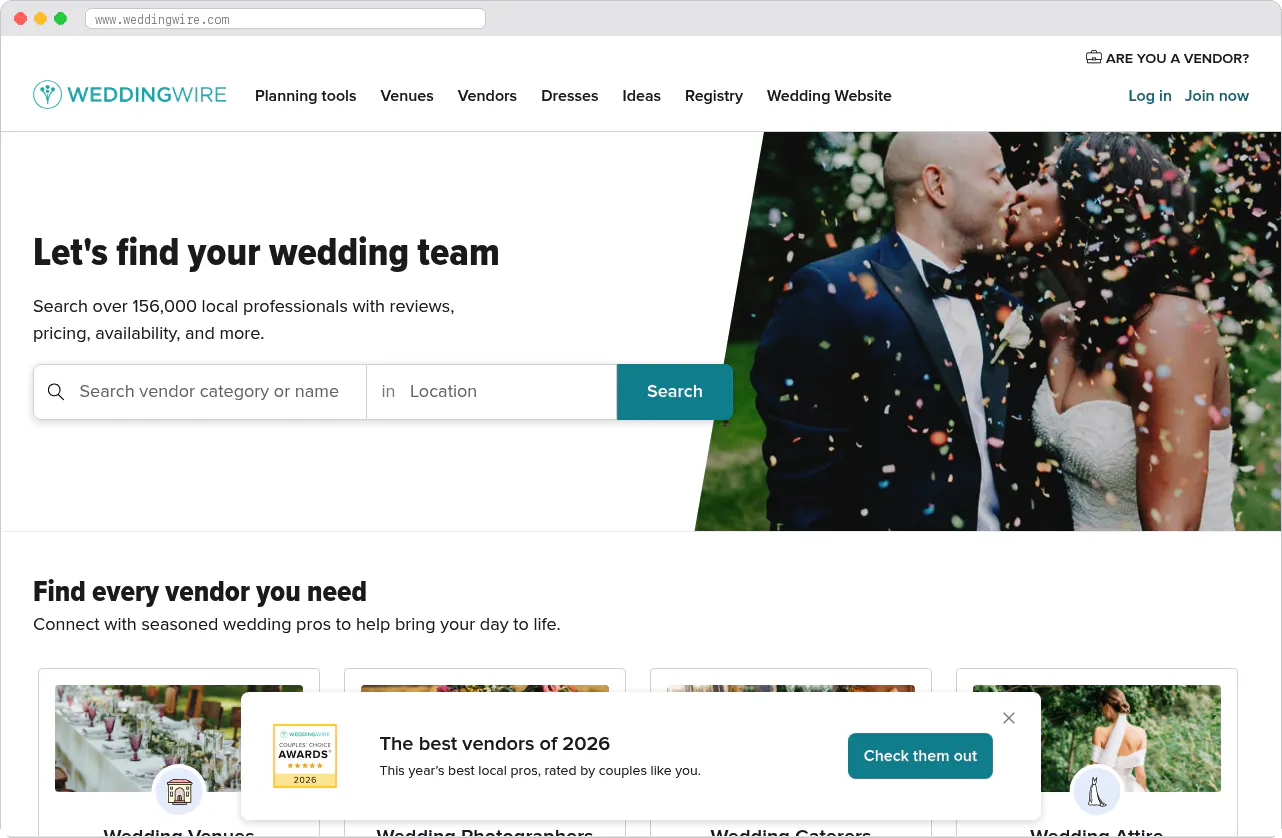
WeddingWire and The Knot dominate the wedding planning category through content marketing and comprehensive vendor directories. These platforms generate revenue primarily through vendor advertising and lead generation rather than transaction commissions. Their business model relies on high search traffic driven by wedding inspiration content, with vendor fees for premium listing placement and lead access.
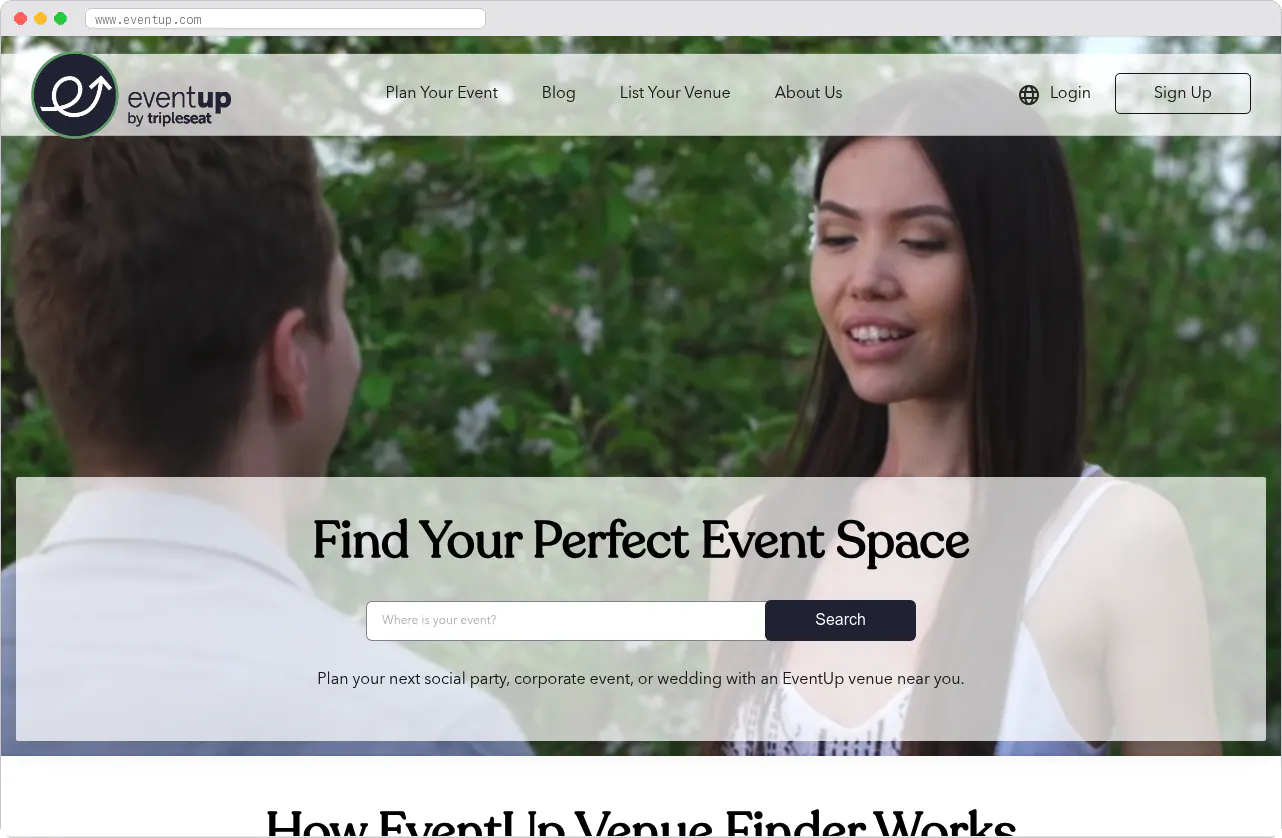
EventUp targets corporate and social events with a focus on venue booking and basic catering coordination. The platform emphasizes speed and simplicity over customization, appealing to busy professionals who need to book events quickly. EventUp's pricing model combines venue commissions with service fees charged to event organizers.
Direct venue booking platforms like OpenTable for restaurant events or hotel group websites represent indirect competition. These platforms offer convenience for simple events but lack the vendor ecosystem needed for complex event planning. However, they establish customer expectations around easy online booking that event planning marketplaces must meet.
The competitive landscape reveals several strategic considerations for new entrants. Broad platforms like Thumbtack have scale but struggle with specialization. Vertical platforms like WeddingWire have deep category expertise but limited cross-selling opportunities. Geographic focus allows for local market dominance but limits growth potential. Successful new entrants typically start with tight geographic and category focus before expanding.
Building an event planning marketplace: step-by-step approach
Creating a successful event planning marketplace requires a systematic approach that prioritizes market validation and iterative improvement over technical perfection.
Start with market research and niche selection. The events industry is vast, spanning everything from children's birthday parties to international conferences. Rather than trying to serve everyone, identify a specific event type or service category where you can establish initial traction. Wedding planning offers large transaction values but intense competition. Corporate events provide recurring revenue but longer sales cycles. Party planning has lower barriers to entry but typically smaller transaction sizes.
Speak directly with potential users in your chosen niche. Interview event organizers about their current planning process, pain points, and budget considerations. Talk to service providers about how they currently find clients, what challenges they face, and what would convince them to try a new platform. These conversations reveal whether your assumptions about market needs align with reality.
Validate demand before building supply. Unlike product marketplaces where you can source inventory independently, event planning marketplaces need local service providers who actively participate. Before recruiting vendors, prove that customer demand exists in your target market. Create a simple landing page describing your planned marketplace and collect email addresses from interested event organizers. Run targeted Facebook or Google ads to gauge interest levels and acquisition costs.
Consider starting with a "concierge MVP" approach where you manually match customers with vendors while building your platform. This validates your business model and helps you understand the matching process before automating it. Many successful marketplaces started this way, including Thumbtack's early model of personally calling vendors to check availability.
Build your vendor network strategically. Event service providers are often small businesses with limited marketing budgets, making them receptive to new customer acquisition channels. Start by identifying the highest-quality vendors in your target categories and geographic markets. These anchor tenants establish credibility and attract both customers and additional vendors.
Attend local industry events, wedding shows, and business networking meetings where event vendors gather. Many vendors are eager to discuss their businesses and challenges, providing opportunities to pitch your marketplace as a solution. Offer early access with reduced or waived fees to attract your first vendors.
Focus on vendor categories that drive the most customer engagement. Venues and photography typically generate the most search activity, while services like day-of coordination might be important but less frequently searched. Build supply in high-engagement categories first to maximize early user activity.
Design for trust and transparency. Event planning involves significant financial commitments and emotional investments, making trust essential for marketplace success. Implement thorough vendor vetting processes including business license verification, insurance confirmation, and reference checks. Clearly display this verification on vendor profiles to build customer confidence.
Develop structured review systems that capture relevant details about service quality, communication, reliability, and value. Encourage photo and video reviews for visual services. Consider implementing verified buyer requirements to maintain review authenticity.
Provide transparent pricing information where possible, even for custom services. Display starting prices, typical ranges, or package examples to help customers understand vendor costs. This reduces friction in the inquiry process and helps customers self-qualify before contacting vendors.
Create efficient matching and communication tools. Unlike standardized product purchases, event services require extensive communication and customization. Build messaging systems that accommodate file sharing, proposal attachments, and threaded conversations about different event aspects.
Implement smart matching algorithms that consider more than just location and price. Factor in vendor specialties, past customer satisfaction, availability, and style preferences. The goal is to surface vendors who are most likely to be a good fit, reducing time spent on unsuitable matches.
Provide template tools for common scenarios like request for proposals, vendor agreements, and timeline creation. These resources add value for users while encouraging them to conduct business through your platform rather than taking conversations offline.
Launch with geographic focus. Event planning is inherently local, making geographic expansion a key growth strategy. Start with a single metropolitan area where you can achieve sufficient vendor and customer density. Focus on markets with high event activity, disposable income, and tech adoption.
Major cities like San Francisco, New York, or Austin offer large addressable markets but intense competition. Secondary markets like Nashville, Denver, or Portland might have less competition but still sufficient demand to support a marketplace. Research local event spending, vendor density, and competitive landscape to make an informed choice.
Once you achieve marketplace liquidity in your initial market (regular, successful matches between vendors and customers), replicate your model in adjacent markets. Use learnings from your initial launch to refine your vendor recruitment and customer acquisition strategies.
Cost and development considerations
Building an event planning marketplace involves significant upfront investment and ongoing operational costs. Understanding these requirements helps inform your development approach and funding strategy.
Custom development from scratch provides maximum flexibility but requires substantial resources. A basic event planning marketplace with essential features typically costs $50,000 to $100,000 to develop, depending on complexity and development team location. This includes user registration and profiles, vendor listings with portfolios, search and filtering, messaging systems, review and rating functionality, basic payment processing, and administrative tools.
Advanced features like automated matching, calendar integration, proposal management, and mobile apps can double or triple development costs. Ongoing maintenance, security updates, hosting, and feature additions require dedicated technical resources or continued agency relationships.
Custom development makes sense for well-funded startups with specific technical requirements or unique business models that existing platforms can't accommodate. However, the time and cost investment delays market validation and learning opportunities.
No-code marketplace builders like Sharetribe offer faster, more affordable alternatives for validating event planning marketplace concepts. Sharetribe provides pre-built functionality for user profiles, listings, search, messaging, payments, and reviews that can be customized without coding. The platform supports complex commission structures, delayed payments, and multi-party transactions essential for event services.
With Sharetribe, you can launch a functional event planning marketplace in days rather than months, allowing rapid testing of your business model and market assumptions. The platform scales from MVP to full-featured marketplace, adding custom functionality as your business grows. This approach reduces upfront investment while maintaining flexibility for future customization.
Starting with a no-code platform doesn't limit long-term growth potential. Many successful marketplaces began with simple tools before investing in custom development. The key is validating your business model and achieving initial traction before making larger technical investments.
Payment processing complexity represents a significant technical and compliance challenge for event planning marketplaces. Unlike simple product sales, event services involve deposits, milestone payments, change orders, and potential disputes. The payment system must handle escrow functionality, multi-party splits (venue, catering, service fees), and international transactions for destination events.
Implementing compliant payment processing requires integration with specialized marketplace payment providers like Stripe Connect or PayPal for Marketplaces. These services handle regulatory compliance, tax reporting, and fund management while charging processing fees of 2.9% plus per-transaction costs.
Payment processing becomes more complex for international transactions or high-value services. Wedding vendors often require deposits of $1,000 to $10,000, while corporate event venues might involve contracts worth $50,000 or more. Your payment system must accommodate these amounts while maintaining security and compliance standards.
Marketing and customer acquisition costs often exceed development costs for event planning marketplaces. Unlike viral consumer apps, marketplace growth requires systematic vendor recruitment and customer education. Initial marketing budgets should account for both supply-side and demand-side acquisition.
Vendor acquisition might involve trade show participation ($2,000 to $10,000 per major event), direct sales efforts, content marketing, and promotional pricing. Customer acquisition through digital advertising, content marketing, and referral programs typically costs $25 to $200 per acquired customer, depending on event value and market competition.
Content marketing provides sustainable customer acquisition for event planning marketplaces. Creating valuable resources like venue guides, planning checklists, and vendor directories attracts organic search traffic while establishing platform authority. This approach requires consistent investment in content creation and SEO optimization but generates long-term returns.
How Sharetribe enables event planning marketplaces
Sharetribe's marketplace platform addresses the specific needs of event planning businesses while providing flexibility for customization and growth. The platform combines no-code launch capabilities with developer-friendly extensibility, making it suitable for both rapid prototyping and scaling successful businesses.
Built-in booking and payment functionality handles the complex transaction flows typical in event planning. Sharetribe supports deposit and final payment structures, escrow holding periods, and commission splits between platform and vendors. The integrated Stripe Connect implementation manages regulatory compliance and tax reporting, reducing operational complexity for marketplace operators.
The platform accommodates custom pricing models including flat rates, hourly billing, package pricing, and quote-based services. Vendors can set availability calendars, minimum booking requirements, and seasonal pricing adjustments. These features support the diverse pricing structures common in event services without requiring custom development.
Advanced search and filtering capabilities let customers find vendors using multiple criteria simultaneously. Sharetribe's search engine supports location-based queries, date availability, price ranges, and custom attributes like event type or service specialties. The platform automatically handles complex queries and displays results with relevant sorting options.
Custom fields and taxonomies allow fine-tuned categorization of vendors and services. An event planning marketplace might include fields for venue capacity, catering style, photography specialties, or equipment availability. These attributes integrate smoothly with search and filtering functionality.
Communication and proposal management tools facilitate the extensive back-and-forth typical in event planning. Sharetribe's messaging system supports file attachments, photo sharing, and threaded conversations. Vendors can create detailed service proposals with pricing breakdowns, terms, and visual mockups.
The platform tracks conversation history and booking status, helping both parties manage multiple concurrent discussions. Automated notifications keep users engaged and informed about booking updates, new messages, and review requests.
Flexible marketplace configuration accommodates different event planning business models without coding. Operators can adjust commission rates by vendor category, implement membership fees, charge listing fees, or combine multiple revenue streams. The platform supports both single-sided and double-sided commission structures.
Sharetribe's admin tools provide comprehensive oversight of marketplace activity including transaction monitoring, user management, content moderation, and performance analytics. The dashboard highlights key metrics like gross merchandise value, active users, conversion rates, and vendor performance.
Scalable infrastructure and customization options support marketplace growth from launch to enterprise scale. Sharetribe handles hosting, security, backups, and performance optimization, allowing operators to focus on business development rather than technical maintenance. The platform automatically scales with user growth and transaction volume.
For advanced customization needs, Sharetribe's API and webhook system enables integration with specialized event planning tools, CRM systems, accounting software, and marketing automation platforms. Custom frontend development allows complete control over user experience while maintaining backend marketplace functionality.
The Sharetribe Expert Network provides access to vetted developers and agencies experienced in marketplace customization. This resource helps non-technical founders implement advanced features or unique designs without building internal development teams.
Growing your event planning marketplace
Successful event planning marketplaces require ongoing attention to supply-demand balance, quality control, and geographic expansion. Growth strategies must account for the seasonal nature of event planning and the local character of most event services.
Achieving marketplace liquidity represents the primary challenge for new event planning platforms. Liquidity means customers consistently find suitable vendors while vendors receive regular booking inquiries. This balance requires careful management of vendor recruitment, customer acquisition, and geographic focus.
Start by establishing strong vendor supply in your core service categories and geographic area. Focus on quality over quantity, ensuring that featured vendors provide excellent service and positive customer experiences. A few outstanding vendors generate better word-of-mouth marketing than many mediocre ones.
Monitor key liquidity metrics including search-to-inquiry conversion rates, inquiry-to-booking conversion rates, vendor utilization rates, and customer repeat usage. These metrics reveal whether your marketplace provides value to both sides and identify areas needing improvement.
Content marketing drives sustainable growth for event planning marketplaces by attracting organic search traffic and establishing platform authority. Create valuable resources that address common event planning challenges like budget planning, vendor selection, timeline management, and style inspiration.
Local content performs particularly well for geographically focused marketplaces. Venue guides, vendor spotlights, real event features, and local event calendars attract customers while supporting vendor marketing efforts. This content also improves search engine visibility for location-based queries.
Consider launching an event planning blog or resource center featuring expert advice, trend reports, and planning tools. This content positions your marketplace as a trusted resource while driving long-term organic traffic growth.
Strategic partnerships can accelerate growth while reducing customer acquisition costs. Partner with complementary businesses like invitation designers, rental companies, or event insurance providers to offer comprehensive service packages. These partnerships provide value to customers while generating referral opportunities.
Venue partnerships are particularly valuable since venues often interact with multiple event service providers. Establishing relationships with popular venues can drive vendor recruitment while providing customer leads.
Consider partnerships with corporate clients, wedding planners, or event management companies who regularly book multiple services. These relationships provide steady transaction volume while reducing customer acquisition costs.
Quality assurance and vendor management become increasingly important as your marketplace scales. Implement systematic vendor onboarding processes including background checks, portfolio reviews, and trial bookings. Regular performance monitoring helps identify vendors who consistently deliver excellent service versus those who need improvement or removal.
Develop vendor success programs that help service providers optimize their marketplace presence, improve their booking rates, and enhance customer satisfaction. These programs increase vendor loyalty while improving overall marketplace quality.
Customer service excellence differentiates successful marketplaces from simple directory websites. Provide responsive support for booking issues, payment problems, and vendor disputes. Proactive customer service often converts challenging situations into positive reviews and referrals.
Conclusion
Building a successful event planning marketplace requires understanding the unique challenges of service-based transactions, the importance of local market focus, and the need for sophisticated trust and quality systems. While the events industry offers substantial opportunities, success depends on careful niche selection, systematic vendor development, and relentless focus on customer experience.
The fastest path to market validation involves starting with a focused geographic area and specific event type, using no-code tools like Sharetribe to minimize upfront investment while testing your business model. This approach allows rapid iteration based on real customer feedback rather than assumptions about market needs.
Remember that marketplace success comes from solving real problems for both vendors and customers, not just connecting them. Focus on building trust, streamlining complex processes, and creating genuine value that justifies your commission fees. With the right approach and persistent execution, event planning marketplaces can build strong, defensible businesses in this growing industry.
Frequently asked questions
How much does it cost to build an event planning marketplace?
Custom development typically costs $60,000-$80,000 while no-code platforms like Sharetribe let you launch for under $3,000/year. No-code is recommended for validating your business model before larger investments.
What features are essential for an event planning marketplace?
Core features include vendor profiles with portfolios, advanced search/filtering, integrated messaging, availability calendars, secure payments with escrow, review systems, and mobile optimization for on-the-go planning.
How do event planning marketplaces make money?
Most charge commission fees of 5-15% to service providers on successful bookings. Some also charge listing fees, subscription fees for premium vendor features, or lead generation fees.
Should I start with a broad platform or focus on specific events?
Start with a specific niche like weddings or corporate events in one geographic market. This allows you to achieve marketplace liquidity faster and understand customer needs before expanding.
How do I attract vendors to my new event planning marketplace?
Focus on high-quality vendors in core categories first, offer reduced early-access fees, attend industry events, and start with vendors who already know you or your network to establish credibility.
What's the biggest challenge for event planning marketplaces?
Achieving marketplace liquidity - having enough quality vendors to attract customers while generating sufficient bookings to keep vendors engaged. This requires careful balance of supply and demand growth.
Start your 14-day free trial
Create a marketplace today!
- Launch quickly, without coding
- Extend infinitely
- Scale to any size
No credit card required