How to build a website like Whatnot
Whatnot transformed collectibles trading through live auctions and community features, reaching $2.7 billion valuation by 2023. This guide shows you how to build a similar live auction marketplace, from essential features to launch strategies.
Published: Nov 16, 2023
Last updated: Mar 19, 2026
What is Whatnot and why build something similar?
Whatnot is a live social shopping platform that combines marketplace functionality with live streaming, creating an interactive experience where sellers host live auctions and shows to sell collectibles, trading cards, fashion items, and other goods. Founded in 2019 by Grant Lafontaine and Logan Head, the platform has grown explosively, reaching a $3.7 billion valuation in 2022 and processing over $500 million in gross merchandise value annually.
The platform's success stems from solving a key problem in collectibles trading: the lack of trust and excitement in online transactions. Traditional marketplaces like eBay create distance between buyers and sellers, making it difficult to verify authenticity and build relationships. Whatnot bridges this gap by enabling sellers to showcase products live, answer questions in real-time, and build personal connections with buyers through interactive features.
Whatnot's model has proven particularly effective during the pandemic boom in collectibles trading, when sports cards, Pokemon cards, and other collectibles saw massive price increases. The platform capitalized on this trend by creating a social experience around buying and selling, turning transactions into entertainment.
Building a marketplace similar to Whatnot presents significant opportunities. The live commerce market is projected to reach $35 billion by 2024, and collectibles represent just one vertical where this model works. Similar approaches could succeed in fashion, art, antiques, electronics, or any category where product demonstration and authenticity matter.
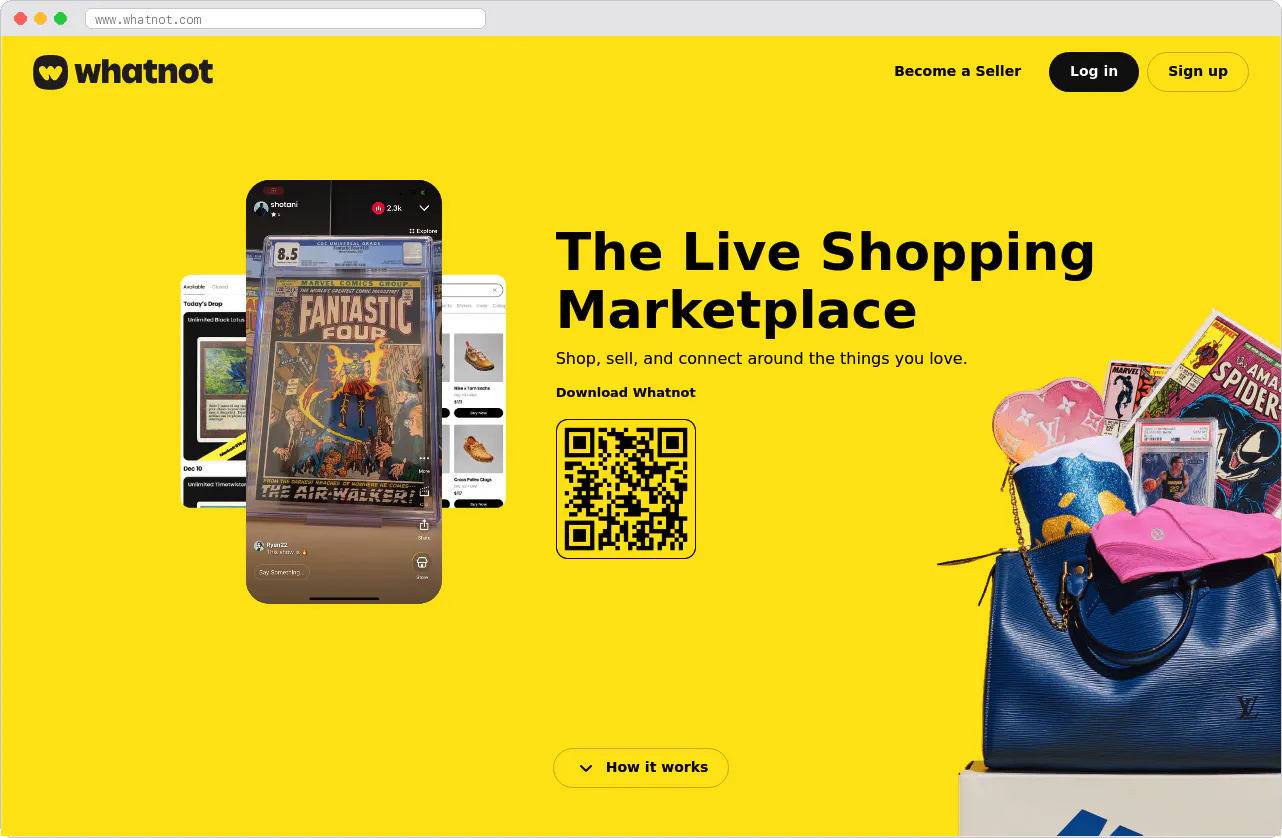
How does Whatnot work?
Whatnot operates as a live auction marketplace where sellers broadcast video streams while showcasing products and conducting auctions. The platform combines several interaction methods to create an engaging experience for both buyers and sellers.
Sellers on Whatnot can list products for direct sale at fixed prices, but the platform's signature feature is live shows where hosts present items through video streams. During these shows, sellers can run various types of auctions including English auctions (traditional bidding), Dutch auctions (price drops over time), and "breaks" where buyers purchase spots in trading card pack openings. The live format allows sellers to demonstrate products, discuss their history and condition, and build trust through face-to-face interaction.
Buyers participate by watching live streams, asking questions through chat, and placing bids or making purchases in real-time. The platform includes social features like following favorite sellers, joining waitlists for popular shows, and participating in community discussions. Whatnot's algorithm promotes engaging content and helps buyers discover new sellers and products based on their interests.
The transaction process is streamlined for the live format. When buyers win auctions or make purchases during shows, payment is processed immediately through the platform. Sellers ship items directly to buyers, with Whatnot handling payment processing and taking its commission. The platform provides buyer protection policies and dispute resolution to maintain trust.
Whatnot's business model and revenue streams
Whatnot operates on a commission-based marketplace model, taking a percentage of each sale conducted through the platform. The company charges sellers a commission fee that varies by category, typically ranging from 8% to 12% of the sale price. Unlike traditional marketplaces that charge listing fees, Whatnot only takes payment when transactions occur, aligning the platform's success with seller success.
The platform generates additional revenue through premium seller services. These include promoted listings that give sellers better visibility in search results and recommendations, advanced analytics tools for tracking performance, and priority customer support. Some sellers also pay for professional production equipment and studio setups to improve their show quality.
Whatnot has also experimented with branded partnerships and sponsored content, allowing companies to work with popular sellers to showcase products or sponsor shows. This creates additional revenue while maintaining the authentic, seller-driven content that makes the platform successful.
The live format creates natural monetization opportunities through features like virtual gifts that viewers can send to entertainers during shows, though Whatnot has focused primarily on transaction commissions rather than these ancillary revenue streams.
Key features that make Whatnot successful
Whatnot's success depends on several interconnected features that create a unique live shopping experience. The core technology stack combines live video streaming, real-time bidding systems, payment processing, and social interaction tools.
The live streaming infrastructure is fundamental to the platform. Sellers broadcast high-quality video feeds that can handle multiple concurrent viewers while maintaining low latency for real-time interaction. The platform supports features like multiple camera angles, screen sharing for showing close-up details, and integrated chat overlays that display bids and comments directly on the video feed.
Real-time auction mechanics require sophisticated technology to handle simultaneous bidding from multiple participants. The platform processes bid updates instantly, displays current high bids to all participants, and automatically extends auction timers when last-second bids occur. This creates the excitement and urgency that drives successful auctions.
Social features differentiate Whatnot from traditional auction sites. Buyers can follow sellers to receive notifications about upcoming shows, join waitlists for popular events, and participate in community discussions around specific interests or categories. The platform's recommendation engine suggests new sellers and products based on viewing and purchasing history.
Payment and logistics handling is streamlined for the live format. When buyers make purchases during shows, payment processing happens automatically in the background, allowing the show to continue without interruption. Sellers receive consolidated payouts for all sales from a show, and buyers receive combined shipping for multiple purchases from the same seller.
Trust and safety features address the unique challenges of live auction marketplaces. These include seller verification requirements, buyer protection policies, dispute resolution processes, and content moderation for live streams. The platform also implements fraud detection systems specifically designed for auction environments.
Mobile optimization is critical since many users participate in shows while multitasking. The mobile app provides full functionality including bidding, purchasing, and streaming, with push notifications for followed sellers and won auctions.
Major competitors and alternatives to Whatnot
The live commerce and collectibles marketplace space includes several established players, each with different approaches and strengths that Whatnot competes against.
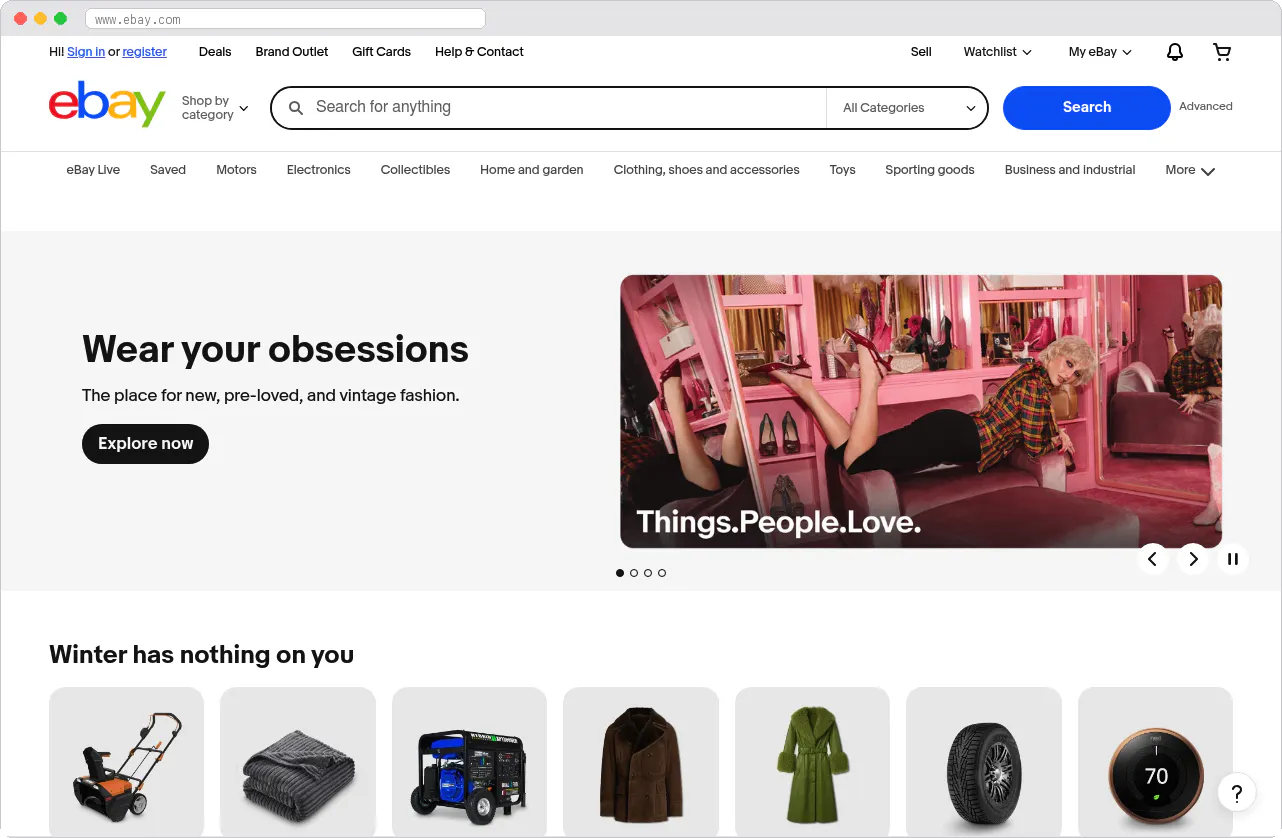
eBay Live represents eBay's attempt to compete directly with Whatnot's live auction format. Launched in 2021, eBay Live allows sellers to host live streams while conducting auctions, similar to Whatnot's core functionality. However, eBay Live operates within eBay's broader marketplace ecosystem, which means it benefits from eBay's massive user base and established seller relationships but also competes for attention with traditional auction and Buy It Now listings. The integration with eBay's existing systems provides sellers with powerful tools and analytics, but the platform lacks Whatnot's focus and specialization in live social shopping.
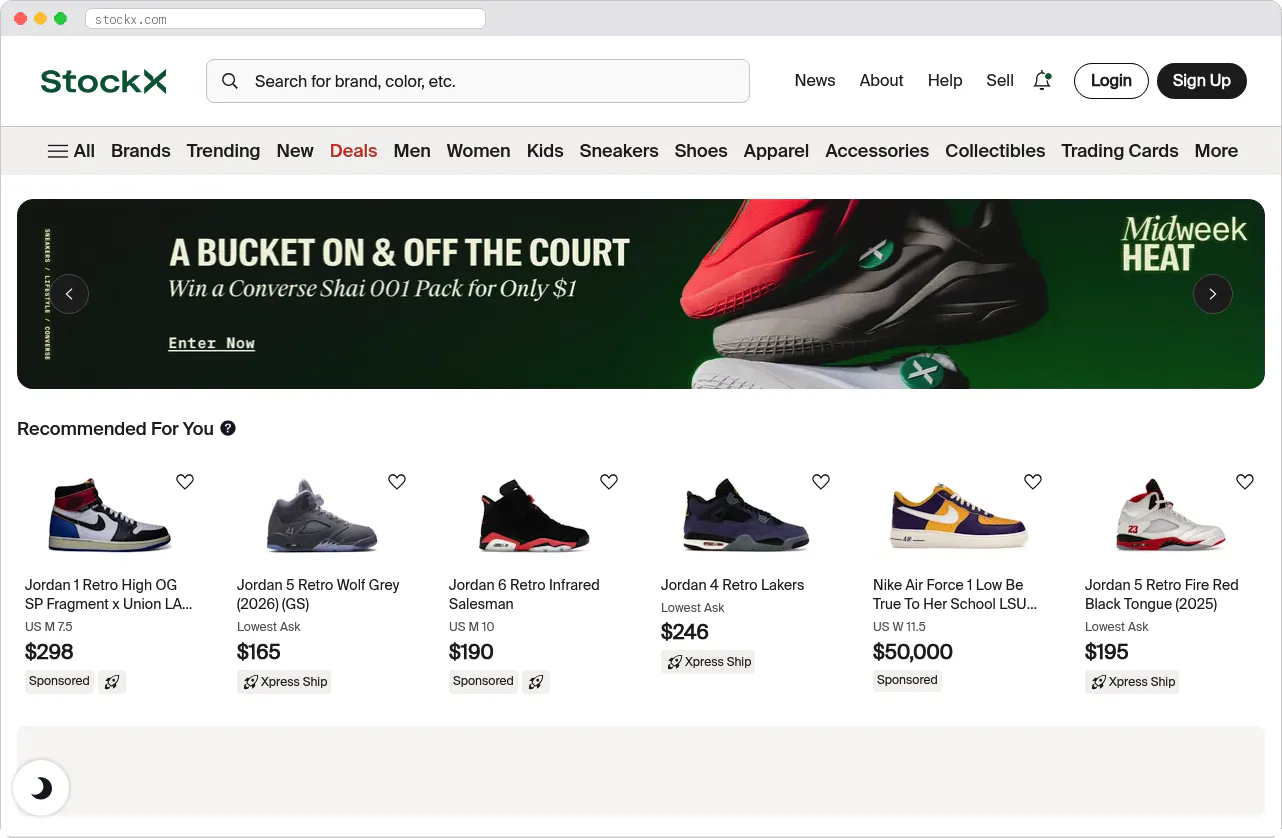
StockX dominates the sneaker and streetwear authentication market through a different approach entirely. Rather than live auctions, StockX operates as a stock market for collectibles, with bid and ask prices that create transparent market pricing. The platform's strength lies in its authentication service, where every item is physically inspected before shipping to buyers. This solves the authenticity problem differently than Whatnot's live demonstration approach. StockX's model works particularly well for standardized products like sneakers where condition and authenticity can be systematically verified, but it lacks the social engagement and entertainment value that makes Whatnot appealing.
GOAT competes with both Whatnot and StockX in sneakers and collectibles, offering both marketplace functionality and authentication services. GOAT's approach combines traditional e-commerce with authentication, allowing buyers to purchase items immediately at listed prices while providing seller verification and buyer protection. The platform has expanded beyond sneakers into apparel and accessories, creating a broader marketplace similar to Whatnot's category expansion.
Heritage Auctions represents the traditional high-end auction house model moving online. Heritage conducts live online auctions for collectibles, sports memorabilia, and art, often with items worth thousands or millions of dollars. Their auctions include live streaming with professional auctioneers, but the format is formal and focused on high-value items rather than the casual, social atmosphere that Whatnot creates. Heritage's strength lies in expertise and authentication for extremely valuable items, while Whatnot democratizes the auction experience for everyday collectibles.
Facebook Marketplace and Instagram Shopping provide social commerce features that compete with Whatnot's social elements. Facebook's live streaming capabilities allow sellers to showcase products during live videos, and Instagram's shopping integration enables direct purchases from posts and stories. These platforms benefit from massive user bases and sophisticated targeting, but they lack specialized features for auctions and collectibles. The general-purpose nature of these platforms means they can't provide the focused experience that collectibles enthusiasts seek.
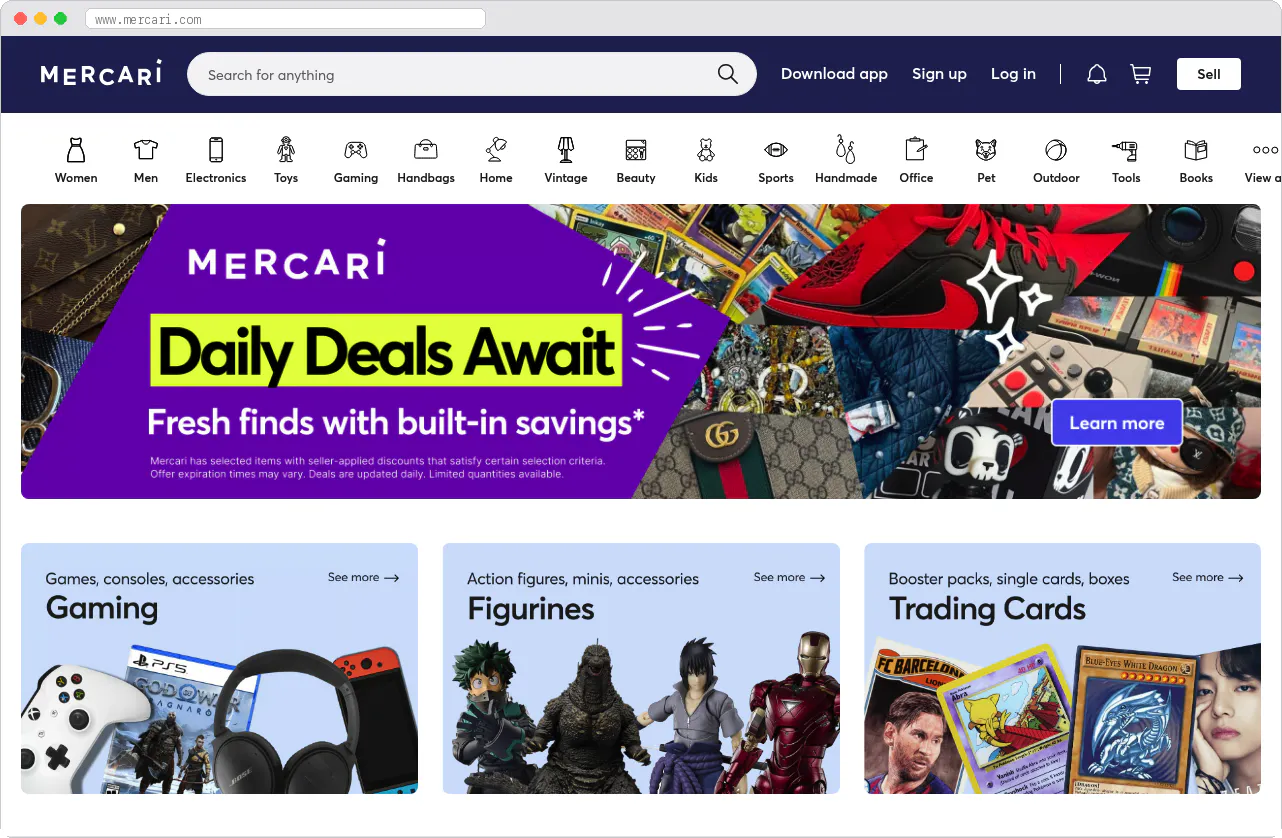
Mercari offers a more traditional marketplace approach with social elements, allowing users to buy and sell across many categories including collectibles. Mercari's strength lies in its simplicity and broad appeal, with features like instant purchasing and integrated shipping. However, it lacks live auction capabilities and the entertainment value that drives Whatnot's engagement.
Each competitor succeeds in different aspects of the collectibles and live commerce market. eBay provides scale and established seller relationships, StockX offers authentication and market pricing transparency, Heritage Auctions brings expertise and high-value items, and social platforms provide massive reach. Whatnot's competitive advantage lies in combining live entertainment with accessible auctions, creating a unique experience that builds community around buying and selling.
Essential features for building a marketplace like Whatnot
Building a successful live auction marketplace requires implementing several complex technical systems that work together smoothly. The feature requirements differ significantly from traditional e-commerce marketplaces because of the real-time, interactive nature of the platform.
Live video streaming infrastructure forms the foundation of the platform. This goes beyond simple video hosting to include low-latency streaming that can handle hundreds or thousands of concurrent viewers while maintaining high quality. The system needs to support multiple camera inputs, screen sharing capabilities, and real-time chat overlays. Sellers must be able to stream from mobile devices or computers without technical expertise, requiring user-friendly broadcasting tools and automatic quality optimization based on connection speed.
Real-time auction and bidding systems require sophisticated backend architecture to process simultaneous bids from multiple users without delays or conflicts. The system must handle different auction formats including English auctions, Dutch auctions, and Buy It Now sales. Features like automatic bid increments, proxy bidding, auction extensions when last-second bids occur, and instant winner notifications are essential for creating the excitement and fairness that successful auctions require.
Integrated payment processing becomes more complex in live environments where multiple purchases happen rapidly during shows. The platform needs to handle instant payment authorization when bids are won, combined shipping calculations for multiple items purchased from the same seller, secure storage of payment methods for quick transactions, and immediate fund holds to prevent payment failures after auctions close.
Social interaction and community features differentiate live marketplaces from traditional auction sites. Users need the ability to follow favorite sellers and receive notifications about upcoming shows, participate in live chat during streams with features like emotes and reactions, join waitlists for popular shows that reach capacity limits, and build profiles that showcase their collecting interests and purchase history.
Mobile-first design and functionality is critical since many users participate in auctions while doing other activities. The mobile experience must provide full bidding functionality, high-quality video streaming, easy payment processing, and push notifications for important events like winning auctions or followed sellers going live.
Trust and safety systems address the unique challenges of live auction environments. These include seller verification and background checks, buyer protection policies with clear dispute resolution processes, content moderation for live streams to prevent inappropriate behavior, fraud detection systems that can identify suspicious bidding patterns, and authentication services or guidelines for high-value items.
Search and discovery features help users find relevant content in a live environment where inventory constantly changes. The platform needs category-based browsing, search functionality that includes scheduled shows and live streams, recommendation algorithms that suggest sellers and items based on viewing and purchase history, and notification systems that alert users to items matching their interests.
Analytics and seller tools enable sellers to build successful businesses on the platform. Essential features include performance dashboards showing views, sales, and engagement metrics, scheduling tools for planning shows and auctions, inventory management systems for tracking items and sales, and promotional tools for building audiences and driving attendance to shows.
Step-by-step guide to building your Whatnot alternative
Creating a successful live auction marketplace requires a systematic approach that balances technical development with community building and market validation. The process involves multiple stages, each with specific goals and challenges.
1. Validate your marketplace concept and identify your niche
Whatnot succeeded by focusing initially on trading cards and collectibles, building expertise and community in a specific vertical before expanding to other categories. Your first step should be identifying a similar niche where live auctions and community engagement can create value beyond what existing marketplaces provide.
Start by researching specific collecting communities or product categories where authenticity, condition, and expertise matter significantly. These might include vintage electronics, comic books, art prints, musical instruments, or specialized fashion items. The key is finding markets where buyers value seller expertise and want to see items demonstrated or discussed before purchasing.
Conduct interviews with potential buyers and sellers in your chosen niche. Ask about their current buying and selling experiences, what frustrations they have with existing platforms, and whether they would be interested in live auction formats. Pay particular attention to how they currently verify authenticity, learn about products, and discover new items.
Validate demand by testing simpler versions of your concept. You might start by hosting live auctions through existing platforms like Instagram Live or Facebook Live, using external payment processing and manual logistics. This approach helps you understand user behavior and refine your value proposition before investing in custom technology.
2. Design your business model and revenue structure
Whatnot's commission-based model aligns platform success with user success, but the specific rates and structure require careful consideration based on your target market and competition. Research commission rates in your chosen vertical, considering both direct competitors and adjacent marketplaces.
Consider how to structure seller fees to encourage high-quality content and regular participation. You might implement tiered commission rates based on seller performance, volume discounts for high-volume sellers, or premium features for sellers who want enhanced visibility or analytics.
Plan your payment processing infrastructure early, as live auction environments require instant transaction processing and complex fund handling. You'll need to choose between building custom payment systems or integrating with platforms like Stripe Connect that handle marketplace payments, tax reporting, and international transactions.
Define your trust and safety policies before launch, including seller verification requirements, buyer protection guarantees, and dispute resolution processes. These policies significantly impact your legal and operational costs, so research requirements in your target markets and consider how automation can reduce manual oversight costs.
3. Build your minimum viable platform (MVP)
Your MVP should focus on core live auction functionality while keeping development costs and complexity manageable. The essential features for initial launch include basic live streaming capabilities, real-time bidding systems, user accounts and profiles, integrated payment processing, and basic trust and safety features.
For the technical foundation, consider whether to build custom streaming infrastructure or integrate with existing services like Agora, Twilio Video, or Amazon Interactive Video Service. These services provide reliable, scalable streaming with features like low-latency delivery and interactive overlays, allowing you to focus on auction-specific functionality rather than video technology.
Develop your bidding system with careful attention to real-time performance and conflict resolution. Users expect instant bid updates and fair auction outcomes, so invest in robust backend architecture that can handle concurrent users without delays or errors.
Implement basic social features like user following, show notifications, and chat functionality. These features drive engagement and repeat usage, making them essential even in early versions of your platform.
Plan your mobile experience from the beginning, as many users will participate in auctions while multitasking or on-the-go. Responsive design and mobile-specific features like push notifications are critical for user adoption.
4. Recruit and onboard your initial sellers
Successful marketplace launch requires having compelling supply when buyers first visit your platform. For live auction marketplaces, this means finding sellers who are not only knowledgeable about their products but also comfortable and engaging on camera.
Identify potential sellers through existing communities like collecting forums, local collectibles shops, social media groups, and trade shows. Look for individuals who already have expertise and inventory in your target category, as well as some experience with online selling or social media content creation.
Provide comprehensive onboarding that covers both platform functionality and best practices for live selling. Many potential sellers may be experienced with eBay or other traditional marketplaces but unfamiliar with live streaming formats. Offer training on camera techniques, audience engagement, auction pacing, and technical setup.
Consider providing equipment or setup assistance to early sellers, such as lighting kits, camera mounts, or backdrop materials. High-quality video and audio significantly impact buyer confidence and auction success rates.
Start with a small group of committed sellers who can provide regular content and help establish community norms. It's better to have five sellers hosting multiple shows per week than twenty sellers who host irregularly.
5. Launch to buyers and focus on community building
Once you have consistent seller activity, begin marketing to buyers in your target niche. Focus on collecting communities where your target sellers are already known and respected, as existing relationships help overcome the trust barriers that new marketplaces face.
Create educational content that explains how live auctions work and what benefits they provide compared to traditional online buying. Many potential buyers may be unfamiliar with live auction formats or concerned about bidding in real-time.
Implement features that encourage community interaction beyond just buying and selling. This might include seller Q&A sessions, collecting education content, market updates, or user-generated content showcasing purchases and collections.
Monitor early user behavior carefully to identify friction points and opportunities for improvement. Pay particular attention to conversion rates from viewing to bidding to purchasing, as well as repeat usage patterns.
Develop content marketing strategies that showcase successful auctions and interesting items. Highlights from live shows can be repurposed for social media, email marketing, and community engagement.
6. Iterate based on user feedback and scale gradually
Successful marketplace evolution requires balancing new feature development with reliability and user experience improvements. Collect feedback systematically from both buyers and sellers, focusing on features that would increase transaction volume and user engagement.
Common areas for improvement include search and discovery functionality, mobile user experience, payment and checkout processes, seller tools and analytics, and trust and safety features. Prioritize developments that address the most common user complaints or requests.
Expand your category offerings carefully, ensuring you have sufficient seller supply and buyer demand before adding new verticals. Whatnot's expansion from trading cards to fashion to electronics happened gradually, allowing the platform to maintain quality and community engagement as it grew.
Invest in marketing and growth strategies that align with your community-focused approach. Influencer partnerships, content marketing, and organic social media growth often work better than paid advertising for niche collecting communities.
Plan your scaling infrastructure early, as live streaming and real-time auctions require robust technical architecture to handle growth in concurrent users and transaction volume.
Cost and development considerations
Building a marketplace like Whatnot involves significant technical complexity that affects both development costs and ongoing operational expenses. Understanding these costs helps you plan appropriately and choose the right development approach.
Custom development costs
Developing a live auction marketplace from scratch typically requires 12-18 months of development time with a team including frontend developers, backend engineers, mobile app developers, DevOps specialists, and UX designers. Professional development costs often range from $100,000 to $500,000 for initial launch, depending on feature complexity and team location.
The most expensive components include live streaming infrastructure, real-time bidding systems, payment processing integration, mobile app development, and content moderation systems. Each of these areas requires specialized expertise and extensive testing to ensure reliability under load.
Ongoing costs include hosting and bandwidth for video streaming, payment processing fees, content moderation and customer support, security monitoring and updates, and compliance with various regulations across different markets.
Alternative development approaches
No-code and low-code solutions can significantly reduce initial development costs and time to market, though they may require eventual migration to custom solutions as you scale.
Using marketplace builders like Sharetribe provides core marketplace functionality including user management, payment processing, search and discovery, and mobile-responsive design. You can launch basic marketplace functionality within weeks rather than months, allowing you to validate demand and refine your concept before investing in custom development.
For live streaming features, you might integrate third-party services like YouTube Live, Facebook Live, or specialized platforms like StreamLabs. While this approach limits customization, it provides reliable streaming infrastructure without the development and maintenance costs of custom solutions.
Combining no-code marketplace tools with third-party integrations for specialized features like live streaming can create a functional MVP for under $10,000 in development costs, with monthly operational costs under $1,000 for early-stage platforms.
Sharetribe as a foundation for live auction marketplaces
Sharetribe provides several advantages for founders looking to build live auction marketplaces efficiently. The platform includes essential marketplace features like user accounts, product listings, search and filtering, integrated payments through Stripe Connect, mobile-responsive design, and basic trust and safety tools.
For live auction functionality, you can build custom features on top of Sharetribe's foundation using the platform's API and customization capabilities. This approach allows you to launch with proven marketplace basics while investing development resources in the unique features that differentiate your platform.
Sharetribe's commission-based payment processing aligns well with auction marketplaces, automatically handling complex payment flows including holding funds until auctions close, splitting payments between multiple parties, and managing refunds and disputes.
The platform's extensibility means you can start with basic marketplace functionality and gradually add live streaming, real-time bidding, and social features as your user base and revenue grow. This reduces initial risk while providing a clear path to advanced functionality.
Using Sharetribe as your foundation, you might launch an MVP within 2-4 weeks focusing on timed auctions and Buy It Now sales, then add live streaming and real-time bidding features over the following months as you validate demand and secure additional funding.
Building trust and safety for live auctions
Live auction marketplaces face unique trust challenges because transactions happen quickly in real-time environments where buyers have limited time to evaluate purchases. Building comprehensive trust and safety systems requires addressing both technical and community aspects of platform security.
Seller verification becomes more critical in live environments where personality and presentation significantly influence buying decisions. Implement identity verification requirements, background checks for high-volume sellers, and authentication processes for valuable items. Consider partnering with third-party authentication services for categories like sports cards, sneakers, or luxury goods where counterfeits are common.
Buyer protection policies must account for the fast-paced nature of live auctions while maintaining fairness for sellers. Develop clear guidelines for item condition disputes, delivery problems, and authenticity issues. Implement automated refund processes where possible to reduce customer service burden while maintaining buyer confidence.
Content moderation for live streams requires both automated systems and human oversight. Develop community guidelines that cover appropriate behavior during auctions, consequences for disruptive users, and procedures for handling inappropriate content. Consider implementing automated detection for common policy violations while maintaining human moderators for complex situations.
Fraud detection systems should monitor for suspicious bidding patterns, fake accounts, payment failures, and coordinated manipulation attempts. Live auction environments can be targets for bid manipulation, shill bidding, and other forms of fraud that require specialized detection algorithms.
Dispute resolution processes must be efficient and fair given the volume of transactions that successful live auction platforms generate. Implement clear escalation procedures, evidence requirements for different types of disputes, and automated resolution for straightforward cases like delivery delays or minor condition discrepancies.
Marketing and growth strategies for live auction marketplaces
Successful live auction marketplaces require marketing approaches that emphasize community building and content creation rather than traditional e-commerce advertising. The social nature of live auctions means that user-generated content and word-of-mouth referrals often drive more sustainable growth than paid advertising.
Content marketing should showcase successful auctions, interesting items, and seller expertise. Create highlight reels from live shows, educational content about collecting and investing, market analysis and trend reports, and behind-the-scenes content that builds connections between users and sellers.
Influencer partnerships work particularly well for collecting communities where established experts and popular collectors have significant followings. Partner with known figures in your target categories to host shows, provide market commentary, or endorse your platform to their audiences.
Social media strategy should extend beyond promotion to genuine community building. Create spaces for collectors to discuss their interests, share their collections, and connect with others. User-generated content showing successful purchases and collection updates provides authentic marketing that builds trust.
Email marketing for live auction platforms requires balancing promotional content with genuine value. Send notifications about upcoming shows from followed sellers, market updates and trend analysis, educational content about collecting and authentication, and personalized recommendations based on bidding and purchase history.
Referral programs can be particularly effective for niche collecting communities where trust and personal recommendations carry significant weight. Offer incentives for both referring users and new sign-ups, but ensure the program encourages quality referrals rather than spam.
SEO and content marketing should target collecting and auction-related keywords while providing genuine value to users. Create guides about authentication, market trends, collecting strategies, and platform usage that attract organic traffic from interested users.
Conclusion and next steps
Building a marketplace like Whatnot requires combining sophisticated technical infrastructure with deep understanding of collecting communities and live commerce dynamics. The platform's success demonstrates the potential for live auction formats, but also highlights the importance of focusing on specific niches and building genuine community engagement.
Your path to building a successful live auction marketplace should start with thorough market research and concept validation in a specific collecting category. Focus on understanding your target users' needs and frustrations with existing platforms, then design solutions that address those specific problems.
Choose development approaches that allow rapid iteration and learning. Using marketplace builders like Sharetribe for core functionality while adding custom features for live auctions can provide the best balance of speed, cost, and functionality for most founders.
Invest heavily in community building and trust systems from day one. Live auction marketplaces depend on user confidence and engagement more than traditional e-commerce platforms, making community development and trust and safety systems critical success factors.
Plan for gradual scaling across both technical and market dimensions. Build infrastructure that can handle growth in concurrent users and transaction volume, while expanding category and geographic reach methodically to maintain service quality and community engagement.
The live commerce market continues growing rapidly, creating opportunities for specialized platforms that serve specific communities better than general-purpose marketplaces. With careful planning, technical execution, and community focus, you can build a platform that captures some of this growth while serving collectors and enthusiasts in ways that existing platforms cannot match.
Frequently asked questions
How much does it cost to build a marketplace like Whatnot?
Custom development typically costs $100,000-$500,000 and takes 12-18 months. Using marketplace builders like Sharetribe with custom live auction features can reduce costs to under $50,000 and launch time to 2-4 months.
What are the essential features for a live auction marketplace?
Core features include live video streaming infrastructure, real-time bidding systems, integrated payment processing, mobile-first design, social interaction tools, and trust/safety systems for seller verification and buyer protection.
How does Whatnot make money?
Whatnot charges sellers commission fees of 8-12% per sale, offers premium seller services like promoted listings, and generates additional revenue through branded partnerships and sponsored content.
What makes live auction marketplaces successful?
Success requires focusing on specific collecting niches, building engaged seller communities, implementing robust trust systems, and creating entertaining social experiences that combine shopping with community interaction.
Can I start a live auction marketplace without coding?
Yes, you can use marketplace builders like Sharetribe for core functionality and integrate third-party live streaming services. This allows MVP launch in weeks, with custom features added as you validate demand and secure funding.
Who are Whatnot's main competitors?
Major competitors include eBay Live for direct competition, StockX for authenticated collectibles, Heritage Auctions for high-end items, and social platforms like Facebook and Instagram for live commerce features.
Start your 14-day free trial
Create a marketplace today!
- Launch quickly, without coding
- Extend infinitely
- Scale to any size
No credit card required