How to build a website like Shyft
Shyft revolutionized moving services by connecting customers with vetted moving companies through a tech-driven platform. Learn how to build a similar service marketplace that streamlines complex logistics and builds trust between customers and service providers.
Published: Aug 9, 2024
Last updated: Mar 19, 2026
How Shyft transformed the moving industry
Moving ranks among life's most stressful experiences, and Shyft recognized this pain point as a massive business opportunity. Founded in 2014 by entrepreneurs who experienced firsthand the chaos of coordinating moving services, Shyft built a marketplace that connects customers with vetted moving companies, storage providers, and related services.
Shyft's platform streamlines what traditionally involves dozens of phone calls, unclear pricing, and unreliable service providers. Customers enter their moving details once and receive instant quotes from multiple companies. The platform handles scheduling, payment processing, and dispute resolution, turning a fragmented experience into a smooth transaction.
The company has facilitated thousands of moves across major metropolitan areas, generating revenue through commission fees charged to service providers. Shyft's success demonstrates how technology can transform traditional service industries by solving coordination problems and building trust between strangers.
How Shyft works as a marketplace
Shyft operates as a three-sided marketplace connecting customers, moving companies, and complementary service providers like storage facilities and packing services. The platform's value proposition centers on solving the information asymmetry and trust issues that plague the moving industry.
For customers, Shyft eliminates the traditional hassle of researching moving companies, comparing quotes, and vetting service quality. Users complete a detailed form describing their moving needs, including inventory size, distance, timeline, and special requirements like piano moving or fragile items. The platform's algorithm matches these requirements with appropriate service providers and generates instant quotes based on standardized pricing models.
The booking process integrates calendar scheduling, secure payment processing, and communication tools. Customers can track their move in real-time, communicate with movers through the platform, and rate their experience afterward. This creates a feedback loop that helps other customers make informed decisions and incentivizes high-quality service from providers.
For moving companies, Shyft provides access to a steady stream of qualified leads without the traditional marketing costs. The platform screens customers based on budget and requirements, reducing time spent on unqualified prospects. Standardized pricing models help smaller companies compete with established players by focusing on service quality rather than marketing spend.
Service providers benefit from streamlined operations through Shyft's admin tools. They can manage bookings, process payments, and communicate with customers through a single dashboard. The platform handles insurance verification, background checks, and compliance requirements that individual companies might struggle to manage independently.
Shyft's commission-based business model
Shyft monetizes through a commission structure that charges service providers a percentage of each completed transaction. This aligns the platform's incentives with successful moves rather than just lead generation. Commission rates typically range from 5% to 15% depending on service type and provider tier.
The company also generates revenue through premium placement fees, where moving companies pay extra for priority positioning in search results. This creates a secondary revenue stream while maintaining the core value proposition for customers who still see multiple competitive options.
Unlike lead generation services that charge upfront fees regardless of outcome, Shyft's commission model ensures the platform only profits when customers successfully complete their moves. This structure motivates the company to maintain high service standards and resolve disputes quickly to preserve transaction volume.
Essential features for a moving services marketplace
Building a successful marketplace like Shyft requires understanding the unique challenges of the moving industry. Unlike product marketplaces where transactions are straightforward, moving services involve complex logistics, variable pricing, and significant trust requirements.
Intelligent quote generation forms the foundation of the customer experience. Your platform needs sophisticated algorithms that consider move distance, inventory volume, access challenges (stairs, elevators, parking), seasonal demand, and special handling requirements. The system should generate accurate quotes instantly while accounting for variables that affect pricing.
Effective quote generation requires structured data collection from customers. Your intake forms need to capture apartment sizes, furniture types, fragile items, packing preferences, and timeline flexibility. The more accurate the initial information, the fewer disputes arise later when actual move costs differ from quotes.
Service provider verification and onboarding distinguishes professional marketplaces from simple directory sites. Your platform needs robust systems to verify business licenses, insurance coverage, equipment standards, and employee background checks. This verification process builds customer trust but requires ongoing maintenance as licenses expire and coverage changes.
Verification extends beyond paperwork to performance tracking. Your system should monitor completion rates, customer satisfaction scores, damage claims, and adherence to quoted prices. Service providers who consistently underperform relative to platform standards need systematic improvement programs or removal.
Advanced scheduling and logistics coordination addresses the operational complexity that makes moving services different from simple appointment booking. Your platform needs to coordinate multiple service providers for complex moves, manage equipment availability, and handle last-minute changes that are common in the moving industry.
The scheduling system should integrate with service providers' existing calendars and equipment management systems. It needs to handle weather delays, permit requirements for large trucks in urban areas, and coordination between multiple service providers when customers need packing, moving, and storage services.
Transparent communication and tracking keeps all parties informed throughout the moving process. Your platform should provide real-time updates on mover location, estimated arrival times, and service completion status. This reduces anxiety for customers and helps service providers manage expectations.
Communication tools need to support photo sharing for damage documentation, signature capture for service completion, and structured feedback collection. The system should automatically generate summaries of completed services for insurance purposes and dispute resolution.
Integrated payment processing with escrow functionality protects both customers and service providers in an industry where significant money changes hands for services that unfold over several hours or days. Your payment system needs to handle deposits, final payments, and potential adjustments for additional services or damage.
Escrow functionality becomes particularly important for long-distance moves where customers pay upfront but services complete days or weeks later. The system should release payments to service providers upon confirmed delivery while maintaining dispute resolution capabilities if issues arise.
How to build a moving services marketplace
Creating a successful marketplace like Shyft requires understanding both the technical architecture and the business dynamics that make service marketplaces work. The process involves several distinct phases, each with specific goals and success metrics.
Research and validate your niche
The moving industry spans multiple sub-markets with different requirements and competitive dynamics. Local residential moves operate differently from corporate relocations, which differ again from specialty moving services like piano or fine art transport. Your first decision involves choosing a specific niche where you can establish liquidity before expanding.
Begin by researching existing solutions in your target market. Traditional moving companies often have outdated websites, limited online booking capabilities, and poor customer communication systems. This creates opportunities for technology-driven platforms, but you need to understand what specific problems customers face that aren't being addressed.
Conduct interviews with recent movers in your target demographic. Ask about their research process, how they compared options, what factors influenced their decisions, and what problems they encountered. Pay particular attention to pain points around pricing transparency, communication during moves, and dispute resolution when problems arise.
Simultaneously, research the service provider side by talking to moving companies, storage facilities, and related service providers. Understand their customer acquisition costs, seasonal demand patterns, operational challenges, and what tools or services would help them grow their businesses.
Design your platform architecture
Service marketplaces require more complex technical architecture than product marketplaces because they need to handle real-time coordination between multiple parties. Your platform needs separate interfaces for customers, service providers, and administrators, each optimized for different use cases.
The customer interface should prioritize simplicity in the booking flow while capturing all necessary details for accurate service delivery. Design your intake process to collect information progressively rather than overwhelming users with lengthy forms upfront. Use visual aids like apartment layout tools or inventory checklists to help customers provide accurate information.
Service provider interfaces need robust operational tools for managing bookings, tracking payments, and communicating with customers. These users are often less technically sophisticated than typical software users, so the interface needs to be intuitive while providing powerful functionality for managing their businesses.
Admin tools require comprehensive dashboards for monitoring platform performance, resolving disputes, and managing service provider quality. You need systems for tracking key metrics like booking conversion rates, service completion rates, customer satisfaction scores, and revenue per transaction.
Implement core marketplace functionality
Start with essential features before adding sophisticated automation. Your MVP should handle basic booking, payment processing, and communication, even if some processes require manual intervention initially. This approach lets you validate your business model and understand operational requirements before investing in complex automation.
Payment processing for service marketplaces requires careful consideration of cash flow and risk management. Moving services often involve deposits, potential cost adjustments, and occasional damage claims. Your system needs to handle these complexities while complying with payment processing regulations and maintaining cash flow for service providers.
Build robust customer support systems from the beginning. Service marketplaces generate more support requests than product marketplaces because services are variable and personal. Customers need assistance with booking modifications, service provider communication, and occasional dispute resolution. Plan for this support load and build tools that help your team resolve issues efficiently.
Launch with a small but active user base
Focus on establishing liquidity in a limited geographic area before expanding. Choose a metropolitan area where you can personally manage relationships with initial service providers and customers. This hands-on approach helps you understand operational details and refine your platform based on real-world usage.
Recruit service providers by emphasizing the quality of leads rather than quantity. Moving companies are accustomed to lead generation services that provide many unqualified prospects. Position your platform as delivering customers who are serious about moving and have already provided detailed requirements.
For customer acquisition, focus on channels where people are actively researching moving services. Content marketing around moving tips, neighborhood guides, and cost calculators can attract organic traffic. Partnerships with real estate agents, apartment complexes, and corporate relocation services can provide referral opportunities.
Scale operations and expand geographically
Once you've established a successful operation in your initial market, expansion requires systematic replication of your successful processes. Document your service provider onboarding procedures, customer acquisition strategies, and operational workflows so you can train teams in new markets.
Geographic expansion in service marketplaces is more complex than product marketplaces because you need local service provider networks in each new area. Plan your expansion around metropolitan areas with sufficient demand density to support multiple service providers while maintaining competitive pricing.
As you scale, invest in automation for repetitive processes like service provider verification, quote generation, and basic customer support. However, maintain human oversight for complex situations like dispute resolution and high-value customer accounts.
Shyft's competitors and the competitive landscape
The moving services marketplace space includes both direct platform competitors and traditional industry players adapting to digital channels. Understanding this competitive landscape helps identify opportunities for differentiation and potential partnership strategies.
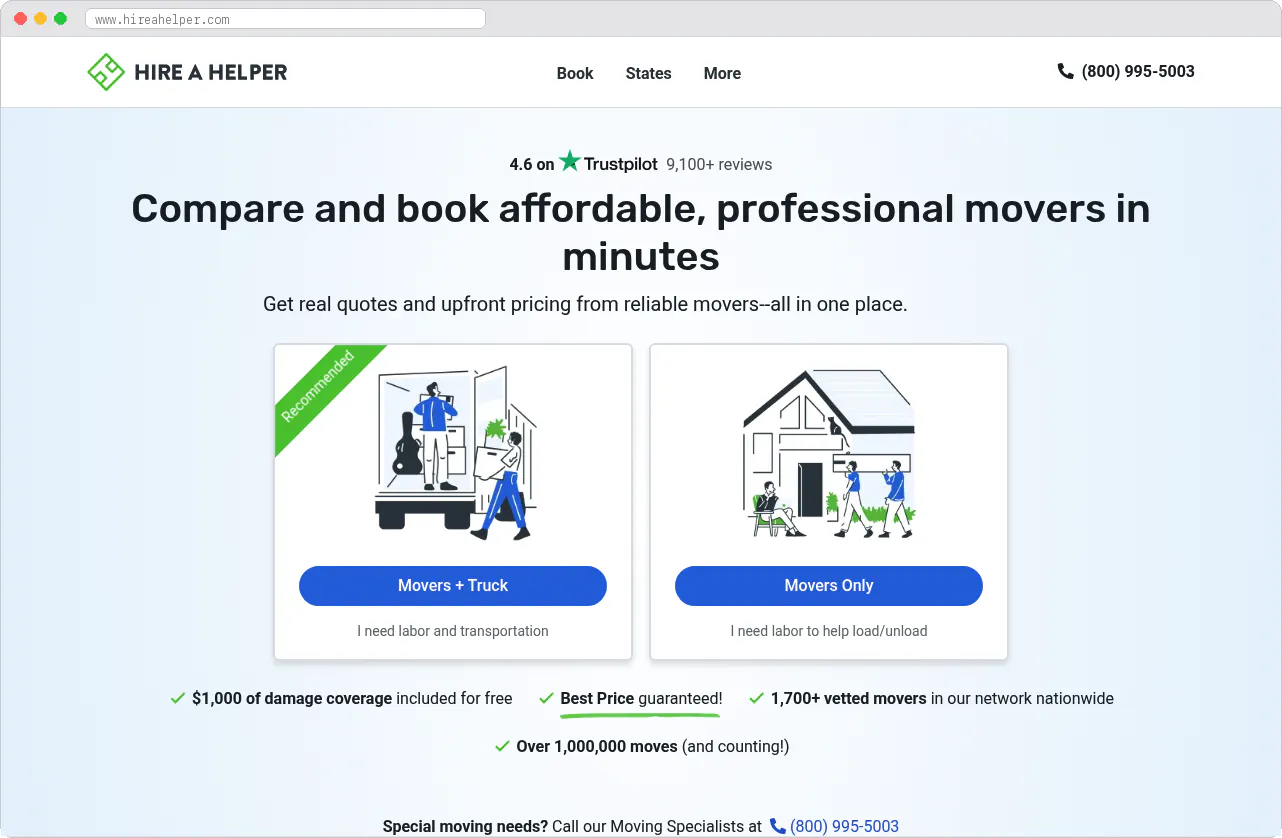
HireAHelper represents the most direct competition to Shyft, operating a marketplace that connects customers with moving labor and services. HireAHelper focuses specifically on moving help rather than full-service coordination, positioning itself as a cost-effective alternative to traditional moving companies. Their model emphasizes transparent pricing and customer reviews, but they don't provide the comprehensive service coordination that Shyft offers.
HireAHelper's success demonstrates demand for technology-driven moving solutions, but their narrower focus creates opportunities for full-service platforms. Customers often need multiple services beyond basic labor, including packing materials, storage solutions, and specialized handling for valuable items.
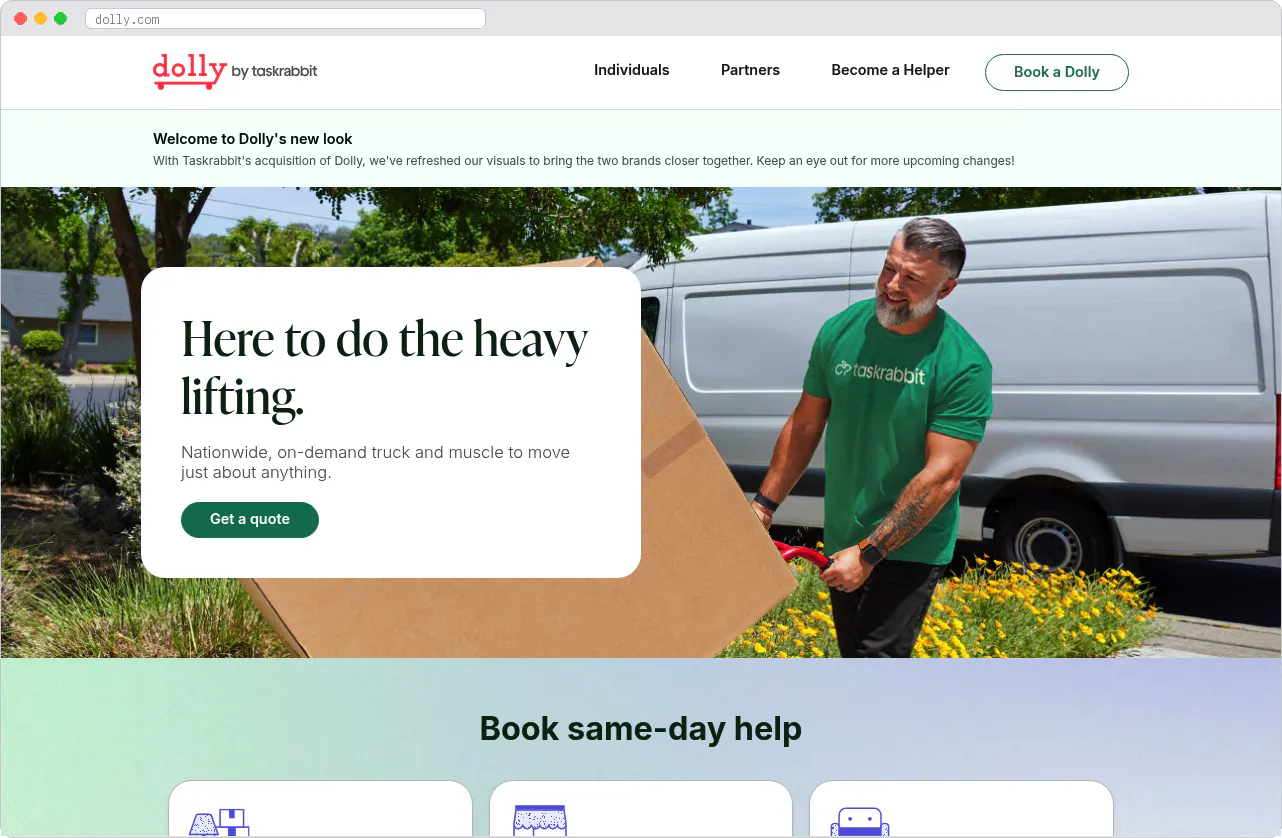
Dolly operates in the on-demand moving and delivery space, connecting customers with independent contractors who have trucks and moving equipment. Their model resembles rideshare platforms, offering immediate availability and transparent pricing for smaller moves and deliveries. Dolly competes with Shyft primarily in the local moving segment but doesn't address long-distance moves or comprehensive relocation services.
The on-demand model works well for simple moves but struggles with complex relocations that require planning, coordination, and specialized expertise. This creates opportunities for platforms that can handle both simple and complex moving needs within a single system.
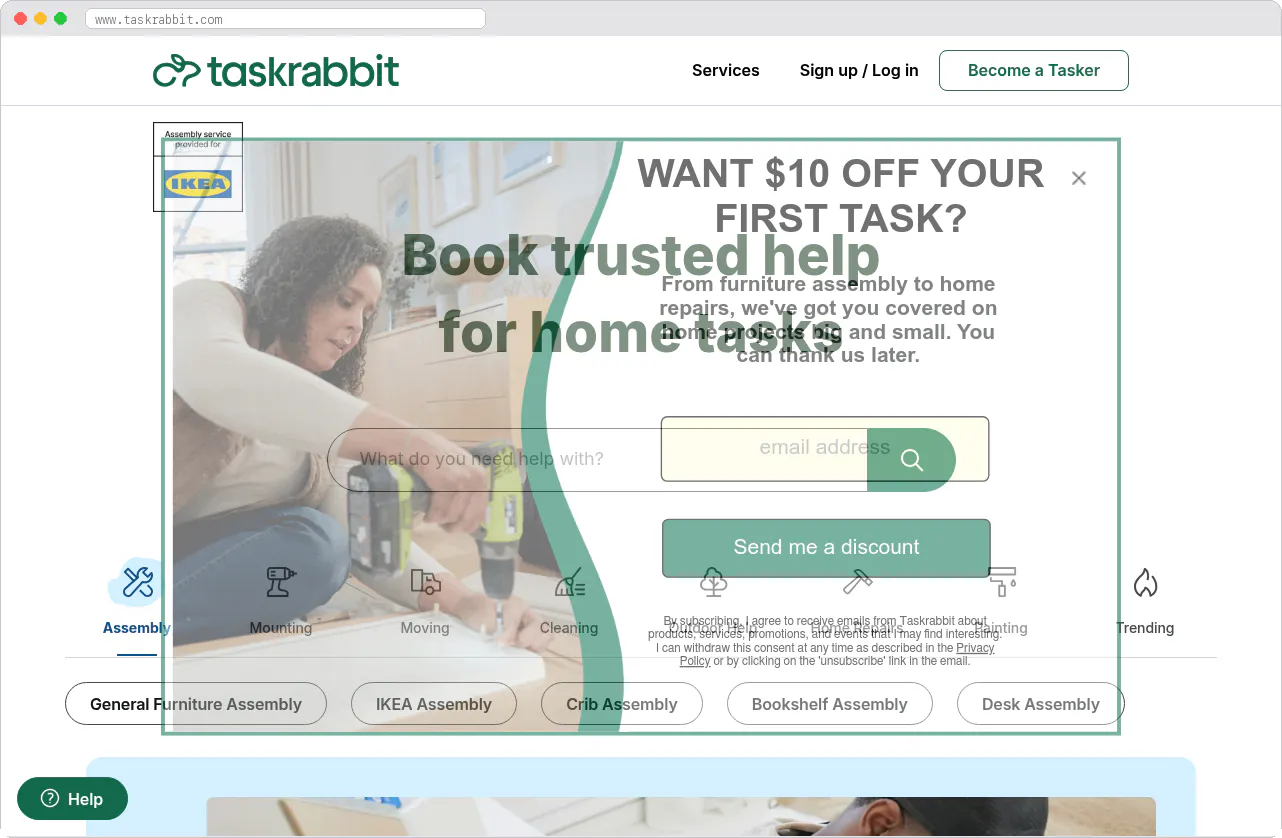
TaskRabbit competes indirectly by offering moving labor through its general handyman platform. TaskRabbit's broad service catalog includes moving help, but the platform wasn't designed specifically for the coordination challenges that moving services require. Their model works for customers who want to manage their own moves but need additional labor.
TaskRabbit's approach highlights the trade-off between platform breadth and specialization. General service platforms can achieve scale across multiple categories but may struggle to provide the deep functionality that specialized industries require.
Traditional moving companies with digital capabilities represent another competitive category. Companies like Allied Van Lines and United Van Lines have developed online booking systems and customer tracking tools while maintaining their traditional service models. These companies compete with platforms like Shyft by offering integrated service delivery without marketplace dynamics.
Established moving companies have advantages in service delivery and operational expertise but often struggle with technology implementation and customer experience design. This creates opportunities for technology-first platforms to provide superior customer experiences while partnering with traditional companies for service delivery.
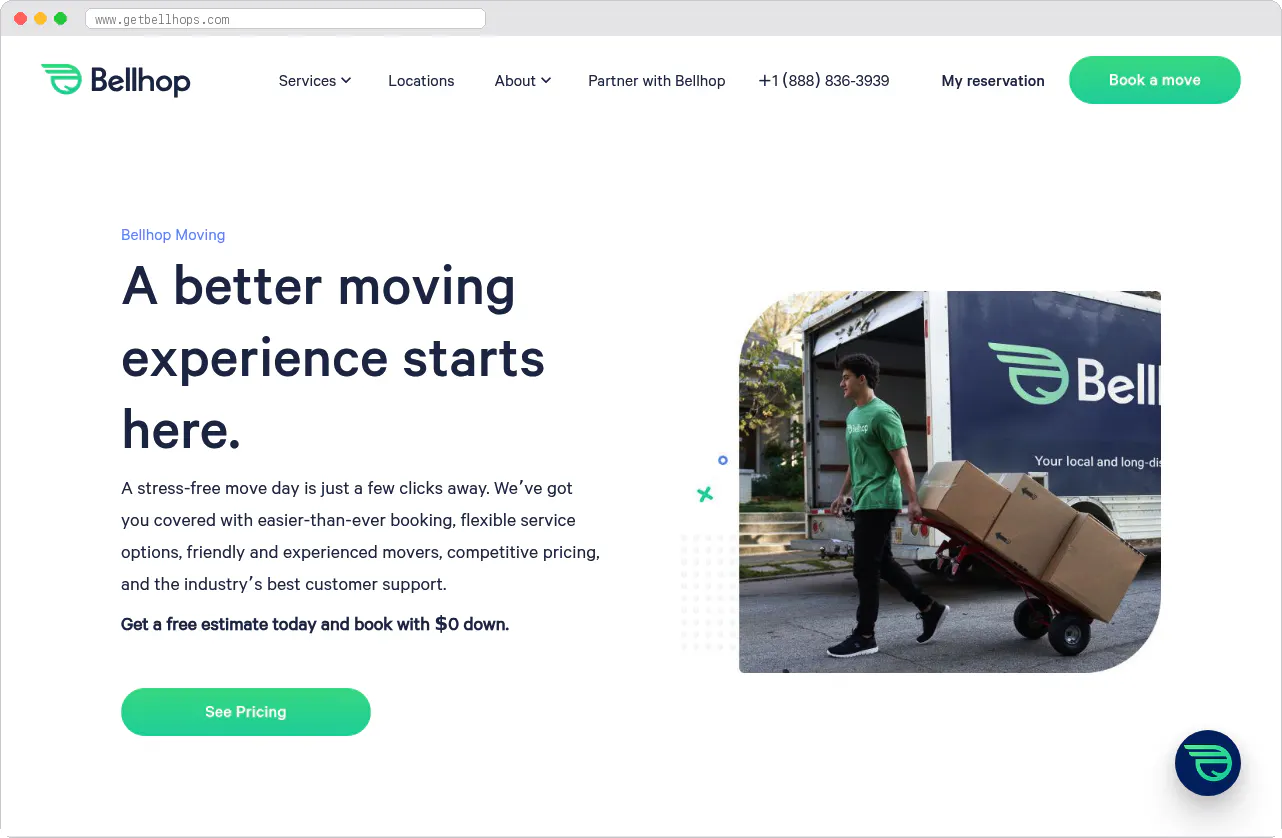
Bellhop combines marketplace dynamics with standardized service delivery by maintaining consistent branding and service standards across their provider network. Their model requires more operational oversight than pure marketplace platforms but provides customers with predictable experiences. Bellhop competes with Shyft by emphasizing service quality and brand consistency over price competition.
The branded marketplace model represents an interesting hybrid approach that addresses customer concerns about service variability while maintaining some marketplace economics. However, this model requires more capital and operational complexity than pure platform approaches.
Cost considerations for building a moving services marketplace
Developing a marketplace like Shyft requires significant upfront investment in both technology and operations. Unlike simple product marketplaces, service platforms need sophisticated coordination systems and hands-on customer support capabilities.
Technology development costs vary dramatically based on your approach and feature requirements. A basic marketplace MVP using No-code marketplace platforms cost $99-399 per month, with total first-year costs of $2,000-5,000. However, the complex coordination requirements of moving services often necessitate custom development for critical features like quote generation algorithms and service provider management systems.
Custom development for a full-featured moving services marketplace typically ranges from $100,000 to $500,000 depending on the complexity of your automation systems. Advanced features like AI-powered quote generation, real-time tracking integration, and sophisticated dispute resolution tools require significant development investment.
Factoring in ongoing development costs is crucial because service marketplaces require continuous iteration based on operational learning. Plan to spend 20-30% of your initial development budget annually on platform improvements, feature additions, and technical maintenance.
Operational costs for service marketplaces are higher than product marketplaces because of the customer support requirements and service provider management needs. Moving services generate complex situations that require human intervention, so plan for substantial customer support staffing from the beginning.
Service provider onboarding and management represents another significant operational expense. Your team needs to verify credentials, monitor performance, and maintain relationships with dozens or hundreds of service providers across your operating areas. This requires dedicated staff and systematic processes that scale with your geographic expansion.
Regulatory compliance adds costs that product marketplaces don't face. Moving services are regulated at state and local levels, requiring ongoing legal oversight and compliance monitoring. Insurance requirements, licensing verification, and safety standards all require systematic attention and associated costs.
Customer acquisition costs in the moving services space tend to be higher than general e-commerce because moving is an infrequent purchase with high customer lifetime value. Customers research moving options extensively and often request quotes from multiple providers, requiring sustained marketing investment to capture conversions.
Content marketing and SEO provide cost-effective long-term customer acquisition, but require significant upfront investment in high-quality content creation and technical optimization. Paid advertising can generate immediate traffic but faces intense competition from established moving companies with large marketing budgets.
Why Sharetribe works for moving services marketplaces
Building a moving services marketplace from scratch involves numerous technical and operational challenges that can distract from the core business development work. Sharetribe provides a foundation that addresses many of these challenges while maintaining the flexibility to customize for industry-specific requirements.
Rapid MVP development allows you to test your market hypothesis and business model without extensive upfront investment. With Sharetribe's no-code builder, you can create a functional moving services marketplace in weeks rather than months. This speed advantage helps you start learning from real customers and service providers while competitors are still in development phases.
The platform includes essential marketplace functionality like user management, booking systems, payment processing, and communication tools. These features work immediately without custom development, letting you focus on industry-specific requirements like service provider verification and operational coordination.
Flexible customization options become important as you learn more about your market's specific needs. Moving services require specialized features like quote calculators, scheduling coordination, and dispute resolution workflows that generic platforms can't provide. Sharetribe's developer platform lets you add these custom features while maintaining the proven marketplace foundation.
This approach reduces technical risk by combining stable, tested core functionality with custom features tailored to your business model. You avoid the complexity of building payment processing, user authentication, and security systems while maintaining control over the features that differentiate your platform.
Scalable infrastructure handles the operational complexity of growing service marketplaces without requiring dedicated DevOps expertise. As your platform grows from dozens to thousands of users, Sharetribe manages the technical infrastructure scaling while you focus on business development and market expansion.
The platform includes built-in performance monitoring, security updates, and backup systems that service marketplaces need but that can be expensive and time-consuming to implement independently. This operational reliability becomes crucial as your business grows and depends on platform availability.
Commission-based payment processing through Stripe Connect integration handles the complex financial flows that moving services marketplaces require. The system manages customer payments, service provider payouts, platform commissions, and tax reporting automatically while maintaining compliance with payment processing regulations.
This payment infrastructure would be expensive and time-consuming to build independently, requiring legal expertise and ongoing maintenance. Sharetribe's integration provides enterprise-grade payment processing without the associated development and compliance overhead.
That said, Sharetribe isn't the only solution for building service marketplaces. Custom development provides maximum flexibility but requires significant time and capital investment. Other no-code platforms offer different trade-offs between ease of use and customization capabilities. The right choice depends on your technical expertise, budget constraints, and timeline requirements.
Getting started with your moving services marketplace
Success in the moving services marketplace space requires combining technology capabilities with deep understanding of industry operations. The most successful platforms focus on solving real problems for both customers and service providers rather than simply digitizing existing processes.
Start by choosing a specific niche within the moving industry where you can establish expertise and build relationships with service providers. Local residential moves, corporate relocations, and specialty moving services all have different requirements and competitive dynamics. Focus on one segment initially and expand after establishing market traction.
Validate your concept through direct customer and service provider research before building your platform. The moving industry has unique operational challenges that affect platform design decisions. Understanding these requirements upfront prevents costly redesigns later in your development process.
Choose technology solutions that allow rapid iteration and customization as you learn more about your market. Whether you use Sharetribe, custom development, or other platforms, prioritize solutions that let you test business model assumptions quickly and adjust based on real-world feedback.
Plan for the operational complexity of service marketplaces from the beginning. Moving services require more customer support, service provider management, and dispute resolution than product marketplaces. Build these capabilities into your business model and financial projections from day one.
The moving services industry is ready for technology disruption, but success requires understanding both the technical and operational sides of marketplace development. Focus on creating genuine value for customers and service providers, and choose technology solutions that support rapid learning and iteration.
Frequently asked questions
How much does it cost to build a moving services marketplace like Shyft?
Costs range from $10,000-$50,000 for a no-code MVP to $100,000-$500,000 for custom development with advanced features. Ongoing operational costs include customer support, service provider management, and compliance requirements that are higher than typical product marketplaces.
What features does a moving services marketplace need?
Essential features include intelligent quote generation based on move details, service provider verification systems, scheduling coordination tools, integrated payment processing with escrow, real-time communication and tracking, and comprehensive admin dashboards for dispute resolution.
How do moving services marketplaces make money?
Most platforms use commission-based models, charging service providers 5-15% of completed transactions. Additional revenue comes from premium placement fees, subscription services for providers, and value-added services like insurance or packing supplies.
What makes Shyft different from other moving platforms?
Shyft focuses on comprehensive service coordination rather than just connecting customers with movers. The platform handles quote generation, scheduling, payment processing, and dispute resolution through integrated systems rather than simple directory listings.
How long does it take to build a moving services marketplace?
Timeline depends on approach: no-code platforms like Sharetribe allow launch in 2-4 weeks, while custom development typically takes 6-12 months. Factor in additional time for service provider onboarding and market validation regardless of technical approach.
What are the biggest challenges in running a moving services marketplace?
Key challenges include managing service quality across multiple providers, handling complex dispute resolution, coordinating real-time logistics, maintaining regulatory compliance across different markets, and providing extensive customer support for high-stress situations.
Start your 14-day free trial
Create a marketplace today!
- Launch quickly, without coding
- Extend infinitely
- Scale to any size
No credit card required