How to build a fair trade marketplace
Fair trade marketplaces connect conscious consumers with ethical producers, creating transparency in global supply chains. Learn how to build a platform that promotes ethical commerce while generating sustainable revenue through commission-based transactions.
Published: Dec 21, 2023
Last updated: Mar 19, 2026
What is a fair trade marketplace?
A fair trade marketplace is an online platform that connects conscious consumers with producers and artisans who follow ethical sourcing and production practices. These platforms specialize in products that meet fair trade standards, ensuring producers receive fair wages, work in safe conditions, and operate sustainably.
Unlike general e-commerce platforms, fair trade marketplaces focus specifically on products that carry certifications from organizations like Fairtrade International, Fair Trade USA, or World Fair Trade Organization. The marketplace model creates transparency by providing detailed information about product origins, production methods, and the social impact of purchases.
The global fair trade market reached roughly $12.2 billion in 2023, with annual growth rates of 8-10%. This growth reflects increasing consumer awareness about ethical consumption and supply chain transparency. Fair trade products span multiple categories including coffee, chocolate, textiles, handicrafts, jewelry, and home goods.
These marketplaces operate differently from traditional retail platforms. They emphasize storytelling, producer profiles, and impact metrics alongside product listings. Customers don't just buy products, they participate in a movement toward more equitable global trade.
How fair trade marketplaces work
Fair trade marketplaces function as intermediaries between certified producers and conscious consumers, but with additional layers of verification and transparency that set them apart from general e-commerce platforms.
The platform vets sellers through a certification process that verifies fair trade credentials. This might involve checking existing certifications from recognized organizations or conducting independent audits of production practices. Approved sellers then create detailed profiles that go beyond basic product information to include stories about their communities, production processes, and how fair trade principles impact their lives.
Product listings on these platforms include comprehensive transparency data. A coffee listing, for example, wouldn't just show price and flavor notes, it would detail the cooperative that grew the beans, the premium paid to farmers above market rates, environmental practices used, and community development projects funded by fair trade premiums.
The transaction process includes features designed to build trust and transparency. Customers can often communicate directly with producers, ask questions about production methods, and receive updates about how their purchases create impact. Payment processing typically involves holding funds in escrow until delivery confirmation, similar to other marketplace models, but may include additional features like impact reporting or donation matching.
Revenue generation happens primarily through commission fees charged to sellers, typically ranging from 3-8% per transaction. Some platforms also charge listing fees or offer premium placement options for sellers who want increased visibility.
Why build a fair trade marketplace?
The fair trade marketplace opportunity stems from several converging trends that create sustainable demand for ethical commerce platforms.
Consumer consciousness about supply chain ethics continues growing. A 2023 Nielsen study found that 66% of consumers are willing to pay more for sustainable products, with millennials and Gen Z showing even higher percentages. This demographic shift creates lasting demand for platforms that make ethical shopping convenient and transparent.
Traditional retail channels often lack the infrastructure to provide deep supply chain transparency. Large retailers may carry some fair trade products, but they can't offer the detailed producer stories, direct communication, and impact tracking that specialized marketplaces provide. This creates a clear value proposition for dedicated fair trade platforms.
Producers and artisans in developing countries face significant barriers to reaching international markets. Fair trade marketplaces remove many of these barriers by handling international shipping, payment processing, marketing, and customer service. This allows producers to focus on their craft while accessing customers who value their work and story.
The business model advantages of fair trade marketplaces include higher customer lifetime value due to mission alignment, strong word-of-mouth marketing from passionate customers, and natural differentiation from price-focused competitors. Customers who choose fair trade platforms tend to be less price-sensitive and more loyal, creating sustainable unit economics.
Marketplace operators benefit from building businesses that create measurable social impact. This purpose-driven aspect helps with team recruitment, investor interest, partnership opportunities, and media coverage. It also provides resilience during economic downturns, as mission-driven businesses often maintain customer loyalty better than purely transactional platforms.
Competitors and alternatives in fair trade commerce
Understanding the competitive landscape helps founders identify opportunities and position their platforms effectively. The fair trade marketplace space includes several different types of players, each with distinct approaches and market positions.

Ten Thousand Villages operates as both a physical retailer and online marketplace, with over 75 stores across North America. They focus on handcrafted items from artisans in developing countries and have been operating since 1946. Their strength lies in their long history and established relationships with producer groups, but their website experience feels dated compared to modern e-commerce standards. They use a traditional retail model rather than a true marketplace, meaning they buy inventory rather than facilitating direct transactions between producers and consumers.

Novica positions itself as the "National Geographic catalog online" and partners with National Geographic to reach customers interested in global culture. They offer handcrafted items from artisans worldwide and provide detailed artisan profiles and stories. Novica uses a hybrid model where they work directly with artisans but handle inventory and fulfillment centrally. Their photography and storytelling are exceptionally strong, but their product range is limited compared to broader fair trade platforms.
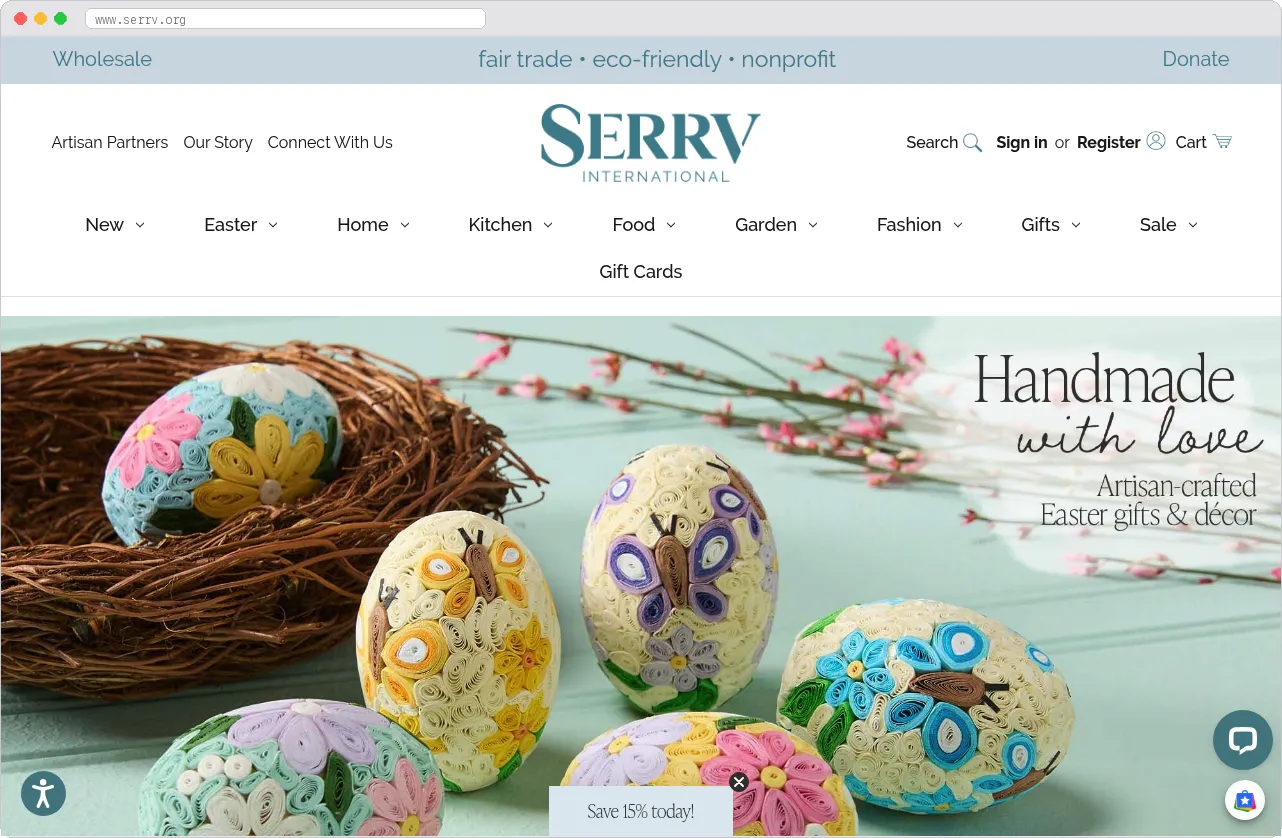
SERRV International operates as a nonprofit fair trade retailer that has been working with artisans and farmers in developing countries since 1949. They offer an online marketplace alongside their catalog business. Their nonprofit status allows them to reinvest profits into producer support programs, but it also limits their ability to scale quickly or implement modern e-commerce features. Their customer base tends to be older and more traditional in their shopping preferences.
Etsy serves as a general handmade marketplace but includes many fair trade and ethical producers. While not exclusively focused on fair trade, Etsy's scale gives it significant advantages in terms of traffic and brand recognition. However, fair trade products can get lost among millions of other listings, and Etsy doesn't provide the specialized tools and verification processes that dedicated fair trade platforms offer.
The citizenry focuses on home goods and textiles sourced directly from artisans worldwide. They emphasize contemporary design and high-quality photography, targeting affluent consumers who value both aesthetics and ethics. Their model involves working directly with specific artisan groups rather than operating as an open marketplace, which allows for better quality control but limits variety.
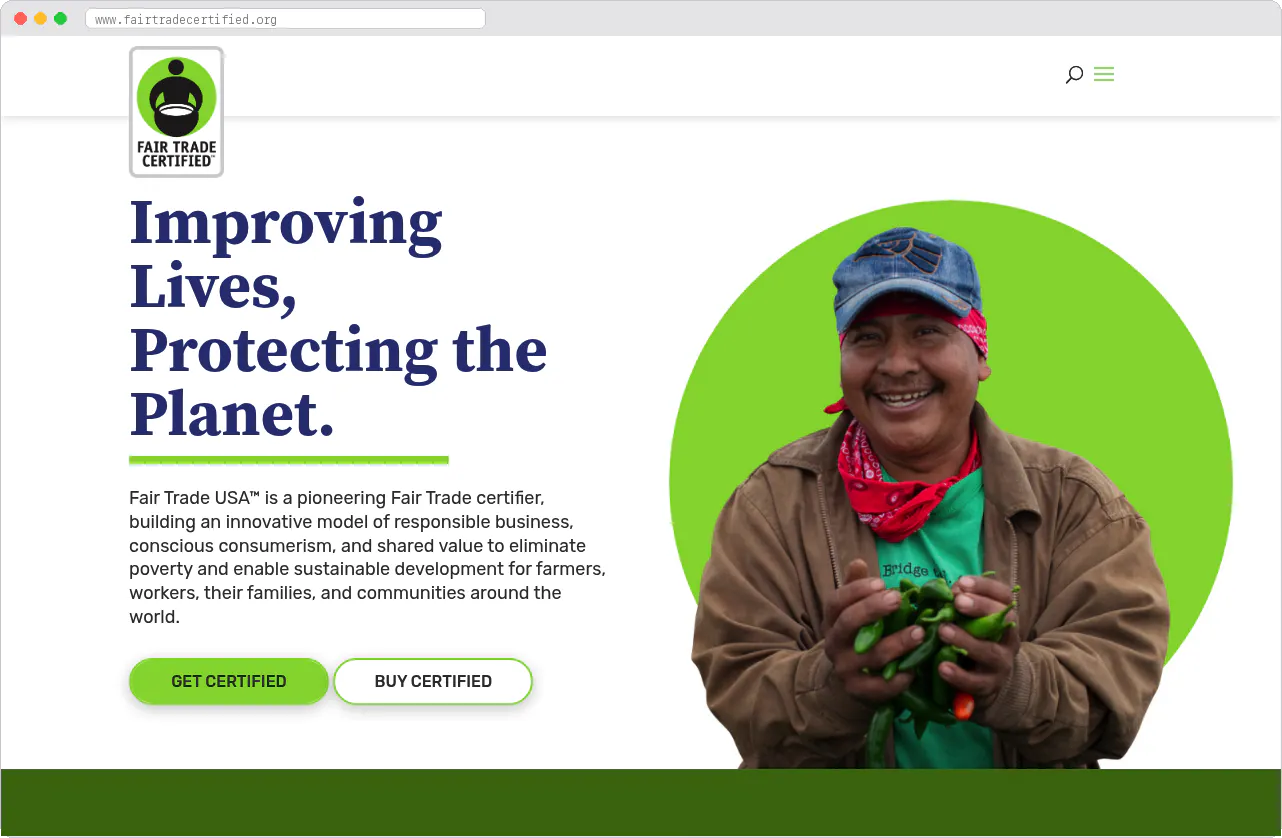
Fair Trade USA's online directory helps consumers find fair trade certified products but primarily directs traffic to existing retailers rather than facilitating direct sales. This creates an opportunity for marketplaces that can combine product discovery with transaction facilitation.
The competitive landscape reveals several gaps that new entrants can address. Most existing platforms focus either on handcrafts or food products, leaving opportunities in categories like clothing, beauty products, or technology accessories. Many also lack modern features like mobile optimization, social sharing, or subscription options that today's consumers expect.
Essential features for fair trade marketplaces
Fair trade marketplaces require specialized functionality beyond standard e-commerce features to support their unique value proposition of transparency and ethical sourcing.
Certification and verification systems form the foundation of trust on fair trade platforms. The marketplace needs robust processes to verify that sellers meet fair trade standards, whether through existing third-party certifications or platform-specific verification. This includes document management systems for storing certificates, audit processes for ongoing compliance monitoring, and clear displays of certification status on product listings. Sharetribe's custom field functionality allows marketplaces to create structured verification processes and display certification badges prominently on listings.
Producer profiles and storytelling tools differentiate fair trade marketplaces from generic e-commerce platforms. Sellers need rich profile pages that can accommodate detailed stories about their communities, production methods, and social impact. This includes photo galleries showing production processes, video testimonials from producers, and impact metrics like number of jobs created or environmental benefits achieved. The platform should make it easy for producers to update their stories regularly and for customers to follow their favorite artisans.
Transparency and traceability features provide the supply chain visibility that fair trade customers demand. Product listings should include detailed information about materials sources, production locations, labor practices, and environmental impact. This might involve integration with third-party traceability systems or custom fields for tracking supply chain data. Customers should be able to trace products from raw materials through finished goods.
Multi-currency and international shipping support enables global trade between producers in developing countries and consumers in wealthy markets. The platform needs to handle currency conversion, international payment processing, customs documentation, and shipping calculation across multiple countries. This includes features like duty and tax calculation, shipping insurance options, and tracking integration with international carriers.
Impact measurement and reporting tools help customers understand the social and environmental benefits of their purchases. This includes features for tracking and displaying metrics like producer income increases, community development projects funded, or carbon footprint reductions. Some platforms create annual impact reports that aggregate customer purchase data to show collective impact.
Direct communication channels enable relationships between customers and producers that go beyond simple transactions. This includes messaging systems, video calling integration for virtual studio visits, and collaboration tools for custom orders. These features help build the emotional connections that drive customer loyalty on mission-driven platforms.
Educational content management supports the platform's role in raising awareness about fair trade principles. This includes blog functionality, resource libraries, producer spotlights, and educational materials about fair trade certification standards. Content should be easily shareable across social media to help customers become advocates for the platform and movement.
Subscription and repeat order functionality captures ongoing demand for consumable fair trade products like coffee, tea, or chocolate. This includes flexible subscription management, automatic reordering, and preferential pricing for regular customers. Subscription features help improve customer lifetime value and provide predictable revenue streams.
How to build a fair trade marketplace: 8 key steps
Building a successful fair trade marketplace requires a systematic approach that balances social mission with sound business strategy. The process involves validating market demand, building trust systems, and scaling impact alongside revenue.
Step 1: Define your niche and target market
The fair trade space is broad, so successful platforms typically start with a specific focus. This might be geographic (focusing on artisans from specific regions), product-based (specializing in textiles, food, or home goods), or demographic (targeting specific consumer segments like millennials or luxury buyers).
Research existing platforms to identify underserved niches. For example, while many platforms focus on traditional handicrafts, there might be opportunities in modern product categories like tech accessories, beauty products, or sustainable fashion. Similarly, most platforms target individual consumers, but there could be demand for B2B marketplaces serving retailers or corporate buyers.
Validate your chosen niche through direct outreach to potential producers and customers. Spend time in fair trade communities, attend industry events, and conduct interviews to understand pain points that existing platforms don't address. This research phase is crucial because fair trade marketplaces depend on trust and mission alignment, which require deep understanding of stakeholder needs.
Step 2: Build producer relationships and verification systems
Unlike typical marketplaces that can launch with any willing sellers, fair trade platforms need vetted producers who meet ethical standards. Start building these relationships before you build your platform, as they'll inform your feature requirements and provide initial supply when you launch.
Connect with fair trade organizations, development agencies, and artisan cooperatives to identify potential producers. Attend fair trade conferences and visit production regions if possible. Building these relationships takes time and requires genuine commitment to fair trade principles beyond just business opportunity.
Develop clear criteria for producer verification that align with recognized fair trade standards. This includes requirements around labor practices, environmental sustainability, community impact, and pricing transparency. Create documentation and audit processes that can scale as your platform grows while maintaining credibility with conscious consumers.
Step 3: Build your minimum viable platform
Your first version should focus on core marketplace functionality while incorporating the transparency features that differentiate fair trade platforms. Essential features include producer profiles with storytelling capability, product listings with supply chain information, secure payment processing, and basic review systems.
Sharetribe provides an ideal foundation for fair trade marketplaces because it includes built-in features for multi-vendor platforms while allowing customization for industry-specific needs. The platform's custom fields functionality enables detailed producer profiles and product transparency information, while integrated payments through Stripe Connect handle the complex international transactions common in fair trade commerce.
Prioritize mobile optimization from the start, as many of your customers will discover and shop your platform through social media and mobile browsing. Fair trade shoppers often share purchases on social platforms as part of their values expression, so smooth mobile experiences drive both direct sales and word-of-mouth marketing.
Step 4: Launch with curated supply
Start with a carefully curated selection of producers rather than opening registration broadly. This allows you to perfect your verification processes, gather detailed feedback on platform functionality, and create compelling case studies for marketing.
Work closely with your initial producers to optimize their profiles and listings. Many artisans and small-scale producers may need guidance on product photography, story writing, and pricing strategies. This hands-on approach in early stages builds loyalty and helps you understand what support systems successful sellers need.
Focus on ensuring your initial producers can successfully complete transactions and feel supported by the platform. Their success stories become your most powerful marketing tools and help attract additional producers who might be hesitant about online selling.
Step 5: Develop customer acquisition strategies
Fair trade customers are mission-driven, so content marketing that educates about fair trade principles and showcases producer stories tends to be more effective than traditional advertising. Develop a content strategy that includes producer spotlights, impact stories, educational materials about fair trade certification, and behind-the-scenes content about production processes.
Partner with influencers and organizations that align with fair trade values. This includes sustainability bloggers, ethical fashion advocates, and social justice organizations. These partnerships provide credible endorsements and access to engaged audiences who are likely to become loyal customers.
Use the storytelling aspect of fair trade commerce by encouraging customers to share their purchases and the stories behind them on social media. Create shareable content and hashtags that help customers express their values through their purchasing choices.
Step 6: Implement impact measurement
As your marketplace grows, implement systems to track and communicate the social and environmental impact created through the platform. This includes metrics like producer income increases, jobs created, community development projects funded, and environmental benefits achieved.
Develop relationships with your producers that enable regular impact reporting. This might involve quarterly surveys, annual site visits, or partnerships with local development organizations that can provide third-party verification of impact claims.
Create compelling ways to communicate impact to customers, including individual purchase impact reports, aggregate platform impact data, and stories about specific outcomes enabled by customer purchases. This impact communication becomes a key differentiator and driver of customer loyalty.
Step 7: Expand product categories and geographic reach
Once you've proven your model in your initial niche, consider expansion into related product categories or geographic regions. Expansion should be strategic and maintain the quality and mission alignment that defines your brand.
When expanding geographically, research local fair trade organizations and certification bodies to ensure your verification processes remain credible. Different regions may have different certification standards or cultural approaches to fair trade that require platform adaptations.
Product category expansion should follow customer demand and maintain coherence with your brand positioning. If you started with home goods, expansion into clothing might make sense, while expansion into electronics might confuse your brand identity.
Step 8: Scale operations and impact
As transaction volume grows, invest in systems that maintain quality while reducing manual work. This includes automated verification processes, inventory management tools, customer service systems, and impact reporting automation.
Consider advanced features like subscription services for consumable products, corporate sales programs, or wholesale ordering for retailers who want to carry fair trade products. These features can significantly increase transaction values and customer lifetime value.
Develop partnerships with other organizations in the fair trade ecosystem, including certification bodies, development agencies, and complementary businesses. These partnerships can provide credibility, marketing opportunities, and operational efficiencies that help scale impact alongside revenue.
Three ways to build a fair trade marketplace
The technical approach you choose for building your fair trade marketplace depends on your budget, timeline, technical skills, and long-term vision for the platform.
Custom development from scratch provides maximum flexibility but requires significant time and financial investment. A custom-built fair trade marketplace typically costs $30,000-$90,000 and takes 6-12 months to launch, not including ongoing maintenance and updates. This approach makes sense for well-funded startups with complex feature requirements or unique technical needs that existing platforms can't accommodate. However, most fair trade marketplace features are common across platforms, so custom development often means paying premium prices for commodity functionality.
No-code tool combinations offer a middle ground between flexibility and speed. Tools like Webflow for front-end design, Airtable for data management, Zapier for workflow automation, and Stripe for payments can create functional marketplaces quickly and affordably. This approach works well for validating marketplace concepts but becomes brittle and difficult to scale as transaction volume grows. Integration challenges between different tools often create operational headaches that distract from core business building.
Marketplace software platforms provide the fastest path to launch with built-in functionality designed specifically for marketplace businesses. Sharetribe combines the speed of no-code tools with the scalability and reliability of custom development. Fair trade marketplaces can launch on Sharetribe in 1-2 weeks with all essential features included, then add custom functionality as needed without rebuilding the entire platform.
Sharetribe's approach particularly suits fair trade marketplaces because the platform includes features that these specialized marketplaces need. Custom fields support detailed producer profiles and certification tracking. Multi-currency payments handle international transactions common in fair trade commerce. Built-in messaging enables the direct producer-customer relationships that fair trade platforms emphasize.
The platform's extensibility means fair trade marketplaces can start with no-code essentials then add specialized features like impact tracking, subscription services, or third-party certification integrations as the business grows. This approach minimizes upfront costs and technical risk while preserving the ability to differentiate through unique functionality.
Cost breakdown for fair trade marketplace development
Understanding the true costs of building and operating a fair trade marketplace helps founders make informed decisions about technical approaches and business models.
No-code marketplace with Sharetribe represents the most cost-effective approach for most founders. The first year typically costs under $5,000 including platform subscription, domain registration, basic branding, and essential marketing tools. Sharetribe's Pro plan ($199/month when paid annually) includes all core marketplace functionality, secure hosting, payment processing integration, and ongoing platform maintenance. Additional costs include domain registration ($10-15/year), email marketing tools (free for small lists), and basic analytics (free with Google Analytics).
Custom development involves significantly higher costs and longer timelines. Initial development typically ranges from $30,000-$90,000 depending on feature complexity and agency rates. This doesn't include ongoing costs for hosting ($100-500/month), maintenance and updates ($2,000-5,000/month), security monitoring, compliance management, and technical support. Many custom projects also experience scope creep and timeline extensions that increase costs beyond initial estimates.
No-code tool combinations fall between marketplace platforms and custom development in terms of cost and complexity. Initial setup might cost $2,000-10,000 including design, configuration, and integration work. Monthly operational costs typically range from $200-800 depending on transaction volume and tool selection. However, this approach often requires rebuilding as the business scales, creating hidden costs and operational disruption.
The most important cost consideration for fair trade marketplaces is opportunity cost. Every month spent on technical development is time not spent building producer relationships, creating content, or acquiring customers. Given that fair trade marketplaces depend heavily on trust, relationships, and mission alignment, founders typically generate better returns by investing time in these areas rather than technical development.
Fair trade marketplaces also face unique operational costs that other marketplace types might avoid. These include certification verification costs, impact measurement systems, international shipping complexities, and customer education initiatives. These mission-specific costs should be factored into overall budgeting and business model planning.
Why Sharetribe works well for fair trade marketplaces
Sharetribe's architecture and feature set align particularly well with the needs of fair trade marketplaces, offering both immediate functionality and long-term scalability for mission-driven commerce platforms.
The platform's custom fields functionality enables the detailed product and producer information that fair trade customers expect. Rather than simple product listings, fair trade marketplaces can create rich profiles that include certification details, production methods, community impact information, and producer stories. This transparency infrastructure is essential for building the trust that drives fair trade commerce.
Built-in international payment processing through Stripe Connect handles the complex cross-border transactions common in fair trade commerce. The system automatically manages currency conversion, international transfer fees, and multi-party payment splitting required for commission-based marketplace models. This eliminates the technical complexity of building international payment systems while ensuring compliance with financial regulations across multiple countries.
Sharetribe's messaging system enables the direct producer-customer relationships that differentiate fair trade marketplaces from anonymous e-commerce platforms. Customers can communicate directly with artisans, ask questions about production methods, request customizations, and build ongoing relationships that drive repeat purchases and word-of-mouth marketing.
The platform's extensibility supports growth from initial launch through scaling. Fair trade marketplaces often need specialized features like impact tracking, subscription services, or integration with certification databases. Sharetribe's API and developer platform enable adding these features without rebuilding core marketplace functionality, protecting initial investment while enabling differentiation.
Sharetribe also handles the operational complexities that can overwhelm new marketplace operators. This includes hosting, security, backup systems, payment compliance, and ongoing platform maintenance. These infrastructure requirements are particularly important for fair trade marketplaces because they handle sensitive information about producers in developing countries and process international payments that require careful compliance management.
However, founders should understand Sharetribe's limitations alongside its strengths. The platform excels at marketplace functionality but doesn't include specialized tools for impact measurement, certification management, or supply chain tracking that some fair trade platforms might need. These features can be added through custom development or third-party integrations, but they're not included out of the box.
Sharetribe also operates on a subscription model that includes transaction fees at higher usage levels. For high-volume marketplaces, these costs might eventually exceed the expense of custom development and dedicated hosting. However, most fair trade marketplaces focus on higher-value transactions with smaller volumes, making Sharetribe's pricing model favorable compared to alternatives.
Getting started with your fair trade marketplace
Building a successful fair trade marketplace requires balancing social mission with practical business execution. The most successful platforms start with clear focus, build genuine producer relationships, and prioritize customer education alongside transaction facilitation.
Begin by thoroughly researching your chosen niche to understand both producer capabilities and customer expectations. Fair trade marketplaces succeed when they solve real problems for both sides of the transaction, not just when they satisfy founder idealism about ethical commerce. Spend time with potential producers to understand their challenges and capabilities, and interview potential customers to validate demand for your specific approach.
Prioritize building trust systems from day one. Fair trade customers pay premium prices because they trust that their purchases create positive impact. This trust requires transparent communication, credible verification processes, and consistent delivery on impact promises. Invest in these systems early, even if they require manual work initially, because they form the foundation of your competitive advantage.
Focus on storytelling and education as core competencies, not just nice-to-have features. Fair trade customers want to understand the impact of their purchases and share that information with others. Develop content creation processes that regularly highlight producer stories, explain fair trade principles, and quantify platform impact. This content serves multiple purposes: customer education, search engine optimization, social media engagement, and customer retention.
Launch quickly with a focused offering rather than trying to build comprehensive coverage immediately. A small number of well-supported producers with compelling stories will drive more initial success than a large catalog of poorly presented products. Use early customer feedback to understand what additional features and product categories to prioritize for expansion.
Remember that fair trade marketplaces often have longer sales cycles than typical e-commerce platforms. Customers may research producers and products extensively before making purchases, and they often return multiple times before buying. Design your platform and marketing strategies to support this behavior through email capture, content marketing, and relationship-building tools rather than focusing solely on immediate conversion optimization.
Frequently asked questions
How much does it cost to build a fair trade marketplace?
Costs range from under $5,000 for a no-code solution using Sharetribe to $30,000-$90,000 for custom development. Most fair trade marketplaces start with marketplace software to minimize upfront costs and validate demand before investing in custom features.
What features do fair trade marketplaces need that regular marketplaces don't?
Fair trade marketplaces require producer verification systems, detailed supply chain transparency, impact measurement tools, and rich storytelling features. They also need multi-currency support for international transactions and educational content to help customers understand fair trade principles.
How do fair trade marketplaces verify that products are actually ethically sourced?
Verification typically involves checking existing certifications from organizations like Fairtrade International, conducting producer audits, and requiring detailed documentation of labor practices and supply chains. Many platforms also partner with local development organizations for third-party verification.
What commission rates do fair trade marketplaces typically charge?
Commission rates typically range from 3-8% per transaction, similar to other marketplace models. Some platforms also charge listing fees or offer premium placement options for sellers who want increased visibility.
Can I start a fair trade marketplace without existing producer relationships?
While possible, it's much harder to succeed without established producer relationships. Fair trade marketplaces depend on trust and verification, so having vetted producers ready at launch is crucial. Start building these relationships before you build your platform.
How long does it take to launch a fair trade marketplace?
Timeline depends on your approach: 1-2 weeks with marketplace software like Sharetribe, 2-6 weeks with no-code tool combinations, or 6+ months for custom development. However, building producer relationships often takes longer than the technical development.
Start your 14-day free trial
Create a marketplace today!
- Launch quickly, without coding
- Extend infinitely
- Scale to any size
No credit card required