How to build a marketplace for counseling
The mental health market is experiencing unprecedented demand, creating opportunities for counseling marketplaces. This guide covers how to build a platform connecting therapists with clients, from essential features to launching your MVP and competing with established players like BetterHelp.
Published: Dec 21, 2023
Last updated: Mar 19, 2026
How online counseling marketplaces work
Counseling marketplaces connect people seeking mental health support with licensed therapists and counselors through digital platforms. These two-sided marketplaces solve a fundamental problem: while millions of people need mental health services, finding the right therapist has traditionally been difficult, time-consuming, and often expensive.
The business model operates on commission-based revenue, typically charging therapists 20-50% of session fees in exchange for client acquisition, payment processing, scheduling tools, and platform infrastructure. Some platforms also charge clients booking fees or subscription costs for unlimited messaging.
Unlike traditional therapy referral directories that simply list therapist contact information, counseling marketplaces facilitate the entire therapeutic relationship. They handle initial matching based on client needs and therapist specializations, provide secure communication channels for sessions, manage scheduling and payments, and maintain treatment continuity through integrated note-taking and progress tracking systems.
The appointment-based nature distinguishes counseling marketplaces from other service platforms. Sessions typically occur weekly or bi-weekly over months or years, creating strong recurring revenue streams. This differs significantly from one-time service marketplaces where transactions are isolated events.
The rise of online mental health platforms
The counseling marketplace model gained significant traction following BetterHelp's launch in 2013. Founded by Alon Matas and Danny Bragonier, BetterHelp identified that traditional therapy faced three major barriers: accessibility (limited therapists in many areas), affordability (high session costs), and convenience (scheduling difficulties).
BetterHelp's approach was to create a subscription-based platform where clients pay $240-400 per month for unlimited messaging with licensed therapists, plus optional live video sessions. This model provided predictable revenue for therapists while making therapy more affordable than traditional $150-300 per session rates.
The platform's growth accelerated dramatically during the COVID-19 pandemic. BetterHelp reported having over 2 million active clients by 2022, generating about more than $1 billion in annual revenue. The company went public in 2021, demonstrating the commercial viability of the counseling marketplace model.
Talkspace followed a similar trajectory, launching in 2012 with a text-based therapy approach. The platform focuses on asynchronous messaging therapy, allowing clients to send messages throughout the week and receive therapist responses within specified timeframes. Talkspace has served over 1 million clients and partners with major employers and health insurance providers.
The success of these platforms has validated several key insights about the counseling marketplace model. First, clients value convenience and accessibility over traditional in-person settings for many types of therapy. Second, subscription-based pricing can make therapy more accessible while providing therapists with steady income streams. Third, digital platforms can effectively match clients with specialists who might not be available in their geographic area.
Essential features for counseling marketplaces
Counseling marketplaces require sophisticated functionality to handle the sensitive, regulated nature of mental health services. Unlike product marketplaces where transactions are straightforward, therapy platforms must support ongoing relationships, ensure compliance with healthcare regulations, and maintain the highest security standards.
Therapist profiles and credentialing form the foundation of trust on counseling platforms. Each therapist profile must display their licensing information, educational background, areas of specialization, treatment approaches, and availability. The platform should verify all licenses against state databases and maintain up-to-date records. Therapist profiles typically include professional headshots, personal statements about their therapeutic approach, and specialty areas like anxiety, depression, trauma, or relationship counseling.
Effective profiles also showcase therapist personality and communication style through video introductions or sample responses to common client questions. This helps clients assess compatibility before committing to sessions. Review systems allow previous clients to share feedback, though these must be carefully moderated to protect client privacy while providing meaningful insights.
Advanced matching algorithms distinguish successful counseling marketplaces from simple directory listings. Clients complete detailed intake assessments covering their concerns, preferences for therapist demographics, communication styles, and treatment approaches. The platform uses this information to suggest compatible therapists.
Matching considers factors like geographic location for clients preferring local therapists, language preferences, cultural considerations, insurance acceptance, and schedule compatibility. Some platforms use machine learning to improve matching accuracy over time, analyzing which therapist-client pairings lead to longer-term therapeutic relationships.
Secure communication systems must comply with HIPAA regulations while providing multiple interaction modes. Most platforms support text messaging, voice calls, and video sessions through encrypted, browser-based interfaces. Messages are stored securely with audit trails for compliance purposes.
Video session quality is critical, requiring robust infrastructure to handle poor internet connections without compromising session continuity. Platforms often integrate backup communication methods and provide technical support specifically for session connectivity issues.
Flexible scheduling and availability management accommodates both therapist preferences and client needs. Therapists set their available hours, preferred session lengths, and booking windows. Clients can view real-time availability and book sessions that fit their schedules.
Cancellation and rescheduling policies must balance therapist revenue protection with client flexibility. Many platforms allow cancellations up to 24 hours before sessions while charging fees for later cancellations. Automated reminders via email and SMS reduce no-shows.
Integrated payment processing handles complex billing scenarios including insurance verification, copay collection, and therapist payouts. The platform must support various payment methods, process recurring subscriptions, and generate invoices that meet insurance and tax requirements.
Some platforms integrate directly with insurance providers to verify benefits and process claims automatically. This significantly reduces administrative burden for both therapists and clients while expanding accessibility.
Treatment continuity tools help therapists manage multiple clients effectively. Session notes, treatment plans, and progress tracking integrate within the platform, allowing therapists to review client history before sessions. Secure document sharing enables homework assignments, worksheets, and resource sharing.
Clients often have access to their own progress dashboards showing session frequency, mood tracking, and goal progress. This transparency can improve engagement and treatment outcomes.
Crisis intervention protocols are essential safety features. Platforms must have clear procedures for handling client crisis situations, including immediate escalation to crisis hotlines, emergency contacts, and local emergency services when necessary. Automated risk assessment tools can flag concerning messages for immediate review.
Competitive landscape and alternatives
The online counseling market has attracted numerous players with different approaches to connecting therapists and clients. Understanding these competitors helps identify market opportunities and positioning strategies.
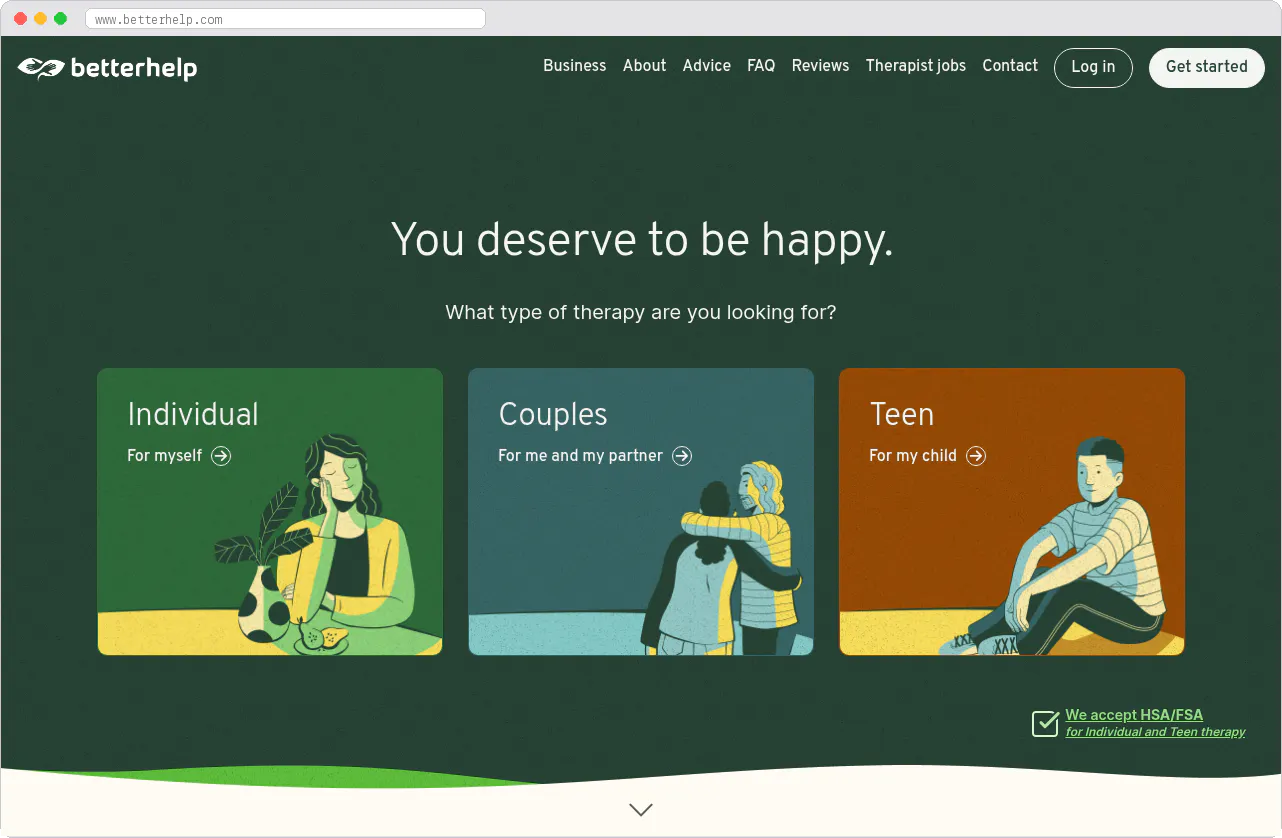
BetterHelp dominates the market with its subscription-based unlimited messaging model. Clients pay $240-400 monthly for continuous access to their assigned therapist via text, plus optional video sessions. The platform emphasizes convenience and affordability compared to traditional therapy. BetterHelp's massive marketing budget, over $200 million annually, has made it synonymous with online therapy for many consumers.
However, BetterHelp faces criticism for therapist compensation, with many counselors reporting lower per-session rates than private practice. The platform's focus on volume and quick matching sometimes prioritizes speed over therapeutic fit. This creates opportunities for platforms emphasizing quality over quantity.
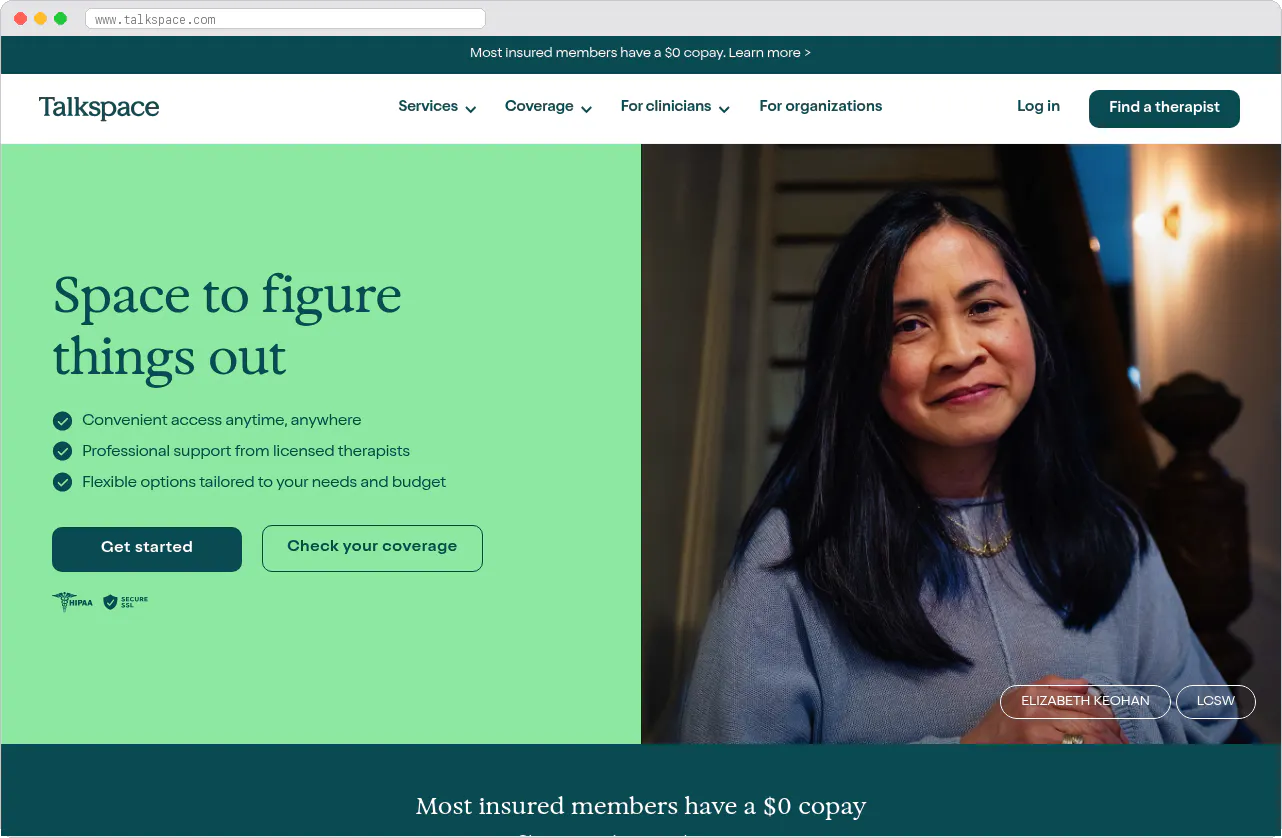
Talkspace differentiates through its text-first approach and corporate partnerships. Rather than real-time conversations, clients send messages throughout the week and receive responses within specified windows. Talkspace has secured major corporate contracts and insurance partnerships, positioning itself as a more traditional healthcare provider.
The platform's strength lies in scalability, therapists can manage more clients through asynchronous messaging than live sessions. However, this model may not suit clients preferring immediate responses or deeper therapeutic relationships.

Psychology Today operates as a comprehensive therapist directory rather than a full marketplace. Therapists create profiles and clients contact them directly to arrange sessions and payments. This model provides therapists more control and higher earnings but offers less convenience for clients.
Psychology Today's massive therapist database and strong SEO presence make it a primary discovery channel. However, it lacks integrated booking, payments, or communication tools, creating friction in the client journey.
7 Cups focuses on peer support and emotional wellness rather than licensed therapy. The platform offers free emotional support from trained volunteers, with premium options for licensed counselor access. This model addresses the broader mental wellness market beyond clinical therapy needs.
The peer support model creates network effects, users often become supporters themselves, but generates less revenue per user than professional therapy platforms. 7 Cups demonstrates how counseling marketplaces can serve different market segments.
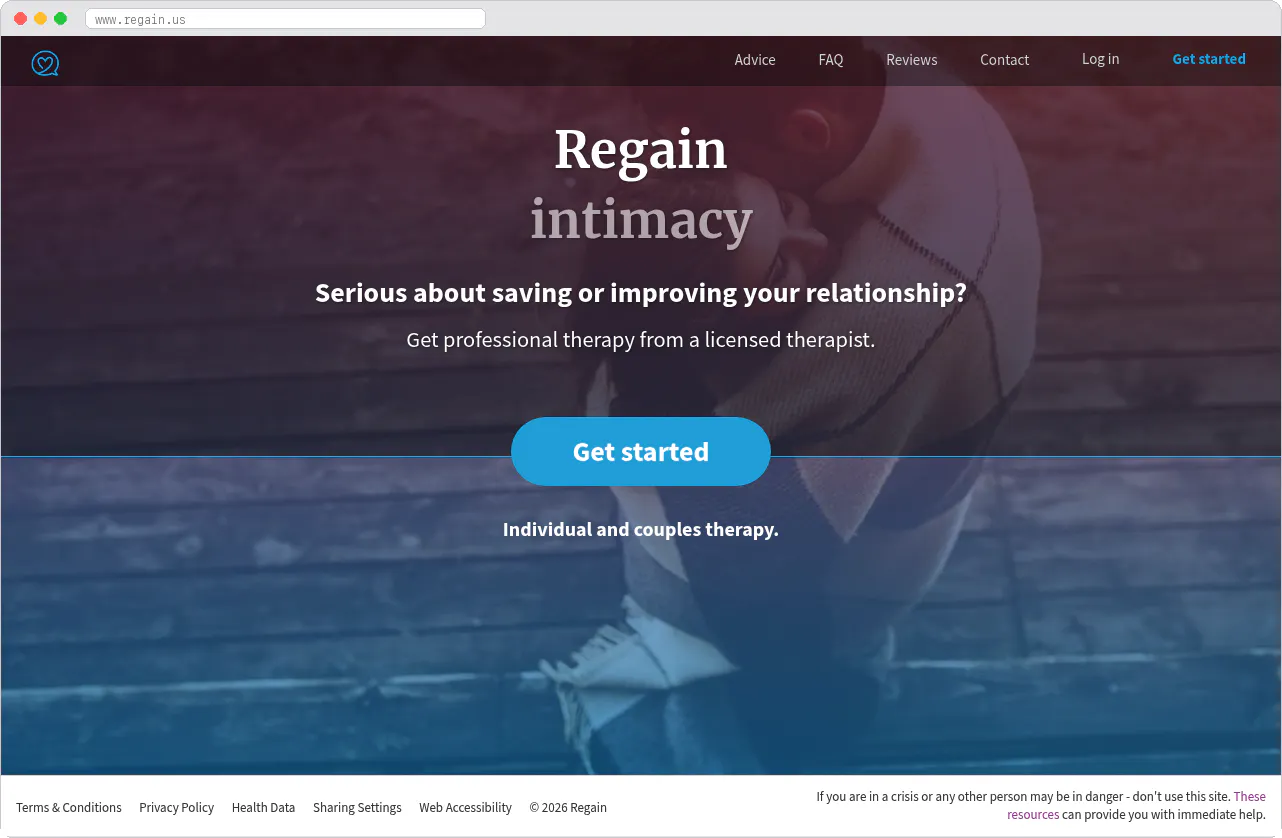
ReGain specializes in couples and relationship counseling, targeting a specific therapeutic niche. The platform's specialized focus allows deeper expertise in relationship dynamics and marketing to couples rather than individuals.
Niche specialization can be highly effective in the counseling space, where different therapeutic needs require distinct approaches. Other successful niches include teen therapy, LGBTQ+ counseling, trauma treatment, and addiction recovery.
Traditional therapy practices remain the primary competition for online platforms. Many clients still prefer in-person sessions for deeper therapeutic work. Established therapists with full practices may see online platforms as unnecessary intermediaries rather than valuable client sources.
However, younger therapists and those building practices increasingly use online platforms for client acquisition and supplemental income. The key is demonstrating clear value that justifies commission fees.
Steps to build a counseling marketplace
Launching a successful counseling marketplace requires a structured approach that balances regulatory compliance, user experience, and business viability. The process differs significantly from typical marketplace development due to healthcare regulations and the sensitive nature of mental health services.
Identify your niche and positioning before building any technology. The counseling market is broad, encompassing everything from crisis intervention to personal development coaching. Successful platforms typically focus on specific client segments, therapeutic approaches, or service delivery models.
Consider targeting underserved populations like teens, seniors, or specific cultural communities. Geographic focus can also be effective, platforms serving specific states or regions can better navigate local licensing requirements and build therapist networks.
Alternatively, focus on therapeutic modalities like cognitive behavioral therapy, trauma treatment, or addiction counseling. Specialists in these areas often struggle with client acquisition through general platforms, making them ideal early adopters for niche marketplaces.
Research regulatory requirements thoroughly before proceeding. Mental health services are heavily regulated, with requirements varying by state and service type. Key considerations include therapist licensing verification, client data protection under HIPAA, crisis intervention protocols, and insurance billing compliance.
Consult with healthcare attorneys specializing in telemedicine and mental health platforms. The regulatory landscape continues evolving, particularly around cross-state practice and insurance coverage for online therapy. Early compliance planning prevents costly modifications later.
Build your minimum viable platform with essential features only. Start with therapist profiles, basic matching functionality, secure messaging, and payment processing. Avoid complex features like AI matching or integrated assessment tools initially, these can be added after validating core market demand.
Focus on creating an exceptional experience for the core use case: helping clients find appropriate therapists and begin treatment relationships. Additional features should enhance this primary value proposition rather than dilute focus.
Recruit high-quality therapists before launching to clients. Unlike product marketplaces where inventory can scale quickly, counseling platforms require licensed professionals who can only serve limited client loads. Quality matters more than quantity, a few excellent therapists generate better client experiences than many mediocre ones.
Target therapists building practices, those interested in online work, and specialists seeking broader client reach. Offer clear value propositions like reduced marketing costs, integrated practice management tools, and steady client referrals.
Implement robust verification processes for all therapists. This includes license verification, background checks, malpractice insurance confirmation, and reference checks. Many platforms require video interviews or trial periods before approving therapists.
Maintain ongoing verification systems that monitor license renewals, track continuing education requirements, and receive alerts about disciplinary actions. These systems protect both the platform and clients while demonstrating commitment to quality.
Launch with focused client acquisition targeting your specific niche. Avoid broad marketing initially, instead, reach clients through channels where your target audience seeks help. This might include mental health blogs, support groups, college counseling centers, or employer wellness programs.
Content marketing can be particularly effective in the mental health space. Educational articles about your specialty areas demonstrate expertise while improving search engine visibility. Ensure all content is reviewed by licensed professionals for accuracy and appropriateness.
Monitor therapeutic outcomes and satisfaction closely. Unlike typical marketplace metrics focused on transaction volume, counseling platforms must track therapeutic effectiveness. This includes session frequency, treatment duration, client satisfaction scores, and therapist retention rates.
Implement feedback systems that capture client progress and therapeutic relationship quality. This information helps improve matching algorithms and identify therapists providing exceptional care.
Scale thoughtfully while maintaining quality standards. Rapid growth can compromise therapeutic quality if not managed carefully. Consider geographic expansion, new therapeutic specialties, or additional service offerings like group therapy or workshops.
Maintain therapist-to-platform ratios that ensure adequate client volume for therapists while avoiding overwhelming individual practitioners. Some platforms limit therapist approval rates to maintain these balances.
Technology and development considerations
Building counseling marketplace technology involves unique challenges around security, compliance, and user experience that don't apply to typical marketplaces. The sensitive nature of mental health data requires enterprise-level security from day one, not something that can be added later.
Security and compliance architecture must be designed into the platform foundation. HIPAA compliance requires comprehensive data protection including encryption at rest and in transit, detailed audit logs, access controls, and breach notification procedures. The platform must also comply with state privacy laws and potentially international regulations for global users.
Choose hosting providers with HIPAA-compliant infrastructure like AWS, Google Cloud, or Microsoft Azure. These platforms offer specialized healthcare services that handle much of the compliance burden automatically. Avoid generic hosting solutions that lack healthcare-specific security features.
Real-time communication systems for video therapy sessions require specialized infrastructure. Unlike general video conferencing, therapy sessions need guaranteed privacy, recording capabilities for legitimate purposes, and backup communication methods when technical issues arise.
Integrate with established video platforms like Zoom for Healthcare, Doxy.me, or Simple Practice rather than building custom video solutions. These platforms handle the complex technical requirements while maintaining HIPAA compliance.
Database design must accommodate complex therapeutic relationships and treatment histories. Unlike simple service marketplaces where transactions are isolated events, counseling platforms track ongoing relationships spanning months or years.
Structure data to support treatment continuity, progress tracking, and comprehensive client histories while maintaining strict access controls. Therapists should only access their own client data, while platform administrators need limited access for support purposes.
Mobile application development is increasingly essential as clients expect therapy access from anywhere. Mobile apps must maintain the same security standards as web platforms while providing intuitive interfaces for messaging and video sessions.
Consider progressive web applications (PWAs) that provide native app experiences without app store distribution challenges. This approach simplifies development while ensuring consistent experiences across devices.
Integration capabilities with existing healthcare systems can differentiate your platform. Electronic health records (EHR) integration allows therapists to maintain comprehensive client documentation. Insurance verification APIs reduce administrative burden for both therapists and clients.
Build these integrations thoughtfully, as healthcare systems often have complex requirements and lengthy approval processes. Start with essential integrations and expand based on user feedback.
Development approaches and costs
Counseling marketplace development costs vary dramatically based on compliance requirements, feature complexity, and development approach. Healthcare-specific functionality and security requirements typically increase costs compared to general marketplaces.
Custom development provides maximum flexibility but requires significant investment in healthcare expertise. A fully compliant counseling platform typically costs $100,000-$500,000 to develop, with ongoing compliance and security costs adding $60,000-$80,000 annually.
Development teams must include healthcare IT specialists familiar with HIPAA compliance, mental health workflows, and telemedicine regulations. Generic web developers often underestimate these requirements, leading to costly redesigns when compliance issues emerge.
Custom development makes sense for platforms with unique therapeutic approaches, complex insurance integrations, or specialized client populations requiring tailored functionality. The investment is justified when differentiation depends on proprietary features that aren't available in existing solutions.
Healthcare-focused platforms like SimplePractice, TherapyNotes, or TheraNest offer marketplace-like features within practice management systems. These solutions cost $30-$100 per therapist monthly and include scheduling, documentation, billing, and basic client communication tools.
These platforms work well for therapists wanting online capabilities without full marketplace functionality. However, they typically lack sophisticated matching algorithms, comprehensive client experiences, or multi-therapist discovery features.
General marketplace builders require extensive customization for healthcare compliance. Platforms like Sharetribe provide marketplace foundations but need additional security, compliance, and therapeutic workflow features.
This approach can work when combined with healthcare-specific add-ons and careful compliance implementation. Costs typically range from $20,000-$100,000 for full customization, significantly less than custom development while maintaining flexibility.
Hybrid approaches combining existing healthcare platforms with custom marketplace features offer balanced solutions. For example, using SimplePractice for practice management while building custom client acquisition and matching systems.
This approach allows rapid deployment of compliant core functionality while investing development resources in differentiating features. Integration complexity can be challenging but provides flexibility for unique business models.
Building with Sharetribe
Sharetribe's marketplace platform can serve as a foundation for counseling marketplaces, particularly in the initial validation and launch phases. The platform provides core marketplace functionality that can be extended with healthcare-specific features as the business grows.
Rapid prototyping and validation represent Sharetribe's primary advantage for counseling marketplace founders. You can launch a basic therapist-client matching platform within days to test market demand before investing heavily in compliance and custom development.
The no-code interface allows rapid iteration based on user feedback. Test different matching criteria, pricing models, or communication flows without developer involvement. This speed to market is crucial in competitive spaces where timing can determine success.
Core marketplace features like user profiles, search and filtering, messaging systems, and payment processing provide strong foundations for counseling platforms. Therapist profiles can showcase credentials, specialties, and availability while clients can browse, compare, and connect with appropriate providers.
The built-in booking system handles appointment scheduling, though it may require customization for therapy-specific needs like recurring sessions and complex cancellation policies. Payment processing through Stripe Connect can handle therapist payouts and commission collection.
Customization capabilities through Sharetribe's developer platform enable healthcare-specific features. Custom fields can capture detailed therapist credentials and client needs for improved matching. Advanced workflows can handle intake assessments, treatment planning, and progress tracking.
Integration APIs allow connections to HIPAA-compliant communication platforms, electronic health records, and insurance verification systems. This flexibility enables building comprehensive counseling platforms while using Sharetribe's marketplace infrastructure.
Scalability and growth support help platforms evolve from initial validation to full-featured counseling marketplaces. Start with basic matching and communication, then add features like group therapy, workshops, or specialized treatment programs as demand grows.
Sharetribe's hosting infrastructure can handle growth from dozens to thousands of users without platform migration. This continuity prevents disruption to established therapeutic relationships during scaling phases.
Limitations and considerations must be acknowledged when using Sharetribe for healthcare applications. The platform isn't inherently HIPAA-compliant, requiring additional security measures and compliance implementation. Video therapy sessions would need integration with specialized healthcare communication platforms.
Crisis intervention protocols, detailed audit logging, and healthcare-specific reporting may require custom development beyond Sharetribe's standard capabilities. Budget for these additions when planning platform development.
Despite limitations, Sharetribe offers compelling value for counseling marketplace founders focused on rapid market validation and iterative development. The platform enables testing business models and user experiences before committing to expensive healthcare-specific development.
Marketing and growth strategies
Counseling marketplaces face unique marketing challenges due to healthcare advertising restrictions, stigma around mental health, and the need to build trust with both therapists and clients. Successful platforms typically focus on education, community building, and word-of-mouth growth rather than traditional advertising.
Content marketing proves particularly effective in mental health spaces where people research extensively before seeking treatment. Educational articles about therapeutic approaches, mental health conditions, and treatment options demonstrate expertise while improving search visibility.
Focus on long-tail keywords that your target audience searches when exploring therapy options. Articles like "How to find a trauma therapist" or "What to expect in couples counseling" attract qualified traffic while establishing platform authority.
Ensure all content is reviewed by licensed professionals and includes appropriate disclaimers about not providing medical advice. Mental health content requires higher accuracy standards than typical marketing materials.
Therapist advocacy and referrals often provide the most effective client acquisition channel. Satisfied therapists refer colleagues and clients, creating organic growth networks. Invest in exceptional therapist experiences including responsive support, fair compensation, and professional development opportunities.
Create therapist advisory groups that provide feedback on platform features and help identify market opportunities. These relationships often lead to speaking opportunities, professional association partnerships, and industry credibility.
Strategic partnerships with complementary organizations expand reach while building credibility. Employee assistance programs, college counseling centers, healthcare systems, and community organizations often seek therapy referral sources.
Psychiatrist and primary care physician partnerships can be particularly valuable, as these providers often need therapy referrals for their patients. Integrated workflows that simplify referral processes encourage regular use.
Insurance and corporate partnerships provide access to large client populations while improving accessibility. However, these relationships often require significant platform modifications to meet payer requirements and integration standards.
Start with smaller employers or regional insurance plans that may be more flexible in partnership requirements. Success with initial partners demonstrates capability for larger relationships.
Community engagement through mental health advocacy and awareness campaigns builds brand recognition while serving the broader community. Sponsor mental health awareness events, participate in professional conferences, and support relevant causes.
These activities generate goodwill and professional relationships that often translate into business opportunities. They also demonstrate genuine commitment to mental health improvement beyond profit motives.
Ensuring success and sustainability
Counseling marketplace success depends on factors beyond typical marketplace metrics like transaction volume or revenue growth. The therapeutic relationship quality, long-term client outcomes, and therapist satisfaction ultimately determine platform sustainability.
Quality over quantity should guide all growth decisions. A small platform with excellent therapeutic outcomes and high satisfaction scores will outperform larger platforms with poor experiences. Focus on matching quality, therapist training, and client support rather than rapid user acquisition.
Implement rigorous therapist vetting processes that go beyond license verification. Consider requiring specialized training, ongoing education, or trial periods to ensure platform quality standards. Remove therapists who consistently receive poor feedback or demonstrate unprofessional behavior.
Therapeutic outcome measurement helps demonstrate platform value to all stakeholders. Track metrics like treatment completion rates, client satisfaction scores, symptom improvement measures, and long-term engagement.
Partner with research institutions or mental health organizations to conduct outcome studies. Published research demonstrating platform effectiveness provides credibility with therapists, clients, and potential partners.
Financial sustainability requires balancing affordable client access with fair therapist compensation. Commission rates that are too high drive away quality therapists, while rates that are too low prevent platform sustainability.
Consider alternative revenue models like subscription fees, premium features, or corporate partnerships that reduce dependence on per-session commissions. Multiple revenue streams provide stability while allowing flexible pricing for different market segments.
Regulatory compliance evolution demands ongoing attention as telemedicine and mental health regulations continue changing. Stay informed about licensing requirement changes, insurance coverage updates, and privacy law modifications.
Maintain relationships with healthcare attorneys and regulatory experts who can provide guidance as requirements evolve. Budget for compliance modifications as part of ongoing operational costs.
Crisis management protocols must be robust and regularly tested. Mental health platforms occasionally encounter client crisis situations requiring immediate intervention. Clear escalation procedures, emergency contact systems, and staff training protect both clients and the platform.
Partner with crisis intervention services and maintain relationships with emergency responders in key geographic areas. Document all crisis interventions thoroughly while maintaining appropriate client confidentiality.
Building a counseling marketplace represents both significant opportunity and responsibility. The growing demand for accessible mental health services creates market potential, while the sensitive nature of therapeutic relationships demands exceptional care in platform development and operation. Success requires balancing business objectives with genuine commitment to improving mental health access and outcomes.
Frequently asked questions
How much does it cost to build a counseling marketplace?
Costs range from $20,000-$100,000 using platforms like Sharetribe with healthcare customizations, to $100,000-$500,000 for fully custom development. Ongoing compliance and security costs add $60,000-$80,000 annually for custom solutions.
Do I need HIPAA compliance for a counseling marketplace?
Yes, counseling marketplaces handling protected health information must comply with HIPAA regulations. This includes secure data storage, encrypted communications, audit logging, and strict access controls. Non-compliance can result in significant fines and legal liability.
What features are essential for a therapy marketplace?
Core features include therapist credential verification, secure video/messaging systems, appointment scheduling, HIPAA-compliant payment processing, client matching algorithms, and crisis intervention protocols. Advanced features include treatment notes, progress tracking, and insurance integration.
How do counseling marketplaces make money?
Most platforms charge therapists 20-50% commission per session, subscription fees for platform access, or booking fees from clients. Some use hybrid models combining subscriptions with lower commission rates or offer premium features for additional revenue.
Can I compete with BetterHelp and other established platforms?
Yes, by focusing on underserved niches like specific therapy types, demographics, or geographic regions. Successful competition often comes from superior therapist experiences, specialized matching, or unique service delivery models rather than general market competition.
What licensing requirements do online therapists need?
Therapists must be licensed in the state where their clients are located during sessions. Some states have reciprocity agreements or temporary practice allowances, but requirements vary significantly. Platforms must verify licenses and track ongoing compliance for all providers.
Start your 14-day free trial
Create a marketplace today!
- Launch quickly, without coding
- Extend infinitely
- Scale to any size
No credit card required