How to build a website like Booksy
Booksy transformed beauty and wellness booking with $100+ million in revenue. Learn how to build a similar appointment-based marketplace, from validating your idea to launching and scaling a platform that connects service providers with customers.
Published: Dec 7, 2023
Last updated: Mar 19, 2026
How Booksy transformed local service bookings
Booksy revolutionized how people book beauty and wellness appointments, growing from a Polish startup to a global platform processing millions of bookings across 120+ countries. Founded in 2014 by Stefan Batory, the company started with a simple insight: local service providers like hairdressers, barbers, and nail technicians were losing revenue from no-shows and inefficient booking systems, while customers struggled to find available appointments that fit their schedules.
Today, Booksy serves over 250,000 business owners and millions of customers worldwide, generating approximately over $100 million in annual revenue. The platform handles everything from appointment scheduling and payment processing to customer reviews and business analytics, making it easier for both sides of the market to succeed.
The beauty and wellness industry was ripe for digital transformation. Before platforms like Booksy, most appointments were booked over the phone during business hours, creating friction for customers with busy schedules. Service providers had to manage their calendars manually, often leading to double bookings, no-shows, and lost revenue. Booksy solved these problems by creating a comprehensive booking ecosystem that works for everyone involved.
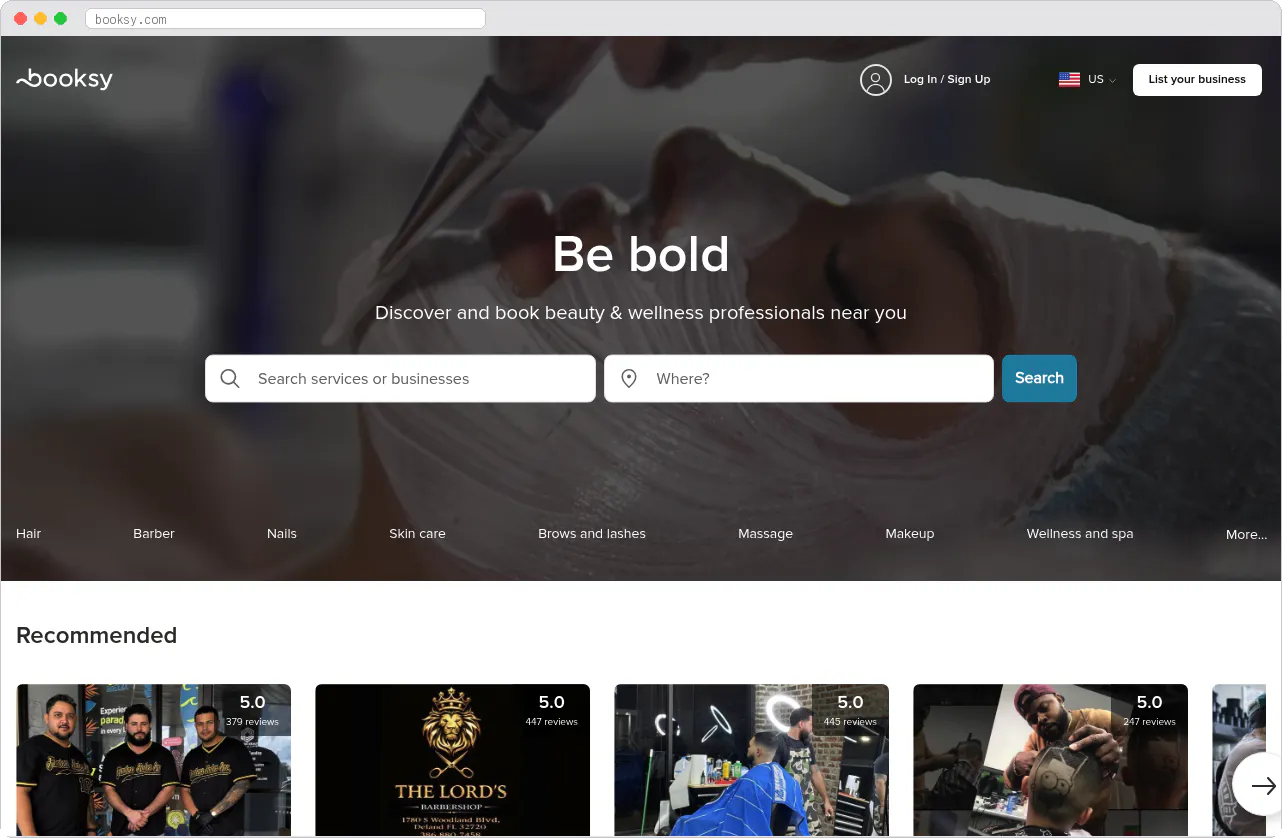
How does Booksy work?
Booksy operates as a location-based service marketplace that connects customers with local beauty and wellness professionals. Unlike product marketplaces where items can be shipped anywhere, service marketplaces require customers and providers to be in the same geographic area.
For customers, Booksy functions like a combination of Yelp and OpenTable for personal services. Users can browse nearby salons, spas, barbers, and fitness studios, view real-time availability, read reviews from other customers, and book appointments instantly. The platform shows detailed service menus with prices, estimated durations, and provider profiles with photos and qualifications.
Customers can filter results by service type, price range, distance, availability, and ratings. Once they find a provider they like, they can book specific services, choose their preferred time slots, and even request particular staff members. The platform sends automatic confirmation and reminder notifications to reduce no-shows.
For service providers, Booksy serves as an all-in-one business management system. Providers create detailed business profiles showcasing their services, pricing, availability, and credentials. They can upload photos of their work, respond to customer reviews, and offer special promotions to attract new clients.
The platform includes sophisticated calendar management tools that sync across multiple devices, allowing providers to manage appointments, block out personal time, and handle walk-ins. Providers can also access customer history, track repeat bookings, and analyze their business performance through built-in analytics.
Booksy's business model and revenue streams
Booksy generates revenue through multiple streams, with subscription fees as the primary model. Service providers pay monthly subscription fees ranging from approximately $29 to $129 per month, depending on their plan and feature requirements. This SaaS model provides predictable recurring revenue while giving providers access to the full suite of booking and business management tools.
The platform also earns revenue through payment processing fees when customers pay through the app. Like most marketplace payment processors, Booksy takes a small percentage of each transaction processed through their system, typically around 2-3%.
Additional revenue comes from premium features and add-ons, such as advanced marketing tools, enhanced analytics, and priority customer support. Some providers pay extra for featured placement in search results or access to Booksy's customer acquisition tools.
Unlike pure commission-based marketplaces that only make money when transactions occur, Booksy's subscription model ensures steady revenue even if appointment volume fluctuates. This model works particularly well for service marketplaces because providers need the scheduling and management tools regardless of how many bookings they receive through the platform.
What makes Booksy successful
Booksy's success stems from solving real problems for both sides of the market while building strong network effects. The platform addresses the "coordination problem" that plagued the beauty and wellness industry: providers wanted to fill their schedules efficiently, while customers wanted convenient access to quality services.
The company's focus on user experience sets it apart from competitors. Booksy invested heavily in mobile-first design, recognizing that both customers and providers needed to manage appointments on the go. The app interface is intuitive enough for busy salon owners to adopt quickly while sophisticated enough to handle complex scheduling scenarios.
Booksy also built trust through transparency. Detailed provider profiles, verified customer reviews, and upfront pricing eliminate the uncertainty that often accompanies service bookings. Customers know exactly what they're paying for and what to expect, while providers can showcase their expertise and build their reputation.
The platform's data insights provide significant value to service providers. Booksy helps providers optimize their pricing, identify peak booking times, track customer retention, and forecast revenue. These analytics capabilities transform Booksy from a simple booking tool into a business intelligence platform that providers rely on for strategic decisions.
Network effects strengthen Booksy's position over time. As more providers join the platform in a given area, it becomes more valuable to customers who have more options to choose from. As more customers use Booksy to find services, it becomes more attractive to providers who want access to that demand.
Key features for building a marketplace like Booksy
A successful service booking marketplace requires specific functionality that differs significantly from product-selling platforms like Amazon or rental marketplaces like Airbnb. Here are the essential features your platform needs:
Appointment scheduling and calendar management forms the core of any booking marketplace. Unlike e-commerce platforms where customers can purchase products anytime, service marketplaces must coordinate real-time availability between providers and customers. Your platform needs robust calendar functionality that displays provider availability, allows customers to book specific time slots, and prevents double bookings.
The scheduling system must handle complex scenarios like services with different durations, providers who work with multiple customers simultaneously (like fitness instructors), and last-minute cancellations or rescheduling. Integration with popular calendar applications like Google Calendar or Outlook helps providers keep their schedules synchronized across all platforms.
Real-time availability and booking confirmation ensures smooth transactions. Customers should see only genuinely available time slots, and bookings should be confirmed instantly to prevent disappointment. The system must account for buffer times between appointments, provider breaks, and services that require specific equipment or rooms.
Service catalogs and pricing management allow providers to showcase their offerings effectively. Unlike simple product listings, service descriptions need to include duration estimates, prerequisite requirements, and detailed explanations of what customers can expect. Providers should be able to create service packages, offer seasonal promotions, and adjust pricing based on demand or time of day.
Provider profiles and portfolio showcases help customers make informed decisions about service providers. Since service quality depends heavily on the individual provider's skills and experience, detailed profiles with photos, credentials, specializations, and customer testimonials are crucial for building trust and driving bookings.
Location-based search and filtering enables customers to find relevant providers in their area. The search functionality must handle various filter criteria including service type, price range, availability, distance, ratings, and special requirements. Map integration helps customers visualize provider locations relative to their home, work, or current location.
Review and rating systems build trust and accountability on both sides of the marketplace. Customers need to see authentic feedback from previous clients, while providers benefit from positive reviews that attract new customers. The review system should encourage honest feedback while preventing fake or malicious reviews through verification processes.
Payment processing and financial management must handle the unique requirements of service businesses. Unlike product sales where payment typically occurs at purchase, service payments might happen at booking, after service completion, or split between deposit and final payment. The system needs to handle tips, last-minute pricing adjustments, and refunds for cancellations.
Communication and messaging tools facilitate coordination between customers and providers. Customers often have questions about services, special requests, or need to communicate changes to their appointments. Built-in messaging keeps all communication within the platform while maintaining privacy and providing a record of interactions.
Automated notifications and reminders reduce no-shows and improve customer experience. The platform should send booking confirmations, appointment reminders, and follow-up messages automatically. Providers need notifications about new bookings, cancellations, and customer messages to respond promptly.
Mobile optimization and native apps are essential since both customers and providers frequently manage appointments on mobile devices. The mobile experience must be fast, intuitive, and include all core functionality without compromising usability on smaller screens.
Business analytics and reporting provide value to service providers beyond simple booking management. Providers want to understand their customer patterns, peak booking times, revenue trends, and service performance to make informed business decisions. These insights help providers optimize their offerings and grow their businesses.
Booksy's main competitors and alternatives
The service booking marketplace space includes several established players, each with different strengths and target markets. Understanding the competitive landscape helps founders identify opportunities for differentiation.
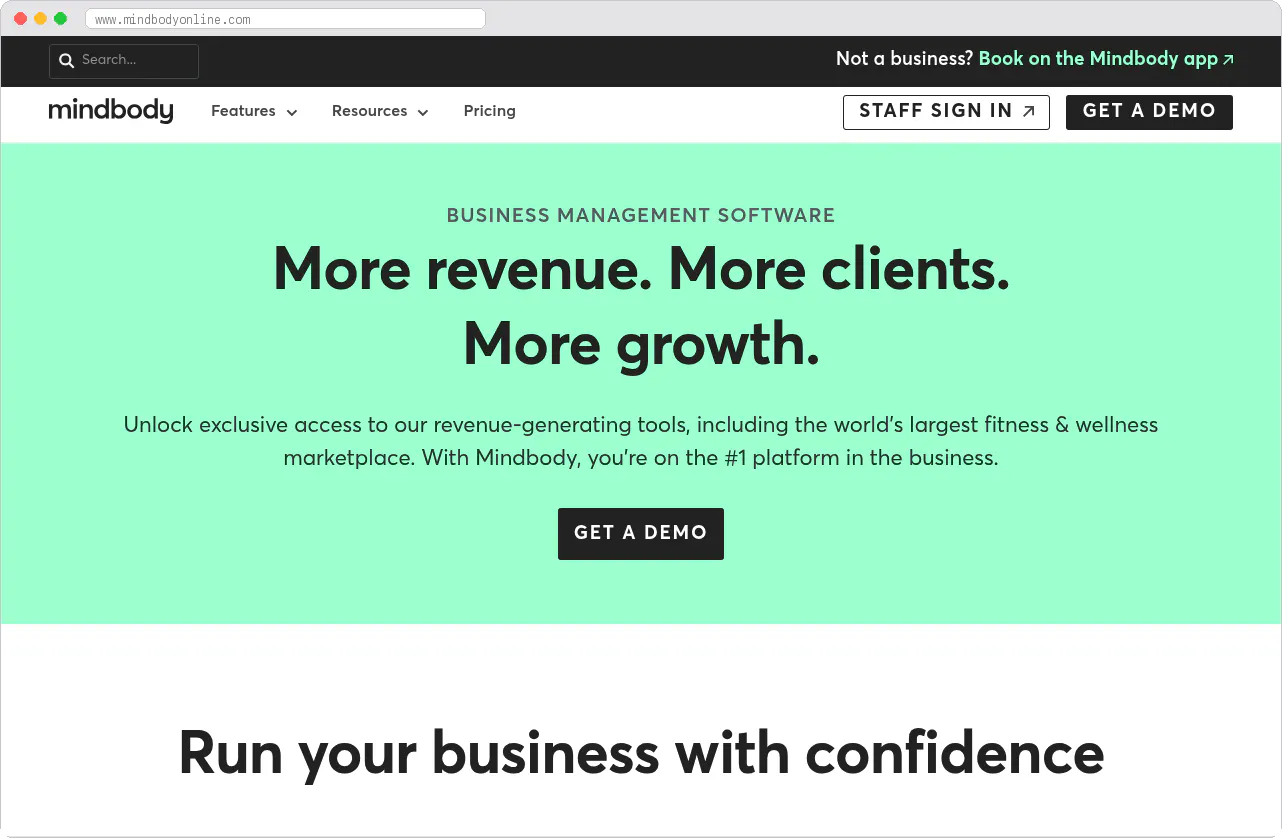
Mindbody dominates the fitness and wellness sector, serving over 58,000 businesses worldwide. Founded in 2001, Mindbody focuses primarily on yoga studios, gyms, spas, and wellness centers rather than individual practitioners. Their platform emphasizes class scheduling, membership management, and retail integration more than individual appointment booking. Mindbody's pricing starts around $129 per month, making it more expensive than Booksy but offering more comprehensive business management features for larger wellness businesses.
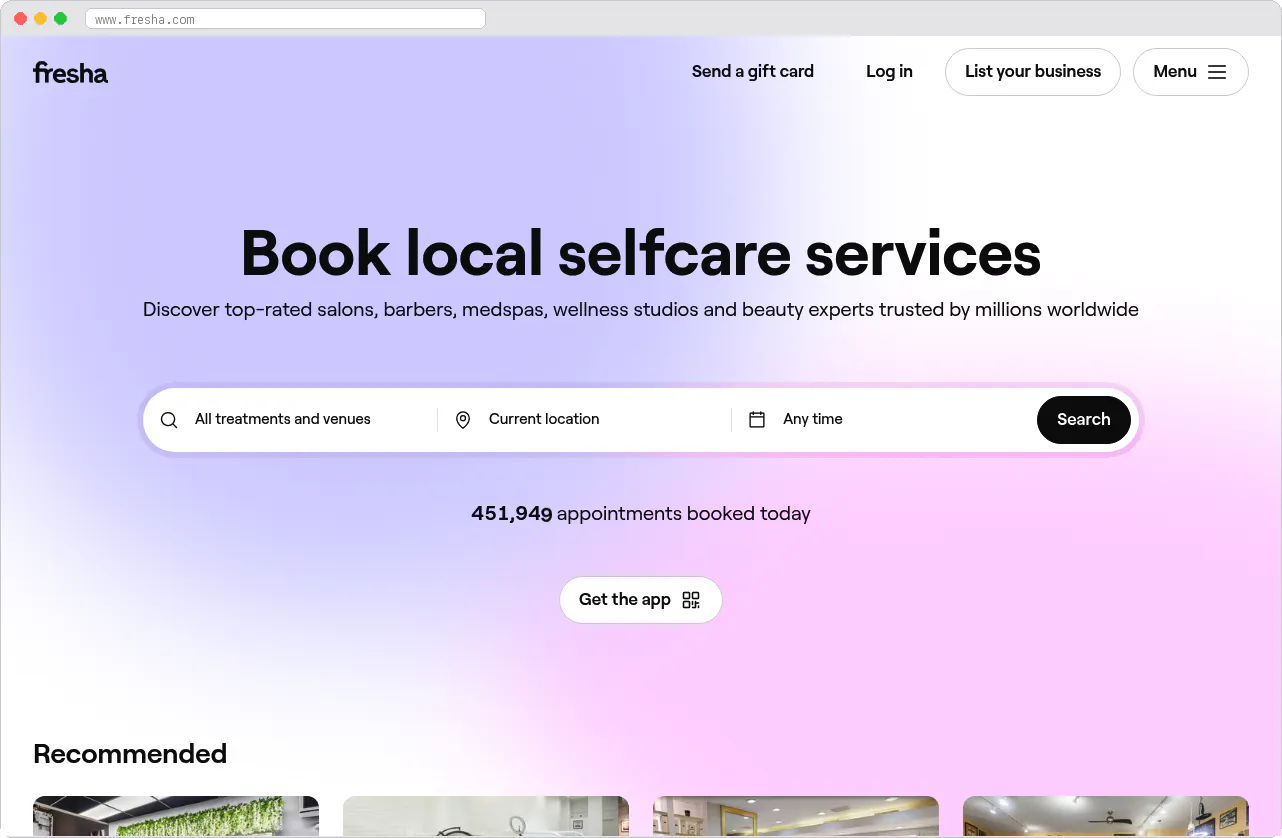
Fresha (formerly Shedul) positions itself as a free alternative to paid booking platforms, generating revenue through payment processing fees and premium add-ons. The UK-based company serves over 110,000 businesses globally and focuses heavily on salons and barbershops. Fresha's free model attracts price-sensitive providers, but the platform offers fewer advanced features than Booksy's paid plans. Their strength lies in rapid international expansion and localization for different markets.
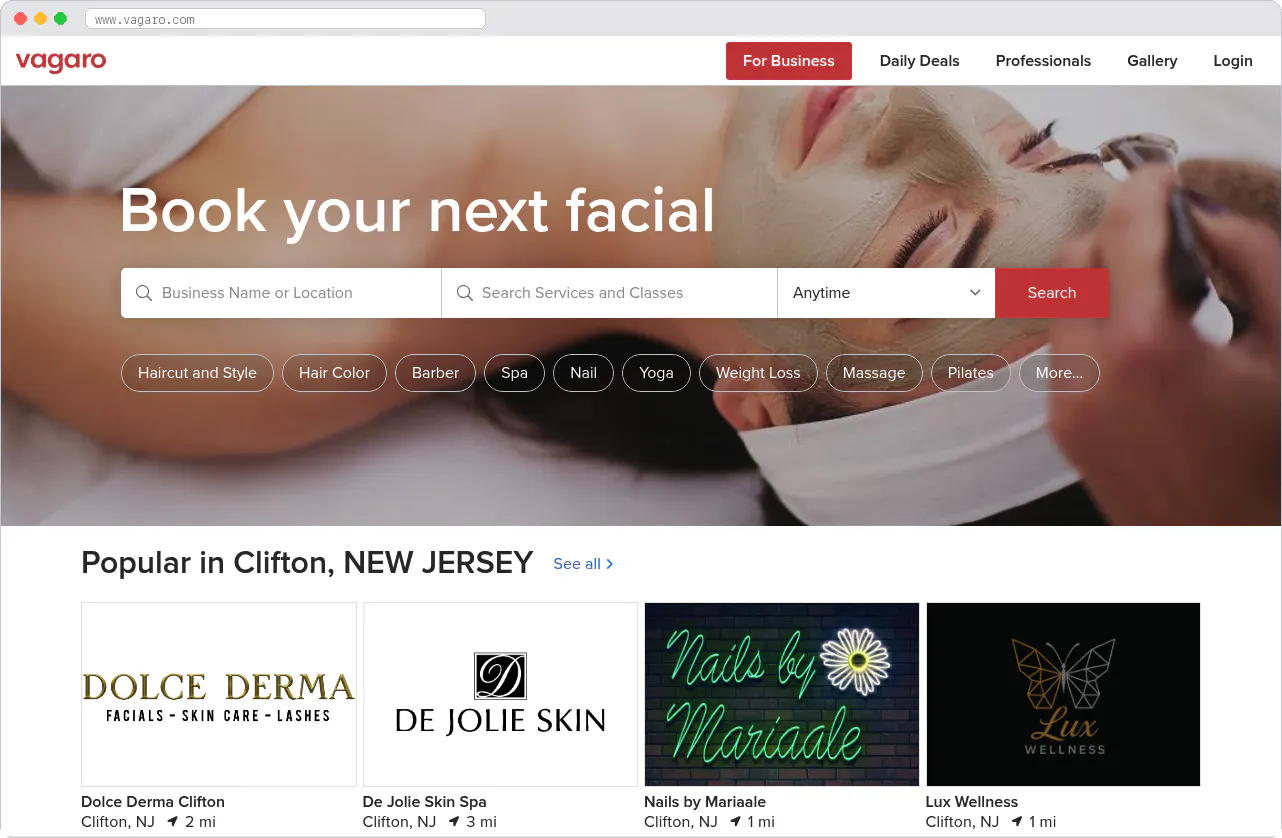
Vagaro targets the beauty and wellness industry with a comprehensive platform that combines booking, point-of-sale, marketing, and inventory management. Based in California, Vagaro serves over 40,000 businesses and emphasizes the consumer marketplace more heavily than Booksy. Customers can purchase gift cards, product packages, and memberships through Vagaro's consumer app, creating additional revenue streams for providers beyond appointment bookings.
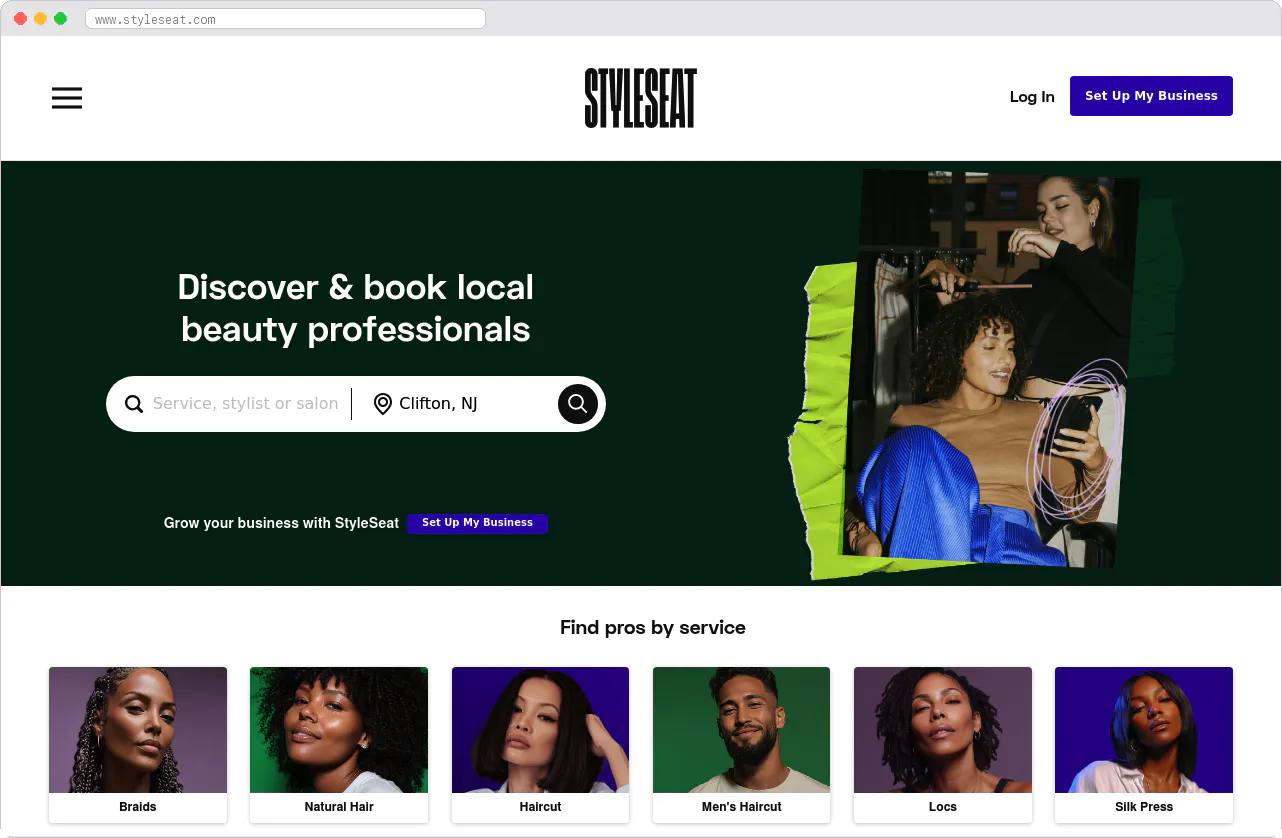
StyleSeat focuses exclusively on beauty services and independent stylists, particularly targeting diverse communities underserved by traditional salons. The platform emphasizes visual portfolios and social features, allowing stylists to showcase their work and build personal brands. StyleSeat's strength lies in connecting customers with independent contractors who work from home studios or rent chairs in salons.
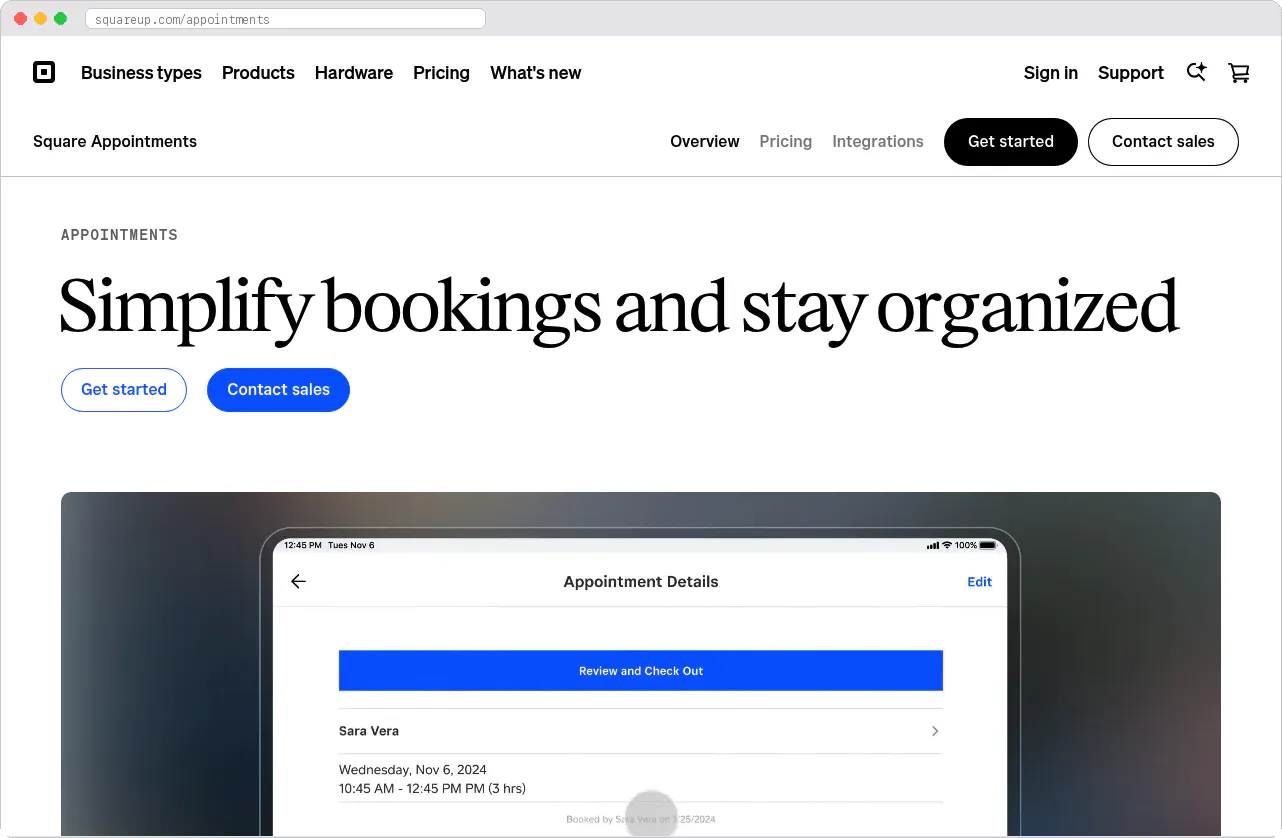
Square Appointments uses Square's ecosystem of payment processing, point-of-sale, and business management tools. The platform integrates smoothly with Square's hardware and software products, making it attractive to businesses already using Square for payments. However, Square Appointments lacks the specialized features and marketplace network effects that dedicated booking platforms provide.
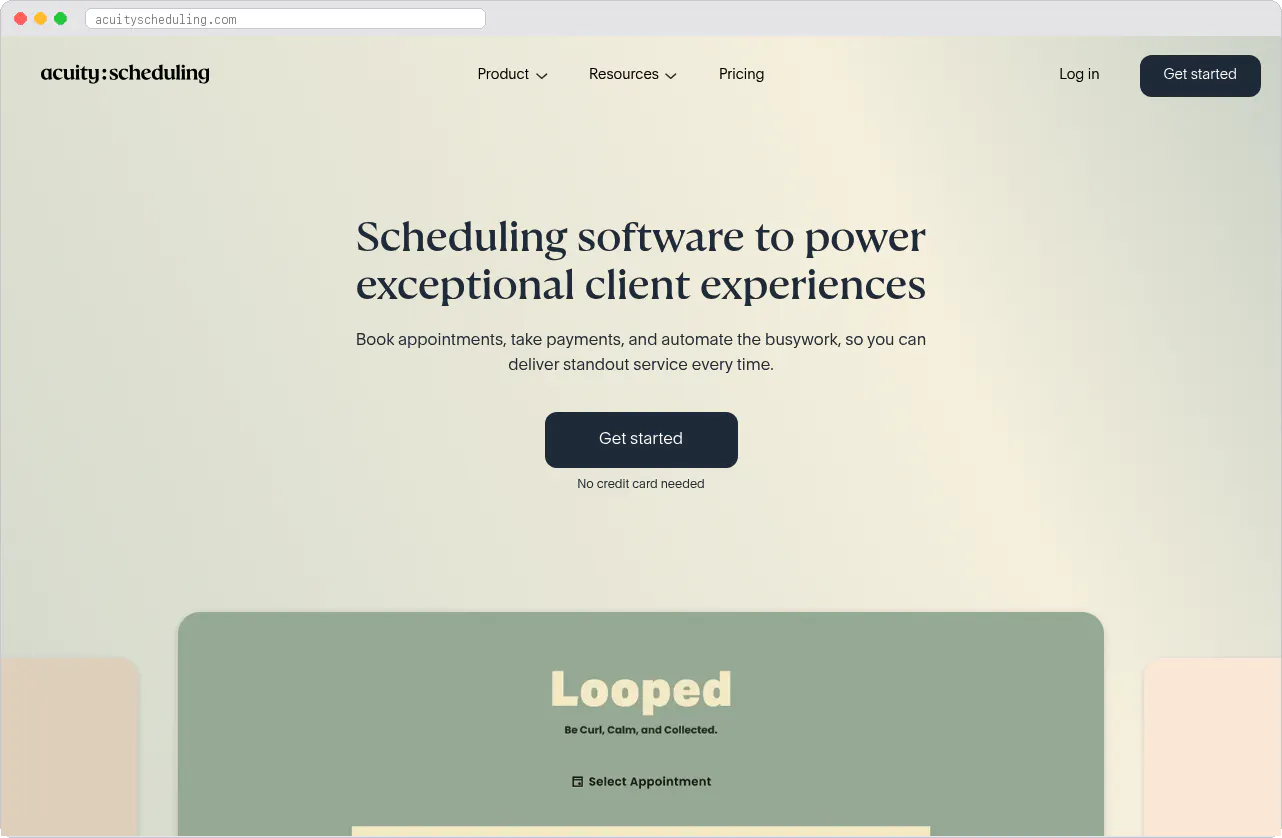
Acuity Scheduling (owned by Squarespace) serves primarily individual practitioners and small service businesses rather than operating as a consumer marketplace. The platform excels at complex scheduling scenarios, automated workflows, and customization options but doesn't provide the customer discovery features that marketplace-style platforms offer.
Each competitor has carved out specific niches within the broader service booking market. Booksy's success comes from balancing comprehensive features with ease of use while building strong network effects in local markets. New entrants can find opportunities by focusing on underserved verticals, geographic markets, or specific provider types that existing platforms don't serve optimally.
How to build a marketplace like Booksy: Step-by-step approach
Building a successful service booking marketplace requires a systematic approach that validates demand, builds core functionality, and grows both sides of the market simultaneously. Here's the proven process for creating a platform like Booksy:
Step 1: Identify your niche and validate demand
Booksy succeeded by starting with beauty and wellness services, but the service booking model works for many industries. Your first step is identifying a specific vertical or geographic market where existing solutions fall short. Consider industries like home services (plumbers, electricians), professional services (lawyers, accountants), health services (physical therapy, mental health), or recreational services (music lessons, tutoring).
Validate demand by talking directly to potential service providers in your chosen niche. Visit local businesses and understand their current booking processes, pain points with existing solutions, and willingness to pay for better tools. Ask specific questions about no-show rates, administrative time spent on scheduling, and how they currently attract new customers.
Simultaneously, research the customer side. Survey potential customers about how they currently find and book services in your target category. Understand their frustrations with existing options and what features would make them more likely to book appointments online.
Step 2: Choose your business model and pricing strategy
Booksy's subscription model works well for service marketplaces because providers need scheduling tools regardless of booking volume. However, other models might work better for your specific market. Commission-based models work when transaction values are high and providers can afford to pay percentage fees. Freemium models can accelerate adoption but require careful planning around which features to include in free versus paid tiers.
Consider your target providers' existing budgets and payment preferences. Small independent contractors might prefer commission-based pricing that scales with their success, while established businesses might prefer predictable monthly subscriptions. Test different pricing approaches with potential customers during your validation phase.
Step 3: Build your minimum viable platform (MVP)
Your MVP should focus on core booking functionality without getting distracted by advanced features. Essential capabilities include provider profile creation, service listing, calendar integration, customer booking flows, and basic payment processing. Avoid building complex features like advanced analytics, marketing automation, or mobile apps until you've validated the core value proposition.
Start with a specific geographic area to build density and network effects. Booksy began in Poland before expanding internationally, allowing them to refine their product and build local market expertise. Choose a city or region where you can easily reach both providers and customers for feedback and iteration.
Step 4: Recruit your first service providers
Service marketplaces typically need supply before demand, since customers won't engage with empty platforms. Start by personally recruiting high-quality providers who can serve as showcases for potential customers. Look for providers who are already tech-savvy, active on social media, or frustrated with their current booking systems.
Offer incentives for early adopters, such as free subscription periods, featured placement, or help with profile creation and photography. Consider providing white-glove onboarding to ensure these crucial first providers have excellent experiences and become advocates for your platform.
Step 5: Launch to customers and iterate based on feedback
Once you have a solid base of active providers, begin marketing to customers in your target area. Focus on digital marketing channels where your target customers spend time, such as local Facebook groups, Instagram, or Google search ads for specific services.
Track key metrics from day one, including booking completion rates, provider utilization, customer retention, and average booking values. Use this data to identify bottlenecks in your user experience and prioritize improvements. Regular feedback sessions with both providers and customers will guide your product development roadmap.
Step 6: Scale geographically and add advanced features
After proving your concept in one market, expand to similar markets while adding features that increase platform value. Advanced features might include automated marketing tools for providers, loyalty programs for customers, integration with accounting software, or mobile apps for better user experience.
Scale thoughtfully to maintain service quality and network density in each new market. Booksy's success came from building strong local networks rather than spreading too thin across many markets simultaneously.
Development approaches for building a service marketplace
Creating a platform like Booksy requires different approaches depending on your technical skills, budget, and timeline. Here are the main development paths and their trade-offs:
Custom development from scratch
Best for: Technical founders or well-funded teams who need highly specialized functionality that existing platforms can't provide.
Timeline: 6-12 months for an MVP, potentially longer for full functionality.
Cost: $40,000-$100,000+ for initial development, plus ongoing maintenance and hosting costs.
Custom development provides complete control over features, user experience, and business logic. You can build exactly the workflow and integrations your market needs without platform limitations. However, the time and cost requirements are substantial, and you'll need ongoing technical expertise for maintenance, security updates, and scaling.
Service booking platforms require complex functionality like real-time calendar synchronization, payment processing, notification systems, and mobile optimization. Building these systems from scratch means solving problems that existing platforms have already addressed, potentially delaying your market entry significantly.
No-code marketplace builders
Best for: Non-technical founders who want to launch quickly and focus on market development rather than technical details.
Timeline: 1-4 weeks for an MVP, depending on customization requirements.
Cost: $50-$99-399/month for platform subscriptions, plus payment processing fees.
Dedicated marketplace builders like Sharetribe provide pre-built functionality for service booking platforms. These tools include calendar management, booking flows, payment processing, user management, and mobile-responsive design without requiring any coding knowledge.
Sharetribe specifically supports service marketplaces with features like appointment scheduling, provider availability management, and booking confirmation workflows. The platform handles technical infrastructure, security compliance, and platform maintenance while you focus on building your business.
The main limitation is reduced flexibility compared to custom development. While marketplace builders offer extensive customization options, you might eventually need custom features that require additional development work.
Hybrid approach: No-code foundation with custom extensions
Best for: Founders who want to launch quickly but anticipate needing specialized features as they grow.
Timeline: 1-2 weeks for initial launch, ongoing development as needed.
Cost: Platform subscription fees plus custom development costs for specific features.
This approach combines the speed of no-code platforms with the flexibility of custom development. You launch with a marketplace builder's core functionality, then add custom features through APIs, integrations, or platform extensions as your business grows.
Sharetribe's architecture supports this hybrid model, allowing you to start with no-code tools and add custom functionality through their APIs and developer platform. This approach minimizes initial risk while preserving future flexibility.
Cost breakdown for building a Booksy-like platform
The investment required to build and launch a service booking marketplace varies dramatically based on your development approach and feature requirements. Here are realistic cost estimates for different scenarios:
No-code approach with Sharetribe
Year one operating costs:
- Sharetribe subscription (Pro plan): $2,388 annually
- Domain and basic branding: $200
- Stock photography and content creation: $500
- Payment processing fees (estimated): $1,200
- Marketing and customer acquisition: $5,000-$15,000
- Total first-year investment: $9,288-$19,288
This approach allows you to validate your market and build initial traction without significant upfront investment. The subscription model scales with your usage, keeping costs manageable during the early stages.
Custom development approach
- Initial development costs:- Backend development and API: $30,000-$50,000
- Frontend web application: $25,000-$40,000
- Mobile applications (iOS and Android): $40,000-$70,000
- Payment processing integration: $10,000-$15,000
- Testing, deployment, and launch: $10,000-$20,000
- **Total development investment: $115,000-$195,000** - Ongoing operational costs:- Server hosting and infrastructure: $500-$2,000 monthly
- Developer maintenance and updates: $5,000-$10,000 monthly
- Security monitoring and compliance: $1,000-$3,000 monthly
- Payment processing fees: 2.9% + $0.30 per transaction
Custom development requires substantial upfront investment and ongoing technical resources. However, it provides complete control over functionality and can support highly specialized business requirements.
Hybrid approach costs
Initial setup:
- Sharetribe subscription and basic customization: $3,000-$5,000
- Custom feature development: $10,000-$30,000
- Professional design and branding: $3,000-$8,000
- Total initial investment: $16,000-$43,000
The hybrid approach balances speed to market with customization capabilities, allowing you to launch quickly while building specialized features as you understand your market better.
Why Sharetribe works for service booking marketplaces
Sharetribe's platform addresses the specific challenges of building service marketplaces through purpose-built functionality and proven marketplace expertise. Here's how Sharetribe solves common problems faced by service marketplace founders:
Rapid market validation: Sharetribe enables you to launch a fully functional booking marketplace in days rather than months. This speed advantage is crucial for service marketplaces because local competition can emerge quickly, and first-mover advantages often determine long-term success in specific geographic markets.
The platform includes all essential service marketplace features out of the box: appointment scheduling, provider profiles, location-based search, booking management, payment processing, and review systems. You can start testing your concept with real customers immediately instead of waiting months for development completion.
Built-in trust and safety features: Service marketplaces require higher trust levels than product marketplaces because customers are meeting providers in person. Sharetribe includes identity verification, secure messaging systems, payment protection, and dispute resolution tools that help establish trust between strangers.
The platform's review and rating systems encourage accountability while providing social proof that helps customers make confident booking decisions. These trust mechanisms are essential for service marketplace success but complex to build from scratch.
Scalable payment infrastructure: Service bookings involve complex payment scenarios including deposits, tips, cancellation refunds, and split payments between multiple providers. Sharetribe's integration with Stripe Connect handles these complexities while ensuring compliance with financial regulations across different countries and regions.
The platform supports various business models including subscriptions, commissions, and listing fees, allowing you to optimize your revenue model based on market feedback without rebuilding your payment infrastructure.
Mobile-optimized user experience: Both service providers and customers heavily rely on mobile devices for booking management. Sharetribe's responsive design and mobile-first approach ensure optimal user experience across all devices without requiring separate mobile app development.
The platform includes push notifications, calendar synchronization, and offline functionality that keep users engaged and reduce no-show rates through automated reminders and confirmations.
Extensibility for growth: While Sharetribe provides comprehensive out-of-the-box functionality, service marketplaces often need specialized features as they grow. The platform's API-first architecture allows you to add custom integrations, unique booking workflows, or industry-specific features without rebuilding your entire platform.
This extensibility is particularly valuable for service marketplaces because different industries have unique requirements that generic platforms can't address. You can start with standard functionality and add specialized features as you understand your market better.
Marketplace expertise and support: Building a successful marketplace requires understanding complex dynamics like network effects, liquidity management, and two-sided growth strategies. Sharetribe's team has over a decade of experience helping marketplace founders succeed, providing guidance beyond just technical platform capabilities.
The platform includes built-in analytics and insights that help you understand provider utilization, customer retention, and booking patterns. These insights are crucial for optimizing your marketplace performance and making data-driven growth decisions.
Sharetribe's approach allows you to focus on the aspects of your business that create competitive advantage, market knowledge, provider relationships, customer acquisition, and service quality, while using proven marketplace technology and best practices.
Next steps for building your service booking marketplace
Building a successful marketplace like Booksy requires combining proven technology with deep market understanding and execution excellence. The service booking industry offers significant opportunities for founders who can identify underserved niches or geographic markets where existing solutions fall short.
Start by validating demand in a specific market segment before building any technology. Talk to potential service providers and customers to understand their current pain points and willingness to adopt new solutions. This market research will guide your feature priorities and business model decisions.
Choose a development approach that matches your timeline, budget, and growth ambitions. If speed to market is crucial and you want to focus on business development rather than technical challenges, no-code platforms like Sharetribe provide the fastest path to validation and growth.
Remember that successful marketplaces are built iteratively based on user feedback rather than comprehensive upfront planning. Launch with essential features, gather data on user behavior, and prioritize improvements based on real usage patterns rather than assumptions.
The service booking marketplace opportunity extends far beyond beauty and wellness into industries like home services, professional consulting, healthcare, education, and recreational activities. By focusing on specific niches and executing well on the fundamentals of marketplace building, you can create significant value for both service providers and customers while building a sustainable business.
Frequently asked questions
How much does it cost to build an app like Booksy?
Using a No-code marketplace platforms run $99-399 per month in subscription fees.
What features does a service booking marketplace need?
Essential features include appointment scheduling, real-time availability, provider profiles, location-based search, payment processing, review systems, automated notifications, and mobile optimization. Advanced features can be added based on user feedback.
How does Booksy make money?
Booksy generates revenue primarily through monthly subscription fees ($29-$129) charged to service providers, plus payment processing fees (2-3% per transaction) and premium feature add-ons like enhanced marketing tools and priority support.
What makes Booksy different from competitors like Mindbody?
Booksy focuses on individual beauty and wellness practitioners with affordable pricing, while Mindbody targets larger fitness and wellness businesses with more comprehensive features at higher price points. Booksy emphasizes ease of use for small providers.
How long does it take to build a marketplace like Booksy?
With no-code platforms like Sharetribe, you can launch an MVP in 1-4 weeks. Custom development takes 6-12 months for basic functionality. The key is launching quickly to validate demand and iterate based on user feedback.
Can I build a service booking marketplace without coding?
Yes, no-code platforms like Sharetribe provide all essential marketplace features including appointment scheduling, payments, and user management. You can launch and scale without technical skills, then add custom features as needed.
Start your 14-day free trial
Create a marketplace today!
- Launch quickly, without coding
- Extend infinitely
- Scale to any size
No credit card required