Niche marketplaces: examples, ideas, and how to build one
If you're considering building a marketplace, this guide is for founders at the research stage—deciding whether to go narrow or broad, and which vertical to pursue. It covers what niche marketplaces are, why they can outperform even large-scale, established general platforms, and how to launch one.

Summary
A niche marketplace is an online platform that connects buyers and sellers within a specific category, community, or vertical, rather than trying to serve everyone. Examples include Reverb (music gear), Rover (pet care), and StockX (sneakers). Niche marketplaces win by offering deeper trust, better curation, and a tighter community than horizontal platforms like Amazon or eBay can.
Building a niche marketplace is faster and cheaper than most founders expect. No-code platforms let you launch in days, validate your idea with real users, and add custom features as you grow.
Key takeaways
- What is a niche marketplace: A platform focused on a specific product category, service type, or community. Examples include Reverb (music gear), Hipcamp (outdoor stays), and Faire (wholesale B2B goods).
- Why niche works: Focused platforms build trust faster, attract committed buyers and sellers, and face less price competition than general marketplaces.
- Niche market ideas: Strong verticals include specialty goods, peer-to-peer services, equipment rentals, and B2B supply chains with fragmented existing options.
- How to build one: Most founders start with no-code marketplace software to validate quickly, then extend with custom code as the business grows.
If you're considering building a marketplace, this guide is for founders at the research stage—deciding whether to go narrow or broad, and which vertical to pursue. It covers what niche marketplaces are, why they can outperform even large-scale, established general platforms, and how to launch one.
A niche marketplace is a two-sided platform that connects buyers and sellers within a defined category or community. Instead of listing everything, it goes deep on one thing.
As a business, a niche marketplace serves a specific audience well enough that users prefer it to a general platform, even though the general platform has more listings and a better-known brand. That preference is the core of the business.
Niche marketplaces sit in contrast to horizontal marketplaces like Amazon, eBay, or Facebook Marketplace, which prioritize breadth. Niche platforms prioritize depth: specialist inventory, custom features relevant to the niche, a high level of trust, and buyers who actually know what they're looking for.
A common mistake for early-stage founders is to go after as broad a focus and as large a market as possible. It's intuitive to think that the larger the potential pool of users and use cases, the likelier it is to find enough people to support a new marketplace business.
In fact, the opposite is true. According to research by Lenny Rachitsky, almost every single one of today's most successful marketplaces initially focused either on a small geographic location (city or neighborhood) or a single category.
There are several reasons why niche marketplaces work so well:
Trust is easier to build in a community. On a general marketplace, trust signals are generic: star ratings, review counts, and response time. A niche platform knows its audience's pain points for trust and can design its trust mechanisms around what actually matters in that category. The community itself also helps: buyers and sellers who share a domain tend to recognize quality and spot bad actors faster.
Curation beats volume for specialist buyers. A photographer looking to rent a medium-format camera doesn't want to search through 40,000 electronics listings. A niche platform built for photographers surfaces the right gear with the right context, at the right price. The narrow scope is a feature, not a limitation.
Liquidity is easier to reach. A marketplace with fewer buyers and sellers is often much easier to start and get to a point where it generates revenue. If you're building a general "marketplace for everything", you need a huge supply before you can be confident that any customer who lands on your platform finds the exact thing they're looking for. A niche marketplace can achieve liquidity with a much smaller community because supply and demand align more closely.
Price competition is lower. Amazon turns many product categories into a race to the bottom on price because buyers are comparing across thousands of sellers, and price is the most visible signal. On a niche platform, buyers understand what they're looking at. A vintage guitar seller on Reverb reaches buyers who know the difference between a '62 and a '72 reissue—and will pay accordingly.
Niche platforms can offer (and charge for) services that general marketplaces can't. A horizontal platform needs features that work across all categories, such as generic condition ratings, standard reviews, and one-size-fits-all payment terms. A niche platform can invest in what its specific category actually needs: authentication or provenance verification for high-value items or collectibles, insurance for high-value rentals, certification or credential checks for service providers, category-specific dispute resolution... In short, the marketplace platform has a lot more opportunity to add real value in the transaction and reflect this in its pricing.
The "vs. Amazon" angle is a strong marketing position. Several niche marketplace categories have grown specifically because general platforms handle them poorly. Communicating that you understand the needs of the niche and have designed a truly better experience just for them can be a strong marketing message, for example, when you're building your initial supply and contacting sellers on existing platforms.
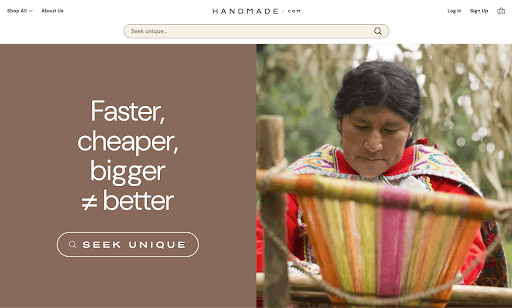
These marketplaces succeeded by going narrow rather than broad.
Reverb (music gear): The dominant marketplace for new and used musical instruments and audio equipment. Reverb works because buyers care about instrument condition in ways that generic platforms don't capture, and sellers are often musicians who want to sell to other musicians, not anonymous buyers.
Rover (pet services): A marketplace for pet sitting, dog walking, and boarding. Pet owners want to vet caregivers more carefully than a general services platform allows. Rover's profile system, reviews, and messaging are tuned specifically to that need.
Hipcamp (outdoor stays): Airbnb for camping, glamping, and outdoor accommodation. Hipcamp works because landowners and guests in this niche have specific needs (permits, terrain information, facilities) that a general rental platform doesn't handle.
StockX (sneakers and streetwear): A marketplace with a trading-floor model for authenticated sneakers, streetwear, and collectibles. Authentication is the core value proposition, and it's category-specific by necessity.
Faire (wholesale B2B): A marketplace connecting independent retailers with small-brand wholesalers. Faire works because the B2B wholesale relationship has specific payment terms, return policies, and trust requirements that a general marketplace ignores.
Houzz (home renovation): A marketplace connecting homeowners with contractors, designers, and suppliers. The category requires portfolio review, local filtering, and project-scoped communication that a general services platform doesn't provide.
Swimmy (private pool rentals): A marketplace connecting pool owners with people looking to rent a private pool for the day, operating in France and Spain. A general classifieds platform wouldn't invest in the insurance relationships and trust features that renting someone's backyard requires. Read Swimmy's story here.
Drive lah (peer-to-peer car sharing): Drive lah connects car owners in Singapore and Australia with renters who need a vehicle nearby, competing on the convenience and pricing that global car rental companies can't match at a neighborhood level. The supply—privately owned cars sitting idle—is already distributed where renters need it. Read Drive lah's story here.
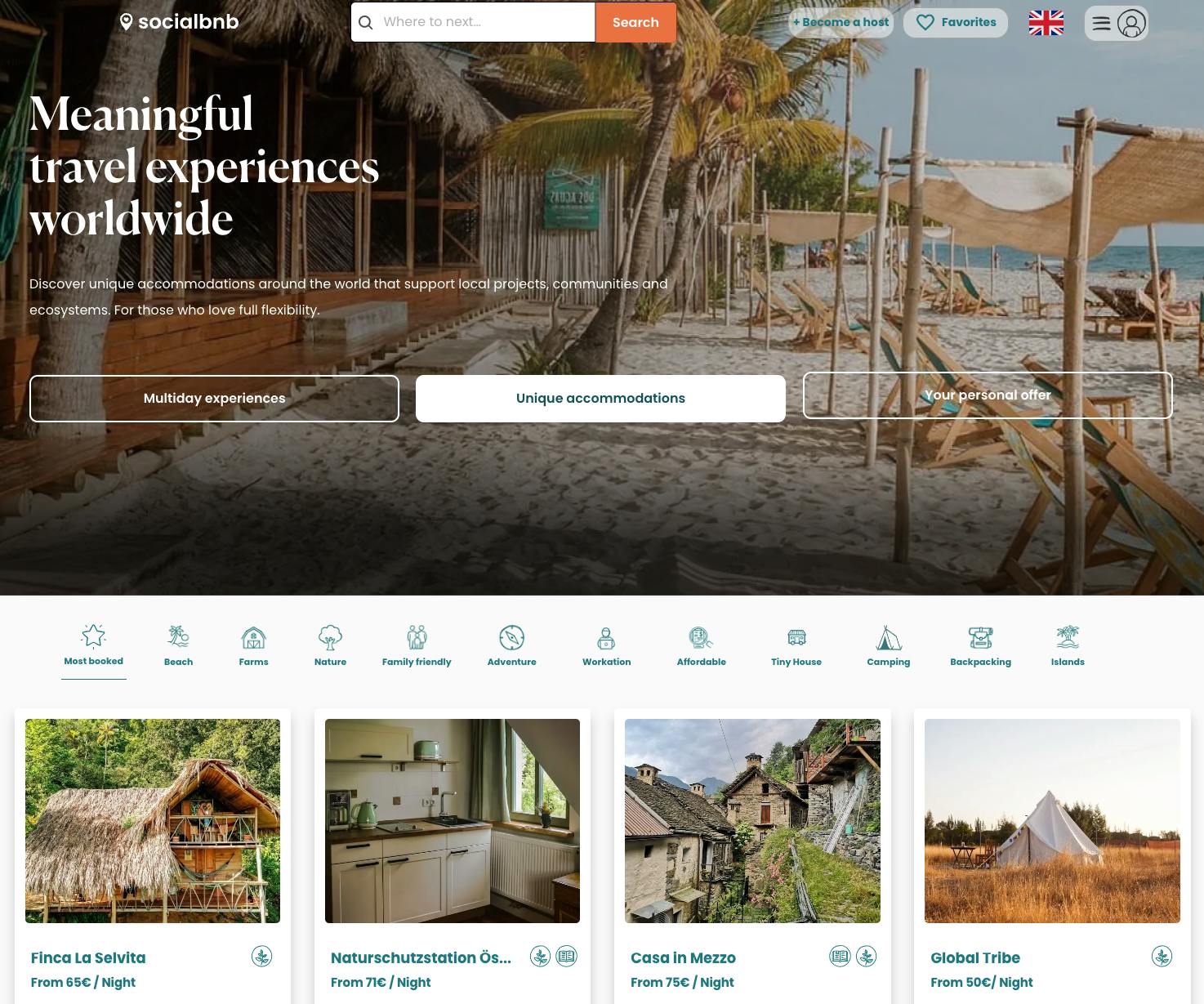
socialbnb (responsible travel): socialbnb connects travelers with social-impact organizations, including community development projects, reforestation initiatives, and NGOs. It offers accommodation and experiences across 45 countries. The niche works because travelers seeking authentic, responsible travel have no natural home on Airbnb or Booking.com, and the communities offering accommodation lack access to mainstream tourism markets. Every host undergoes detailed curation checks, the kind of investment a general platform won't make for a segment it doesn't specialize in. Read socialbnb's story here.
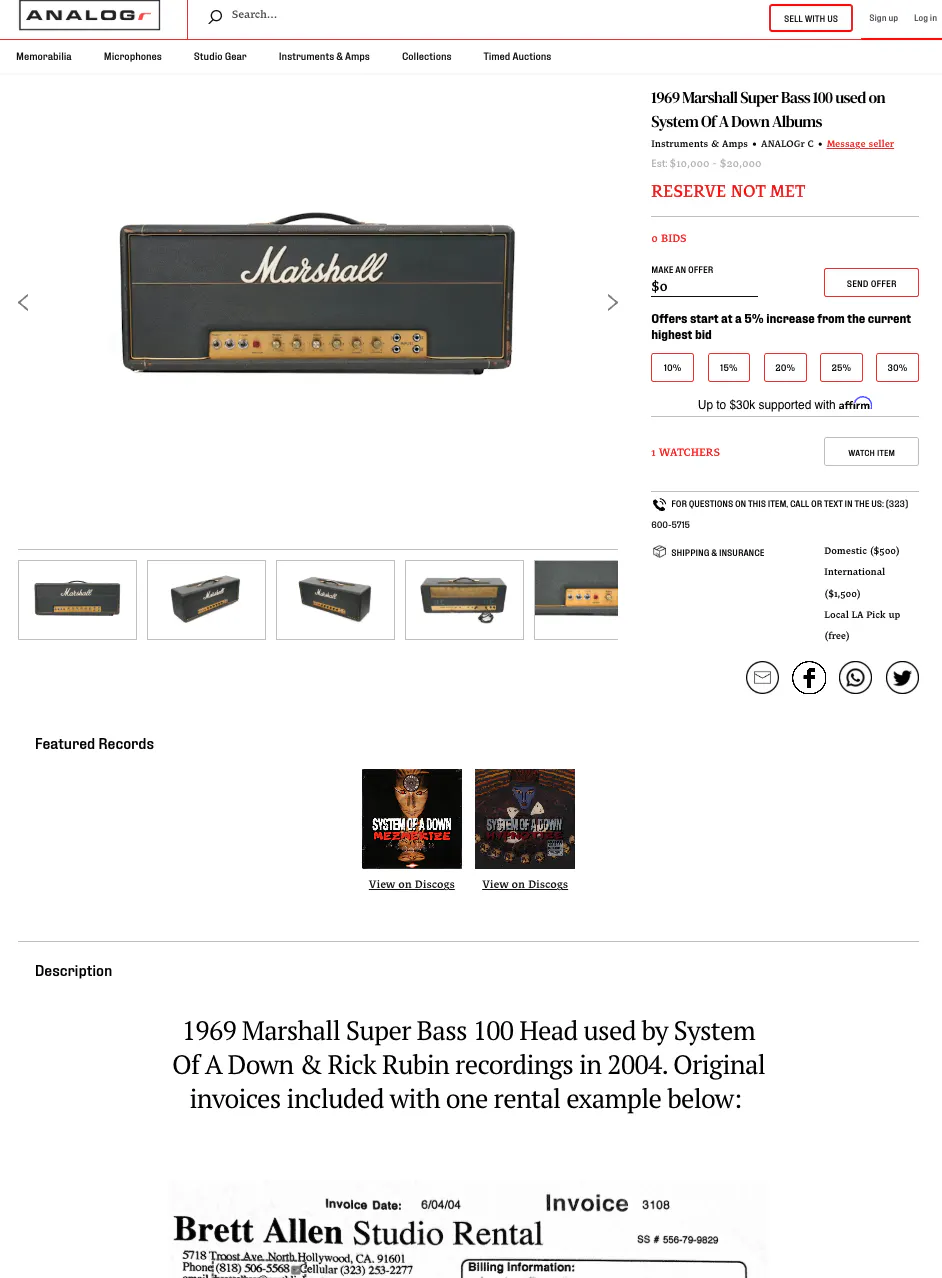
GearSource (professional audio and staging equipment): A B2B marketplace for professional sound, lighting, video, and staging equipment, built for the touring and live events industry. The average order is around $20,000, and buyers are production professionals specifying equipment to exact technical requirements, not consumers comparing star ratings. GearSource has operated since 2002 because it's the best solution for the pro audio industry for moving high-value, spec-driven inventory at scale. Read GearSource's story here.
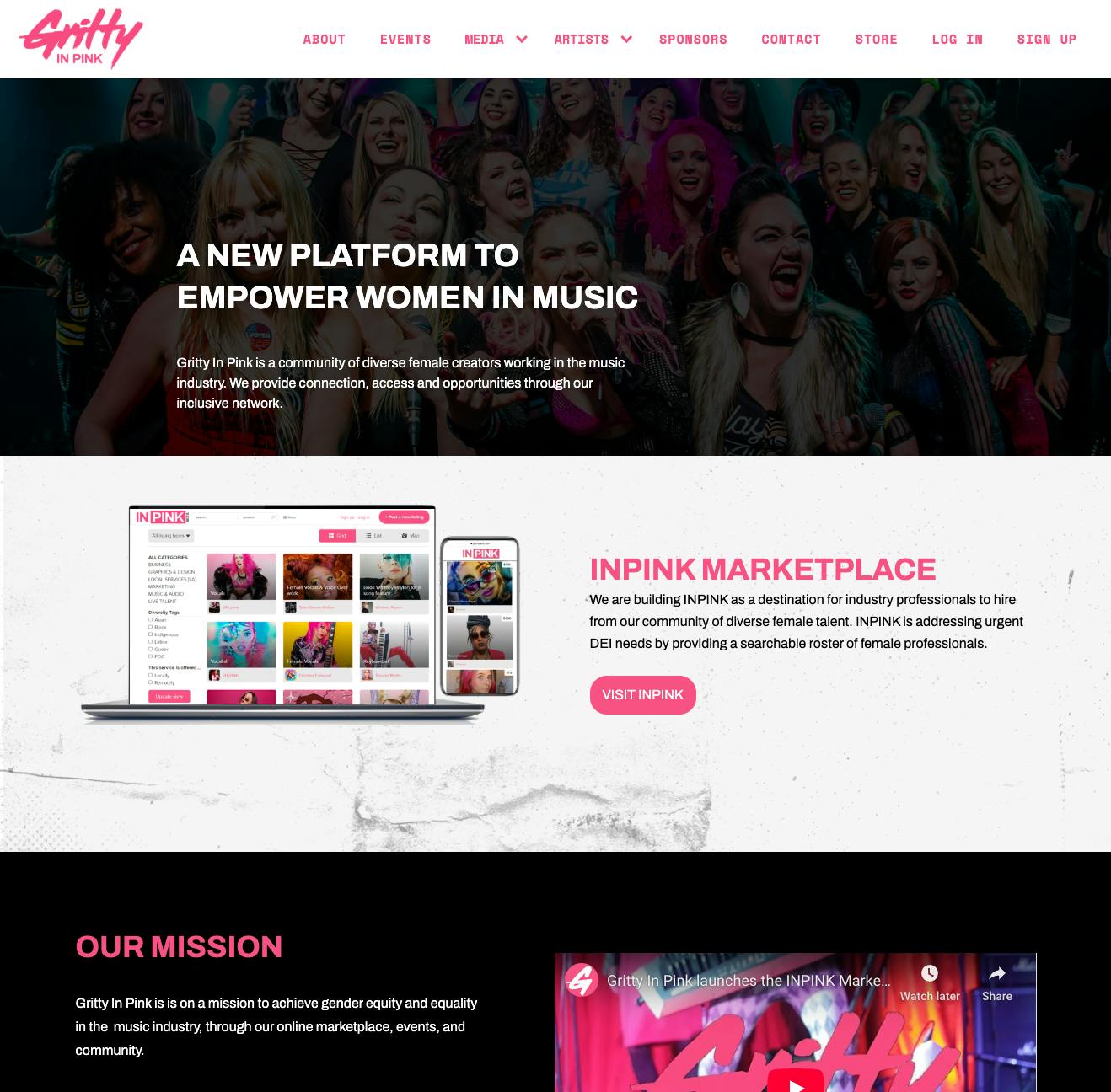
Gritty In Pink (diverse female talent in entertainment): Gritty In Pink, now operating as INPINK, connects entertainment brands with diverse female creators across music, video, and live events. The platform grew out of a two-decade advocacy movement for female representation in the music industry, which means the supply side already existed as a community before the marketplace did. Sixteen consecutive months of growth after launch came from formalizing connections that were already happening informally. Read Gritty In Pink's story here.
The strongest niche marketplace opportunities share a common pattern: an existing but fragmented market where trust, expertise, or specificity is a real barrier on general platforms.
- Specialty food and ingredients: Artisan producers, small-batch importers, and specialty ingredient suppliers have no natural home on Amazon. A curated wholesale or direct-to-consumer marketplace for this category has strong community potential.
- Vintage and antique furniture: High-ticket, condition-dependent, and trust-sensitive. Serious buyers don't want to scroll through Craigslist.
- Secondhand musical instruments: Reverb proved the category. Geographic or genre-specific variants are still underdeveloped.
- Rare books and collectibles: Condition grading, provenance, and category knowledge matter in ways that general platforms can't easily accommodate.
- Sustainable and ethical fashion: Buyers in this category care about supply chain transparency. A platform where sourcing claims are verified creates trust that a general resale platform can't.
- Specialized second-hand: As originally niche-focused platforms like Vinted and Poshmark grow, there is a real need for specialized platforms to make buying and selling specific items easier. Niche platforms for second-hand designer clothing or kids' items are already answering the need.
- Skilled trades (local): Plumbers, electricians, and carpenters are still largely booked through referrals or low-quality lead aggregators. A well-designed marketplace for verified local tradespeople has room to grow in most geographies.
- Creative freelancers by vertical: General freelance platforms are crowded and price-competitive. A marketplace for a specific creative discipline (motion designers, podcast producers, technical writers) can attract better clients and command higher fees.
- Wellness and coaching: Personal trainers, nutritionists, and coaches operate largely through direct channels. A vetted marketplace for this category, or even a smaller subcategory, with strong profile tools and booking capabilities, is a repeatable model across geographies.
- Agricultural services: Farm labor, equipment operation, and land management are still booked informally in most regions. A services marketplace for agriculture is nascent in most markets.
- Repair and restoration: Electronics repair, furniture restoration, clothing alterations, and appliance fixing are all booked through fragmented local channels. The "right to repair" movement and sustainability pressure are creating real demand, but there's no trusted place to find a specialist who can fix a specific thing. A niche marketplace for repair services by category (clothing, electronics, furniture) has both the community angle and the trust requirement.
- Hobby and specialist equipment: Expensive gear that sits idle between uses is the rental category that keeps giving. Outdoor equipment (kayaks, tents, climbing gear) is the obvious example, but the same logic applies to photography and film, amateur astronomy, woodworking, ceramics, brewing, cooking, and dozens of other hobbies. The enthusiast community already exists (and usually loves to connect with one another); the rental layer usually doesn't.
- Baby and children's gear: Strollers, car seats, and cribs are used for a short period and then stored or discarded. A rental marketplace for this category addresses both cost and waste.
- Party and event supplies: Tables, chairs, tents, and catering equipment are rented through disconnected local suppliers. A marketplace aggregating local inventory is a viable regional play.
- Power tools: Most homeowners use a drill a few times a year. Peer-to-peer tool rental works especially well in dense urban areas.
- Fashion and occasion wear: Designer pieces, formal wear, costumes, or other items people need once or twice a year but can't justify buying. Rent the Runway proved the category at scale; there's room for more focused versions (local, sustainable, specific aesthetics).
- Independent wholesale: Small brands selling to independent retailers currently navigate a fragmented set of trade shows, sales reps, and email relationships. Faire proved the model, and there are category-specific variants still to build.
- Construction materials and surplus: Overstocked or surplus building materials are often sold at deep discounts informally. A structured marketplace for this category could work at regional or national scale.
- Creative asset licensing: Fonts, templates, motion graphics, and 3D assets are licensed through a handful of large platforms. Vertical platforms for specific disciplines (architecture, game design, film) can offer better curation and community.
- AI workflow setup and automation: A fast-growing category of people who set up AI tools, build custom GPTs, automate business processes, and train teams on new tools. The demand exists, the supply is scattered across LinkedIn and freelance platforms, and buyers have no way to evaluate expertise. A marketplace for this category could age quickly as the tools evolve, but right now, the gap is real.
- Compliance and regulatory consulting: Fragmented, geography-specific, and highly trust-dependent. Small businesses navigating tax, employment law, or industry-specific regulation hire consultants informally, and pricing practices vary greatly. A vetted marketplace by specialty and jurisdiction has strong structural advantages over a general freelance platform.
- Professional equipment rentals: Businesses increasingly rent equipment that isn't worth owning, since ownership entails managing inventory, maintenance, and replacement cycles. Camera rigs, event equipment, agricultural machinery, construction equipment... The markets often exist, but equipment is booked through direct supplier relationships or large general platforms. A B2B rental marketplace by equipment category or industry vertical has room in most markets.
- Office and workspace equipment: Standing desks, monitors, and ergonomic setups are often rented for temporary offices, pop-up locations, or remote worker stipend programs. The niche is growing with the distributed work trend.
Niches with great marketplace potential have a few identifiable characteristics.
An existing community, even if informal or dispersed. If buyers and sellers in the category already find each other informally (forums, Facebook groups, trade shows, referral networks), a marketplace can formalize and improve on something people already want. If there's no existing community, you'll be building supply and demand from scratch. Not a blocker, but harder than leaning into an existing community.
Friction on general platforms. Ask both your prospective sellers and buyers if they're happy with how transactions happen today and what the experience is like on the platforms they currently use. (Seller subreddits are a great place to source additional intel.) If you notice issues like "difficulty finding sellers/customers", "don't trust the sellers/buyers", or "not enough tools to manage my offering", the opportunity is ripe for a dedicated marketplace solution.
Above-average price tolerance. Categories where buyers are extremely price-sensitive are harder to monetize on a niche platform because generally, larger platforms can more easily compete on price. An early-stage platform will have a better shot in niches where customers clearly show preference for quality over lowest-possible prices.
Fragmented existing supply. If the people who could be your sellers are currently spread across many small channels (e.g. their own websites, Craigslist, Instagram, local directories, trade shows), you can create real value by aggregating them in one place.
The rule of thumb to build a niche marketplace is to start narrow, validate fast, and expand only once you have proof of demand.
1. Validate before you build. Talk to 20–30 potential sellers in your target category. Ask how they currently find buyers and what they hate about it. If the frustrations are consistent and specific, that's your product brief. Then do the same with potential buyers. Here's our guide for validating your marketplace idea.
2. Launch with an MVP. The first version doesn't need custom features. It needs listings, search, payments, and messaging. No-code marketplace software like Sharetribe lets you launch a functioning marketplace in days and test whether real transactions happen. Here's everything you need to know about building a marketplace mvp.
3. Onboard your supply side first. Buyers show up when inventory is there. Sellers show up when buyers are there. The way out of this chicken-and-egg problem is to manually recruit your first cohort of sellers before you launch to buyers. Here's our complete guide for how to get supply onboard before you have demand, and here's how to launch to demand.
4. Add what your category actually needs. Once transactions are happening, you'll learn quickly what's missing: calendar booking for services, condition grading for goods, verified identity for high-trust categories. Add features strategically and with a focus on the business milestones you need to reach: problem-solution fit and product-market fit.
5. Expand from a position of strength. When (and only when) you've reached product-market fit, it's time to start thinking about scaling your marketplace to new niches, customer segments, or locations. Add one market at a time and find product-market fit there before expanding to others. Rinse and repeat until you've reached your goals.
Sharetribe supports launching no-code and extending with custom development as your needs grow, without needing to rebuild the platform.
The case for going narrow is strong. Niche marketplaces reach liquidity faster, build trust more effectively, and have better margins than general platforms in the same categories. The challenge for an aspiring founder is to find the right niche, identify its core problems, and launch a business fast to start learning, validating, and iterating.
Sharetribe is designed for exactly this path: launch no-code to validate, extend with custom development as your category's specific needs become clear. You don't need to build everything on day one, and you don't need to rebuild later when you outgrow a basic setup.
For further reading, check out our complete, 10-step guide on how to create a marketplace. It's also available as a video course.
Or start building your concept right now by starting a free Sharetribe trial. It's free for 14 days, no credit card needed.
Reverb (music gear), Rover (pet services), Vinted (secondhand clothing), Hipcamp (outdoor accommodation), and Faire (wholesale B2B goods) are all examples of niche marketplaces that have scaled significantly.
Yes. Niche marketplaces often achieve higher take rates (the commission percentage per transaction) than general platforms because buyers and sellers value the curation and trust they provide. Profitability depends on transaction volume, take rate, and operating costs, like any marketplace.
Most use a commission model, taking a percentage of each transaction. Some charge listing fees, subscription fees for premium seller accounts, or fees for value-added services like boosted listings or payment guarantees.
A general marketplace or a horizontal marketplace (Amazon, eBay) prioritizes breadth of inventory across many categories. A niche marketplace prioritizes depth in one category, serving buyers and sellers who need more than a general platform offers in terms of trust, curation, or specialized features.
Validate your idea by talking to potential sellers first. Then launch with an MVP using no-code marketplace software. Focus on getting your first transactions before adding features. See our guides on how to build a marketplace and how to find your niche.
For most niche marketplace founders, Sharetribe is the strongest starting point because it's both quick to launch no-code and easy to expand later. Other no-code platforms on the market require a rebuild once you need custom features, whereas Sharetribe is designed to extend with code without replacing what you've already built. That matters for niche marketplaces specifically, because your category will eventually need something a general platform doesn't provide out of the box: authentication, specialized search, custom booking flows. You can start no-code and add exactly what your niche requires, without starting over. That said, there are viable alternatives to Sharetribe depending on your marketplace type, focus, and requirements. See our full guide to the best marketplace software in 2026.
Start your 14-day free trial
Create a marketplace today!
- Launch quickly, without coding
- Extend infinitely
- Scale to any size
No credit card required