How to build a website like CoachUp
CoachUp connects 20,000+ athletes with private sports coaches across 50+ sports. Learn how to build a similar coaching marketplace with the right features, business model, and growth strategy.
Published: Aug 9, 2024
Last updated: Mar 19, 2026
What is CoachUp and why build something similar?
CoachUp revolutionized private sports coaching by creating the first dedicated marketplace connecting athletes with verified coaches. Founded in 2012 by Jordan Fliegel and John Fleischmann after Fliegel's frustrating experience trying to find a tennis coach in college, the platform now serves over 20,000 athletes and operates across 50+ sports including basketball, soccer, tennis, baseball, and swimming.
The marketplace addresses a fundamental problem in youth and amateur sports: finding quality, personalized coaching outside traditional team settings. Before CoachUp, athletes and parents relied on word-of-mouth recommendations, local ads, or gym bulletin boards to find coaches. This created friction for both sides, coaches struggled to find clients consistently, while athletes had limited options and no way to verify coach credentials.
CoachUp's success stems from solving trust and discovery problems simultaneously. The platform vets all coaches through background checks and credential verification, while providing detailed profiles with specializations, experience levels, and athlete reviews. Athletes can search by location, sport, skill level, and price, then book sessions directly through the platform.
The timing proved perfect. Youth sports participation has grown steadily, with over 45 million children playing organized sports in the US. Simultaneously, parents increasingly invest in specialized training to help their children excel. The private coaching market, estimated at $6 billion annually, was ripe for a technology solution that could scale personal connections.
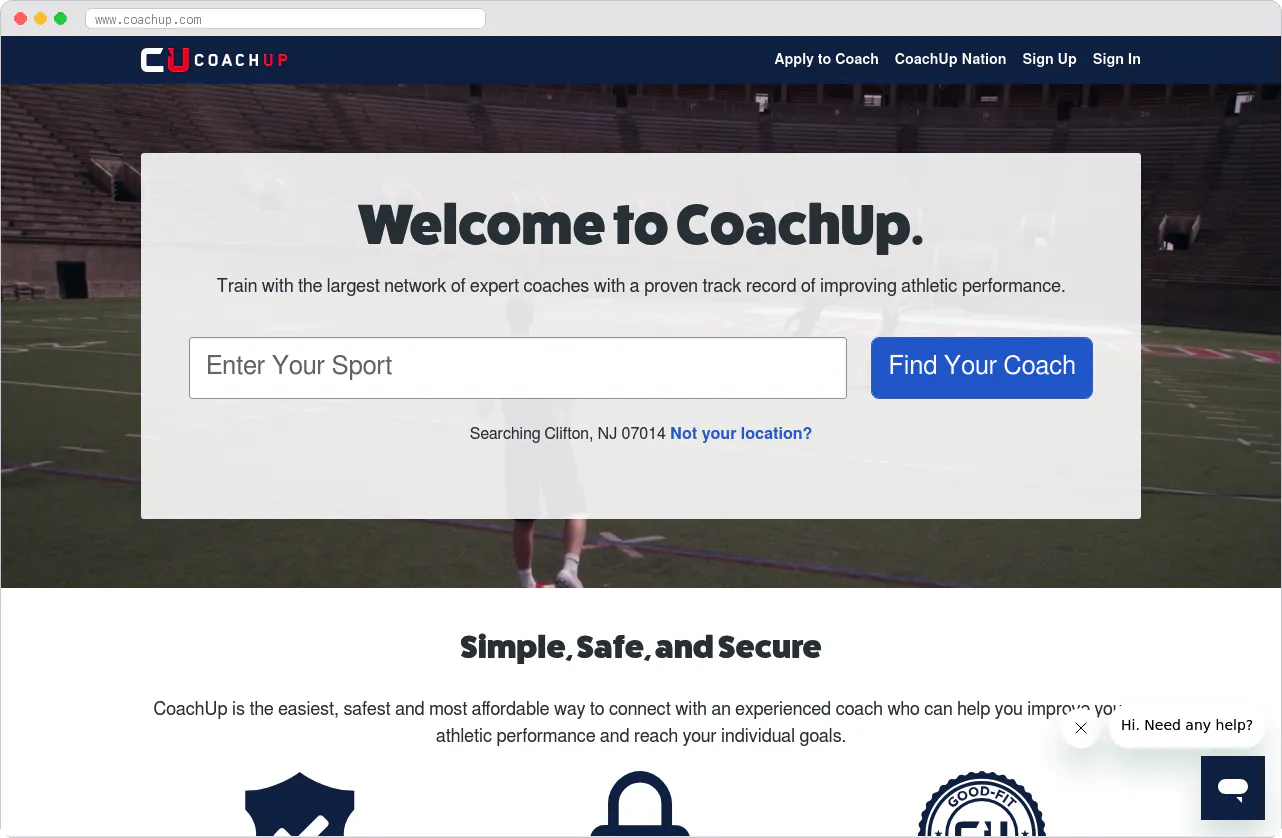
How does CoachUp work?
CoachUp operates as a two-sided marketplace connecting athletes seeking personalized training with certified sports coaches. The platform streamlines the entire coaching process from discovery to payment.
For athletes and parents, the experience begins with searching for coaches by sport, location, and specific needs. Each coach profile includes detailed information about their background, specializations, training philosophy, and rates. Athletes can view photos, read reviews from previous clients, and see which age groups and skill levels the coach works with best.
Once an athlete finds a suitable coach, they can message directly through the platform to discuss goals and logistics. Booking happens through CoachUp's scheduling system, which handles availability management and sends confirmations to both parties. Payment processing is handled automatically, with fees collected at the time of booking.
Coaches benefit from CoachUp's marketing reach and professional tools. The platform handles client acquisition, payment processing, and administrative tasks that typically consume significant time. Coaches set their own rates, typically ranging from $40-$150 per hour depending on experience and location. They can specify their availability, preferred training locations, and the types of athletes they work with best.
The platform emphasizes safety and quality assurance. All coaches must pass background checks and provide coaching credentials or relevant experience. CoachUp also offers liability insurance coverage for sessions booked through the platform, reducing risk for both parties.
CoachUp's business model and revenue streams
CoachUp generates revenue primarily through commission fees charged to coaches. The platform takes approximately 15-25% of each session fee, depending on the coach's volume and tenure on the platform. This aligns incentives. CoachUp succeeds when coaches successfully deliver training sessions.
The commission model works well for coaching marketplaces because sessions typically have high value ($50-$150 per hour) and require significant trust between parties. Athletes and parents value the platform's vetting process, insurance coverage, and dispute resolution services enough to accept higher coaching rates that include CoachUp's commission.
CoachUp also generates revenue through premium coach services, including featured profile placements and enhanced marketing tools. Some coaches pay additional fees for priority placement in search results or access to detailed analytics about their profile performance.
Unlike product marketplaces, CoachUp doesn't handle inventory or logistics. Instead, the platform's value lies in matching, trust-building, and transaction facilitation. This asset-light model allows for strong profit margins once the network effects take hold.
Essential features for a coaching marketplace like CoachUp
Building a coaching marketplace requires specific functionality that differs significantly from product-selling platforms like Amazon or general service marketplaces like TaskRabbit. The emphasis on personal relationships, safety, and specialized expertise shapes every feature requirement.
Coach profiles and credential verification
Detailed coach profiles form the foundation of trust in coaching marketplaces. Unlike service providers on general platforms, coaches need to demonstrate both technical expertise and ability to work effectively with their target demographic. Successful profiles typically include professional headshots, detailed experience descriptions, coaching philosophy statements, and specialization areas.
Credential verification becomes crucial given that coaches work directly with minors and in physical training environments. Background checks, coaching certifications, playing experience, and educational credentials all require verification systems. CoachUp handles this through a combination of automated checks and manual review processes.
Profile customization allows coaches to target specific market segments effectively. A former college basketball player might emphasize high school recruiting preparation, while a youth development specialist focuses on fundamental skills for younger athletes. The platform needs flexible profile structures to accommodate diverse coaching approaches and specializations.
Advanced search and matching algorithms
Location-based search is fundamental, but coaching marketplaces require more sophisticated filtering than typical service platforms. Athletes need to filter by age group specialization, skill level, specific training focus (like shooting technique or conditioning), and schedule flexibility. Parents of young athletes often prioritize coaches experienced with children, while adult recreational athletes might prefer former competitive players.
The matching process becomes particularly complex because coaching relationships are highly personal. Technical skills, communication style, training methodology, and personality fit all influence success. Effective platforms provide detailed filtering options while also suggesting coaches based on similar athlete profiles and successful past matches.
Seasonal and sport-specific considerations add complexity. Tennis coaching demand peaks in spring and summer, while basketball coaching runs year-round with intensity varying by competitive season. The platform must handle these demand fluctuations while helping coaches maintain consistent income streams.
Scheduling and availability management
Coaching sessions require flexible scheduling systems that accommodate both parties' complex calendars. Unlike appointment-based services with fixed time slots, coaching often involves recurring sessions, makeup sessions for weather cancellations, and seasonal schedule adjustments.
Coaches need tools to manage multiple clients across different time commitments. Some athletes book weekly recurring sessions, others prefer intensive training blocks before tryouts or competitions. The platform must handle various scheduling patterns while preventing double-bookings and managing availability updates.
Weather contingency planning becomes essential for outdoor sports. Tennis and baseball coaches need systems for rescheduling rain-cancelled sessions without administrative overhead. Automated rescheduling workflows and clear weather policies help maintain positive relationships when natural factors disrupt training plans.
Secure messaging and communication tools
Direct communication between coaches and athletes (or parents) is essential for successful coaching relationships. However, platforms must balance open communication with safety considerations, particularly when coaches work with minors. In-platform messaging systems allow supervision while enabling the personal connection coaching requires.
Video messaging and demonstration tools enhance communication effectiveness. Coaches can send technique demonstrations or follow-up instructions between sessions. Athletes can share game footage for analysis or ask questions about training plans. These multimedia communication features differentiate coaching platforms from basic service marketplaces.
Progress tracking and goal-setting tools integrate with communication systems. Coaches can document session notes, track improvement metrics, and share progress reports with athletes and parents. This systematic approach to athlete development adds professional value that justifies premium pricing.
Payment processing with coaching-specific features
Coaching marketplaces need payment systems that handle complex pricing structures and cancellation policies. Unlike fixed-price services, coaching rates often vary by session type (individual vs. group), session length, and location (indoor facility vs. outdoor court).
Package pricing and subscription models are common in coaching relationships. Athletes might purchase 10-session packages at discounted rates or commit to monthly training programs. The payment system must handle these various pricing structures while automatically calculating commission fees for the platform.
Refund and rescheduling policies require careful balance. Athletes need flexibility for emergencies or weather cancellations, while coaches need income predictability. Automated policies for common scenarios (24-hour cancellation windows, weather delays) reduce administrative burden while maintaining fairness.
Reviews and rating systems
Coaching relationships are deeply personal, making reviews particularly influential. Unlike product reviews that focus on item quality, coaching reviews must capture relationship dynamics, communication effectiveness, skill development results, and professionalism.
Two-way review systems build accountability. Coaches can review athletes and parents, noting factors like punctuality, coachability, and commitment level. This reciprocal feedback system encourages good behavior from both parties while helping coaches select athletes who align with their teaching style.
Long-term outcome tracking adds unique value to coaching reviews. Parents can update reviews months later with competitive results, scholarship achievements, or continued skill development. This longitudinal feedback provides more meaningful coach evaluation than immediate post-session ratings.
The competitive landscape: CoachUp alternatives and competitors
The coaching marketplace space has evolved significantly since CoachUp's founding, with competitors targeting different segments and approaching the market from various angles. Understanding this competitive landscape helps identify opportunities for differentiation and market positioning.
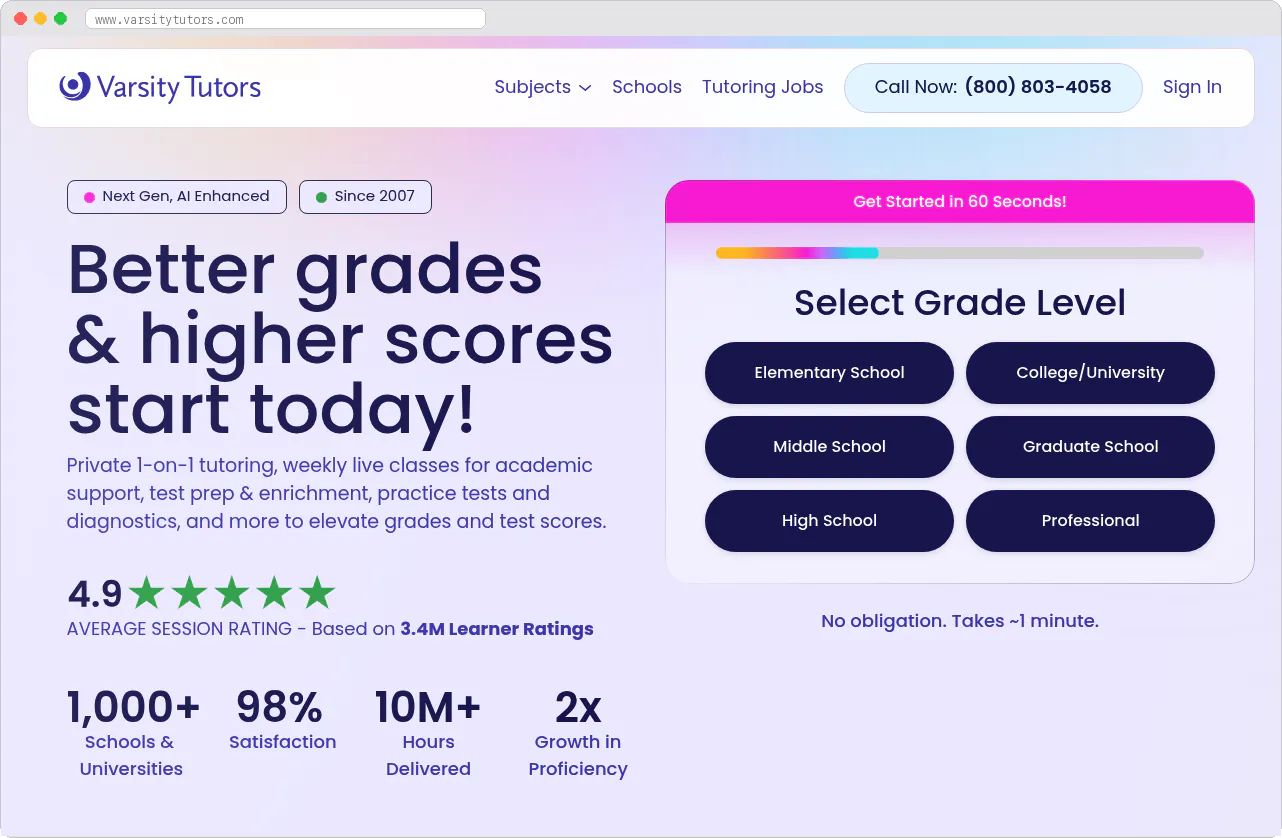
Varsity Tutors
Varsity Tutors operates a broader platform that includes academic tutoring, test prep, and sports coaching. While not exclusively focused on athletics like CoachUp, their sports coaching section competes directly in many markets. The platform's strength lies in its established infrastructure for instructor verification and scheduling systems developed for academic tutoring.
Varsity Tutors differentiates through its emphasis on measurable outcomes and structured learning plans. Their academic tutoring background influences their coaching approach, with more formal assessment tools and progress tracking than typical sports coaching platforms. This appeals to parents seeking systematic skill development rather than informal training sessions.
The platform's broader service offering creates both advantages and challenges. Cross-selling opportunities exist when families use both academic and athletic services. However, the generalist approach may lack the sports-specific features and community that dedicated coaching platforms provide.
TakeLessons
TakeLessons positions itself as a comprehensive learning marketplace covering music, languages, academic subjects, and sports coaching. Their sports section includes traditional team sports plus individual activities like golf, martial arts, and fitness training. The platform's strength lies in its flexible lesson formats, supporting both in-person and online instruction.
Unlike CoachUp's focus on competitive sports development, TakeLessons caters more to recreational learners and beginners. Their pricing tends to be lower, with many instructors charging $30-$60 per hour compared to CoachUp's $50-$150 range. This positions TakeLessons as an entry-level option for families exploring sports participation.
The platform's lesson format works well for skill-based sports like tennis or golf but may be less suitable for team sport preparation that requires game situation training. TakeLessons instructors often focus on fundamental technique rather than competitive development strategies.
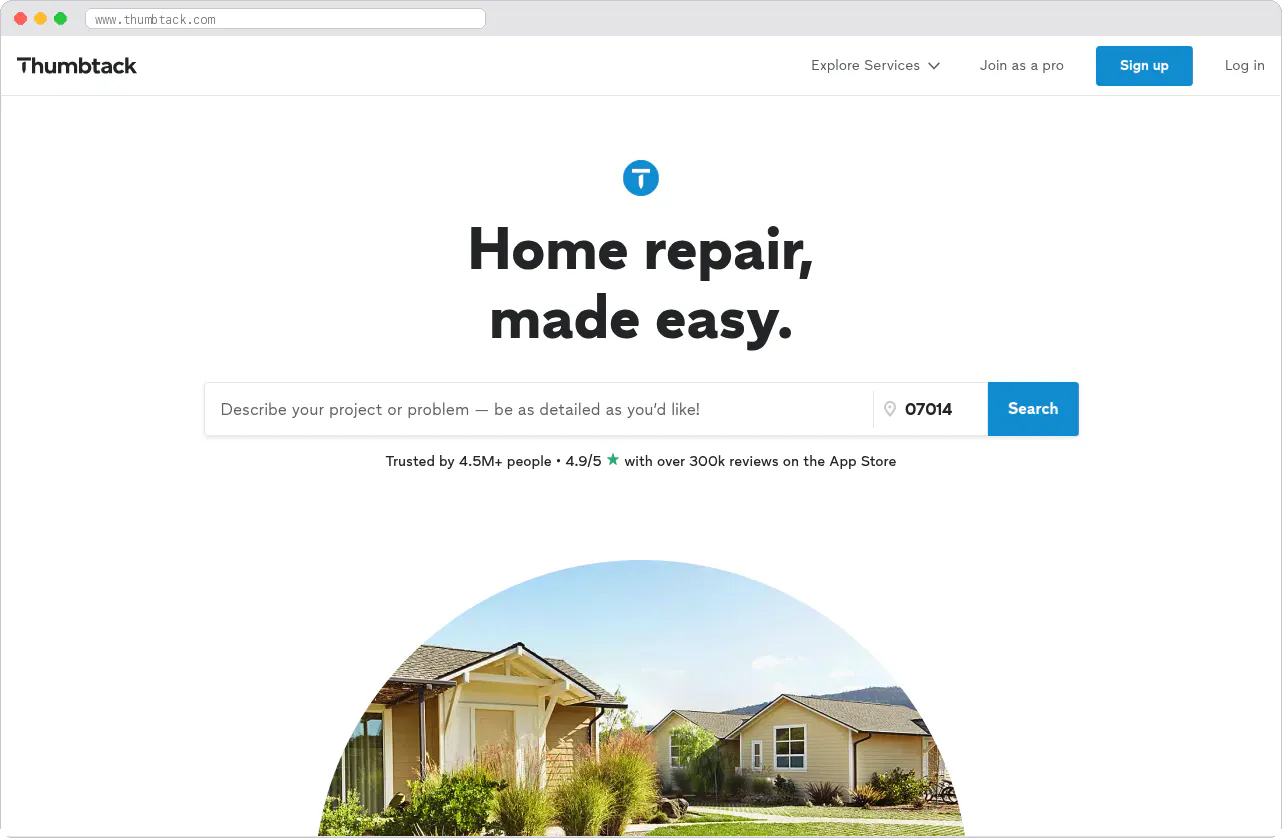
Thumbtack
Thumbtack's massive service marketplace includes sports coaching among hundreds of other professional services. While not specialized for athletics, the platform's scale provides significant coach and athlete volume in major metropolitan areas. Their quote-based system allows custom pricing for various training arrangements.
The platform's strength lies in its local market penetration and broad service category coverage. Families using Thumbtack for home services might discover coaching options they wouldn't have found on specialized platforms. The review system, though not sports-specific, provides extensive feedback on service provider reliability and professionalism.
Thumbтack's generalist approach creates limitations for serious athletes seeking specialized coaching. The platform lacks sports-specific features like seasonal scheduling, weather policies, or progress tracking tools. Coach verification focuses on general background checks rather than athletic credentials and experience.
ATLETO
ATLETO targets the premium end of the coaching market, emphasizing former professional and college athletes as instructors. Their platform serves athletes seeking high-level training from coaches with elite competitive backgrounds. Pricing reflects this positioning, with most sessions ranging from $100-$300 per hour.
The platform's verification process emphasizes playing credentials and coaching achievements rather than general teaching ability. This appeals to competitive athletes preparing for college recruitment or professional development but may intimidate recreational players seeking fundamental skill development.
ATLETO's geographic focus on major metropolitan areas limits accessibility compared to broader platforms. However, their premium positioning allows for higher commission rates and coach exclusivity arrangements that benefit both parties in affluent markets.
Sport-specific platforms
Several platforms focus on individual sports rather than competing across all athletics. TennisBot specializes in tennis coaching, while MyLift targets strength training and fitness coaching. These niche platforms offer deep specialization at the cost of limited market size.
Sport-specific platforms excel at understanding their target market's unique needs. Tennis platforms can integrate court booking systems and tournament preparation tools. Fitness platforms might include nutrition planning and workout tracking features. This specialization creates strong user loyalty but limits growth potential.
The competitive advantage of sport-specific platforms often lies in community building rather than transaction volume. Dedicated tennis coaching platforms can foster communities around local tournaments, ranking systems, and seasonal training programs that broader platforms cannot match.
Building your coaching marketplace: step-by-step approach
Creating a successful coaching marketplace requires systematic execution across multiple dimensions. The process balances speed to market with building essential trust and safety infrastructure that coaching relationships demand.
Step 1: Define your niche and target market
Successful coaching marketplaces typically start with clear specialization rather than attempting to serve all sports and skill levels immediately. CoachUp began with a focus on youth and high school athletes in major metropolitan areas before expanding to recreational adult coaching and smaller markets.
Geographic focus provides crucial advantages in the early stages. Starting with a single metropolitan area allows for concentrated marketing efforts, local partnership development, and hands-on quality control. A basketball coaching marketplace might begin in basketball-intensive markets like North Carolina or Indiana where coach supply and athlete demand are both abundant.
Demographic specialization offers another path to market focus. Some platforms target exclusively adult recreational athletes, others focus on youth development, and some serve high-performance athletes seeking elite coaching. Each segment has distinct needs, price sensitivities, and service expectations that shape platform design and marketing strategy.
Step 2: Research and validate your market assumptions
Before building any technology, validate that your target market has both supply and demand for marketplace-mediated coaching services. This research phase should examine current market dynamics, pricing structures, and pain points in existing coach-athlete connections.
Connect directly with potential coaches in your target area and sports. Understand how they currently find clients, what percentage of their income comes from private coaching, and what administrative challenges they face. Many coaches struggle with client acquisition, scheduling coordination, and payment processing, problems a marketplace can solve.
Interview athletes and parents about their coaching needs and current solutions. Understand their decision-making process for selecting coaches, budget constraints, and expectations for service quality. Many families rely on word-of-mouth recommendations but would value broader options and transparent pricing.
Analyze competitive offerings in your target market. Research which platforms coaches and athletes currently use, what features they value most, and where gaps exist. This competitive analysis should inform both platform features and marketing positioning.
Step 3: Design your minimum viable platform
Your first version should focus on core marketplace functionality that enables successful coach-athlete connections. Resist the temptation to build comprehensive features immediately, speed to market and user feedback are more valuable than feature completeness.
Essential features for launch include coach profile creation, athlete search and filtering, direct messaging, basic scheduling, and payment processing. Each feature should solve a specific problem in the current coaching market while maintaining simplicity for early users.
Trust and safety features cannot be compromised even in MVP versions. Background check integration, basic credential verification, and clear terms of service are necessary from day one. The coaching market's emphasis on safety, particularly with youth athletes, makes these features non-negotiable.
Platform design should reflect the personal nature of coaching relationships while maintaining professional standards. Clean, modern interfaces build trust, while detailed coach profiles enable effective matching. Mobile responsiveness is essential since many communications happen on-the-go.
Step 4: Build your initial coach network
Successful marketplace launches require adequate supply before promoting to demand. Focus on recruiting a diverse group of high-quality coaches who can serve your target athlete demographic effectively. Quality matters more than quantity in early stages.
Recruit coaches through direct outreach at local facilities, sporting events, and coaching associations. Personal connections and referrals often produce the highest-quality initial coaches. Emphasize the platform's value proposition: expanded client reach, simplified scheduling, and professional payment processing.
Offer attractive terms to early coaches, including reduced commission rates, premium profile features, or marketing support. These incentives help overcome hesitancy about joining an unproven platform while building loyalty among your founding coach community.
Vet initial coaches thoroughly even if it slows growth. Early coach quality establishes platform reputation and influences athlete adoption. One negative experience can damage word-of-mouth marketing that coaching marketplaces depend on for growth.
Step 5: Launch to your target athlete market
Once you have sufficient coach supply, begin marketing to athletes and parents in your target demographic. Start with organic marketing approaches that build credibility before investing in paid advertising channels.
Content marketing works particularly well for coaching marketplaces. Create resources about skill development, training planning, and coach selection that provide value while demonstrating platform expertise. Partner with local sports organizations, schools, and youth leagues to reach target audiences.
Word-of-mouth remains the strongest marketing channel for coaching services. Encourage satisfied athletes and parents to share their experiences and refer friends. Consider referral incentive programs that reward both coaches and athletes for successful platform advocacy.
Measure quality metrics alongside growth metrics during launch. Track successful session completion rates, repeat booking percentages, and user satisfaction scores. Rapid growth means little if coaches and athletes don't form successful long-term relationships.
Step 6: Iterate based on user feedback
The coaching market's complexity means your initial assumptions will require refinement based on real user behavior. Systematically collect feedback from both coaches and athletes about platform functionality, pricing, and service quality.
Common iteration areas include search and matching algorithms, scheduling flexibility, pricing structures, and communication tools. Athletes might request more detailed coach specialization filters, while coaches might need better tools for managing recurring sessions or group training offerings.
Seasonal demand patterns often surprise new marketplace operators. Spring tennis coaching demand, fall sports preparation, and holiday schedule disruptions all require platform adaptations that become apparent only through operational experience.
Balance feature requests with platform simplicity. Coaching marketplaces can become cluttered with sport-specific features that confuse users from other sports. Focus on broadly applicable improvements while considering sport-specific extensions for later development phases.
Step 7: Scale geographically and expand offerings
Once you achieve consistent marketplace liquidity in your initial market, expansion becomes possible. Geographic expansion typically succeeds better than demographic expansion because the core platform functionality remains constant.
Choose expansion markets based on demographic similarity and market size rather than geographic proximity. A successful youth basketball platform in Atlanta might expand to similar markets like Charlotte or Birmingham before attempting expansion to different sports or age groups.
New sport additions require careful consideration of specialized feature requirements. Adding tennis coaching to a basketball platform might necessitate court booking integration, while fitness coaching might require equipment tracking tools. Evaluate whether platform complexity increases justify potential market expansion.
Consider partnerships with complementary service providers as expansion alternatives. Equipment retailers, training facilities, and sports camps can provide distribution channels while sharing customer acquisition costs. These partnerships often prove more effective than direct platform feature expansion.
Cost and development considerations
Building a coaching marketplace involves various cost components that scale differently depending on your chosen development approach. Understanding these cost structures helps in making informed decisions about platform architecture and launch strategy.
Custom development costs
Custom development of a coaching marketplace typically requires $30,000-$80,000 for a comprehensive platform with essential features. This includes coach profiles, search functionality, messaging systems, scheduling tools, payment processing, and administrative dashboards. Development timelines usually span 6-12 months depending on feature complexity and team size.
Ongoing maintenance costs for custom platforms often surprise new marketplace operators. Security updates, payment compliance maintenance, mobile platform updates, and feature bug fixes typically require 20-30% of initial development costs annually. A dedicated development team or ongoing agency relationship becomes necessary for platform reliability.
Custom development provides maximum flexibility for sport-specific features and unique marketplace positioning. However, the high upfront costs and extended development timelines mean you'll spend months building basic marketplace functionality before learning how your target market actually uses the platform.
No-code marketplace builders
No-code platforms like Sharetribe enable coaching marketplace launches within weeks rather than months. These platforms provide essential marketplace functionality out-of-the-box, including user management, search and filtering, messaging, payment processing, and basic customization options.
Subscription costs for no-code platforms typically range from $100-$99-399/month depending on transaction volume and feature requirements. This predictable cost structure allows for easier financial planning compared to custom development's large upfront investment and uncertain maintenance costs.
Sharetribe specifically includes features that work well for coaching marketplaces: flexible scheduling systems, service-based transaction handling, commission management, and customizable user profiles. The platform's flexibility allows for sport-specific adaptations without requiring full custom development.
Limitations of no-code platforms include reduced flexibility for highly specialized features and dependency on the platform provider's development roadmap. However, most coaching marketplaces find that no-code platforms provide sufficient functionality for launching and achieving initial growth milestones.
Third-party service integration costs
Coaching marketplaces require various third-party services regardless of development approach. Background check services typically cost $10-$50 per coach verification. Payment processing fees range from 2.9%-3.5% plus transaction fees depending on volume and provider.
Insurance coverage for coaching sessions, while not mandatory, provides significant competitive advantage. Platform liability insurance typically costs $2,000-$5,000 annually but can reduce coach concerns about joining new marketplaces.
Communication tools, scheduling integrations, and analytics platforms add monthly subscription costs that scale with platform growth. Budget $200-$1,000 monthly for these supporting services depending on platform size and feature complexity.
Marketing and customer acquisition costs
Coaching marketplaces typically require lower paid advertising spending than e-commerce platforms because word-of-mouth and content marketing drive significant organic growth. However, initial coach recruitment often requires direct outreach investment and potentially reduced commission rates for early adopters.
Content marketing costs primarily involve time investment in creating valuable resources for athletes and parents. Video production, blog content, and social media management can be handled internally or outsourced for $1,000-$5,000 monthly depending on content volume and quality requirements.
Event marketing and local partnership development provide effective customer acquisition channels for coaching marketplaces. Budget for local sports event sponsorships, coaching clinic partnerships, and community engagement activities that build platform awareness in target markets.
How Sharetribe accelerates coaching marketplace development
Sharetribe's marketplace platform includes features specifically designed for service-based marketplaces like coaching platforms. The no-code interface enables rapid platform deployment while supporting the customization coaching marketplaces require for competitive differentiation.
The platform's built-in scheduling system handles the complex availability management coaching sessions require. Coaches can set recurring availability, block time for existing commitments, and manage session rescheduling without administrative overhead. Athletes can view real-time availability and book sessions that fit their schedules.
Flexible pricing structures accommodate the diverse rate arrangements common in coaching markets. Coaches can set different rates for individual vs. group sessions, different session lengths, or premium services like video analysis. Package pricing and recurring session discounts integrate smoothly with the platform's commission calculation system.
Payment processing through Stripe Connect handles the marketplace's commission structure automatically while providing coaches with transparent earnings tracking. Delayed payout options protect against session cancellations while ensuring coaches receive payment promptly after successful session completion.
Sharetribe's mobile-responsive design works particularly well for coaching marketplaces where much communication happens on-the-go. Coaches can update availability, communicate with athletes, and manage bookings from mobile devices during travel to training locations.
The platform's extensibility allows for sport-specific features as marketplace growth justifies additional development investment. Custom integrations with facility booking systems, equipment tracking, or performance analytics can be added without rebuilding the core marketplace functionality.
Next steps for launching your coaching marketplace
Success in the coaching marketplace space requires systematic execution across technology, marketing, and community building dimensions. Focus on validated market needs rather than comprehensive feature sets, and prioritize user experience over technical sophistication in early platform versions.
Start with Sharetribe's 14-day free trial to build your initial platform and test core marketplace functionality. Use this time to create sample coach profiles, test the booking and payment workflows, and customize the platform's appearance to reflect your brand and target market.
Concurrently, begin coach recruitment in your target market through direct outreach and local networking. Quality coaches often prefer personal introductions over cold platform invitations, so use existing connections in your chosen sports and geographic area.
Plan your launch marketing strategy around content that provides genuine value to your target audience. Training tips, coach selection guides, and seasonal preparation resources build authority while driving organic traffic to your platform.
Remember that coaching marketplaces succeed through relationship quality rather than transaction volume. Focus on facilitating successful long-term coaching relationships that generate positive word-of-mouth marketing and repeat business for your platform coaches.
Frequently asked questions
How much does it cost to build a website like CoachUp?
Costs vary by approach. A no-code marketplace platform costs $99-399 per month, bringing total first-year costs to roughly $2,000-5,000.
What are the essential features for a coaching marketplace?
Key features include detailed coach profiles with credential verification, location-based search, flexible scheduling systems, secure messaging, payment processing with commission handling, and two-way review systems.
How does CoachUp make money?
CoachUp operates on a commission model, taking approximately 15-25% of each coaching session fee. They also generate revenue through premium coach services and featured profile placements.
Who are CoachUp's main competitors?
Main competitors include Varsity Tutors (broader tutoring platform), TakeLessons (multi-category learning), Thumbtack (general services), and sport-specific platforms like TennisBot or ATLETO for premium coaching.
How long does it take to launch a coaching marketplace?
With no-code platforms like Sharetribe, you can launch in 1-2 weeks. Custom development typically takes 6-12 months. The key is starting with core features and iterating based on user feedback.
Start your 14-day free trial
Create a marketplace today!
- Launch quickly, without coding
- Extend infinitely
- Scale to any size
No credit card required