How to build a website like Daraz
Daraz dominates South Asian e-commerce with localized payment methods, mobile-first design, and seller support programs. Learn how to build a similar multi-vendor marketplace that serves emerging markets effectively.
Published: May 21, 2025
Last updated: Mar 19, 2026
What is Daraz and why build a website like it?
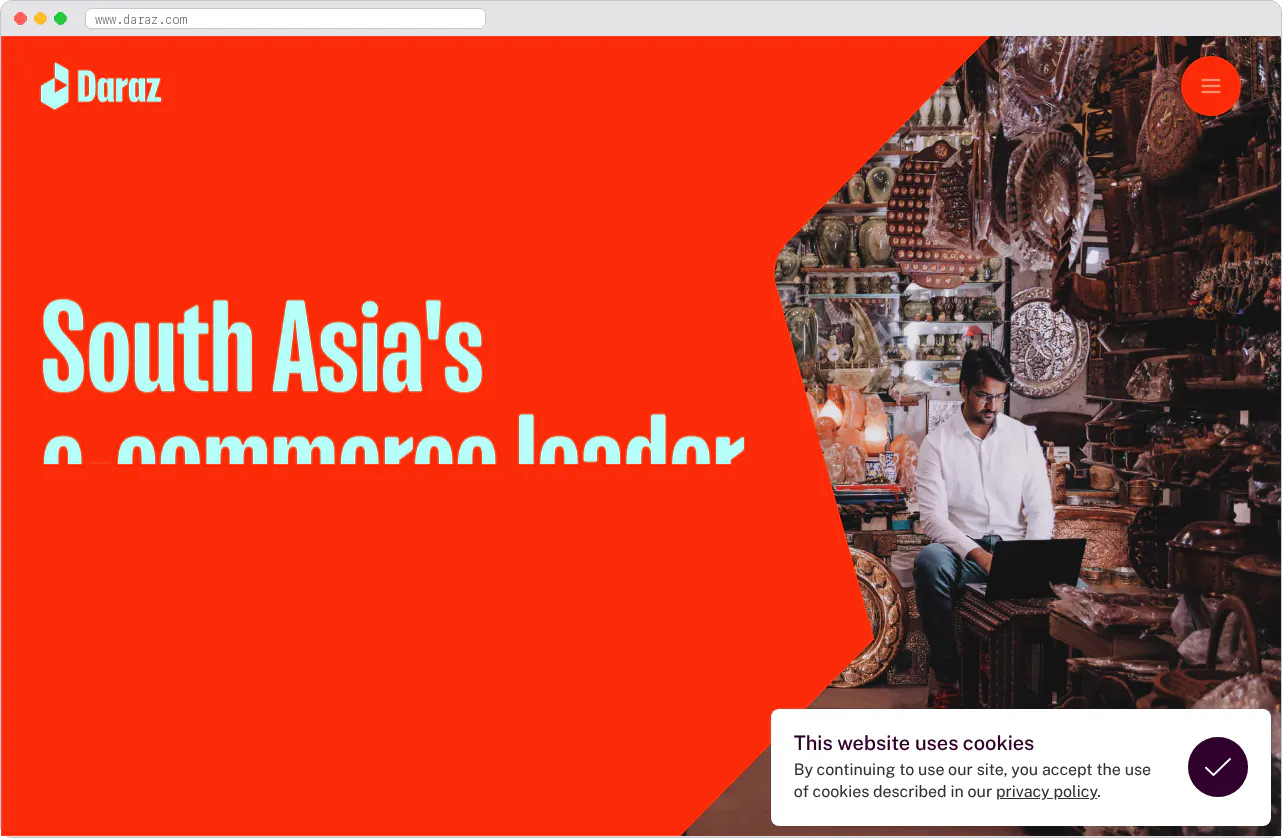
Daraz stands as South Asia's most successful e-commerce marketplace, serving over 50 million customers across Pakistan, Bangladesh, Sri Lanka, Nepal, and Myanmar. Founded in 2012 by Rocket Internet, the platform transformed from a regional startup into a billion-dollar business when Alibaba Group acquired it for $200 million in 2018.
The acquisition wasn't just about scale, it represented Alibaba's recognition that Daraz had cracked the code for emerging market e-commerce. Unlike Western marketplaces that rely heavily on credit cards and established logistics networks, Daraz built its success around cash-on-delivery payments, hyperlocal delivery solutions, and extensive seller education programs. Today, the platform processes over 30 million orders annually and hosts more than 100,000 active sellers.
What makes Daraz particularly interesting for marketplace founders is how it adapted global e-commerce principles to local realities. In Pakistan, for example, less than 5% of the population has access to credit cards, yet Daraz became the country's largest online retailer by embracing cash payments and building trust through physical touchpoints. The platform's "Daraz Stores" concept, physical locations where customers can see products and make payments, bridged the digital divide in markets where online shopping faced cultural resistance.
Daraz's mobile-first strategy proved equally crucial. With over 80% of internet users in South Asia accessing the web primarily through smartphones, Daraz designed its entire experience around mobile commerce. The platform's app includes gamification elements like "Daraz Candy" rewards and livestream shopping events that blend entertainment with commerce, features that Western platforms often overlook but prove essential for engaging younger demographics in emerging markets.
The platform's approach to seller empowerment also sets it apart. Through "Daraz University," the company provides free training programs covering everything from product photography to inventory management. This educational approach transformed thousands of small businesses into successful online retailers, creating a virtuous cycle where seller success drives platform growth.
How does Daraz work?
Daraz operates as a comprehensive multi-vendor marketplace that connects buyers and sellers across South Asia. The platform functions on multiple levels, serving different user groups with tailored experiences designed for emerging market conditions.
For buyers: Localized shopping experience
Customers access Daraz through its mobile app or website, both optimized for emerging market internet conditions. The platform supports multiple regional languages including Urdu, Bengali, Sinhala, and Burmese, ensuring accessibility across diverse linguistic communities. Product discovery happens through AI-powered search and recommendation engines that account for local preferences and seasonal buying patterns.
Daraz's payment ecosystem addresses the unique challenges of emerging markets where traditional payment methods remain limited. The platform supports cash-on-delivery for over 70% of transactions, mobile wallet integrations with services like JazzCash and bKash, and installment payment plans that make higher-value purchases accessible to customers with limited disposable income.
The customer protection framework builds trust through money-back guarantees, free returns within specified periods, and a robust dispute resolution system. Given that many customers are first-time online shoppers, Daraz invests heavily in customer education through video tutorials, buying guides, and multilingual customer support available via phone, chat, and WhatsApp.
For sellers: Comprehensive business platform
Sellers join Daraz through a streamlined onboarding process that accommodates businesses of all sizes, from individual entrepreneurs to established brands. The platform's Seller Center provides comprehensive business management tools including inventory tracking, order processing, customer communication, and detailed analytics showing sales performance, customer demographics, and market trends.
Daraz's logistics network, branded as "Daraz Express," handles fulfillment challenges that would otherwise prevent small businesses from scaling. The service includes last-mile delivery to remote areas, cash collection services for COD orders, and reverse logistics for returns. This infrastructure is particularly valuable in regions where traditional logistics providers struggle with coverage and reliability.
The platform's marketing ecosystem helps sellers reach customers through sponsored listings, participation in mega sales events like "11.11" and "12.12," and promotional tools like flash sales and discount campaigns. Daraz University provides ongoing seller education through webinars, workshops, and one-on-one consulting sessions covering topics from digital marketing to financial management.
Business model and monetization
Daraz generates revenue through multiple complementary streams. Commission fees range from 2-8% depending on product category, with electronics and fashion typically commanding higher rates due to greater demand and competition. The platform also charges listing fees for premium placement and promotional opportunities.
Advertising revenue comes from sponsored product listings, banner advertisements, and brand partnerships. Sellers can purchase enhanced visibility through Daraz's advertising platform, which uses machine learning to optimize ad placement and targeting. The platform's data insights help brands understand market demand and consumer behavior, creating additional revenue opportunities through consulting and market research services.
Logistics services provide another revenue stream. Daraz Express charges fulfillment fees for storage, packing, and delivery services while offering sellers the choice between platform fulfillment and self-managed shipping. Payment processing fees, while minimal per transaction, generate significant revenue given the platform's transaction volume.
Essential features for building a marketplace like Daraz
Creating a successful multi-vendor marketplace for emerging markets requires specific functionality that addresses local market conditions and user expectations. These features differ significantly from those needed for Western e-commerce platforms.
Multi-language and currency support
Emerging markets typically involve multiple languages, currencies, and cultural contexts within a single region. Your marketplace needs robust internationalization features that go beyond simple translation. This includes right-to-left text support for languages like Urdu, culturally appropriate color schemes and imagery, and localized content that reflects regional shopping habits and preferences.
Currency support must account for exchange rate fluctuations and local payment preferences. Many customers in emerging markets think in terms of installment payments rather than lump sums, so your pricing display should accommodate multiple payment scenarios.
Flexible payment processing
Payment flexibility is crucial for emerging market success. Your platform needs to support cash-on-delivery processing, mobile wallet integrations, bank transfer options, and installment payment plans. The payment system must handle delayed payment reconciliation for COD orders and provide sellers with transparent reporting on payment status and expected settlement dates.
Integration with local payment providers is essential. In South Asia, this means supporting services like JazzCash, Easypaisa, bKash, and Rocket, each with their own APIs and processing requirements. The platform should also accommodate Islamic banking principles where relevant, ensuring compliance with Sharia-compliant financial practices.
Advanced inventory and order management
Multi-vendor marketplaces require sophisticated inventory tracking that prevents overselling while accommodating different seller fulfillment methods. Some sellers may use platform fulfillment services while others manage their own logistics, requiring flexible inventory synchronization and order routing capabilities.
Order management must handle split orders where customers purchase items from multiple sellers in a single transaction. The system needs to coordinate fulfillment timing, shipping costs, and customer communication across multiple vendors while maintaining a smooth customer experience.
Mobile-optimized user experience
With mobile commerce dominating emerging markets, your platform must deliver exceptional mobile performance even on slower network connections and lower-end devices. This means optimized image loading, efficient caching, offline browsing capabilities, and streamlined checkout processes designed for mobile completion.
Push notifications become crucial for customer engagement, but they must be carefully managed to avoid overwhelming users. Effective mobile marketplace design includes features like wishlist synchronization, one-tap reordering, and social sharing integration that encourages organic growth through social networks.
Trust and safety infrastructure
Emerging market customers often have limited experience with online transactions, making trust-building features essential. This includes verified seller badges, detailed product authenticity guarantees, buyer protection programs, and transparent dispute resolution processes.
Review and rating systems must account for cultural differences in feedback patterns. Some cultures are more reluctant to leave negative reviews, while others may have different expectations for seller communication and service quality. Your platform should encourage honest feedback while providing sellers with tools to address concerns constructively.
Seller support and education tools
Many sellers in emerging markets are new to e-commerce and need extensive support to succeed. Your platform should include seller onboarding tutorials, best practices guides, performance analytics with actionable insights, and communication tools that help sellers interact effectively with customers.
Business management features like basic accounting integration, tax calculation assistance, and inventory forecasting help sellers professionalize their operations and scale their businesses successfully on your platform.
Building your Daraz-style marketplace: A step-by-step approach
Creating a successful multi-vendor marketplace for emerging markets requires careful planning and execution across multiple phases. The key is starting focused and expanding systematically based on user feedback and market response.
Phase 1: Market research and validation
Begin by identifying a specific geographic market or product category where existing solutions fall short. Daraz succeeded partly because it focused on South Asian markets that Amazon and other global players served poorly. Your opportunity might lie in a different region, a specific product category, or an underserved customer segment.
Conduct extensive primary research with potential buyers and sellers in your target market. Understanding payment preferences, delivery expectations, communication habits, and trust concerns will inform every aspect of your platform design. Many marketplace founders skip this step and build features that seem logical but don't match actual user needs.
Validate your business model assumptions through small-scale testing. Before building a full marketplace, try facilitating transactions manually between buyers and sellers to understand the friction points and value propositions. This approach helps you identify which features are truly essential versus merely convenient.
Phase 2: MVP development and launch
Your minimum viable platform should focus on core functionality that enables successful transactions between buyers and sellers. This typically includes user registration and profiles, product listing creation and management, basic search and filtering capabilities, secure payment processing with local payment methods, order tracking and communication tools, and basic review and rating systems.
Choose your technology approach based on your team's capabilities and timeline constraints. No-code marketplace builders like Sharetribe allow you to launch quickly without extensive development resources, letting you test market demand before investing heavily in custom development. This approach proved successful for many marketplace founders who used initial revenue to fund more sophisticated features later.
Launch with a small group of carefully selected sellers who can provide high-quality initial inventory and customer service. Hand-pick these early partners and work closely with them to ensure positive customer experiences that build your marketplace's reputation from day one.
Phase 3: Growth and optimization
Once you've established basic marketplace liquidity, meaning buyers can reliably find products they want and sellers can make regular sales, focus on systematic growth. This involves expanding your seller base strategically, improving customer acquisition and retention, optimizing conversion rates and user experience, and adding features that reduce friction and increase engagement.
Data becomes crucial at this stage. Implement comprehensive analytics to understand user behavior, identify bottlenecks in your sales funnel, track seller performance and satisfaction, and measure customer lifetime value and acquisition costs. Use these insights to prioritize feature development and marketing investments.
Expand geographically or into new product categories only after achieving strong performance in your initial market. Daraz's success came from dominating individual markets before expanding regionally, allowing them to build operational expertise and brand recognition systematically.
Phase 4: Advanced features and differentiation
As your marketplace matures, invest in features that create competitive advantages and increase customer loyalty. This might include personalized shopping experiences powered by machine learning, advanced seller tools like automated pricing and inventory optimization, financial services like seller lending or buyer financing, logistics services that improve delivery speed and reliability, and community features that build engagement beyond transactions.
Consider developing mobile apps once your web platform proves successful. Mobile apps allow for richer engagement through push notifications, offline browsing, and location-based features, but they require significant ongoing investment in development and maintenance.
Technology options for building your marketplace
The technology approach you choose will significantly impact your development timeline, costs, and ability to iterate quickly based on user feedback. Each option offers different trade-offs between speed, cost, customization, and scalability.
No-code marketplace builders
Platforms like Sharetribe provide pre-built marketplace functionality that you can customize and launch without coding. This approach offers the fastest path to market, typically allowing you to launch within weeks rather than months. The built-in features cover essential marketplace needs including user management, product catalogs, payment processing, and basic customization options.
No-code builders work particularly well for validating marketplace concepts because they minimize upfront investment while providing professional-quality user experiences. You can test your market fit, business model, and feature priorities before committing to more expensive custom development.
The limitation is reduced flexibility compared to custom development. While platforms like Sharetribe allow extensive customization and even custom code integration, you're still working within the platform's architectural framework. For most marketplace concepts, this constraint is acceptable and often beneficial, as it prevents over-engineering features that users don't actually want.
Custom development from scratch
Building your marketplace with custom code provides maximum flexibility and control over every aspect of functionality and user experience. This approach makes sense for marketplaces with unique requirements that existing platforms can't accommodate, or for founders with significant development resources and specific technical visions.
Custom development typically requires 6-18 months for initial launch, depending on feature complexity and team size. Costs usually start around $100,000 for basic functionality and can reach several hundred thousand dollars for comprehensive platforms with advanced features.
The hidden costs of custom development include ongoing maintenance, security updates, server management, and feature additions. These operational expenses often exceed initial development costs over time, making custom development most suitable for well-funded startups or marketplaces with specific technical requirements that justify the investment.
Hybrid approaches
Many successful marketplaces combine different technology approaches to optimize for speed and flexibility. You might start with a no-code platform to validate your concept and build initial traction, then gradually add custom features and integrations as your needs become clearer.
Sharetribe's Developer Platform exemplifies this hybrid approach, allowing you to launch quickly with no-code essentials while adding custom functionality through APIs and custom development. This strategy lets you learn about your market needs before investing heavily in custom features that might prove unnecessary.
Costs and timeline for building a Daraz-style marketplace
The investment required to build and launch a multi-vendor marketplace varies dramatically based on your approach, feature requirements, and market scope. Understanding these costs helps you plan realistically and choose the right development strategy.
No-code marketplace development
Using a platform like Sharetribe, you can launch a functional marketplace for under $5,000 in the first year. This includes the platform subscription (starting around $99/month), domain registration, basic design customization, and initial marketing costs. Additional expenses might include professional photography for initial product listings, content creation, and customer acquisition campaigns.
The timeline for no-code development typically spans 2-4 weeks for basic setup and customization, followed by ongoing iteration based on user feedback. This approach allows you to start generating revenue quickly while learning about your market needs.
Transactional costs include payment processing fees (typically 2.9% + $0.30 per transaction) and any commission fees charged by your marketplace platform. These variable costs scale with your success, making the model financially sustainable for new marketplaces.
Custom development costs
Building a Daraz-style marketplace from scratch typically requires $100,000-$500,000 for initial development, depending on feature complexity and team location. This estimate includes frontend and backend development, database design, payment system integration, mobile app development, basic admin tools, and security implementation.
Ongoing costs include server hosting ($500-$5,000+ monthly depending on traffic), maintenance and updates (typically 15-20% of initial development cost annually), security monitoring and compliance, customer support tools, and feature additions based on user feedback.
The development timeline usually spans 8-18 months from initial planning to launch, with additional time required for testing, bug fixes, and performance optimization. Many custom development projects experience delays due to changing requirements and technical challenges discovered during development.
Operational costs and scaling considerations
Regardless of your technology approach, successful marketplaces incur significant operational costs that many founders underestimate. Customer acquisition costs in competitive e-commerce markets often range from $20-$100 per customer, depending on your product categories and marketing channels.
Seller acquisition and support require dedicated resources, especially in emerging markets where many sellers need extensive onboarding and education. Budget for community management, seller success programs, and customer support that can handle multiple languages and cultural contexts.
Logistics and fulfillment costs become significant as you scale. While you might start by requiring sellers to handle their own shipping, successful marketplaces often invest in fulfillment infrastructure to improve delivery speed and reliability. These services require substantial capital investment but can become profit centers while improving customer satisfaction.
Daraz competitors and alternatives
Understanding Daraz's competitive landscape helps identify opportunities for new marketplaces while illustrating different approaches to emerging market e-commerce.
Regional powerhouses
Flipkart dominates Indian e-commerce with a model similar to Daraz but focused on a single, massive market. Walmart's acquisition of Flipkart for $16 billion demonstrates the platform's success in adapting global e-commerce principles to Indian market conditions. Flipkart's strength lies in its logistics network, exclusive brand partnerships, and deep integration with Indian payment systems like UPI.
What Flipkart does differently is its focus on private label products and exclusive partnerships with global brands for Indian market entry. The platform also invested heavily in grocery delivery and digital payments through PhonePe, creating a broader ecosystem than pure marketplace functionality.
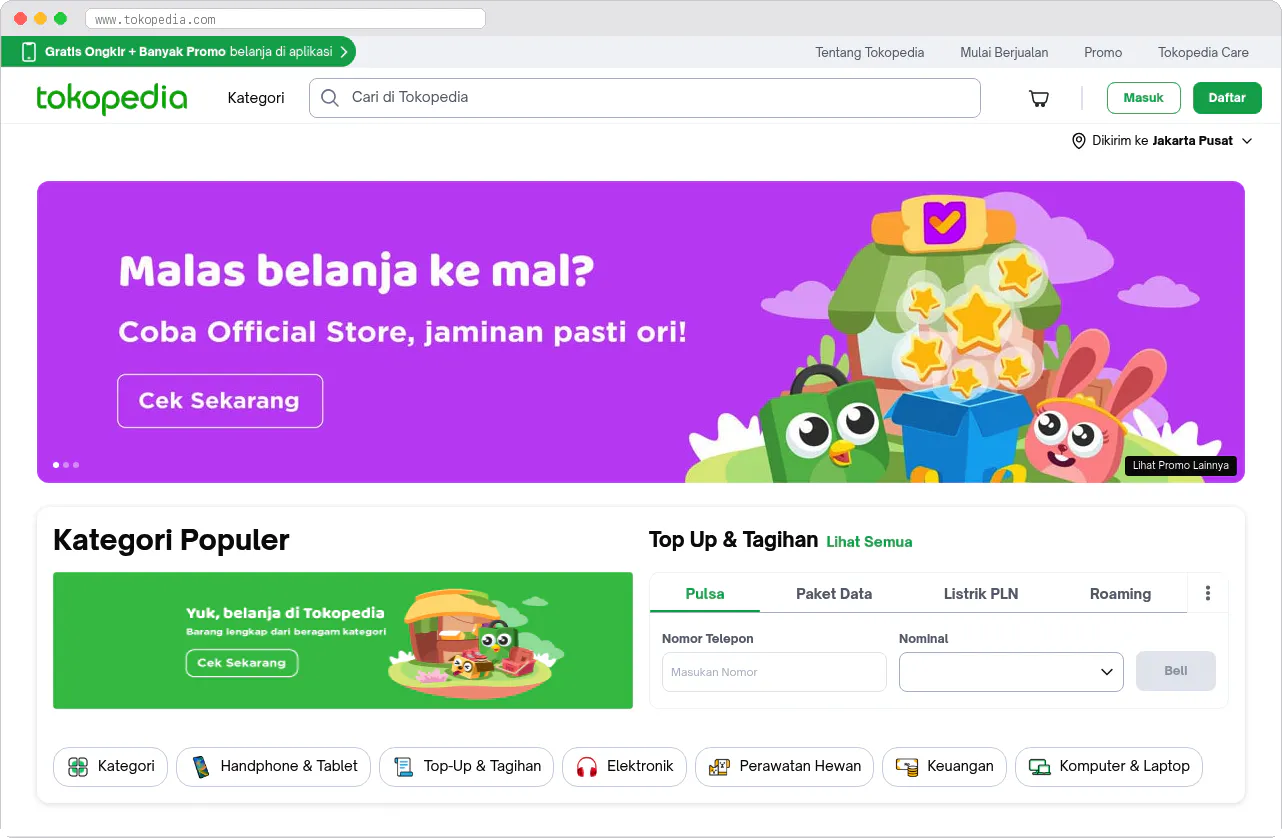
Tokopedia in Indonesia offers another successful emerging market model, focusing on empowering small businesses through simplified selling tools and extensive seller education programs. The platform's success led to its merger with Gojek, creating a super-app ecosystem that combines e-commerce, ride-sharing, food delivery, and financial services.
Tokopedia's approach emphasizes social commerce features, allowing sellers to promote products through social media integration and livestream shopping events. This strategy proves particularly effective in markets where social networks drive purchase decisions more than traditional search advertising.
Global giants with regional adaptations
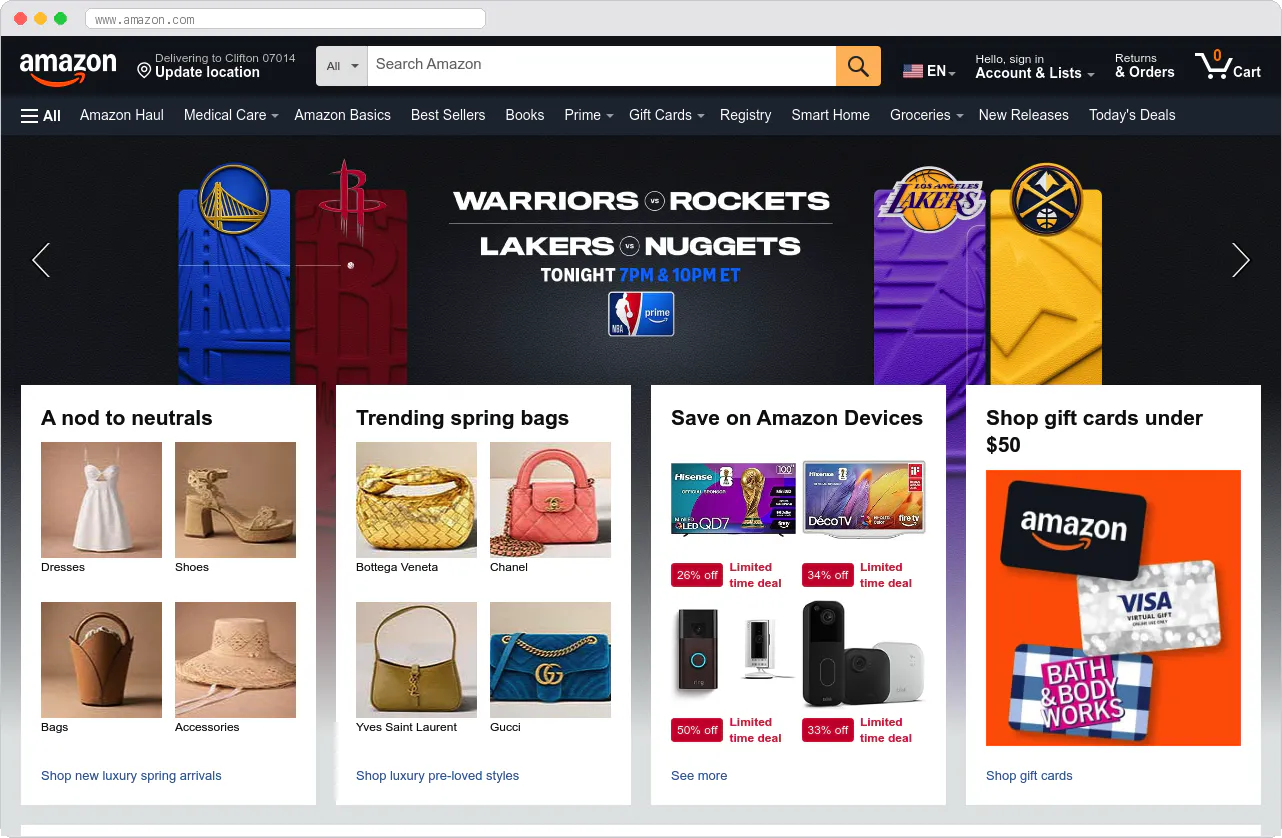
Amazon operates in some South Asian markets but with limited success compared to local competitors like Daraz. Amazon's global standardization approach doesn't accommodate local payment preferences, cultural shopping habits, or the extensive seller support needed in emerging markets.
However, Amazon's logistics capabilities and technology infrastructure remain superior, particularly for cross-border commerce and complex supply chain management. New marketplace founders can learn from Amazon's operational excellence while adapting their customer-facing approach to local market needs.
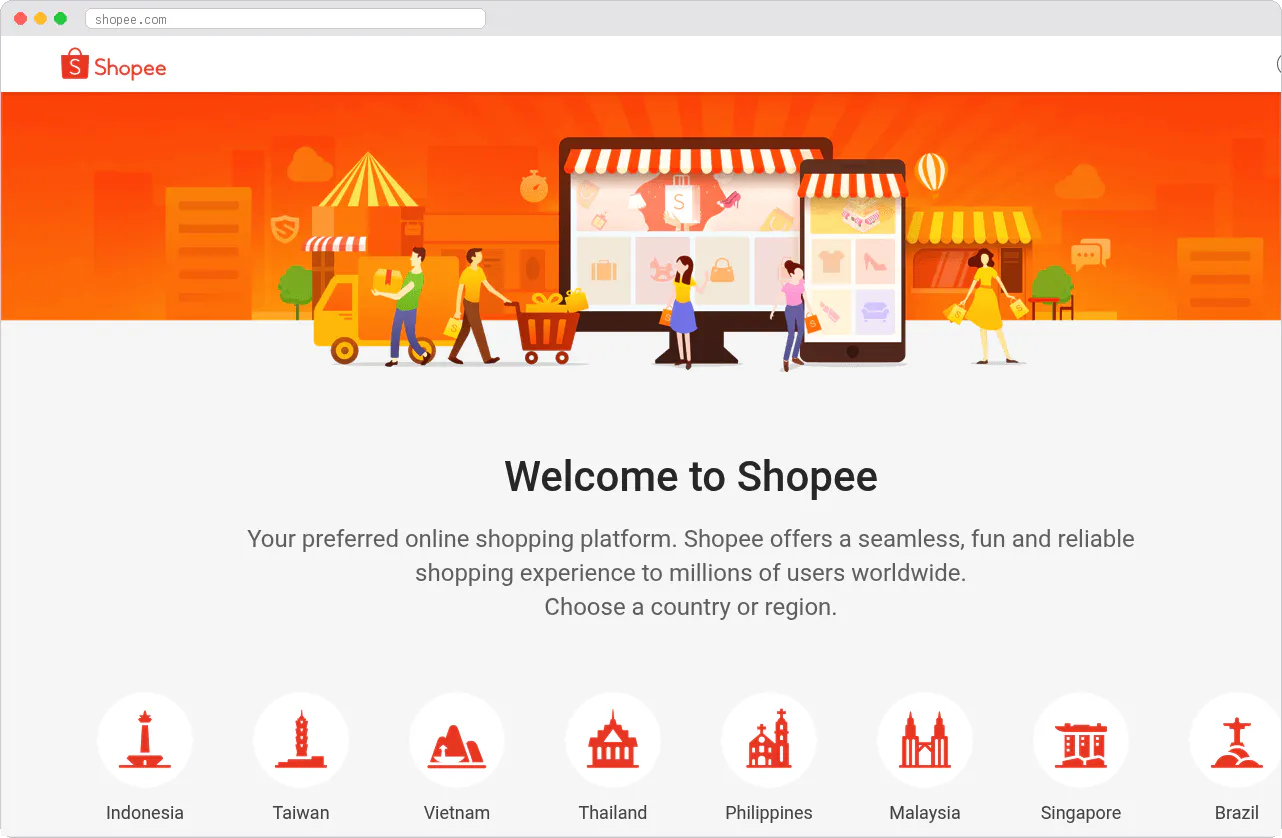
Shopee has found success in Southeast Asia through aggressive local adaptation and social commerce features. The platform combines marketplace functionality with gamification, social features, and livestream shopping that resonates particularly well with younger demographics.
Shopee's approach to seller acquisition includes extensive offline outreach programs, physical seller training centers, and partnerships with local business associations. This ground-level approach helps build seller communities that sustain long-term platform growth.
Niche and specialized alternatives
Several successful marketplaces focus on specific product categories or customer segments within emerging markets. Careem (acquired by Uber) started as a ride-sharing platform but expanded into food delivery and e-commerce, demonstrating how transportation networks can evolve into broader marketplace platforms.
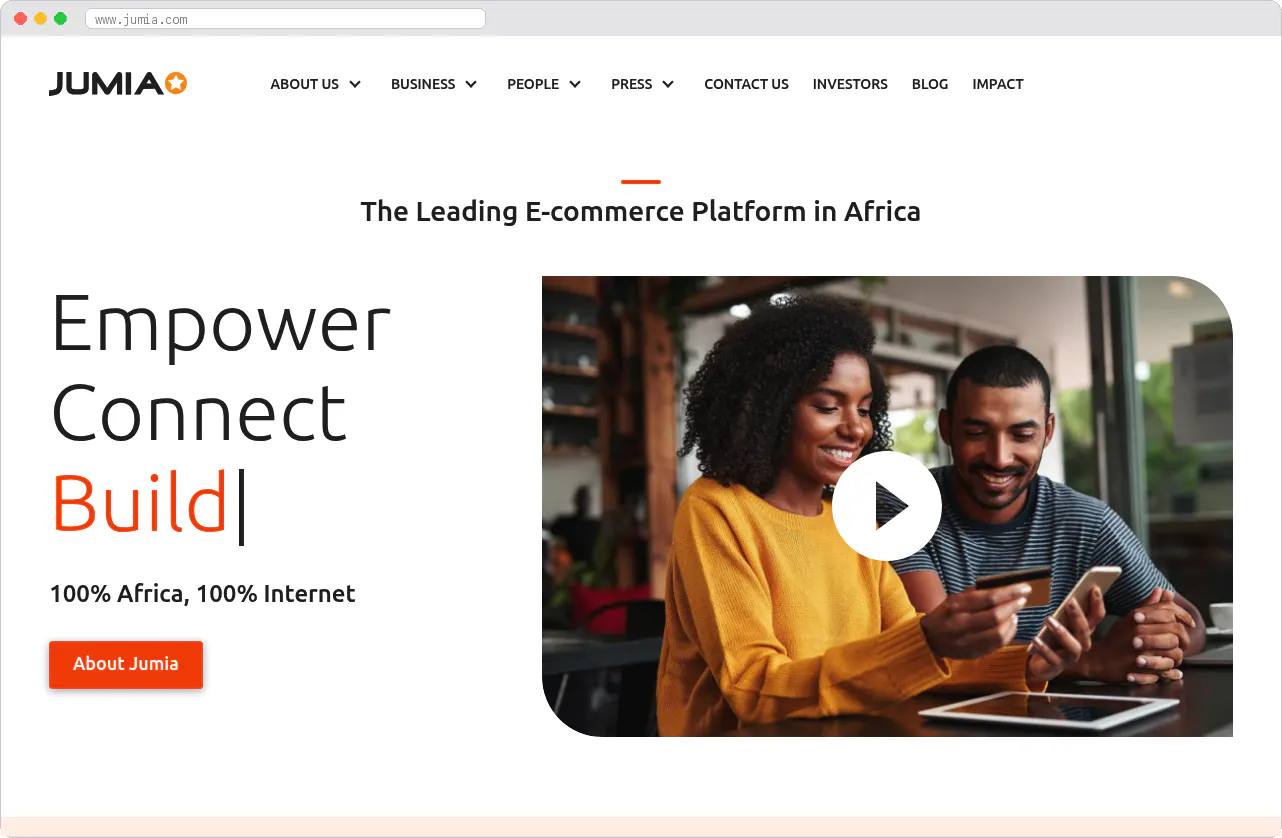
Jumia operates across multiple African countries with a model similar to Daraz, adapting e-commerce principles to African market conditions including limited internet infrastructure, diverse payment preferences, and complex logistics challenges.
These specialized platforms succeed by understanding specific market needs that generalist platforms like Amazon serve poorly. They invest in local partnerships, cultural adaptation, and infrastructure development that global platforms often overlook.
How Sharetribe enables Daraz-style marketplace development
Building a successful multi-vendor marketplace for emerging markets requires balancing speed to market with the flexibility to adapt to local conditions. Sharetribe's marketplace platform addresses this challenge through a combination of no-code launch capabilities and extensive customization options.
Rapid market validation
Sharetribe allows you to launch a fully functional marketplace in days rather than months, enabling rapid market testing without massive upfront investment. The platform includes essential e-commerce features like product catalogs, search functionality, payment processing, and user management, everything needed to facilitate real transactions between buyers and sellers.
This speed advantage proves crucial for marketplace success because it allows you to start learning from real user behavior immediately. Many marketplace concepts fail because founders spend months building features that users don't actually want, whereas early launch enables iterative improvement based on actual market feedback.
The platform's built-in features handle complex marketplace requirements like multi-vendor inventory management, commission processing, and dispute resolution, functionality that would typically require months of custom development and extensive testing.
Emerging market-friendly features
Sharetribe includes several features particularly valuable for emerging market marketplaces. The platform supports multiple payment methods including integration with Stripe Connect for commission processing, manual payment methods for cash-on-delivery scenarios, and flexible payment timing that accommodates delayed payment reconciliation.
Multi-language support enables localization for different regional markets, while the mobile-responsive design ensures excellent performance on the smartphones that dominate internet access in emerging markets. The platform's infrastructure handles varying internet speeds and device capabilities common in developing regions.
Customizable user flows allow you to adapt the buying and selling experience to local cultural preferences and business practices. This might include modified onboarding processes, different communication patterns between buyers and sellers, or specialized product category structures that reflect local market organization.
Scalability and customization path
As your marketplace grows, Sharetribe's Developer Platform allows extensive customization without requiring a complete rebuild. You can add custom features through API integrations, modify user interfaces with custom code, integrate third-party services for specialized functionality, and develop mobile apps that connect to your marketplace backend.
This hybrid approach proves particularly valuable for emerging market marketplaces because local requirements often become clear only after launch. You might discover needs for specific payment integrations, logistics partnerships, or seller support tools that weren't apparent during initial planning.
The platform's architecture supports significant transaction volume and user growth, with Sharetribe-powered marketplaces handling millions of users and transactions. This scalability means you won't outgrow the platform as your business expands across regions or product categories.
Expert network and support
Building a successful marketplace requires expertise beyond technology development. Sharetribe's Expert Network includes verified developers and agencies experienced in marketplace development, particularly for international and emerging market contexts.
This support network proves valuable for founders who need custom development but lack in-house technical teams. The experts understand both Sharetribe's platform capabilities and the unique challenges of emerging market e-commerce, enabling efficient development of features that truly serve your market needs.
Sharetribe's extensive educational resources include guides specifically focused on marketplace strategy, user acquisition, and operational best practices learned from successful marketplace launches worldwide. These resources help founders avoid common pitfalls while adapting proven strategies to their specific market conditions.
Next steps for building your marketplace
Success in emerging market e-commerce requires combining global best practices with deep local adaptation. Start by thoroughly understanding your target market's unique characteristics, payment preferences, logistics challenges, and cultural factors that influence online shopping behavior.
Validate your concept through direct engagement with potential buyers and sellers before investing heavily in platform development. Many successful marketplaces began with manual processes that proved market demand before automating transaction flows.
Choose a technology approach that enables rapid iteration and learning. The most sophisticated platform means nothing if it doesn't solve real problems for your users, while a simple platform that facilitates successful transactions can evolve into a major business.
Focus on building trust and providing exceptional user experiences, particularly for first-time online shoppers who may be skeptical about digital transactions. Your success will ultimately depend more on operational excellence and market understanding than on technical sophistication.
Consider starting with Sharetribe's 14-day free trial to explore how quickly you can validate your marketplace concept. The platform's combination of no-code speed and customization flexibility makes it particularly well-suited for emerging market marketplaces that need to adapt quickly based on user feedback while maintaining professional functionality and user experience.
Frequently asked questions
How much does it cost to build a marketplace like Daraz?
Using a No-code marketplace platforms cost $99-399 per month, with total first-year costs of $2,000-5,000. Custom development typically costs $100,000-$500,000 for initial launch, plus ongoing maintenance and operational expenses.
What are the essential features needed for a Daraz-style marketplace?
Key features include multi-language support, flexible payment processing (especially cash-on-delivery), mobile-optimized design, multi-vendor inventory management, trust and safety systems, and seller education tools.
How long does it take to build a marketplace like Daraz?
No-code platforms allow launch in 2-4 weeks, while custom development typically takes 8-18 months. The key is starting simple and iterating based on user feedback rather than building all features upfront.
What makes Daraz successful in emerging markets?
Daraz succeeds through localized payment methods (70% cash-on-delivery), mobile-first design, extensive seller education programs, and cultural adaptation including multiple languages and local business practices.
Can I compete with established marketplaces like Daraz?
Yes, by focusing on underserved niches, specific geographic regions, or providing better service to particular customer segments. Success comes from understanding local needs better than global platforms.
Start your 14-day free trial
Create a marketplace today!
- Launch quickly, without coding
- Extend infinitely
- Scale to any size
No credit card required